Earring Left Ear Meaning: History, Myths, and Proper Metal Care
Discover the truth behind the earring left ear meaning myth, plus expert tips on piercing aftercare, metal grades, and cleaning routines for healthy lobes.

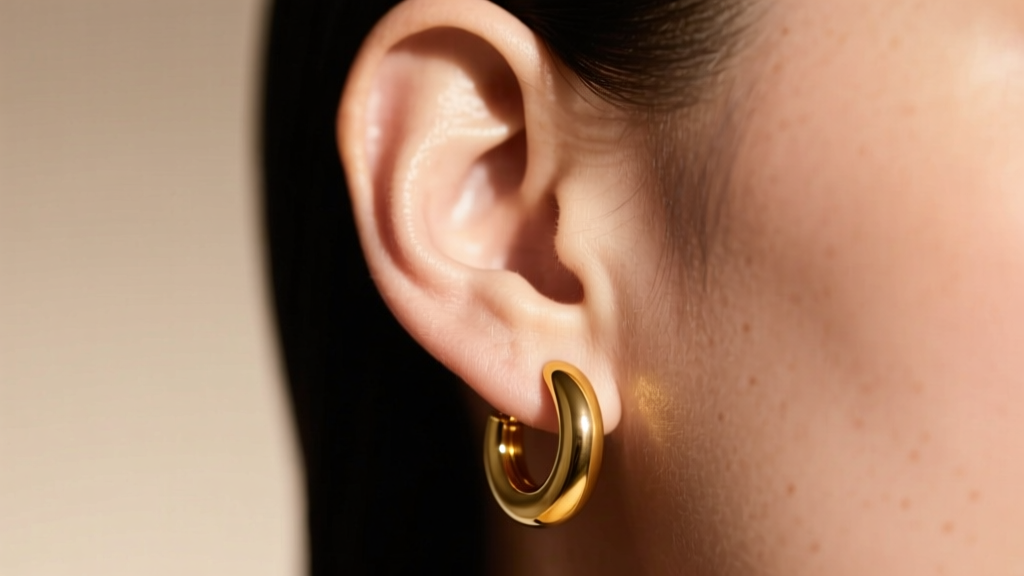
For decades, the search phrase 'earring left ear meaning' has dominated fashion forums, pop-culture debates, and historical deep-dives. From the maritime myths of pirates wearing gold in their left ear to improve eyesight, to the heavily stereotyped 'left is right, right is wrong' cultural codes of the 1980s and 1990s, the left ear has carried a disproportionate amount of symbolic baggage. However, in 2026, modern jewelry styling has largely abandoned these rigid codes in favor of individualized aesthetics, asymmetrical curation, and gender-neutral expression.
While the internet remains obsessed with the cultural symbolism of the left ear, professional piercers and dermatologists are far more concerned with the anatomical and environmental realities of maintaining it. Whether you subscribe to historical myths or modern aesthetics, the biological rules of tissue healing, metal oxidation, and bacterial exposure remain unchanged. This comprehensive guide bridges the gap between cultural curiosity and clinical aftercare, providing you with the exact protocols needed to keep your left ear piercings healthy, vibrant, and infection-free.
Decoding the Earring Left Ear Meaning: Myth vs. Modern Anatomy
Historically, an earring in the left ear for men was often associated with heterosexuality in mid-century Western pop culture, while the right ear carried different connotations. Sailors, dating back to the Elizabethan era, pierced their left ears believing the gold would act as a talisman against drowning or as payment for a proper burial at sea. Today, these narratives are largely viewed as historical trivia rather than societal rules. Contemporary jewelry styling focuses on facial symmetry, ear anatomy, and metal compatibility.
From an anatomical perspective, there is no physiological difference between the left and right earlobe. Both consist of dense connective tissue without cartilage, making them the most forgiving and fastest-healing piercing sites on the body. Standard lobe piercings are typically performed at 20-gauge (0.81mm) or 18-gauge (1.02mm), though many professional studios now default to 16-gauge (1.29mm) or 14-gauge (1.60mm) to provide better stability and reduce the 'cheese-cutter effect' if the jewelry is snagged. Understanding your specific gauge and tissue depth is the first step in establishing a proper maintenance routine.
Biomechanics of the Left Ear: Friction, Sleep, and Tech
While the tissue is identical, the environmental exposure of your left ear is often vastly different from your right. Biomechanical habits play a massive role in piercing irritation, jewelry degradation, and localized dermatitis. Consider your daily routines:
- Sleeping Dominance: Approximately 70% of people have a dominant sleeping side. If you sleep on your left side, the continuous pressure can cause friction, embed jewelry into the tissue, and disrupt the healing matrix of newer piercings.
- Smartphone Transfer: Holding a smartphone against your left ear exposes the piercing site to high levels of bacteria, sebum, and screen heat. A standard smartphone screen harbors up to 10 times more bacteria than a toilet seat, which can easily transfer to a micro-tear in the earlobe.
- Hair Parting and Products: If you part your hair on the left, heavy leave-in conditioners, dry shampoos, and styling gels can accumulate around the earring post, creating a breeding ground for yeast and contact dermatitis.
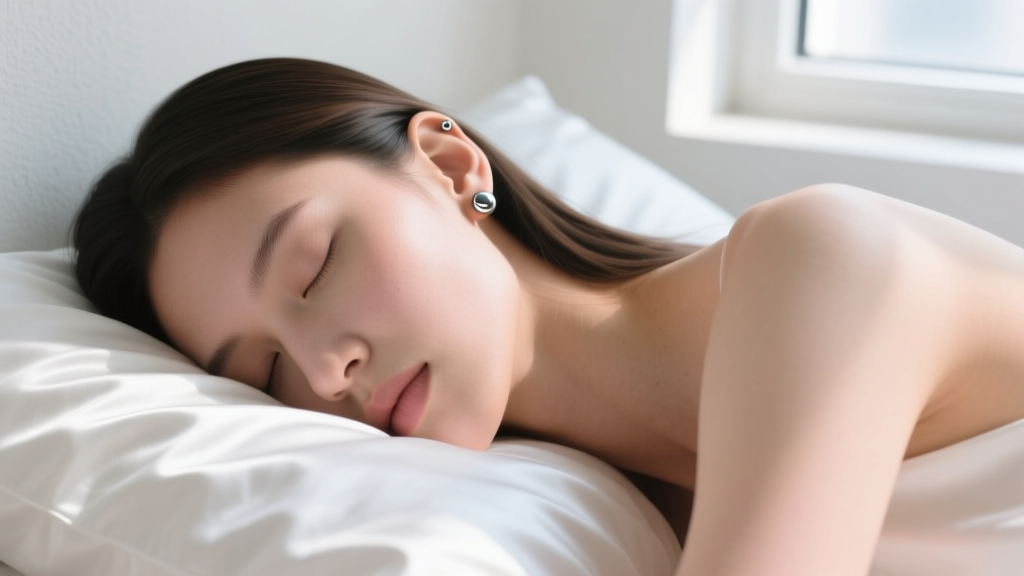
To mitigate these left-side specific risks, experts recommend switching to a 100% mulberry silk pillowcase to reduce friction, sanitizing your phone daily with 70% isopropyl alcohol wipes, and ensuring your hair products are fully dry before putting in your earrings.
Material Metallurgy: Choosing Hypoallergenic Alloys
The most common cause of chronic earlobe irritation is not poor hygiene, but rather metal incompatibility. The American Academy of Dermatology notes that nickel allergy is the leading cause of contact dermatitis, affecting nearly 20% of the population. Many cheap 'fashion' earrings use brass or copper bases plated with thin layers of gold or silver, which quickly wear away to expose reactive base metals.
When selecting jewelry for your left ear—especially for primary healing or long-term wear—you must verify the exact metallurgical grade. Below is a breakdown of common earring materials and their maintenance requirements:
| Metal Grade | Nickel Content | Best For | Cleaning Frequency |
|---|---|---|---|
| ASTM F-136 Titanium | 0% (Nickel-Free) | Fresh piercings, hyper-sensitive skin | Weekly ultrasonic |
| 14k or 18k Solid Gold | Trace (Alloy dependent) | Long-term wear, high-end aesthetics | Bi-weekly polishing |
| 316L Surgical Steel | Low (8-12%) | Healed piercings, budget-friendly | Weekly saline wipe |
| Brass/Copper (Plated) | High (in base metal) | Occasional, short-term wear only | Daily tarnish removal |
For the ultimate standard in biocompatibility, always look for jewelry explicitly labeled as ASTM F-136 implant-grade titanium. This specific alloy is used in medical joint replacements and guarantees a nickel-free composition that will not oxidize, tarnish, or react with your body's natural pH levels.
The 0.9% Saline Protocol: Daily Maintenance & Deep Cleaning
Proper cleaning is a balance between eliminating pathogens and preserving the delicate microbiome of the piercing channel. Harsh chemicals like rubbing alcohol, hydrogen peroxide, and tea tree oil are strictly contraindicated by the Association of Professional Piercers (APP), as they destroy newly forming epithelial cells and cause severe tissue dehydration.
Daily Lobe Maintenance
For daily upkeep, especially if your left ear is exposed to sweat, hair products, or urban pollution, use a sterile 0.9% sodium chloride wound wash. Spray the solution directly onto the front and back of the earlobe, let it sit for 30 seconds to soften any sebum buildup, and gently wipe away debris with a non-woven gauze pad. Avoid cotton swabs, as they leave behind microscopic fibers that can become embedded in the fistula (the piercing channel).
Deep Jewelry Cleaning
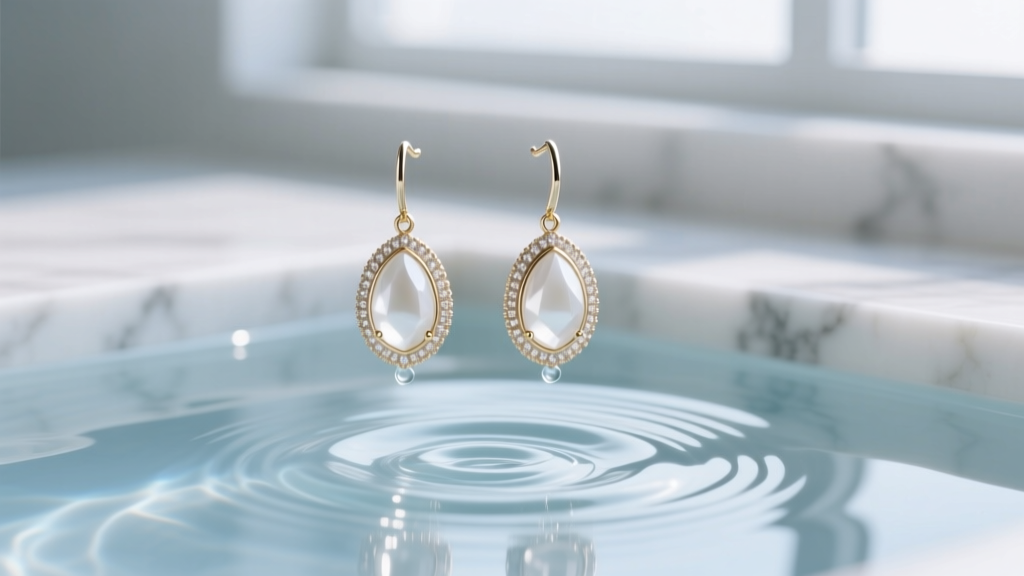
Once a month, your jewelry requires a deep clean to remove microscopic tarnish and hardened skin cells. Remove your earrings and place them in an ultrasonic jewelry cleaner filled with warm water and a few drops of unscented, mild dish soap. The machine's 40kHz frequency creates microscopic cavitation bubbles that safely blast away debris from intricate designs, gemstone settings, and threaded posts without scratching the metal. After a 3-minute cycle, rinse the jewelry with distilled water and dry completely with a microfiber cloth before reinserting.
Troubleshooting Left-Side Specific Complications
Even with meticulous care, environmental factors unique to your left side can cause complications. Here is how to troubleshoot the most common issues:
- Moisture Trapping and Yeast: If you frequently wear over-ear headphones or earmuffs on your left side, the trapped heat and sweat can lead to a localized yeast infection, presenting as an itchy, flaky rash around the piercing. Solution: Switch to open-back headphones or bone-conduction audio devices, and apply an over-the-counter clotrimazole cream if irritation persists.
- Phone-Induced Friction Bumps: Pressing a smartphone against a healing left lobe can cause a localized irritation bump (hypertrophic scarring) due to pressure and bacterial transfer. Solution: Use speakerphone or wireless earbuds during the 6-8 week healing window. If a bump forms, apply a sterile warm saline compress for 5 minutes daily to encourage lymphatic drainage.
- Thread Stripping: If you frequently change earrings on your left side using your non-dominant right hand, the awkward angle can cause you to cross-thread the jewelry post, permanently ruining the backing. Solution: Invest in threadless (push-pin) or internally threaded jewelry, which eliminates the risk of cross-threading and provides a much smoother insertion experience.
Ultimately, the 'earring left ear meaning' is whatever you decide it to be. But the meaning of a healthy, well-maintained piercing is universal: it requires high-quality implant-grade metals, mindful environmental habits, and a gentle, scientifically backed cleaning routine. Treat your anatomy with respect, and your jewelry will remain a flawless extension of your personal style for decades to come.


