Earring Plaza NY Finds: Expert Cleaning & Care Guide
Discover expert cleaning and maintenance tips for your Earring Plaza NY finds. Learn material-specific care for gold, silver, and porous gems.

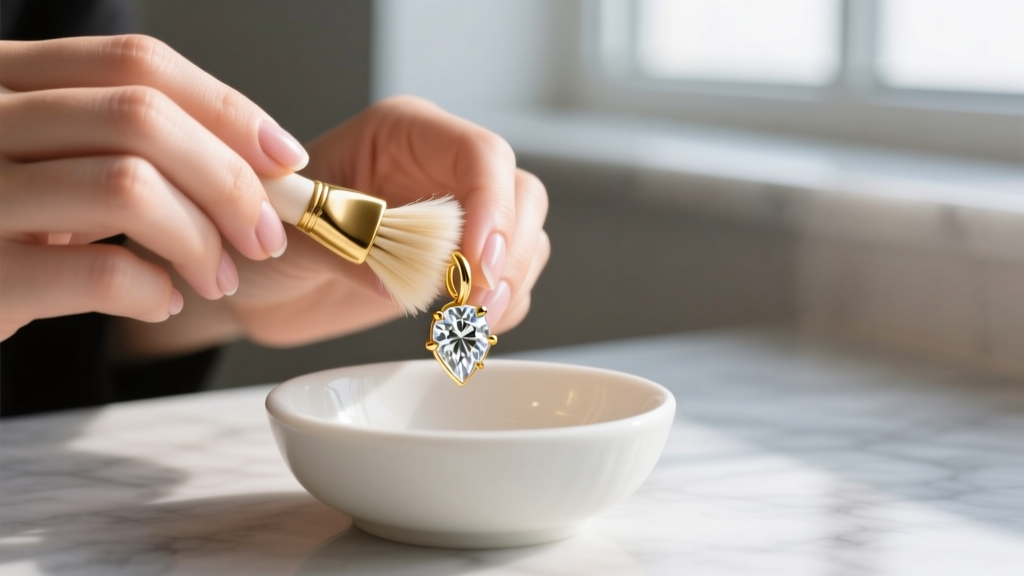
Sourcing from Earring Plaza NY: The Importance of Aftercare
Securing a unique, artisanal, or wholesale pair of earrings from the bustling Earring Plaza NY district is a milestone for any jewelry enthusiast. Whether you have navigated the diamond district for a pair of high-carat pavé drops, sourced vintage-inspired 18k gold huggies, or invested in heavy-gauge sterling silver cartilage cuffs, the initial purchase is only the beginning of your jewelry's lifecycle. In 2026, the market is flooded with mixed-metal designs and complex micro-settings that require highly specific maintenance protocols. Neglecting proper aftercare can lead to degraded metal integrity, loosened prongs, and irreversible damage to delicate gemstones.
This comprehensive guide moves beyond generic 'soap and water' advice. We will explore the metallurgical realities of your Earring Plaza NY finds, providing actionable, deep-dive cleaning frameworks tailored to specific alloys, gemstone porosities, and complex clasp mechanisms.
Material-Specific Cleaning Protocols
14k and 18k Gold: Managing Alloy Porosity
Pure 24k gold is entirely tarnish-resistant but far too soft for daily-wear earrings. The pieces you find in NY jewelry hubs are typically 14k (58.5% gold) or 18k (75% gold), alloyed with copper, silver, or zinc for durability. The non-gold metals in these alloys are susceptible to oxidation, especially when exposed to the sulfur and pollutants in urban environments.
The Protocol: Create a lukewarm bath using distilled water and three drops of phosphate-free, mild dish detergent (such as Dawn). Avoid hot water, which can cause thermal shock to certain inclusions in accompanying gemstones. Soak the earrings for exactly 15 minutes. Use a baby-bristle toothbrush—never a standard firm brush, which will leave micro-scratches on the gold's polished finish—to gently agitate the back of the settings where sebum and cosmetic buildup accumulate. Rinse under a gentle stream of lukewarm distilled water and dry immediately with a lint-free microfiber cloth.
Sterling Silver and the Electrochemical Reversal Method
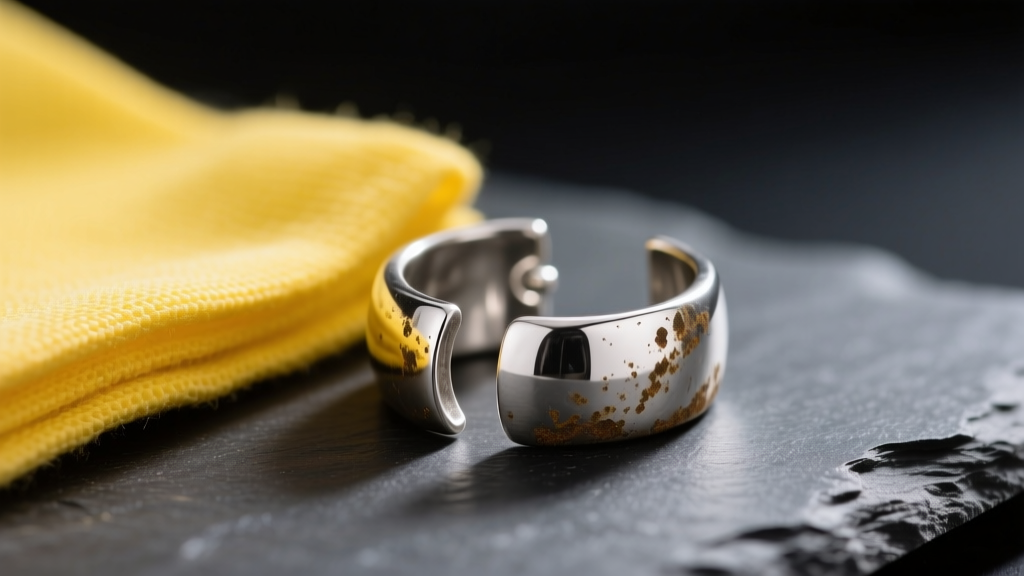
Sterling silver (925) contains 7.5% copper, which reacts with hydrogen sulfide in the air to form silver sulfide—the black tarnish that plagues unworn earrings. While commercial silver dips exist, they are highly acidic and strip the silver's natural patina, eventually causing 'fire scale' and pitting.
The Protocol: For heavy tarnish on solid silver ear cuffs or hoops (without porous stones), utilize an electrochemical reaction. Line a glass bowl with aluminum foil (shiny side up). Place the silver earrings on the foil. Add one tablespoon of baking soda and one teaspoon of sea salt. Pour boiling water over the mixture. The ion exchange transfers the sulfur from the silver to the aluminum foil, reversing the tarnish without removing any base metal. Remove with wooden tongs after 3 minutes, rinse, and buff with a Sunshine polishing cloth to restore the mirror finish.
Porous Gemstones: Pearls, Opals, and Turquoise
If your Earring Plaza NY haul includes organic or porous gems, standard cleaning methods will destroy them. Pearls (Mohs 2.5-4.5) are calcium carbonate and will dissolve in acidic or harsh alkaline solutions. Opals contain up to 20% water; ultrasonic vibrations or extreme heat will cause them to craze and fracture. According to the Gemological Institute of America (GIA), porous stones require a strictly mechanical, dry-to-damp approach.
The Protocol: Never submerge pearls or opals. Dampen a soft, untreated cotton swab with a tiny amount of mineral oil or distilled water. Gently wipe the surface of the gemstone to remove skin oils. For pearls, ensure the silk thread or adhesive post is never saturated, as moisture will degrade the epoxy bonding the pearl to the earring post.
The Ultrasonic vs. Steam Cleaner Debate
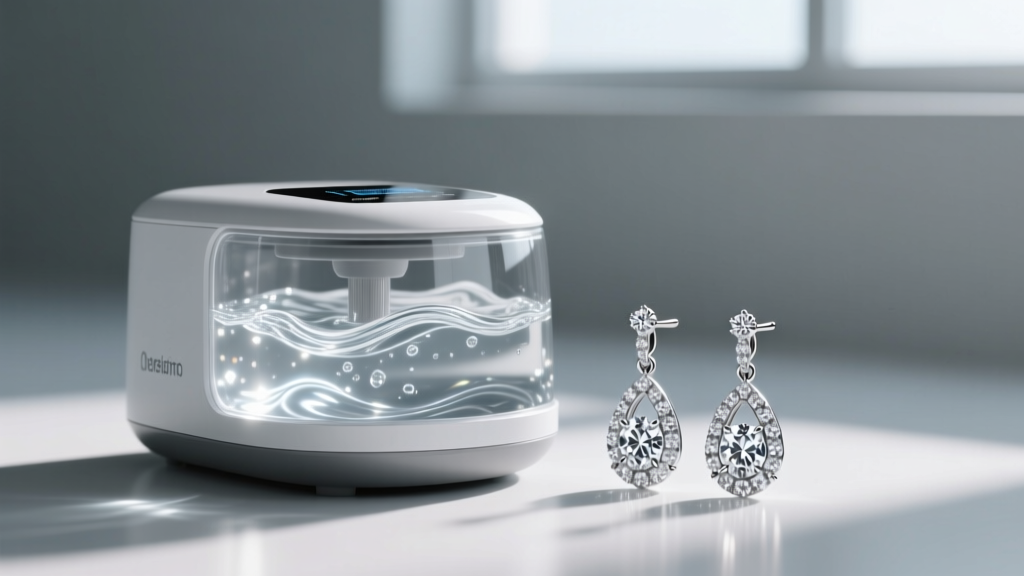
Many buyers invest in at-home ultrasonic cleaners to maintain their fine jewelry. These devices use high-frequency sound waves (typically 40-45 kHz) to create microscopic cavitation bubbles in a liquid solution, which implode and blast dirt away from the metal. However, they are not universally safe.
| Cleaning Method | Best For | Never Use On | Risk Level |
|---|---|---|---|
| Ultrasonic (40kHz) | Diamonds, sapphires, rubies, plain platinum/gold | Emeralds, opals, pearls, fracture-filled stones | High (if misused) |
| Steam Cleaning | Diamond solitaires, hard gemstone pavé | Treated stones, temperature-sensitive gems | Medium |
| Manual Soak & Brush | All metals, most gemstones, vintage pieces | Untreated porous stones (if submerged) | Low |
| Electrochemical Bath | Solid sterling silver, Argentium silver | Silver-plated items, oxidized/darkened finishes | Medium |
Master Jeweler's Warning: Never use toothpaste to clean your earrings. Toothpaste contains hydrated silica and calcium carbonate abrasives with a Mohs hardness of around 3-4. While this is fine for teeth, it will permanently scratch the rhodium plating on white gold and leave a dull, matte haze on high-polish silver and gold surfaces.
Anatomy of the Earring: Cleaning Clasps and Hinges
The most overlooked aspect of earring maintenance is the mechanical hardware. Huggies, hoop earrings, and drop earrings rely on precision hinges, tension wires, and omega backs that easily trap dead skin cells, lotion, and environmental dust.
- Huggie Hinges: The tiny barrel or snap hinges on huggies often become stiff or fail to click shut. Use a wooden toothpick (never a metal pin, which can bend the hinge pin) to gently scrape out the crevice. Follow by applying a microscopic drop of synthetic watch oil to the hinge pin using a needle-tip oiler.
- Friction Posts and Butterfly Backs: The grooved friction posts on stud earrings harbor bacteria. Wipe the post weekly with a cotton pad soaked in 70% isopropyl alcohol. This sanitizes the metal and dissolves sebum without damaging the gold or platinum. Ensure the alcohol does not touch the gemstone setting.
- Omega and Clip-On Backs: The tension spring inside an omega back can weaken if exposed to chemical dips. Clean these strictly with a damp cloth and a soft brush, ensuring no liquid penetrates the spring housing.
Urban Storage: Combating the NYC Environment
Storing your jewelry correctly is just as critical as cleaning it. Urban environments, particularly in cities like New York, feature fluctuating HVAC humidity levels and higher concentrations of airborne sulfur from vehicle emissions and industrial processes. Leaving your Earring Plaza NY silver cuffs on an open vanity tray guarantees rapid tarnishing.
Invest in a multi-compartment jewelry box lined with anti-tarnish flannel. Place 3M anti-tarnish strips inside each drawer; these strips absorb sulfur gases and remain effective for up to six months. For long-term storage of high-karat gold or platinum pieces, use individual polyethylene ziplock bags with a small silica gel desiccant packet to control moisture and prevent metal-to-metal scratching.
Troubleshooting Common Earring Failures
Even with meticulous care, mechanical issues arise. If a screw-back earring becomes cross-threaded, do not force it. Apply a drop of penetrating oil, let it sit for ten minutes, and gently reverse the thread using a rubber-gripped jeweler's tool. If a friction post becomes bent—a common issue with softer 18k or 22k gold earrings—roll the post on a flat glass surface to identify the bend, and use nylon-jaw pliers to gently coax it back to a 90-degree angle. By understanding the specific material science and mechanical design of your earrings, you ensure that your cherished finds remain as brilliant as the day you brought them home from the plaza.


