Earring Threaders Material Guide: Gold vs Silver vs Titanium
Discover how metal properties affect earring threaders. Compare gold, silver, and titanium for drape, durability, and sensitive ears.

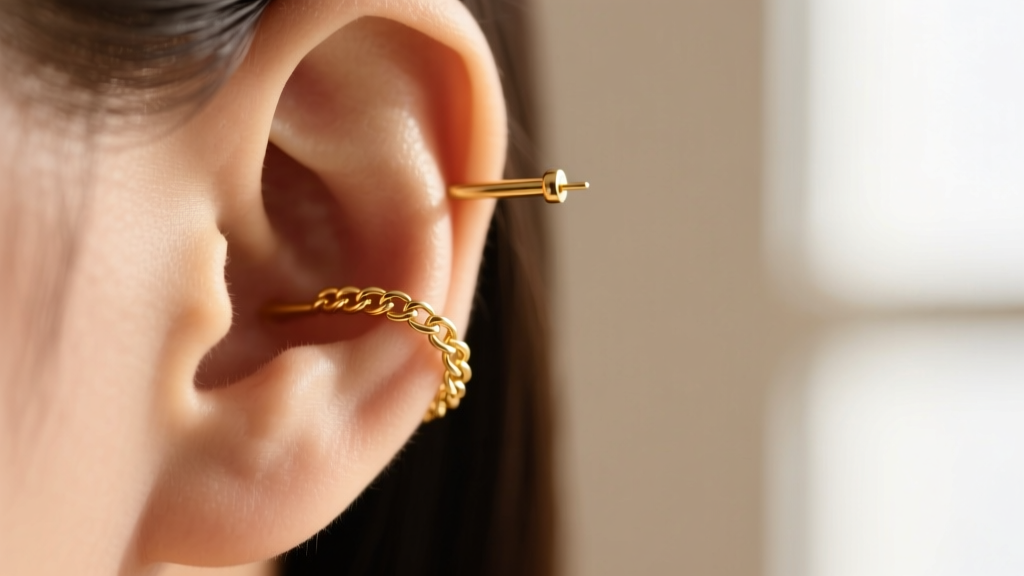
The Anatomy of an Earring Threader
Unlike traditional stud or hoop earrings that rely on a rigid post and a friction back or clutch, earring threaders (often called ear threads) utilize a delicate, flexible chain that weaves directly through the piercing fistula. The earring is held in place by the friction of the chain against the skin and the natural weight of the decorative drop on the front. Because the chain acts as both the post and the structural anchor, the metallurgical properties of the metal used are not just a matter of aesthetics—they dictate the jewelry's tensile strength, drape, and lifespan.
A standard threader consists of three components: the rigid lead tip (which guides the chain through the piercing), the micro-chain itself (typically ranging from 0.6mm to 1.0mm in thickness), and the decorative element. When evaluating materials, we must look at the metal's Vickers Hardness (HV), its work-hardening rate, and its biocompatibility. Below, we break down how the most common precious metals perform when forged into the ultra-fine chains required for threader earrings.
Material Showdown: Gold, Silver, Titanium, and Platinum
14k vs. 18k Gold: The Drape Factor
Gold is the most popular choice for earring threaders due to its luxurious drape and excellent tarnish resistance. However, pure 24k gold is far too soft for micro-chains. Jewelers alloy gold with metals like copper, zinc, and silver to increase durability.
- 14k Gold (Vickers ~130-150 HV): The industry standard for threaders. The higher alloy content makes 14k gold significantly harder and more resistant to the stretching and snapping that plagues fine chains. It holds its shape well when threading through tight cartilage piercings.
- 18k Gold (Vickers ~110-125 HV): With a higher pure gold content, 18k offers a richer yellow hue and a softer, more fluid drape. However, it is highly susceptible to "chain stretch." If an 18k gold threader features a heavy gemstone drop, the weight will permanently elongate the links over time, leading to structural failure.
According to the Gemological Institute of America (GIA), while gold itself is hypoallergenic, the alloys used in lower-karat gold (like nickel in some white gold mixes) can cause contact dermatitis. Always opt for nickel-free 14k or 18k gold threaders if you have sensitive lobes.
Sterling Silver: The Kinking Hazard
Sterling silver (925) is highly affordable and offers a brilliant, reflective shine, but it is arguably the most problematic metal for earring threaders. Silver has a low Vickers hardness (around 70 HV) and a high rate of work hardening. When a silver micro-chain bends sharply, the crystalline structure of the metal locks up, becoming brittle.
This leads to the most common failure mode in silver threaders: the kink-and-snap. Once a fine silver chain kinks, attempting to straighten it often results in the link fracturing. Furthermore, silver oxidizes when exposed to sulfur in the air and skin oils, requiring frequent polishing that can wear down the microscopic chain links over time. If you choose silver threaders, look for pieces that are heavily rhodium-plated to add a microscopic layer of stiffness and tarnish resistance.
Implant-Grade Titanium: The Hypoallergenic Standard
For those with severe metal sensitivities or those wearing threaders in fresh, unhealed piercings, ASTM F136 implant-grade titanium is the ultimate choice. The Association of Professional Piercers (APP) strictly recommends implant-grade titanium for initial piercings due to its complete lack of nickel and its biocompatibility.
Titanium is incredibly strong (Vickers ~350 HV) and exceptionally lightweight. A titanium threader will never stretch, kink, or tarnish. The trade-off is manufacturing difficulty; titanium is notoriously hard to draw into ultra-fine micro-chains. As a result, titanium threaders are often slightly thicker (usually 18-gauge / 1.0mm) compared to their gold counterparts, giving them a more modern, industrial aesthetic rather than a delicate, traditional drape.
Platinum: The Premium Heavyweight
Platinum (usually 950 purity) is incredibly dense, durable, and naturally white. It does not tarnish and is hypoallergenic. However, its high density makes it heavy. A long platinum threader with a solid drop can cause "lobe fatigue," gradually stretching the piercing hole downward due to the sheer weight of the metal. Platinum threaders are best reserved for shorter, choker-style ear threads or upper cartilage placements where the tissue is thicker and more supportive.
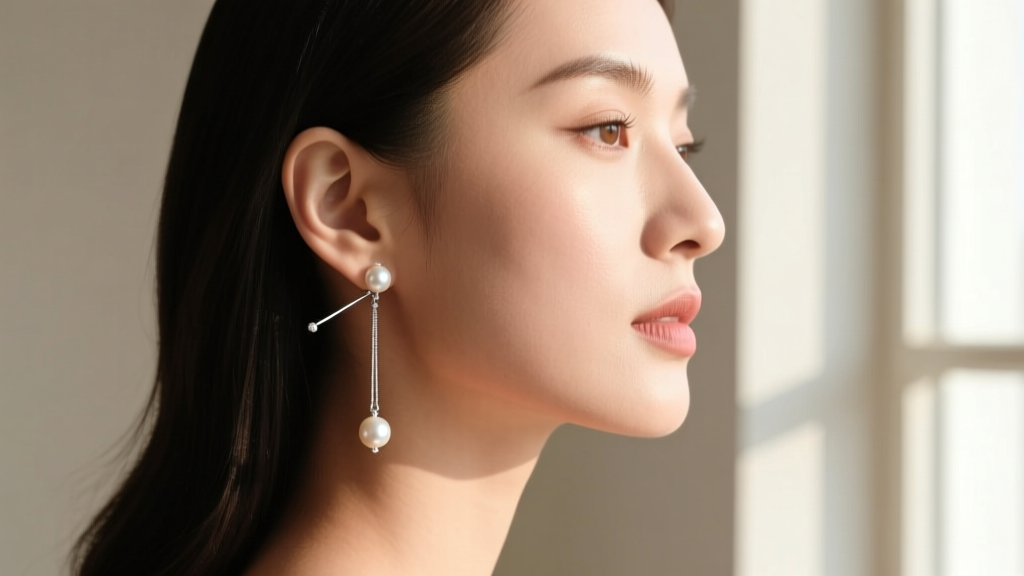
Chain Gauge and Tensile Strength Data
Understanding the physical dimensions of the chain is critical for both comfort and longevity. The table below outlines the standard specifications you should expect when shopping for high-quality threaders.
| Metal Type | Typical Gauge (Thickness) | Vickers Hardness (HV) | Kink Resistance | Average Price Range |
|---|---|---|---|---|
| 14k Yellow Gold | 20g (0.81mm) | 130 - 150 | High | $80 - $250 |
| 18k Yellow Gold | 20g (0.81mm) | 110 - 125 | Medium (Prone to stretch) | $150 - $400 |
| Sterling Silver (925) | 22g (0.64mm) | 65 - 75 | Low (High kink risk) | $25 - $75 |
| Implant-Grade Titanium | 18g (1.02mm) | 330 - 370 | Very High | $40 - $120 |
| 950 Platinum | 20g (0.81mm) | 110 - 130 | High (But heavy) | $300 - $800+ |
Common Failure Modes & Troubleshooting
Even the highest quality earring threaders can fail if improperly handled. Because the chain must pass through the body, it is subjected to unique stressors. Here is how to troubleshoot the most common issues based on material properties:
The Catch-and-Tear: This occurs when the fine links of a gold or silver threader catch on a towel or hair, pulling the chain taut and snapping the lead tip off. Solution: Always thread your earrings before putting on clothing or styling hair. Store them in individual soft pouches, never tossed loosely in a jewelry box where the chains can intertwine and knot.
Tarnish Buildup in Links: Silver and low-karat white gold threaders can accumulate skin oils and oxidized metal inside the microscopic crevices of the chain links, causing the chain to feel stiff or "crunchy" when threading. Solution: Use a gentle ultrasonic jewelry cleaner for 3 minutes in a warm water and mild dish soap solution. Warning: Never use ultrasonic cleaners if your threaders feature porous gemstones like pearls, opals, or turquoise, as the vibrations will shatter them.
The Lobe Stretch: As mentioned, heavy drops on soft metals like 18k gold or platinum will elongate the piercing over time. Solution: If you prefer heavy, statement-making drops, switch to a thicker 18-gauge titanium chain or opt for a shorter threader length (under 1.5 inches) to reduce the pendulum effect that exacerbates lobe stretching.
Expert Sizing and Piercing Placement Tips
The material you choose should also dictate where you place the threader on your ear. The earlobe is highly elastic and can accommodate the fluid drape of 20-gauge 18k gold or sterling silver threaders, which typically range from 2 to 4 inches in total length.
However, if you are threading through a helix or upper cartilage piercing, the tissue is much denser and the angle is often awkward. For cartilage threaders, you must use a stiffer, harder metal like 18-gauge titanium or 14k gold. The rigid lead tip must be perfectly smooth and blunt; a poorly finished lead tip on a soft silver threader can easily micro-tear the delicate cartilage fistula during insertion. Furthermore, cartilage threaders should be kept short (1 to 1.5 inches) to prevent the chain from whipping around and irritating the piercing channel during sleep.
Final Verdict: Which Metal Should You Choose?
There is no single "best" metal for earring threaders; the right choice depends entirely on your piercing health, budget, and styling habits. If you prioritize a luxurious, fluid drape and have fully healed, non-sensitive lobes, 14k yellow gold offers the perfect balance of beauty and tensile strength. If you suffer from contact dermatitis or are wearing threaders in a fresh cartilage piercing, ASTM F136 titanium is non-negotiable for its biocompatibility and unyielding strength. Avoid sterling silver for everyday wear unless you are meticulous about storage and maintenance, as its tendency to work-harden and snap makes it a frustrating long-term investment. By matching the metallurgical properties of the chain to your specific anatomical needs, you can ensure your threaders remain a staple in your jewelry rotation for years to come.


