Earring Wrap Value Assessment: Wire-Wrapped vs Cast
Discover the true cost and value of earring wrap styles. We compare handmade wire-wrapped gemstone drops to mass-produced cast cuffs and jackets.

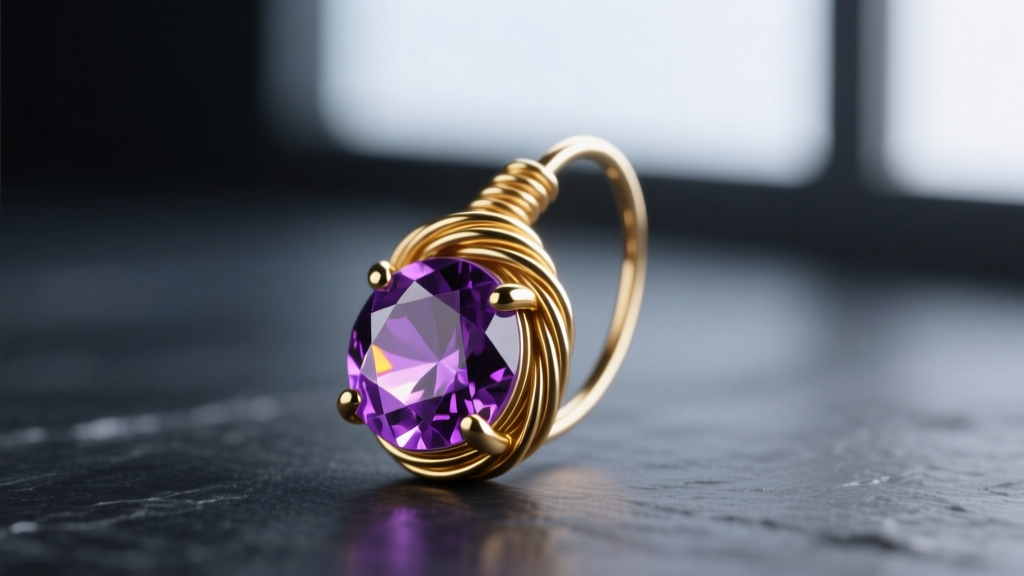
When navigating the expansive earring market in 2026, the term earring wrap frequently causes confusion among buyers trying to assess true value. Are you looking at a handcrafted wire-wrapped gemstone drop, or a structural cartilage ear cuff that wraps the helix? Both styles dominate the budget and mid-tier jewelry market, but their underlying construction, material longevity, and cost-per-wear metrics are vastly different. As gold and silver spot prices continue to fluctuate, understanding the metallurgical and labor realities behind these pieces is the only way to avoid overpaying for mass-produced illusions. This guide breaks down the exact costs, failure modes, and value propositions of wire-wrapped versus cast earring wraps.
Defining the Earring Wrap: Wire Technique vs. Cartilage Cuff
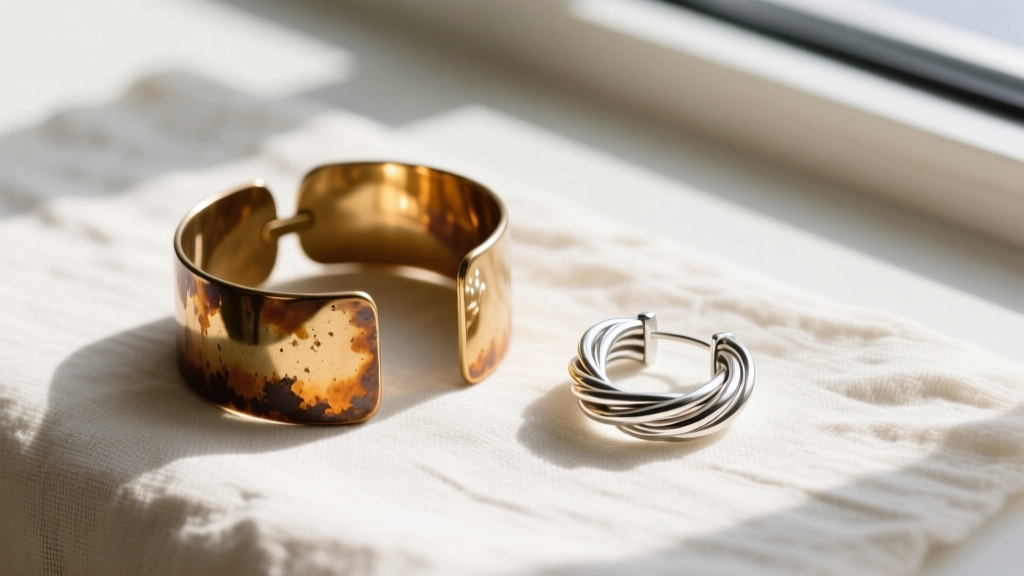
Before assessing budget, we must define the two distinct jewelry categories that use this keyword. The first is the wire-wrapped earring, a technique where a jeweler uses drawn wire (typically 20-gauge to 26-gauge) to mechanically secure a gemstone or crystal briolette without the use of cast prongs or adhesives. The second is the cartilage ear wrap (often called an ear cuff), a structural piece of metal designed to wrap around the outer rim of the ear without requiring a piercing.
While both can be stunning, the manufacturing methods used to create them dictate their retail price and lifespan. A genuine wire-wrapped earring relies on the tensile strength of drawn metal and the artisan's understanding of wire temper. Conversely, many budget cartilage wraps are centrifugally cast from cheap brass alloys and merely plated to mimic precious metals. Recognizing this distinction is the first step in your budget assessment.
The True Cost of Materials: What You Are Actually Paying For
The most common trap for budget-conscious buyers is conflating gold-plated brass with gold-filled or solid metals. According to the Federal Trade Commission's Jewelry Guides, a piece can only be labeled 'gold-filled' if the gold alloy constitutes at least 1/20th (5%) of the item's total metal weight and is mechanically bonded to a base core. Flash-plated items, often sold as 'gold ear wraps' on fast-fashion sites, feature a microscopic layer of gold (usually under 0.5 microns) that wears away within weeks of friction against the skin.
| Material Grade | Avg. Retail Price Range | Longevity & Tarnish Resistance | Best Use Case |
|---|---|---|---|
| 14k Gold-Filled (1/20) | $45 - $95 | 5-10+ years; highly tarnish resistant | Wire-wrapped gemstone drops |
| Argentium 935 Silver | $55 - $120 | Lifetime; contains germanium to prevent tarnish | Structural cartilage cuffs |
| Standard 925 Sterling | $35 - $80 | 3-5 years; requires regular polishing | Intricate wire weaving |
| Gold-Plated Brass | $12 - $28 | 2-6 months; high failure rate via sebum exposure | Occasional fast-fashion wear |
Handmade Wire-Wrapped Earrings: Evaluating the Labor Premium
It is common to see a handmade, 14k gold-filled wire-wrapped earring set priced at $75, while a visually similar cast pair sells for $25. To understand the value, you must look at wire temper and labor. As detailed by industry supplier Rio Grande, wire comes in different hardness levels: dead-soft, half-hard, and spring-hard.

A skilled wire artist uses half-hard 20-gauge wire for the structural frame of the earring wrap because it holds its shape under the weight of a gemstone. They then use dead-soft 26-gauge wire for the delicate binding wraps that secure the stone. This process requires 20 to 40 minutes of meticulous hand manipulation per pair. When you pay $75 for handmade wire wraps, you are paying for structural integrity that cast metal simply cannot replicate. Cast 'wire-look' earrings are brittle; the thinnest points of the cast mold are prone to micro-fractures and will snap if dropped or snagged on clothing.
Cast and Plated Ear Wraps: The Budget Trap
If your search for an earring wrap leads you to non-pierced cartilage cuffs, you must be hyper-vigilant about tension and metallurgy. A cartilage cuff relies on the metal's 'springback'—its ability to be squeezed open and snap back to grip the ear.
Expert Troubleshooting Insight: If a budget brass ear wrap loses its grip after a few weeks, it is due to metal fatigue and poor alloy composition. Brass lacks the elastic memory of properly tempered sterling silver or stainless steel. Furthermore, the friction of the cuff against the helix accelerates the wear of flash-plating, exposing the copper-rich brass underneath. When copper reacts with the sulfur and salts in your skin's sebum, it causes the dreaded green skin reaction and localized contact dermatitis.
To avoid this, budget buyers should bypass plated brass entirely. A $35 solid stainless steel or $50 solid sterling silver cartilage wrap offers infinite structural longevity, making it a vastly superior financial decision over replacing $15 plated cuffs every three months.
Cost-Per-Wear Analysis: Which Earring Wrap Wins?
The ultimate metric for jewelry value is the Cost-Per-Wear (CPW). Let us apply this framework to the two dominant earring wrap styles:
- The $75 Gold-Filled Wire-Wrapped Drop: Worn twice a week for 3 years (312 wears). CPW = $0.24 per wear. The gold-filled layer is thick enough to withstand daily handling, and the mechanical wire wrap ensures the stone will not fall out, unlike cheap cast prongs.
- The $20 Plated Brass Cartilage Cuff: Worn daily until the plating fails and it turns the skin green (approx. 45 days). CPW = $0.44 per wear. You must continually repurchase replacements, and the risk of nickel-induced allergic reactions remains high.
- The $60 Argentium Silver Wire Wrap: Worn continuously, even in the shower, for 5+ years. CPW = Under $0.02 per wear. Argentium's germanium content prevents the sulfur tarnishing that plagues standard 925 silver.
Final Verdict: Where to Allocate Your Jewelry Budget
When assessing the budget and value of an earring wrap, the cheapest upfront cost is rarely the most economical long-term choice. If you desire the intricate, bohemian look of wire-wrapped gemstone drops, allocate your budget toward artisan-made pieces utilizing 14k gold-filled or solid sterling silver drawn wire. The labor premium guarantees structural superiority over brittle cast imitations.
If you are seeking a structural cartilage ear wrap, prioritize metal purity and elastic memory over surface aesthetics. Solid Argentium silver, 316L stainless steel, or solid 14k gold will maintain their tension and skin-safe properties for decades. By understanding the gauges, tempers, and FTC plating standards that govern these pieces, you can confidently invest in earring wraps that deliver both aesthetic brilliance and uncompromising financial value.


