Earrings and the Bible: Historical Context & Modern Styling
Explore the fascinating history of earrings and the Bible. Discover ancient Near Eastern jewelry materials and modern modest styling tips.

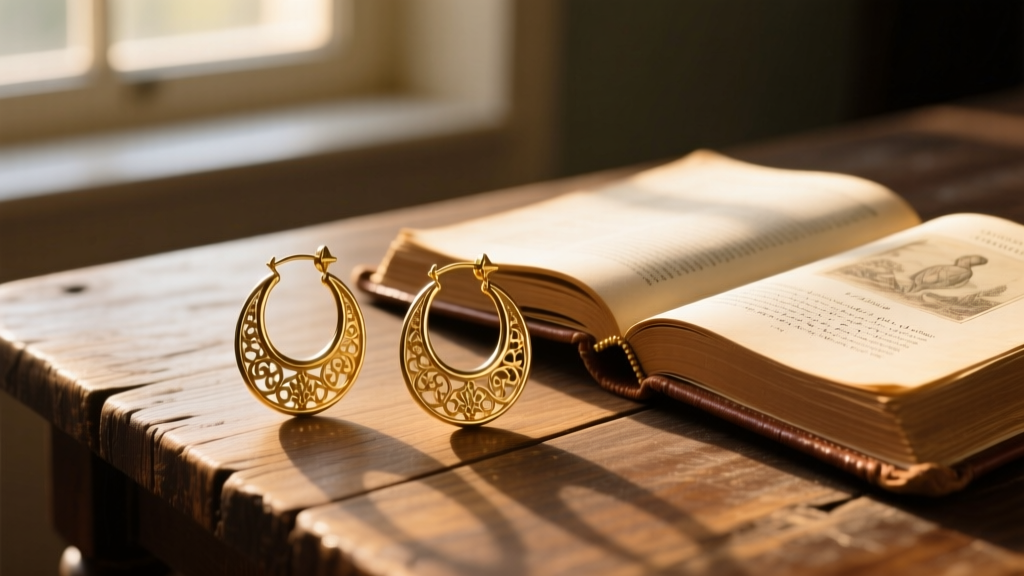
When exploring the intersection of faith, history, and personal adornment, few topics spark as much curiosity as earrings and the Bible. For modern jewelry enthusiasts and believers alike, understanding the scriptural and historical context of ear adornment provides a fascinating lens through which to view our daily style choices. Was jewelry condemned? Was it a symbol of divine favor? And how do the materials of the ancient Near East compare to the hypoallergenic standards we demand today? In this beginner-friendly explainer, we will decode the historical texts, analyze ancient metallurgy, and provide a practical framework for choosing earrings that align with both historical reverence and modern skin safety.
Unpacking the Verses: What Do Earrings and the Bible Have in Common?
To understand the biblical perspective on jewelry, we must look at the original Hebrew texts and the cultural context of the ancient Near East. The scriptures mention earrings in various contexts, ranging from symbols of idolatry to metaphors for divine blessing.
Genesis 35:4 and the Context of Idolatry
In Genesis 35:4, Jacob commands his household to put away their foreign gods and the earrings (nezamim) that were in their ears, burying them under an oak tree. Many readers mistakenly interpret this as a blanket condemnation of all ear jewelry. However, historical context reveals that these specific earrings were likely inscribed with pagan sigils or used as talismans for idol worship. The issue was not the adornment itself, but the spiritual allegiance the items represented. The physical act of removing them was a rejection of foreign deities, not a rejection of metallurgy or beauty.
Ezekiel 16:12: A Metaphor for Divine Blessing
Conversely, Ezekiel 16:12 presents earrings in a profoundly positive light. In this allegory, God describes adorning Jerusalem: “I put a ring on your nose and earrings on your ears, and a beautiful crown on your head.” The Hebrew word used here, agil, refers to a ring or earring. Here, jewelry is utilized as a powerful metaphor for honor, beauty, and divine provision, indicating that adornment, in its proper context, is viewed favorably and as a sign of immense blessing.
Isaiah 3:16-23: The Warning Against Vanity
Isaiah’s famous passage warning the “daughters of Zion” against their haughtiness mentions “crescent ornaments” and “earrings.” Again, the biblical critique is aimed at arrogance, vanity, and the oppression of the poor, rather than the metal itself. For a deeper dive into the original translations of these verses, resources like BibleGateway offer excellent interlinear tools to study the Hebrew roots of these words and understand the societal context of the era.
Ancient Near Eastern Metallurgy: What Were Biblical Earrings Made Of?
If you were walking through the markets of ancient Jerusalem or Babylon, the earrings you encountered would look and feel vastly different from modern jewelry. Ancient metallurgy was rudimentary compared to today's precise alloying techniques, and the physical mechanics of the earrings were quite distinct.
Gold Purity and Ancient Alloys
Ancient gold jewelry was rarely 24-karat (pure gold), as pure gold is too malleable to hold the thick wire shapes required for early hoop earrings. Artisans typically alloyed gold with copper or silver, creating a material closer to 14k or 18k gold, though the exact ratios varied wildly. According to the Metropolitan Museum of Art's Heilbrunn Timeline of Art History, ancient goldsmiths also frequently used electrum (a natural alloy of gold and silver) to craft durable, gleaming ear ornaments. Furthermore, ancient ear wires were incredibly thick, often ranging from 14-gauge to 10-gauge, whereas modern standard lobe piercings are typically 20-gauge or 18-gauge.
The Danger of Ancient Bronze and Brass
While the wealthy wore gold, commoners often wore earrings made of bronze or brass. Historically, these copper alloys contained high levels of lead and arsenic to improve castability and lower the melting point. Today, we know that lead and raw copper can cause severe contact dermatitis, systemic toxicity, and green skin discoloration. Modern wearers must avoid cheap, unregulated brass alloys that mimic ancient aesthetics but fail modern safety standards.
Material Comparison: Biblical Era vs. Modern Safety
| Material | Biblical Era Use | Modern Safe Equivalent | Avg. Price Range |
|---|---|---|---|
| Gold | Alloyed with copper/silver; high status | 14k or 18k Nickel-Free Gold | $150 - $800+ |
| Silver | Used for trade and common adornment | Sterling Silver (925) or Argentium | $40 - $150 |
| Bronze/Brass | Common; often contained toxic lead | ASTM F136 Implant-Grade Titanium | $30 - $90 |
| Lapis Lazuli | Imported from Afghanistan; highly prized | Ethically Sourced Lapis or Sapphire | $80 - $300 |
The Modesty Framework: Styling Earrings for Faith-Based Wardrobes
For many believers, 1 Timothy 2:9 is the foundational text regarding jewelry: “I also want the women to dress modestly, with decency and propriety, adorning themselves, not with elaborate hairstyles or gold or pearls or expensive clothes.”
Decoding “Modesty” (Kosmios)
The Greek word used for modesty here is kosmios, which translates to orderly, well-arranged, and appropriate for the occasion. It does not mandate a strict ban on gold or pearls; rather, it warns against ostentatious displays of wealth that distract from a person's character and good deeds. The focus is on the heart's posture, the avoidance of vanity, and the appropriateness of the styling for the setting.
Practical Sizing for Modest Styling
If your goal is to embrace a modest, elegant aesthetic that honors this principle, consider the physical footprint of your earrings and how they interact with your face shape.
- Studs: Opt for 4mm to 6mm round or bezel-set studs. They provide a subtle catch of light without dominating the face. This size is universally flattering for round, oval, and square face shapes.
- Huggies: Choose 12mm to 15mm huggie hoops. They hug the earlobe closely, offering a polished look that won't catch on clothing or hair, making them ideal for active lifestyles and professional environments.
- Drops: If you prefer movement, select drops that do not exceed 1.5 inches in total length. Avoid overly loud, clanking chandelier styles that draw undue attention or create distracting noise.

Sourcing Ethical and Historical-Inspired Pieces Today
When seeking earrings that reflect historical beauty or personal faith, the ethical sourcing of your materials is paramount. The ancient world relied heavily on unregulated mining, conquest, and exploitative labor. Today, we have the responsibility and the technology to choose better.
Seek Out Fairmined Gold
Look for jewelers who utilize Fairmined or Fairtrade gold. This ensures that the gold in your earrings was extracted without the use of toxic mercury and that the miners were paid a living wage. Wearing gold that honors human life aligns beautifully with the core tenets of biblical justice and stewardship.
Verify Gemstone Origins
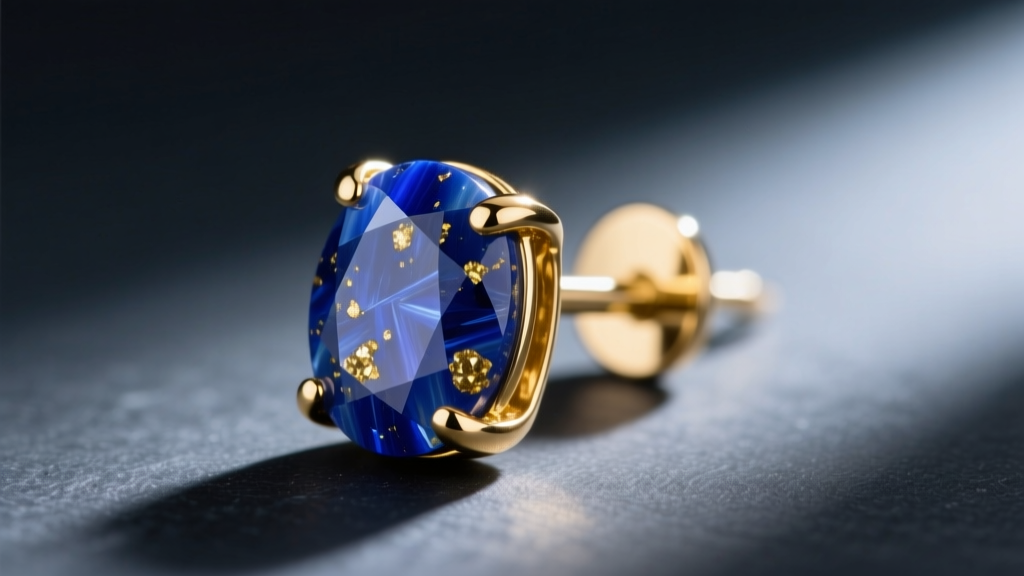
If you are drawn to the deep blues of Lapis Lazuli or the rich reds of Carnelian—both highly prized in biblical times—ensure your gemstones are ethically sourced. The GIA Gem Encyclopedia is an excellent resource for understanding the traditional origins and ethical considerations of various gemstones. Avoid stones from conflict zones and opt for vendors who provide transparent supply chain documentation.
Prioritize Hypoallergenic Posts and Secure Clasps
Regardless of the decorative front of the earring, the post that pierces your skin must be biocompatible. Always demand 14k/18k nickel-free gold, or ASTM F136 implant-grade titanium for the posts. This prevents the green skin discoloration and allergic contact dermatitis associated with cheap, mass-produced jewelry. Additionally, for valuable pieces, upgrade from standard butterfly backs to screw-backs or locking la pousette backs to ensure you do not lose your cherished adornments.
Final Thoughts on Faith and Adornment
The intersection of earrings and the Bible is not a story of strict prohibition, but a rich tapestry of cultural context, divine metaphor, and historical evolution. By understanding the original texts and the metallurgical realities of the ancient world, modern jewelry lovers can make informed, intentional choices. Whether you are selecting a pair of modest 4mm gold studs for daily wear, a historically inspired lapis lazuli drop for a special occasion, or a simple titanium huggie for sensitive cartilage piercings, you can wear your earrings with a deep appreciation for both history and personal faith.


