A Beginner's Guide to Buying Turquoise Earrings With Diamonds
Discover how to choose, authenticate, and style genuine turquoise earrings with diamonds. Learn about matrix patterns, diamond accents, and metal pairings.

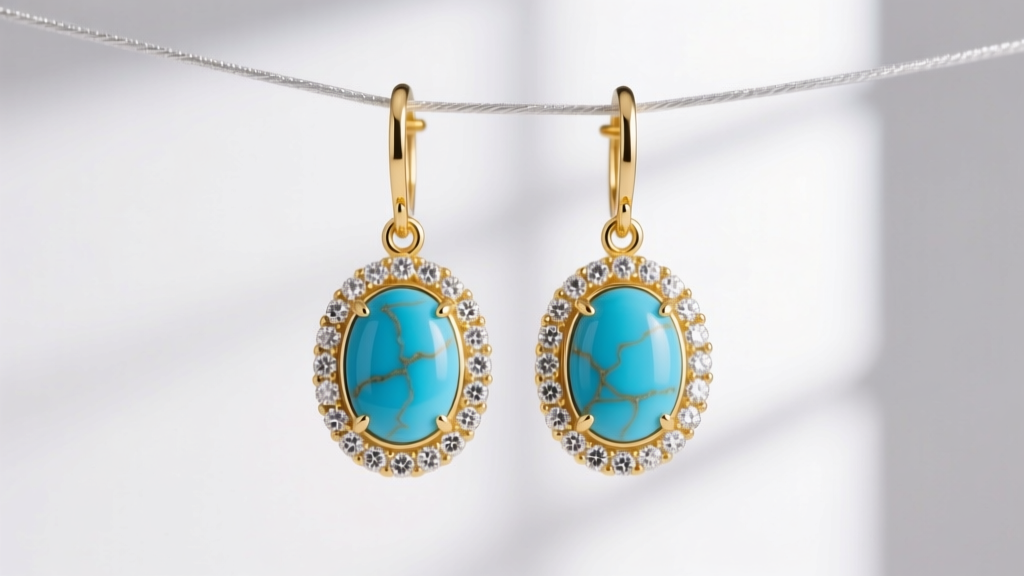
Why Turquoise and Diamonds Are the Ultimate Pairing
When it comes to fine jewelry, contrasting textures and opacities create the most visually striking pieces. For beginners stepping into the world of colored gemstones, turquoise earrings with diamonds offer a masterclass in balance. Turquoise, an opaque and deeply historic gemstone, provides a rich, matte canvas of blue or green. Diamonds, renowned for their unparalleled brilliance and light return, add a crisp, luxurious frame that elevates the turquoise from casual bohemian to high-end elegance.
However, buying these earrings requires more than just picking a pretty color. Turquoise is a porous, relatively soft gemstone (ranking 5 to 6 on the Mohs hardness scale), while diamonds are the hardest natural substance on earth (a 10 on the Mohs scale). Understanding how these two vastly different materials are cut, treated, and set together is crucial for making a smart investment. This guide will walk you through the gemological specifics, treatment realities, and pricing structures you need to know before making your first purchase.
Decoding Turquoise Quality: Color, Matrix, and Treatments
The value and durability of turquoise earrings heavily depend on the stone's origin and whether it has been treated. According to the Gemological Institute of America (GIA), natural, untreated turquoise is highly porous and prone to discoloration from skin oils and cosmetics. Therefore, understanding treatments is not about avoiding them, but about knowing what you are paying for.
The Matrix: To Web or Not to Web?
The "matrix" refers to the host rock or mineral inclusions trapped within the turquoise. Beginners often mistakenly believe that a perfectly clear stone is always more valuable, but in turquoise, the matrix tells the story of its origin and can significantly increase its worth.
- Sleeping Beauty (Arizona): Known for its solid, intense sky-blue color with little to no matrix. Highly prized for uniform, high-end diamond halo earrings.
- Kingman (Arizona): Famous for its brilliant blue color interlaced with a striking black or golden pyrite matrix. The pyrite adds a metallic flash that complements diamond accents beautifully.
- Bisbee (Arizona): Characterized by a deep blue hue with a distinct chocolate-brown or reddish webbing. Often considered the most collectible among connoisseurs.
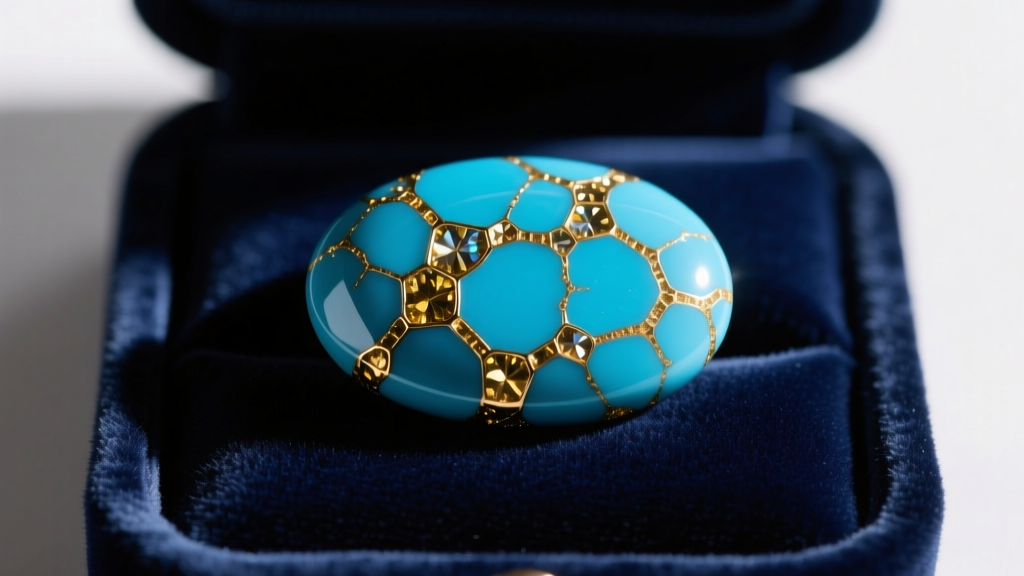
Natural vs. Stabilized vs. Dyed
It is vital to read the fine print on any jewelry listing. Here is how the market categorizes turquoise, and how it impacts the price of your earrings:
| Treatment Type | Process Description | Impact on Value & Durability |
|---|---|---|
| Natural (Untreated) | Mined, cut, and polished with no chemical alterations. | Highest value, but fragile. Prone to cracking and absorbing oils, which turns the stone green over time. |
| Stabilized | Infused with a clear epoxy or acrylic resin under pressure. | Industry standard for fine jewelry. Enhances durability and locks in color without altering the stone's natural hue. Excellent value. |
| Dyed / Color-Enhanced | Chalky, low-grade turquoise is infused with colored dyes and resins. | Lowest value. The color is artificial and can fade or rub off. Avoid for fine diamond pairings. |
| Reconstituted | Turquoise dust and chalk are mixed with resin and molded into blocks. | Not considered genuine turquoise by gemologists. Should never be set with real diamonds. |
Selecting the Right Diamond Accents
In turquoise earrings with diamonds, the diamonds are typically used as accent stones—either in a halo surrounding a turquoise cabochon or as delicate pave accents on the earring's metalwork. Because these diamonds are small, they fall into the category known as melee diamonds.
Understanding Melee Diamonds
The GIA defines melee diamonds as those weighing between 0.01 and 0.18 carats each. When evaluating the diamond accents on your turquoise earrings, focus on the cut and color rather than clarity.
- Full Cut vs. Single Cut: Single-cut melee diamonds have only 17 or 18 facets, making them look somewhat flat and glassy. Full-cut melee diamonds have the standard 57 or 58 facets of a larger round brilliant diamond. Always look for "full-cut melee" in the product description to ensure the diamond halo sparkles brilliantly against the matte turquoise.
- Color Grade: Because the diamonds are set against white metals or bright blue stones, a yellow tint will be highly visible. Aim for melee diamonds in the G to H color range (near colorless). Anything in the J-K range will look noticeably yellow and muddy next to the crisp blue turquoise.
- Clarity Grade: Since the stones are so small, inclusions are invisible to the naked eye. SI1 to SI2 clarity is perfectly acceptable and keeps the price reasonable.
Metal Pairings and Setting Styles
The metal you choose dictates the overall mood of the earrings and plays a critical role in protecting the gemstones.
Yellow Gold vs. White Gold vs. Silver
14k or 18k Yellow Gold is the most traditional and highly recommended pairing. The warm, rich tones of yellow gold create a stunning complementary contrast with the cool blues and greens of turquoise. White Gold and Platinum offer a modern, icy aesthetic that makes the white diamond accents pop, though they lack the vintage warmth of yellow gold. Sterling Silver is a classic, affordable choice, but it requires frequent polishing. Tarnished silver can sometimes transfer dark oxidation to the edges of porous turquoise if the stone is not properly stabilized or sealed.
The Importance of Bezel Settings
Never buy turquoise earrings with diamonds where the turquoise is held in by delicate prongs. Turquoise is brittle and has a conchoidal fracture, meaning it can easily chip or crack if bumped. A bezel setting—where a continuous rim of metal wraps entirely around the edge of the cabochon—is mandatory for longevity. The diamonds, being a 10 on the Mohs scale, can safely be prong-set or pave-set, but the turquoise must be fully encased in metal to protect its vulnerable girdle.
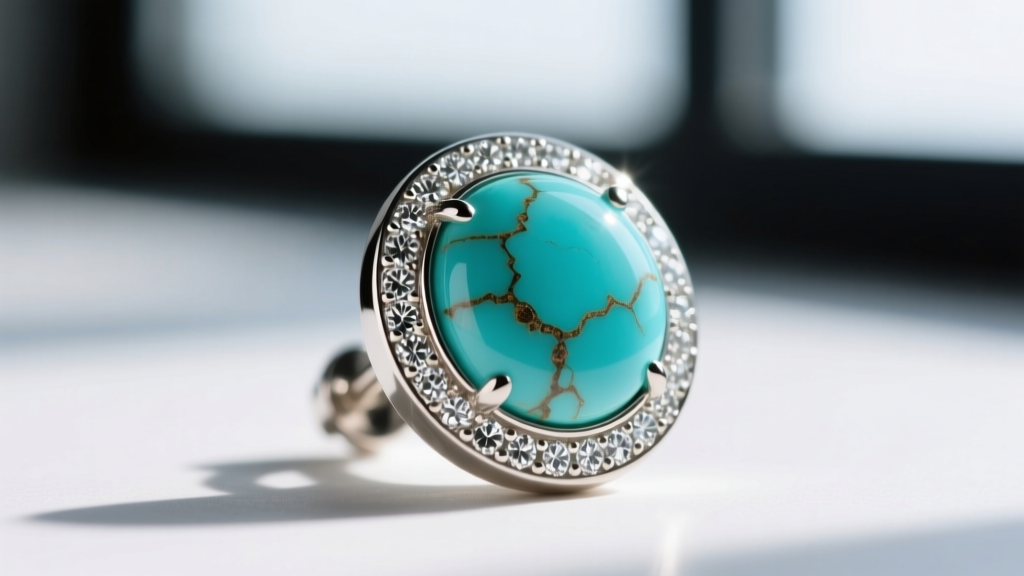
Care and Maintenance: Preserving Your Investment
Caring for a dual-gemstone piece requires navigating the delicate balance between the diamond's invincibility and the turquoise's fragility. What is safe for a diamond can instantly ruin a turquoise cabochon.
"Never use ultrasonic or steam cleaners on turquoise. The heat and harsh chemical vibrations can fracture the stone, melt stabilization resins, and permanently dull the polish." — Gemological Care Guidelines
Your Step-by-Step Cleaning Routine
- Mix a Mild Solution: Combine a few drops of gentle, phosphate-free dish soap in a bowl of lukewarm (never hot) water.
- Soft Brushing: Dip a baby-soft toothbrush into the solution and gently brush the diamond accents and the metal setting. Avoid scrubbing the turquoise directly.
- Wipe the Turquoise: Use a damp, lint-free microfiber cloth to gently wipe the surface of the turquoise cabochon to remove skin oils and makeup.
- Dry Thoroughly: Pat the earrings completely dry with a soft cloth. Do not leave them air-dry, as water spots can form on the metal and seep into any microscopic fissures in the stone.
- Storage: Store turquoise earrings in a soft pouch away from harder gemstones. Diamonds will easily scratch turquoise if they rub against each other in a jewelry box.
Pricing Guide: What Should You Expect to Pay?
The price of turquoise earrings with diamonds varies wildly based on the origin of the turquoise, the total carat weight (TCW) of the diamond melee, and the precious metal used. Below is a realistic pricing framework for the current market:
| Tier | Materials & Specifications | Estimated Price Range (USD) |
|---|---|---|
| Entry-Level | Sterling silver, stabilized generic turquoise, single-cut diamond melee (0.05 TCW). | $300 - $650 |
| Mid-Range | 14k yellow gold, stabilized Kingman or Sleeping Beauty turquoise, full-cut G-H melee diamonds (0.15 - 0.25 TCW). | $800 - $1,800 |
| High-End / Collector | 18k gold or Platinum, rare untreated Bisbee or Lander Blue turquoise, VVS melee diamonds (0.50+ TCW), custom artisan bezel work. | $2,500 - $7,000+ |
Final Thoughts for the First-Time Buyer
Purchasing turquoise earrings with diamonds is an exercise in appreciating contrasts. By prioritizing a sturdy bezel setting, insisting on full-cut melee diamonds, and accepting high-quality stabilization as a mark of durability rather than deception, you will secure a piece of jewelry that is both breathtaking and built to last a lifetime. Always request a detailed receipt that explicitly states the turquoise origin, treatment status, and diamond carat weight to ensure your investment is fully protected.


