Earrings Neon Trends 2026: Budget & Value Assessment
Assess the true value of neon earrings in 2026. Compare acrylics, enamels, and synthetic gems, plus hardware grades and pricing tiers for smart buyers.

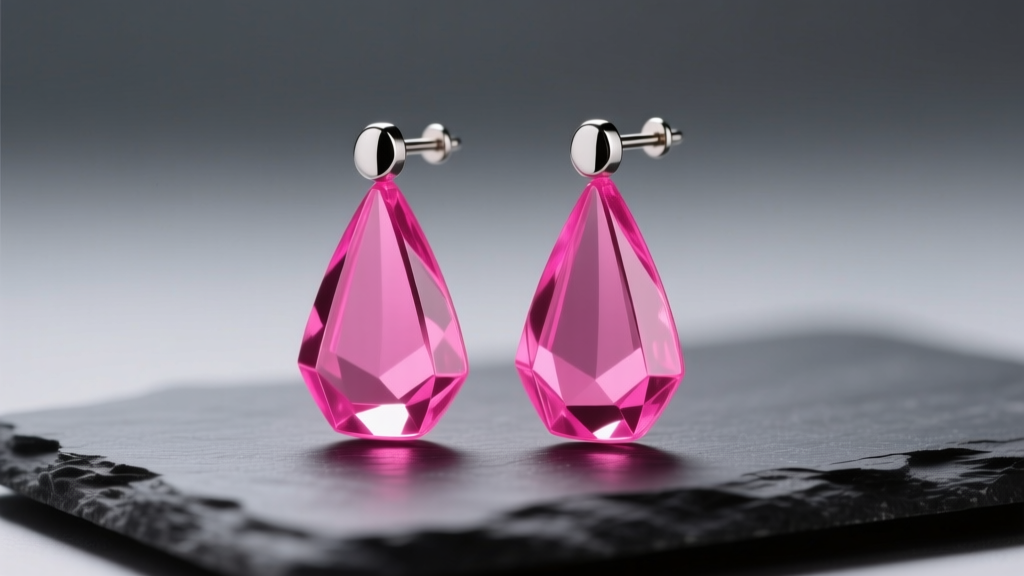
The 2026 resurgence of cyberpunk, Y2K maximalism, and festival-core aesthetics has pushed the demand for bold accessories to new heights. When curating a vibrant wardrobe, earrings neon styles offer an unmatched pop of color that instantly elevates a look. However, the market is currently flooded with everything from $4 fast-fashion plastics to $150 designer synthetic gemstones. For the discerning buyer, the challenge is no longer just finding the right shade of highlighter yellow or electric pink; it is determining which materials and construction methods actually justify their price tags.
In this comprehensive budget and value assessment, we break down the material science, hardware realities, and pricing tiers of the neon earring market. Whether you are investing in cast acrylics, vitreous enamels, or lab-created neon gemstones, understanding the cost-per-wear and degradation timelines will ensure your jewelry box retains its value long after the summer festival season ends.
The Material Matrix: Acrylic vs. Enamel vs. Synthetic
Not all neon materials are created equal. The fluorescent dyes used to create neon pigments absorb ultraviolet light and re-emit it as visible light, which inherently makes them susceptible to photodegradation. How a manufacturer encapsulates these dyes dictates the lifespan and value of the earring.
Cast Acrylic (PMMA) vs. Extruded Plastics
High-value neon acrylic earrings are crafted from cell-cast Polymethyl Methacrylate (PMMA). Cast acrylic is poured into molds, resulting in a dense, optically clear material that resists warping and yellowing. Premium indie brands often add UV stabilizers, such as benzotriazoles, to the mixture, preventing the neon pink from turning chalky white after months of sun exposure. Conversely, cheap extruded PVC or low-grade acrylics are mass-produced through rollers. They are prone to micro-fractures, edge clouding, and rapid UV fading. If a pair of neon acrylic drops costs under $10, they are almost certainly extruded and will degrade within a single season.
Epoxy Resin vs. Vitreous Enamel
For neon colors set in metal, you will encounter two vastly different processes. Budget brands use neon-tinted epoxy resin, which is essentially painted plastic that chips easily and yellows when exposed to skin oils and sunlight. High-end artisans use vitreous enamel—a process where powdered glass is kiln-fired onto a brass or silver base at over 1,400°F. While true neon vitreous enamel is rare due to the heat sensitivity of fluorescent pigments, modern ceramic-glaze hybrids offer a similar glass-like durability that justifies a $60+ price point.
Price-to-Value Matrix: What You Actually Get
To evaluate the true cost of earrings neon aesthetics, we must look beyond the sticker price and analyze the materials, hardware, and expected lifespan across three distinct market tiers.
| Tier & Price Range | Primary Materials | Hardware Quality | UV & Wear Resistance | Value Verdict |
|---|---|---|---|---|
| Fast Fashion ($5 - $15) |
Extruded PVC, Epoxy Resin, Hollow Plastics | Brass alloy with thin silver plating (high nickel risk) | Poor. Fades in 2-3 months; plating rubs off quickly. | Low. Cost-per-wear is high due to rapid degradation. |
| Mid-Tier Indie ($25 - $55) |
Cell-Cast PMMA Acrylic, UV-Resin, Laser-Cut Acetate | 316L Surgical Steel or Hypoallergenic Niobium | Good. UV stabilizers prevent chalkiness; edges stay polished. | High. Best balance of trend-forward style and durability. |
| High-End Designer ($80 - $200+) |
Synthetic Spinel, Coated Quartz, Vitreous Enamel | 14k/18k Gold Vermeil, Solid Gold, or ASTM F136 Titanium | Excellent. Gems do not fade; metals resist tarnish and corrosion. | Variable. High upfront cost, but heirloom-level longevity. |
The Hardware Trap: Why Cheap Neon Earrings Cost You More
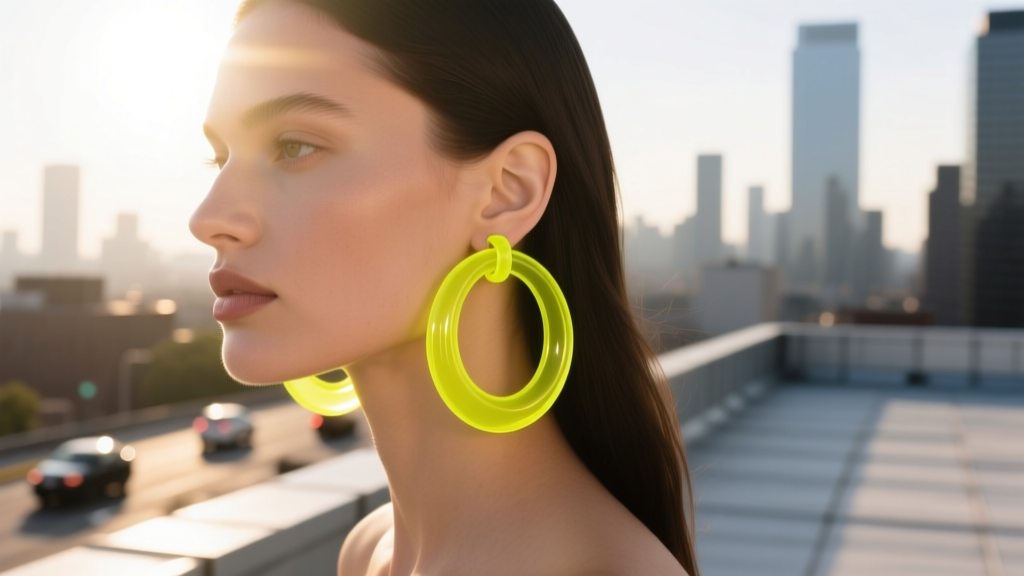
The most common failure point in budget neon jewelry is not the colorful acrylic or enamel—it is the post that goes through your ear. Fast-fashion manufacturers frequently use "mystery metals," which are typically cheap brass or zinc alloys plated with a microscopic layer of silver or gold. Within weeks, friction and skin acidity wear away this plating, exposing the underlying copper and nickel.
According to the American Academy of Dermatology, nickel allergy is one of the most common causes of allergic contact dermatitis, leading to itchy, red, and blistered earlobes. When assessing value, always verify the metal grade. For mid-tier and high-end neon earrings, look for 316L surgical stainless steel, niobium, or ASTM F136 implant-grade titanium. These metals are inert, highly corrosion-resistant, and will not compromise your ear health, making a $35 pair of titanium-post acrylics infinitely more valuable than a $6 pair of mystery-metal drops that you can only wear twice before an infection sets in.
Gauge Sizing and Structural Integrity
Budget brands also cut costs on hardware thickness. Standard lobe piercings are usually 20-gauge (0.81mm) or 18-gauge (1.02mm). Oversized neon acrylic dangles and heavy geometric hoops require the structural support of an 18-gauge or even 16-gauge (1.29mm) post. If a large, heavy neon hoop uses a flimsy 22-gauge wire, the post will bend under its own weight, causing the earring to droop awkwardly and potentially tearing the piercing channel. Always check the gauge thickness when evaluating the structural value of statement pieces.
Neon Gemstones: Evaluating the High-End Alternative
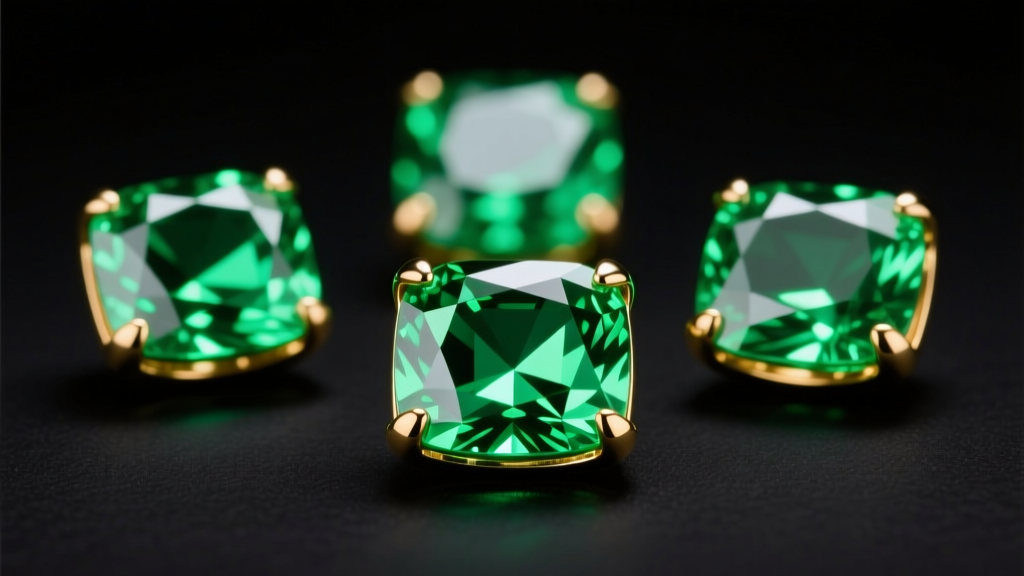
For buyers who want the neon aesthetic without the casual vibe of acrylic, lab-created gemstones offer a premium alternative. The most common stones used to achieve electric neon colors are synthetic spinel and coated mystic topaz. Synthetic spinel can be doped with specific elements during the Verneuil flame-fusion process to produce vivid, glowing neon pinks, greens, and blues that mimic the look of highlighter ink but with the refractive brilliance of a faceted gem.
As noted by the Gemological Institute of America (GIA), lab-created gemstones possess the exact same optical, physical, and chemical properties as their natural counterparts, but they are grown in controlled environments that allow for hyper-saturated, neon-like colors rarely found in nature. When evaluating high-end neon gemstone earrings, ensure the stones are bezel-set or secured with heavy prongs. Neon synthetic spinel is durable (Mohs hardness of 8), but the vibrant color is best preserved when protected from hard knocks against metal settings.
Maintenance: Protecting Your Neon Investment
To maximize the value of your purchase, proper maintenance is non-negotiable. The care routine varies drastically depending on the material you chose:
- Cast Acrylic: Never clean acrylic earrings with isopropyl alcohol, acetone, or harsh household cleaners. These solvents can cause "crazing" (a network of micro-cracks) that ruins the optical clarity of the neon dye. Instead, wash them with warm water and a drop of mild, fragrance-free dish soap, then dry with a microfiber cloth.
- Epoxy Resin: Keep resin away from prolonged direct sunlight and high heat (like the dashboard of a car), as the UV exposure will irreversibly yellow the clear coat, muddying the neon pigment underneath.
- Synthetic Gems & Enamel: Use a soft-bristled baby toothbrush and gentle jewelry cleaner to remove skin oils and lotions from the pavilion (back) of the gemstone, which can otherwise block light and dull the neon brilliance.
The 2026 Buyer’s Checklist for Maximum Value
Before adding any neon earrings to your cart, run them through this final value-assessment checklist to ensure you are getting what you pay for:
- Verify the Post Material: Is it explicitly listed as 316L steel, titanium, or solid gold? If it just says "metal alloy" or "silver-plated," walk away.
- Check the Edge Finishing: For acrylics, look for flame-polished or diamond-turned edges. Rough, matte, or cloudy edges indicate cheap laser-cutting without post-processing.
- Assess the Clasp Mechanism: For heavy neon dangles, ensure the butterfly back is solid metal with a tight grip, or opt for a secure lever-back or locking huggie mechanism to prevent loss.
- Look for UV Guarantees: Premium indie acrylic makers will often explicitly state if their PMMA is UV-stabilized. This is a hallmark of a brand that cares about the longevity of their product.
By prioritizing material integrity and hardware safety over the lowest possible price tag, you can build a vibrant, eye-catching collection of neon earrings that will remain vivid, comfortable, and structurally sound for years to come.


