How to Clean and Maintain Every Kate Spade Earring You Own
Learn expert cleaning and storage tips to protect the plating, enamel, and stones of your favorite Kate Spade earring pieces for years.

Understanding the Anatomy of a Kate Spade Earring
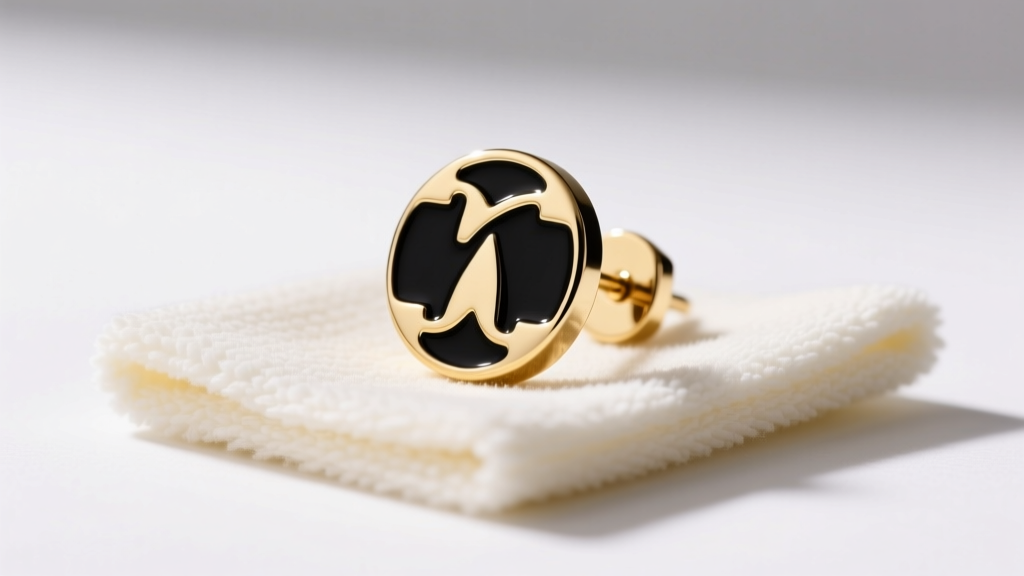
To properly care for your jewelry, you must first understand its construction. A typical Kate Spade earring is not cast from solid gold or platinum. Instead, the brand utilizes a base metal—usually a brass or copper alloy—chosen for its malleability, weight, and ability to hold intricate cast details. This base is then electroplated with a thin layer of 14k gold, rose gold, or rhodium (for silver-toned pieces). According to the Federal Trade Commission Jewelry Guides, fashion jewelry plating typically ranges from 0.5 to 1.5 microns in thickness. While beautiful, this micro-layer is highly susceptible to friction, chemical degradation, and moisture.
Furthermore, the iconic brand frequently incorporates epoxy-based enamel (the signature glossy black or colorful accents), foil-backed glass stones, and machine-cut cubic zirconia (CZ). These elements are often secured using specialized jeweler's epoxies rather than traditional solid metal prongs. In many designs, the prongs themselves are cast directly into the brass base before plating, meaning they are relatively soft. This specific material matrix dictates a strict, gentle cleaning protocol to prevent stripping the plating, dissolving the adhesive, or bending the delicate settings.
The Step-by-Step Cleaning Protocol
When it is time to clean your favorite Kate Spade earring, abandon the harsh chemicals and reach for gentle, household alternatives. The goal is to remove sebum, dead skin cells, and cosmetic residue without compromising the metallic finish or clouding the stones.
What You Need
- Mild, lotion-free dish soap (e.g., original blue Dawn)
- Lukewarm distilled or filtered water (avoid hard tap water to prevent mineral spots)
- An ultra-soft baby toothbrush or a dedicated, clean makeup brush
- A lint-free microfiber cloth
- A hairdryer with a "cool" air setting
The Gentle Wash Method
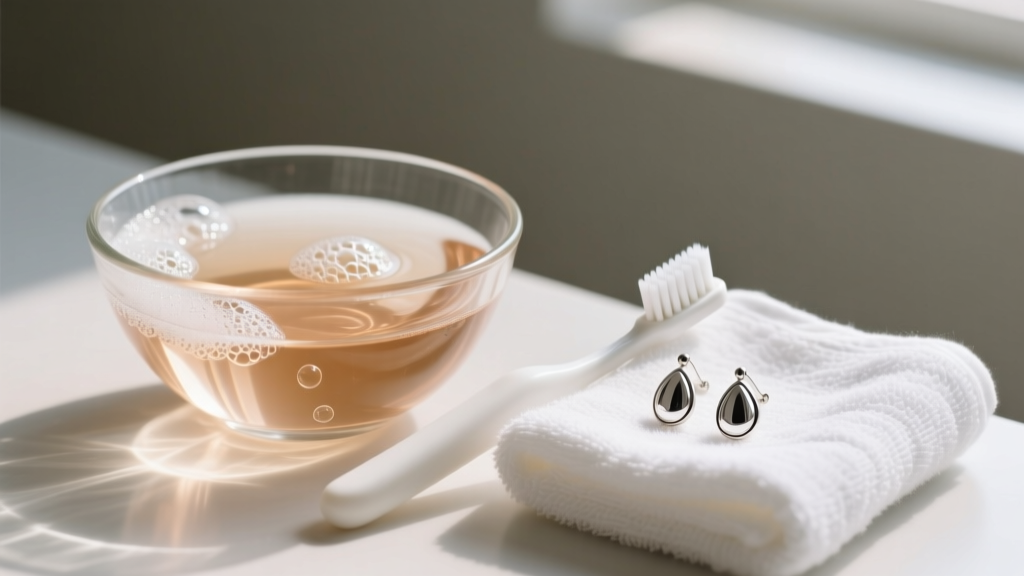
- Prepare the Solution: Mix two drops of mild dish soap into a small glass bowl of lukewarm water. Avoid hot water, as extreme temperature shifts can cause the epoxy settings to expand and contract, potentially loosening stones.
- Soak Briefly: Submerge the earrings for no more than 3 to 5 minutes. This softens accumulated lotions and skin oils without penetrating the microscopic seams of the settings.
- Agitate Gently: Using the baby toothbrush, lightly brush the crevices, especially behind the settings and along the earring post. Never scrub the enamel or plated surfaces aggressively; let the bristles do the work.
- Rinse and Dry: Rinse quickly under a gentle stream of distilled water. Immediately pat dry with the microfiber cloth, then use the hairdryer on the cool setting to blow moisture out of the microscopic crevices. Trapped water is the primary catalyst for base-metal oxidation and post degradation.
Critical Cleaning Mistakes to Avoid
Misguided cleaning attempts cause more damage to fashion jewelry than daily wear. To preserve the integrity of your pieces, strictly avoid the following common pitfalls:
- Ultrasonic Cleaners: These devices use high-frequency sound waves to create microscopic cavitation bubbles. While excellent for solid diamonds, the violent vibrations will shatter glass stones, strip foil backings, and shake CZs right out of their epoxy settings.
- Silver Dip and Tarnish Removers: Chemical dips designed for sterling silver will instantly strip rhodium and gold plating from brass, leaving you with a dull, raw copper base that will rapidly oxidize.
- Alcohol and Acetone: Rubbing alcohol or nail polish remover will cloud the foil backing of glass stones, degrade the glossy finish of epoxy enamel, and weaken jeweler's adhesives.
- Treated Polishing Cloths: Cloths infused with jeweler's rouge or silver polishing compounds are too abrasive for micro-plating and will literally buff the gold right off the earring.
For deeper insights into safe gemstone and metal care, the Gemological Institute of America (GIA) recommends sticking to mild soap and water for any porous or treated materials, which perfectly aligns with the care required for plated fashion jewelry.
Strategic Storage and Tarnish Prevention
Tarnish is a chemical reaction between the base metals (or the alloys within the plating) and sulfur compounds in the air, accelerated by humidity and ambient heat. Proper storage is your first line of defense. The Jewelers of America emphasizes that keeping jewelry in a dry, enclosed environment drastically slows oxidation.
| Storage Method | Tarnish Protection | Scratch Risk | Best Use Case |
|---|---|---|---|
| Original Polybag | High | Low | Daily wear pieces; keeps air out effectively. |
| Open Jewelry Dish | None | Medium | Display only. High risk of rapid tarnishing. |
| Anti-Tarnish Cloth Pouch | Very High | Very Low | Long-term storage; cloth absorbs sulfur gases. |
| Velvet Box (No Strips) | Low | Low | Short-term gifting; velvet traps ambient moisture. |
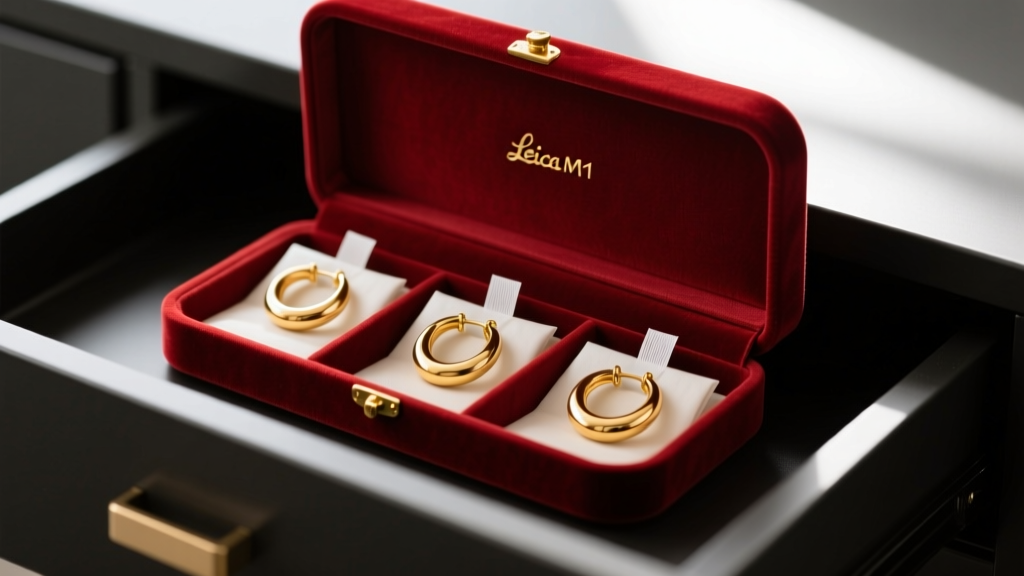
For optimal longevity, store each Kate Spade earring in its own individual anti-tarnish ziplock bag with a small 3M anti-tarnish strip. Keep the bags in a dark drawer away from the bathroom, as the high humidity from showers will rapidly degrade the plating over time.
Troubleshooting Common Wear Issues
The "Green Ear" Phenomenon
If your skin turns green or black where the earring rests, it is not an allergic reaction; it is a chemical reaction. The copper within the brass base metal reacts with the acids and salts in your sweat or the lotions you wear. While Kate Spade typically uses surgical steel for the actual ear post, the decorative brass elements can still brush against your lobe. The Fix: Paint a thin layer of clear nail polish over the specific brass contact points and let it dry completely. This creates an invisible polymer barrier between the metal and your skin.
Loose Cubic Zirconia or Glass Stones
If a stone becomes loose or falls out, do not use cyanoacrylate (Super Glue). Super glue "blooms" as it cures, leaving a permanent, frosty white residue that will ruin the sparkle of a CZ and cloud the surrounding enamel. The Fix: Purchase a tube of G-S Hypo Cement or E6000 jewelry adhesive. Apply a microscopic dot using a toothpick, seat the stone, and let it cure on a flat surface for 24 hours.
Bent Earring Posts
Surgical steel posts are relatively soft compared to titanium or platinum. If your post bends, do not repeatedly bend it back and forth, as work-hardening will cause the metal to snap at the base. The Fix: Use a pair of nylon-jaw jewelry pliers to gently realign the post in one smooth, deliberate motion.
Dull or Scratched Enamel
Epoxy enamel is essentially a hard plastic resin. Once it is deeply scratched, it cannot be polished out without risking the surrounding metal plating. Preventative care is the only true solution. Always put your earrings on after applying perfume, hairspray, and lotions, and take them off before exercising or swimming.
Final Thoughts on Fashion Jewelry Longevity
A well-maintained Kate Spade earring can retain its brilliant finish and structural integrity for many years. By understanding the delicate nature of micro-plating and epoxy settings, and by committing to a gentle, chemical-free cleaning routine, you ensure that your favorite pieces remain a vibrant part of your rotation. Treat your fashion jewelry with the same respect you would give to fine jewelry, and it will continue to elevate your style without showing its age.


