How to Wear Earrings: Orange Tones for Every Skin Undertone
Discover how to style orange earrings. Learn about carnelian, amber, and enamel options, plus expert tips on matching orange tones to your skin undertone.

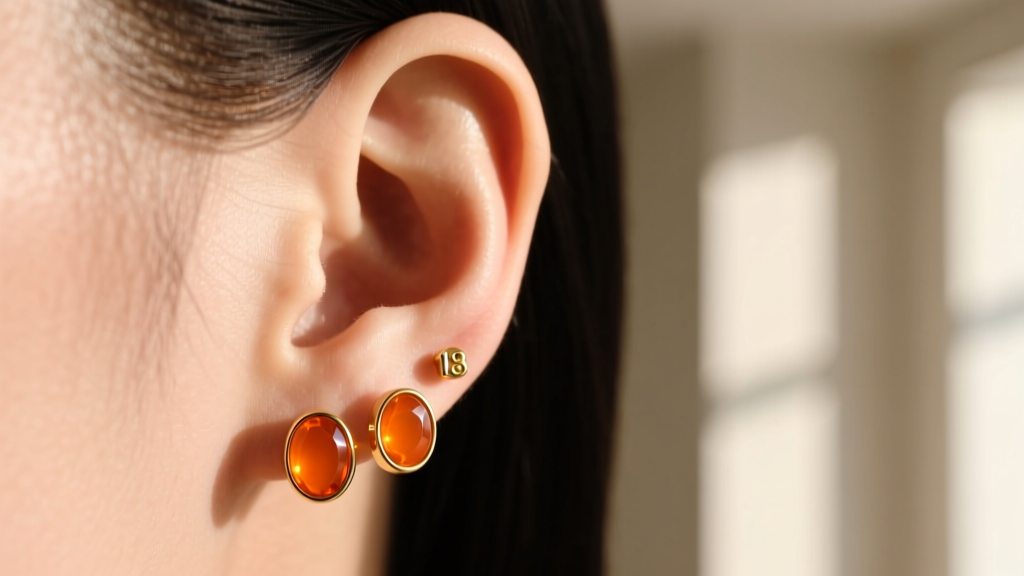
The Rise of Sunset Hues in 2026 Jewelry Trends
Orange is no longer just an accent color reserved for autumn wardrobes. In 2026, sunset-inspired hues—ranging from deep terracotta to vibrant tangerine—have dominated runways and everyday street style alike. For beginners looking to expand their jewelry boxes beyond basic gold and silver, incorporating warm, energetic tones is the perfect next step. If you have been hesitant about wearing bold colors, understanding the material science and color theory behind these pieces will give you the confidence to pull them off effortlessly.
Many stylists recommend that when categorizing your collection, you separate everyday neutral metals from statement pieces; this is where earrings orange in hue truly shine. Whether you are drawn to the ancient allure of organic gemstones or the modern durability of vitreous enamel, this beginner-friendly guide will walk you through everything you need to know about selecting, styling, and caring for orange-toned ear jewelry.
Decoding Orange Gemstones: Hardness, Price, and Care
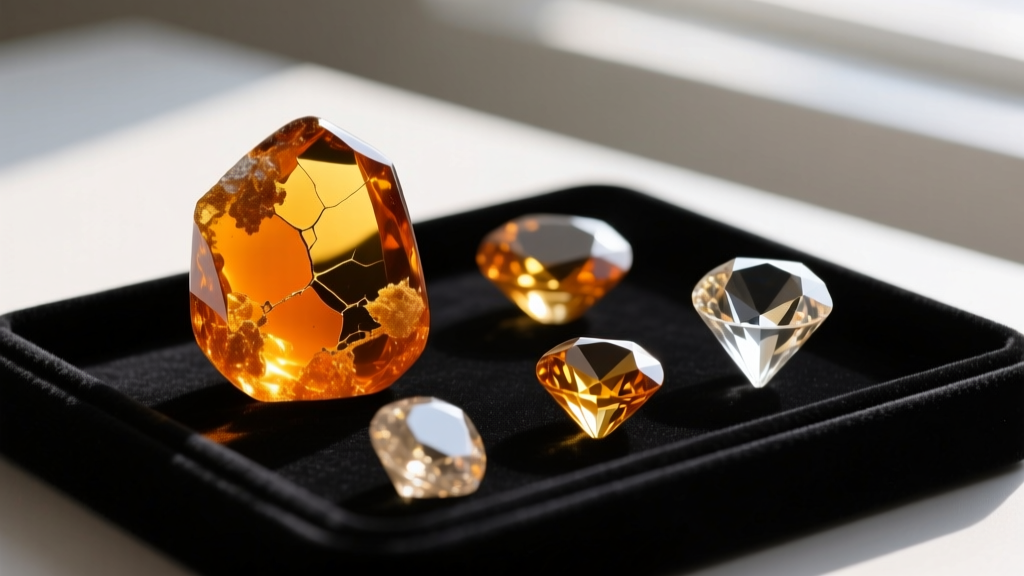
Not all orange stones are created equal. When choosing gemstone earrings, you must consider the Mohs scale of mineral hardness. This scale determines how easily a stone will scratch or chip when exposed to daily wear, hair brushing, or accidental drops. According to the Gemological Institute of America (GIA), understanding these physical properties is crucial for longevity.
| Gemstone | Mohs Hardness | Price Range (8mm Studs) | Best Earring Style | Care Instructions |
|---|---|---|---|---|
| Carnelian | 6.5 - 7.0 | $30 - $85 | Studs, Dangles | Wipe with warm soapy water; avoid ultrasonic cleaners. |
| Citrine | 7.0 | $40 - $120 | Faceted Studs, Hoops | Safe for ultrasonic; avoid prolonged direct sunlight to prevent fading. |
| Amber | 2.0 - 2.5 | $20 - $90 | Lightweight Drops | Wipe only with a damp cloth; keep away from perfumes and hairspray. |
| Sunstone | 6.0 - 6.5 | $50 - $150 | Cabochon Studs | Clean with mild soap; avoid harsh chemicals that can dull the aventurescence. |
Beginner Takeaway: If you want a durable, everyday stud, opt for Citrine or Carnelian. If you prefer lightweight, oversized dangles, Amber is incredibly light, but requires meticulous care to avoid scratching.
Enamel vs. Resin: The Modern Alternatives
If natural gemstones feel too fragile or expensive, enamel and resin offer fantastic alternatives for achieving that perfect orange pop. However, beginners often confuse the two, leading to disappointment when their jewelry degrades over time.
Vitreous Enamel (Hot Enamel)
Vitreous enamel is essentially powdered glass fused to a metal base (usually sterling silver or gold) at extremely high temperatures. The result is a glossy, scratch-resistant finish that will never yellow. A pair of 14k gold and orange vitreous enamel huggies will typically cost between $150 and $400, but they are heirloom-quality pieces that can last generations.
Cold Enamel (Epoxy Resin)
Cold enamel is actually a colored epoxy resin painted or poured into metal settings. It is highly affordable, with orange resin hoop earrings often retailing for $15 to $45. While beautiful, resin is susceptible to UV damage and can develop a yellowish tint over time if exposed to direct sunlight frequently. Furthermore, resin can melt or warp if exposed to high heat, so never wear resin earrings in a sauna or leave them on a hot car dashboard.
Matching Orange to Your Skin Undertone
The most common mistake beginners make is buying a color that clashes with their natural skin undertone. Orange is a complex color family, and finding your perfect match requires a quick undertone check. Look at the veins on the inside of your wrist under natural light: if they appear green, you likely have warm undertones; if they appear blue or purple, you have cool undertones; if you cannot quite tell, you are likely neutral.
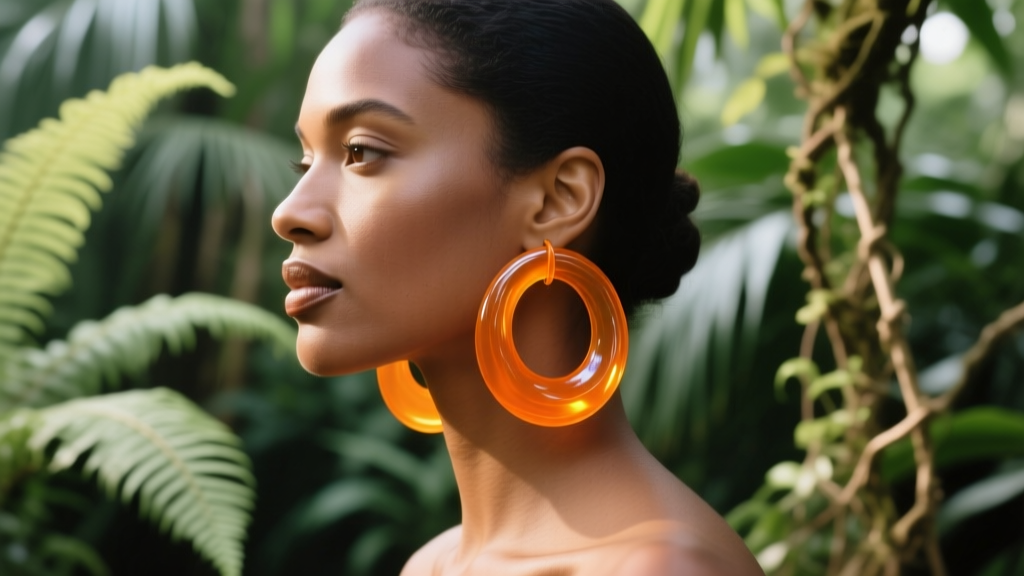
For Warm Undertones
Warm skin tones glow when paired with earthy, grounded oranges. Look for earrings featuring burnt orange, terracotta, rust, and deep amber. Carnelian cabochons set in yellow gold or rose gold will harmonize beautifully with your skin, creating a cohesive, sun-kissed look.
For Cool Undertones
Cool skin tones can easily be washed out by muddy or brownish oranges. Instead, seek out bright, clear, and slightly pink-leaning oranges. Tangerine, coral, and bright peach are your best friends. Pair these shades with white gold, platinum, or silver settings to maintain a crisp, high-contrast aesthetic.
For Neutral Undertones
You have the ultimate freedom. Neutral undertones can pull off everything from vibrant neon orange acrylics to muted, vintage apricot enamels. Experiment with mixed-metal settings that feature both gold and silver to bridge the gap between your jewelry and your skin.
Sizing, Gauges, and Weight Management
When buying orange earrings online, understanding gauge sizes and weight distribution is vital for comfort. Standard lobe piercings are typically done at 20-gauge (0.81mm) or 18-gauge (1.02mm). Most commercial earrings will feature 20G posts, which are universally comfortable for healed lobes.
However, orange gemstones like carnelian and sunstone are relatively dense. A large, carved carnelian teardrop dangle can easily weigh over 8 grams per earring. This weight can cause the earring to droop forward, stretching the piercing over time and causing discomfort.
Expert Troubleshooting: To prevent heavy orange gemstone dangles from drooping, swap out standard metal butterfly backs for silicone O-ring earring backers or plastic disc backs. These provide a wider surface area against the back of your earlobe, distributing the weight evenly and keeping the stone facing forward. The Jewelers of America also recommends regularly checking the prongs on heavy stone earrings, as the downward pull can loosen settings over time.
Building Your Orange Collection
Start your journey with a versatile pair of 18-gauge citrine or carnelian studs in a bezel setting. Bezel settings (where a metal rim completely encircles the stone) are far superior to prong settings for beginners, as they protect the edges of the gemstone from chipping during daily activities. Once you are comfortable styling these subtle pops of color, graduate to terracotta enamel huggies or lightweight amber hoops. By respecting the material properties and your unique skin undertone, you will master the art of wearing orange earrings with absolute confidence.


