How to Convert Clip On Earrings Into Pierced & Maintain Them
Learn how to safely convert clip on earrings into pierced styles. Expert tips on soldering, material grades, and post-conversion cleaning care.

The 2026 Vintage Jewelry Boom: Why Convert Clip-Ons?
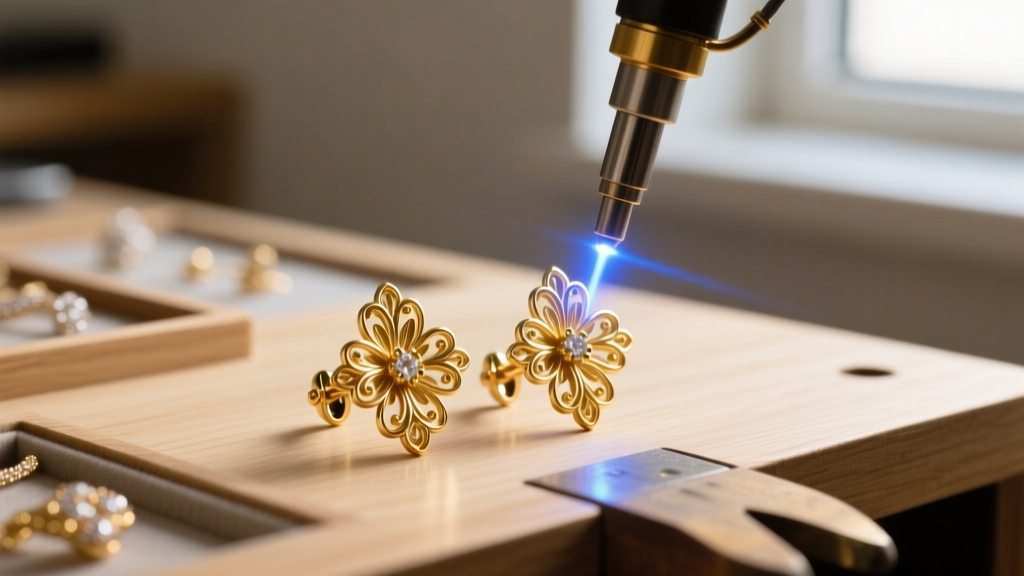
The secondary jewelry market has experienced a massive resurgence in 2026, with collectors and enthusiasts eagerly hunting for mid-century and Art Deco pieces. However, a significant portion of these heirloom treasures feature clip-on or screw-back mechanisms, reflecting an era before ear piercing was universally mainstream. Learning how to safely convert clip on earrings into pierced styles is only half the battle; understanding the metallurgical and gemological care required after modification is what separates a ruined heirloom from a lifelong staple. When you alter a vintage piece, you introduce new stress points, foreign metals, and potential vulnerabilities that demand a specialized maintenance routine.
Pre-Conversion Assessment: Metal Purity and Structural Integrity
Before a jeweler even touches a torch or laser to your vintage clip-ons, a rigorous material assessment is mandatory. The cleaning and care protocols you will need post-conversion depend entirely on the base metal.
- Solid 14k or 18k Gold: The ideal candidate for laser soldering. It withstands heat well and accepts new gold posts seamlessly.
- Gold-Filled or Rolled Gold Plate: Highly problematic. These pieces feature a thin layer of gold mechanically bonded to a brass or copper core. Heating them causes 'outgassing' from the base metal, resulting in porous, brittle solder joints that require careful, non-abrasive cleaning to prevent accelerated tarnishing.
- Vermeil (Gold over Sterling Silver): Requires extreme care. The melting point of the silver base is lower than that of the gold post, necessitating low-heat pulse-arc welding rather than traditional torch soldering.
If your vintage earrings are heavily oxidized, they must be professionally cleaned with a mild, non-ammoniated solution prior to conversion. Decades of trapped sebum, cosmetics, and environmental sulfur can interfere with the solder flow, leading to weak joints that snap under the daily friction of putting on and taking off your earrings.
Selecting the Right Pierced Post: Gauges and Metallurgy
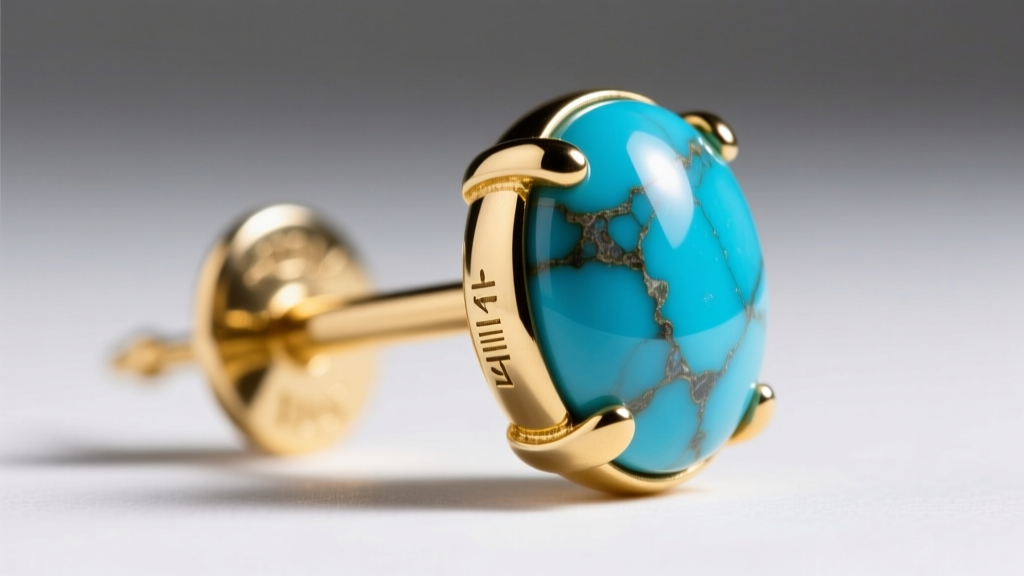
When you convert clip on earrings into pierced designs, the choice of the new earring post dictates your long-term ear health and maintenance schedule. Standard vintage conversions often default to 20-gauge (0.81mm) or 18-gauge (1.02mm) posts. For heavier vintage dangles or chandelier styles, an 18-gauge post is structurally necessary to prevent the wire from bending and warping the solder joint over time.
Material Grades for Sensitive Ears
If you have metal sensitivities, do not settle for standard 'hypoallergenic' sterling silver posts, which often contain trace nickel or copper. Request ASTM F136 Implant-Grade Titanium posts. Titanium requires specialized laser welding to attach to gold or silver backings, but it completely eliminates the risk of contact dermatitis and requires virtually zero maintenance beyond basic hygiene, as it does not oxidize or tarnish in the ear canal.
Conversion Methods: Soldering vs. Mechanical Adhesives
The method your jeweler uses to attach the new post will fundamentally alter how you clean and care for the earrings for the rest of their lifespan. Below is a breakdown of the primary conversion techniques and their associated maintenance profiles.
| Conversion Method | Durability | Heat Risk to Stones | Post-Conversion Care Focus |
|---|---|---|---|
| Laser Pulse Welding | Excellent (Permanent) | Minimal (Pinpoint heat) | Checking for micro-fractures; standard ultrasonic safe (if stones allow). |
| Torch Soldering | Excellent (Permanent) | High (Requires stone removal) | Removing residual flux; polishing fire-scale from the backplate. |
| 2-Part Epoxy Adhesive | Poor (Temporary) | None | Avoiding alcohol, acetone, and hot water which dissolve the resin. |
| Mechanical Converters | Moderate (Removable) | None | Frequent tightening of the tension pad; cleaning trapped debris in the hinge. |
Expert Insight: Never allow a jeweler to use cyanoacrylate (Super Glue) or standard jewelry epoxy to convert fine vintage pieces. These adhesives degrade when exposed to the natural oils of your skin, hairspray, and perfume, inevitably leading to the loss of the earring post and potential damage to the vintage backing when trying to scrape the residue off.
Post-Conversion Care: Protecting the Solder Joint
Once your clip-ons have been successfully converted, the newly created solder joint is the most vulnerable point on the jewelry. Even with precision laser welding, the introduction of a rigid post to a potentially flexible vintage backplate creates a fulcrum point. To maintain structural integrity, always grip the earring by its base or the post itself when inserting it into your ear—never pull or push by the decorative front element, as this creates shear stress that can snap the post clean off.
Gemstone-Specific Cleaning After Modification
Vintage earrings frequently feature porous or fractured gemstones that are highly sensitive to modern cleaning methods. According to the Gemological Institute of America (GIA), ultrasonic cleaners use high-frequency sound waves to create microscopic bubbles that implode, dislodging dirt. While excellent for modern diamonds, this process can shatter vintage stones with internal fractures or strip the treatments from porous gems.
Stone Care Matrix for Converted Vintage Pieces
- Turquoise, Opal, and Lapis Lazuli: Never use ultrasonic or steam cleaners. Clean only with a damp, lint-free microfiber cloth. Moisture trapped behind the new earring post can seep into the porous stone backing, causing discoloration.
- Emeralds (Oil-Treated): Ultrasonic waves will strip the cedar oil used to mask natural fissures in vintage emeralds, leaving them looking cloudy and fractured. Use a soft baby toothbrush with lukewarm water and a drop of pH-neutral dish soap.
- Diamonds, Sapphires, and Rubies: Generally safe for ultrasonic cleaning, provided the prongs were not loosened during the post-soldering process. Always inspect the prongs with a 10x jeweler's loupe before placing them in a sonic bath.
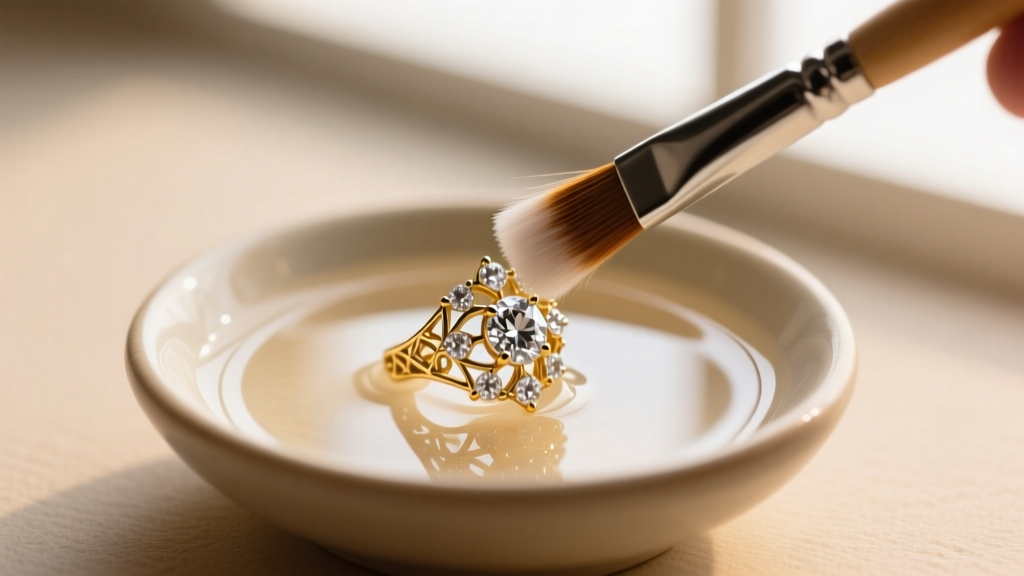
For deep cleaning the intricate filigree work common in 1940s Retro-period earrings, the American Gem Society (AGS) recommends soaking the pieces in a solution of warm water and a few drops of mild, ammonia-free dish detergent for 15 minutes, followed by gentle agitation with a soft-bristled brush. Pay special attention to the area where the new post meets the vintage backplate, as this crevice easily traps dead skin cells and cosmetic residue.
Long-Term Maintenance Schedule
To ensure your newly converted pierced earrings remain secure and hygienic, adhere to this professional maintenance framework:
- Weekly: Wipe the earring posts and butterfly backs (or screw-backs) with an alcohol prep pad to remove sebum and prevent bacterial buildup, which can cause earlobe infections. Ensure the alcohol does not pool against porous gemstones.
- Monthly: Inspect the solder joint where the post meets the earring back using a magnifying glass. Look for dark lines indicating metal fatigue or micro-cracks. Check that the earring back (clutch) provides adequate tension; if it slides on too easily, it is at risk of falling out and losing the vintage piece.
- Annually: Take the earrings to a bench jeweler for a professional 'prong and post' check. The jeweler will use a steam cleaner to blast away compacted debris from the conversion joint and will lightly polish the post to remove microscopic burrs that can scratch the inside of your piercing.
Converting vintage clip-on earrings into modern pierced treasures is a brilliant way to wear history. By respecting the metallurgy of the conversion and adhering to strict, gemstone-aware cleaning protocols, you ensure that these wearable artifacts survive for another generation.


