X Earrings Guide: How to Style Cross and Intersecting Shapes
Discover everything about x earrings, from material grades and gauge sizes to styling intersecting and cross-shaped designs for every face shape.

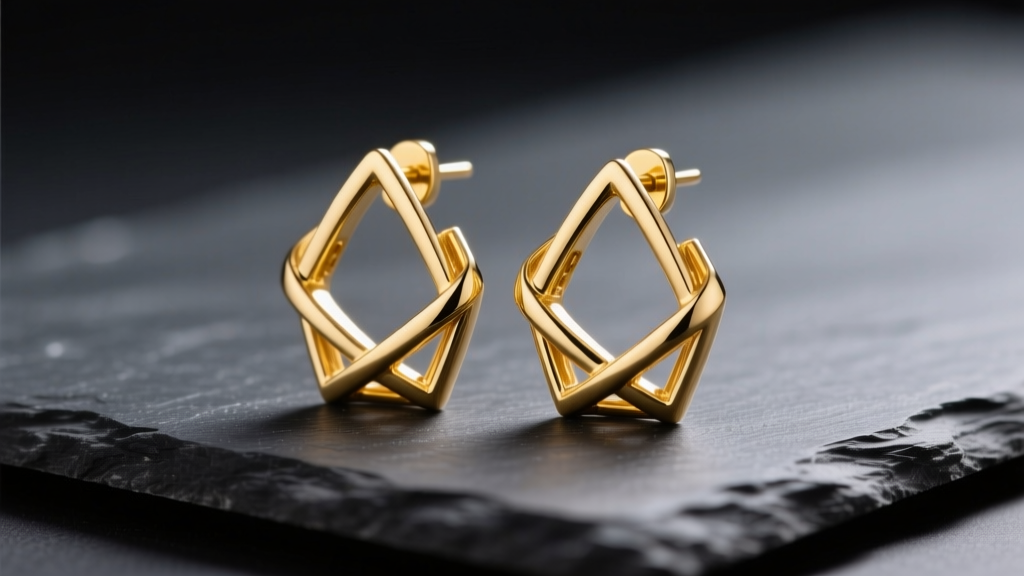
What Are X Earrings? Decoding the Intersecting Motif
When navigating the vast landscape of ear adornments, x earrings stand out as a striking geometric choice. Often referred to interchangeably as cross earrings, intersecting line motifs, or saltire shapes, these designs rely on the visual tension of two diagonal lines crossing a central axis. Unlike simple studs or continuous hoops, the X shape introduces sharp angles and dynamic movement, making it a favorite for both minimalist lobe piercings and elaborate cartilage curations.
However, the structural reality of an intersecting design presents unique manufacturing challenges. In mass-produced jewelry, the central junction where the two lines meet is often a weak point. Stamped metals frequently rely on superficial laser soldering at this cross-section, which can snap under minor torsion or accidental snagging. For long-lasting wear, seek out cast, die-struck, or CNC-machined x earrings where the intersecting shape is formed from a single, continuous piece of metal without structural seams.
Material Grades: Avoiding Contact Dermatitis
Because the sharp angles of x earrings can create micro-abrasions if they shift against the skin, choosing hypoallergenic materials is non-negotiable. The diagonal lines of the X can catch on hair or clothing, pulling the post slightly and irritating the fistula (the piercing hole). According to the Association of Professional Piercers (APP), only specific implant-grade metals should be worn in fresh or easily irritated piercings.
| Material | Grade / Standard | Nickel Content | Best Use Case | Avg. Price Range |
|---|---|---|---|---|
| Titanium | ASTM F-136 (Implant Grade) | 0% (Nickel-Free) | Fresh piercings, highly sensitive lobes | $40 - $120 |
| Surgical Steel | 316L or 316LVM | Low (8-12%) | Healed lobes, budget-friendly fashion | $15 - $45 |
| Yellow Gold | 14k or 18k Solid | Varies by alloy | Everyday luxury, heirloom pieces | $150 - $600+ |
| Sterling Silver | 925 (Often Rhodium Plated) | 0% (but contains Copper) | Occasional wear, healed cartilage | $30 - $90 |
Beginners should avoid "gold-plated" or "silver-toned" brass alloys. The Gemological Institute of America (GIA) notes that base metals plated with thin layers of gold will quickly wear down at high-friction areas—like the post and the sharp outer corners of an X shape—exposing the skin to reactive alloys that cause green discoloration and contact dermatitis.
Gauge Sizes and the "Cheese Cutter" Effect
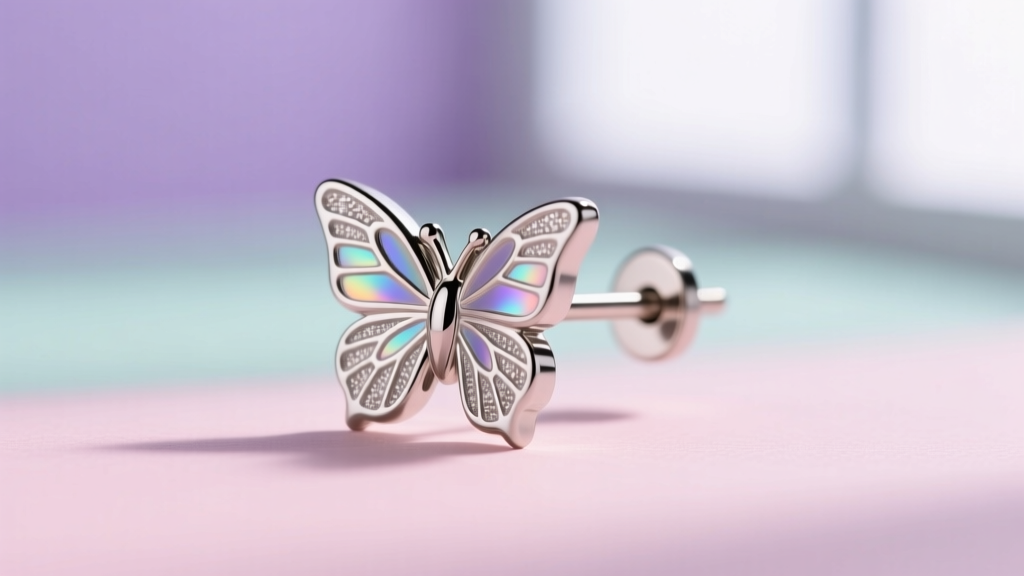
The gauge (thickness) of the earring post is critical when dealing with geometric shapes that have uneven weight distribution. A standard lobe piercing is typically 20-gauge (0.81mm) or 18-gauge (1.02mm). However, x earrings often feature a heavier top-heavy silhouette due to the extra metal required for the intersecting arms.
- The Cheese Cutter Effect: If a heavy 14k gold X earring weighing over 4 grams is suspended on a thin 22-gauge wire, the downward force will slowly slice through the earlobe tissue over time, migrating the piercing downward.
- The Solution: Always opt for 18-gauge or 16-gauge (1.29mm) posts for structural X motifs. If your piercing is currently 20-gauge, consult a professional piercer about safely stretching the lobe to 18-gauge to accommodate the weight of the intersecting design.
- Cartilage Considerations: For helix or flat piercings, 16-gauge is the industry standard. Ensure the post length is at least 5/16" (8mm) to account for the natural swelling of cartilage, especially since the wide profile of an X earring can trap moisture against the skin if fitted too tightly.
Face Shape Pairing: The Optical Illusion of Diagonal Lines
The human eye naturally follows diagonal lines, making x earrings a powerful tool for facial contouring. Unlike horizontal lines that widen, or vertical lines that elongate, the intersecting diagonals of an X create a focal point that draws attention to the center of the face while adding angularity to the jawline.
Round and Square Face Shapes
For round faces, elongated X-shaped drop earrings introduce much-needed verticality and sharp angles, breaking up the softness of the cheekbones. Choose a design where the vertical axis of the X is 20% longer than the horizontal axis, aiming for a drop length between 1.5 inches and 2.5 inches to properly frame the jaw. For square faces, avoid thick, blocky cross motifs that mirror a strong jawline. Instead, opt for delicate, wire-thin x earrings with rounded bezels to soften the facial geometry without adding visual bulk.
Oval and Heart Face Shapes
Oval faces can pull off virtually any proportion of intersecting jewelry, from perfectly symmetrical crosses to abstract, asymmetrical X shapes. Heart-shaped faces, characterized by a wider forehead and narrow chin, benefit from bottom-heavy X designs or huggie hoops featuring a small X charm that adds visual weight to the lower half of the ear, balancing the facial proportions.
Troubleshooting: Snagging, Soldering, and Weight Distribution
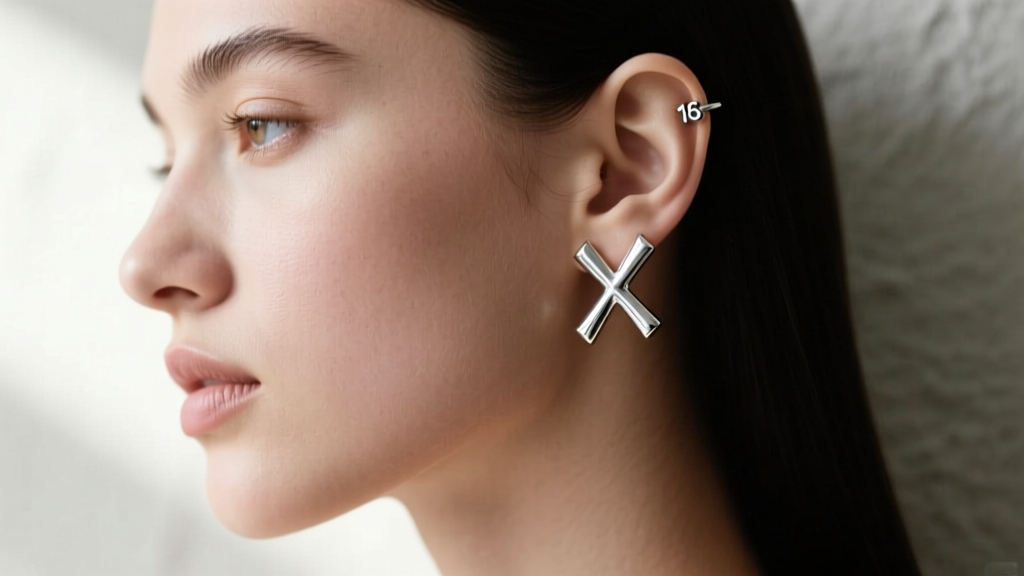
The most common complaint among beginners wearing intersecting jewelry is the tendency for the sharp outer points to snag on knit sweaters, towels, and hair. This is not just an annoyance; a sudden snag can tear the earlobe or bend the post.
Pro Tip: When shopping for x earrings, run your fingertip over the four outer terminals of the X. If you feel sharp corners, pass on the piece. Look for "bezel-set" or "tumbled" finishes where the ends of the intersecting lines are capped with tiny spheres or polished into smooth, rounded teardrops.
Because the intersecting arms create small crevices, sebum and dead skin cells can accumulate at the central junction. Use a soft-bristled toothbrush and mild unscented soap weekly to prevent buildup that can dull the metal and harbor bacteria. Additionally, pay attention to the backing mechanism. Standard friction butterfly backs often fail to support the wide stance of an X earring, causing the design to droop forward. Upgrade to secure locking backs, such as La Pousette or screw-back mechanisms, which grip the post tightly and keep the intersecting motif perfectly parallel to the earlobe.
Pricing Tiers and Where to Buy in 2026
Understanding the pricing landscape helps beginners avoid overpaying for plated metals disguised as solid gold. Here is what you should expect to pay for quality intersecting designs this year:
- Entry-Level ($20 - $50): 316L Surgical Steel or rhodium-plated sterling silver. Brands like Mejuri and Quince offer excellent entry-level sterling options with solid structural integrity.
- Mid-Tier ($120 - $350): Solid 14k gold and ASTM F-136 titanium with genuine gemstone accents at the intersection point. Brands like Maria Tash and BVLA excel in precision-machined cartilage pieces that resist snagging.
- High-End ($500+): 18k gold with pavé diamonds or custom CNC-machined architectural pieces. At this tier, you are paying for seamless casting techniques that completely eliminate the risk of central junction snapping.
Always look for the '14k' or '925' hallmark stamp, but be aware that stamps can be faked on unverified marketplaces. Request a materials certificate or buy from reputable vendors who explicitly state their alloy compositions. By prioritizing implant-grade materials, appropriate gauge thicknesses, and snag-free terminal designs, you can confidently integrate x earrings into your daily rotation, ensuring both aesthetic impact and long-term piercing health.


