The Ultimate Earrings Stud Buying Guide: Metals, Gauges & Fit
Discover what to look for in an earrings stud purchase. Compare hypoallergenic metals, standard gauge sizes, and backing types for sensitive ears.

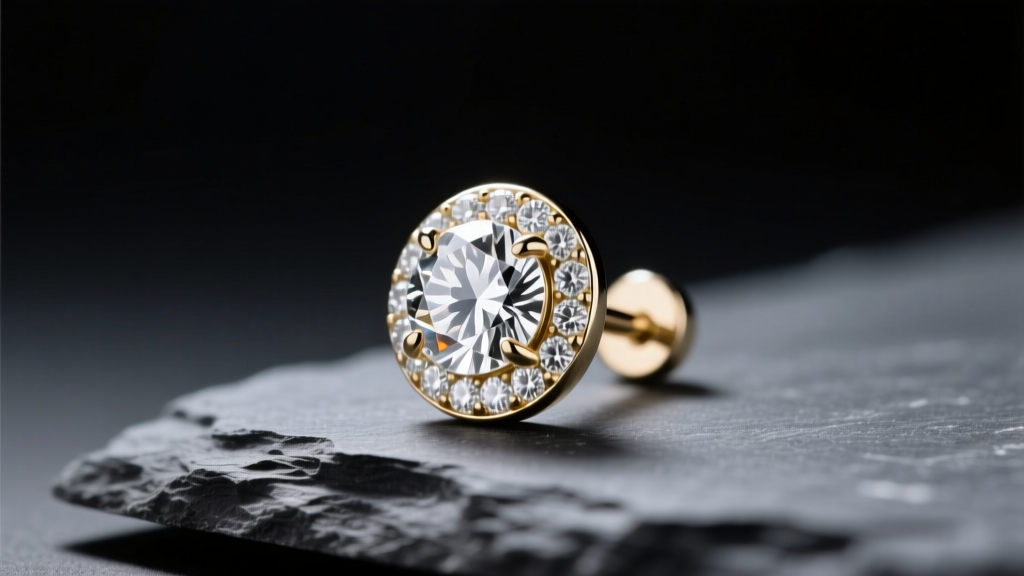
The Deceptive Simplicity of the Earrings Stud
When building a curated jewelry collection, the earrings stud is often the very first purchase and the most frequently worn piece. Yet, despite its minimalist profile, the stud earring is a complex intersection of metallurgy, biomechanics, and dermatological safety. In 2026, the market is flooded with mass-produced options that prioritize aesthetic over anatomical compatibility, leading to widespread issues like contact dermatitis, migration, and lost diamonds. This comprehensive buying guide strips away the marketing fluff to reveal exactly what you need to look for when investing in high-quality studs.
Decoding Metal Grades: Beyond the 'Hypoallergenic' Myth
The term 'hypoallergenic' is entirely unregulated in the jewelry industry. A brand can slap this label on a piece of brass coated in a microscopic layer of rhodium, which will inevitably wear off and cause a severe reaction. To protect your earlobes, you must look for specific, verifiable metal grades.
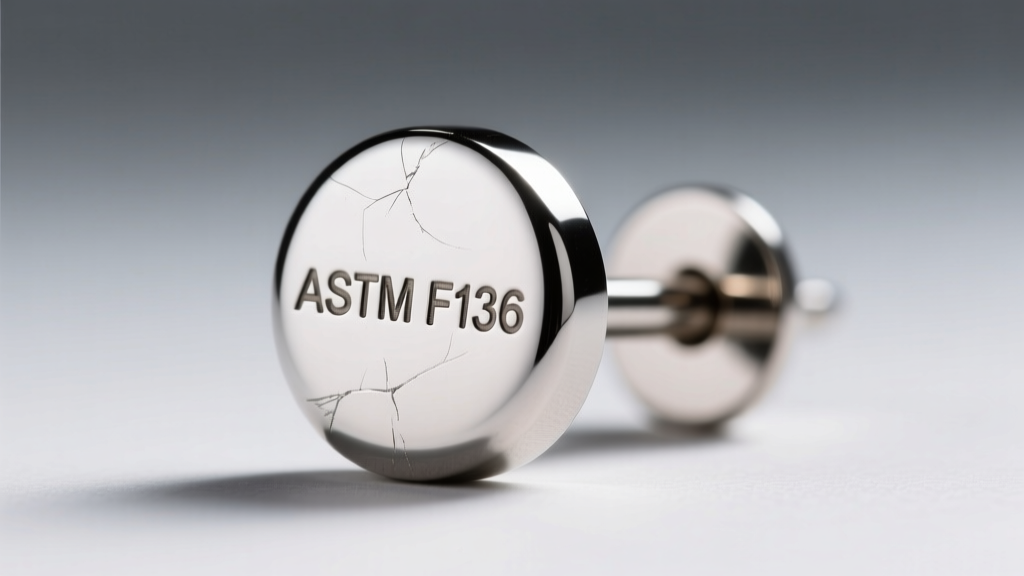
Implant-Grade Titanium (ASTM F136)
For sensitive ears, fresh piercings, or anyone prone to metal allergies, implant-grade titanium is the undisputed gold standard. Specifically, you want Ti6Al4V ELI (ASTM F136). This alloy is completely nickel-free, highly resistant to corrosion, and lightweight enough that it won't stretch the fistula (the piercing hole) over time. Beware of 'commercial grade' titanium, which may contain trace impurities that can still trigger mild sensitivities in highly reactive individuals.
The Truth About Surgical Steel and Gold Alloys
'Surgical steel' (typically 316L) is a misnomer when applied to jewelry for sensitive skin. While it is used for surgical tools, those tools are not left inside the body for years. 316L steel contains 8-12% nickel. According to the American Academy of Dermatology, nickel is the number one cause of contact dermatitis. If you have sensitive lobes, avoid surgical steel entirely.
When it comes to gold, the Gemological Institute of America (GIA) notes that pure 24k gold is too soft for jewelry. Therefore, it is alloyed with other metals. You must seek out 14k or 18k gold that is explicitly certified as nickel-free. Many white gold alloys use nickel as a whitening agent; always opt for palladium-alloyed white gold or stick to yellow and rose gold to ensure safety.
The Biomechanics of Gauge and Post Length
A common failure mode in stud earrings is improper sizing, which leads to the 'cheese-cutter effect' (where a thin post slowly migrates downward through the lobe) or embedding (where a short post gets swallowed by the earlobe). Understanding standard measurements is critical.
| Gauge Size | Millimeter (mm) | Best Use Case |
|---|---|---|
| 22G | 0.64mm | Ultra-delicate fashion studs (high risk of tearing) |
| 20G | 0.81mm | Standard commercial earrings; fine for healed, healthy lobes |
| 18G | 1.02mm | Ideal for daily wear; provides structural support to prevent migration |
| 16G | 1.29mm | Thick lobes, cartilage conversions, or heavy gemstone settings |
Post Length Matters: Standard commercial studs usually feature a 5mm or 6mm post. However, if you have thicker earlobes, or if you are sleeping in your earrings, a 6mm post can cause the backing to press tightly against the skin, restricting blood flow and causing necrosis or irritation bumps. For thick lobes or 24/7 wear, always seek out 8mm posts.
Threading and Backing Mechanisms: Security vs. Comfort
The backing mechanism dictates both the security of your investment and the health of your piercing tract.
The Problem with Butterfly Clutches
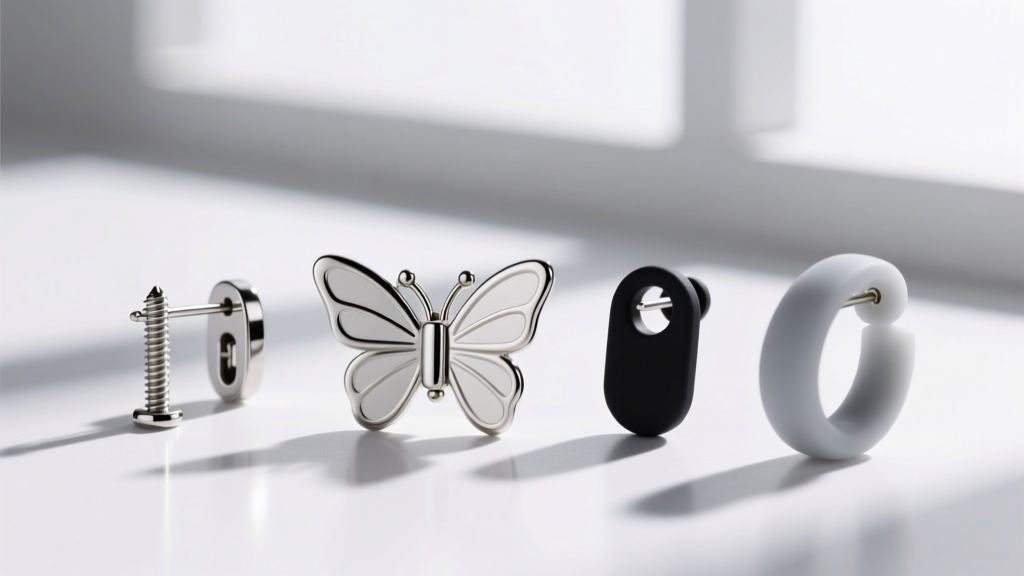
The standard friction butterfly backing is a dermatological nightmare. The tiny scrolls trap dead skin cells, sebum, and soap residue, creating a breeding ground for bacteria. Furthermore, the friction groove on the post acts like a file against the delicate fistula tissue every time you insert or remove the earring.
Threaded and Threadless (Press-Fit) Solutions
'Never wear externally threaded jewelry. The threads on the post act like a cheese grater on the piercing channel. Always opt for internally threaded or threadless press-fit systems.' - Association of Professional Piercers Guidelines.
- Internally Threaded Screw-Backs: The threading is on the inside of the backing, while the post is perfectly smooth. This guarantees zero tissue damage during insertion and provides a highly secure fit that won't fall off in your sleep or shower.
- Threadless (Press-Fit): Utilizes a slight bend in the pin that creates tension against the inside of the hollow post. This is the premium standard in high-end body jewelry, offering unmatched security and a seamless aesthetic.
- Silicone O-Rings / La-Backs: Excellent for comfort and sports, but silicone degrades over time, absorbs odors, and must be replaced every 6-12 months.
Gemstone Settings: Prong vs. Bezel
When your earrings stud features a gemstone, the setting type drastically impacts both the security of the stone and the comfort of the wearer.
Bezel Settings
A bezel setting encircles the gemstone with a thin metal rim. This is the superior choice for daily-wear studs, especially for sleepers. The smooth profile prevents the earring from catching on hair, sweaters, or pillowcases, which is the primary cause of bent posts and lost diamonds. Furthermore, a bezel setting protects the girdle (the widest edge) of the gemstone from chipping upon impact.
Prong Settings
Prong settings use small metal claws to hold the stone, allowing maximum light return and brilliance. While visually stunning for special occasions, tall prongs are notorious for snagging. If you opt for prong-set studs, ensure they feature 'low-profile' or 'V-prong' designs, and reserve them for daytime or evening wear rather than 24/7 use.
Pricing Tiers: What Should You Actually Pay?
Understanding the baseline manufacturing costs helps you avoid overpaying for brand names or underpaying for dangerous, counterfeit metals.
- Entry-Level Safe ($25 - $50): Implant-grade titanium studs with synthetic stones (CZ or lab-grown). Brands like Bodygems or Neometal dominate this space.
- Mid-Tier Solid Gold ($120 - $300): 14k solid gold, nickel-free, with no gemstone or a very small (1mm-2mm) diamond. You are paying for the raw gold weight and ethical refining.
- Premium / Fine Jewelry ($400 - $1,500+): 14k or 18k gold featuring VS-clarity, ethically sourced diamonds or precision-cut sapphires in bezel or prong settings. Brands like Maria Tash or BVLA represent the pinnacle of threadless fine jewelry.
Maintenance and Hygiene Protocols
Even the highest quality titanium or gold studs require proper maintenance to prevent localized infections or dullness.
- Daily Cleaning: Use a sterile saline wound wash (0.9% sodium chloride with no additives) to spray the front and back of the lobe. Avoid rubbing alcohol or hydrogen peroxide, which destroy healthy cellular tissue and dry out the skin.
- Deep Cleaning: Once a month, soak your studs in a small bowl of warm water with a few drops of mild, fragrance-free dish soap. Use an extra-soft baby toothbrush to gently dislodge sebum buildup from the backing and post grooves.
- Storage: Never toss loose studs into a jewelry box where the posts can scratch softer gemstones or become bent. Store them in individual silicone pods or soft microfiber pouches.
Final Pre-Purchase Checklist
Before clicking 'checkout' on any earrings stud, verify the following:
- Is the metal explicitly listed as ASTM F136 Titanium or Nickel-Free 14k/18k Gold?
- Is the post internally threaded or threadless?
- Does the post length (6mm vs 8mm) match your specific earlobe thickness?
- Is the gemstone setting secure (bezel settings catch less on hair and clothing than tall prong settings)?
By prioritizing biomechanical compatibility and verifiable metallurgy over fleeting trends, you ensure your studs remain a comfortable, lifelong staple in your daily rotation.


