Finding Earrings Unique to You: Troubleshooting Fit and Comfort Issues
Learn how to troubleshoot heavy, asymmetrical, and custom earrings unique to your style. Expert fixes for lobe fatigue, slipping cuffs, and gauge issues.

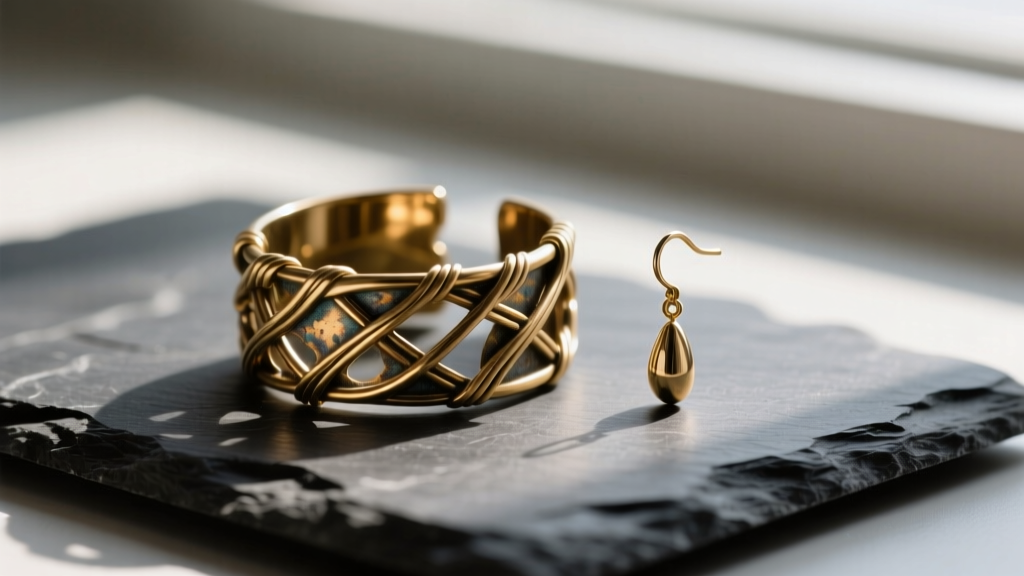
The Hidden Physics of Avant-Garde Earwear
As we navigate the jewelry landscape of 2026, the demand for hyper-custom, avant-garde ear curation has never been higher. Collectors and style enthusiasts are increasingly seeking out earrings unique to their personal aesthetic—often turning to indie artisans, 3D-printed resins, or bespoke metalworkers. However, these one-of-a-kind pieces frequently bypass the rigorous ergonomic testing of mass-produced jewelry. The result? Beautiful designs that cause lobe fatigue, slip off cartilage ridges, or trigger tension headaches.
Troubleshooting the fit and comfort of artisan earrings requires a fundamental understanding of ear anatomy, metal properties, and weight distribution. Below, we break down the most common physical failures of unique earwear and provide actionable, expert-level solutions to keep your ears safe and comfortable.
Troubleshooting Heavy Dangles: The 10-Gram Rule
The human earlobe is remarkably resilient, but it is not designed to bear heavy, concentrated loads for extended periods. According to dermatological consensus and guidelines referenced by the Cleveland Clinic, prolonged exposure to heavy jewelry can cause micro-tears in the fistula (the piercing hole), eventually leading to migration or complete lobe splitting.
Understanding Weight Thresholds
- 1 to 5 grams: Ideal for everyday wear. Standard studs and small huggies fall in this range.
- 6 to 10 grams: Comfortable for 4–6 hours. You may experience mild fatigue by the end of the day.
- 11 to 20+ grams: Statement territory. Wearing pieces this heavy for more than two hours without support mechanisms will cause localized ischemia (restricted blood flow) and aching.
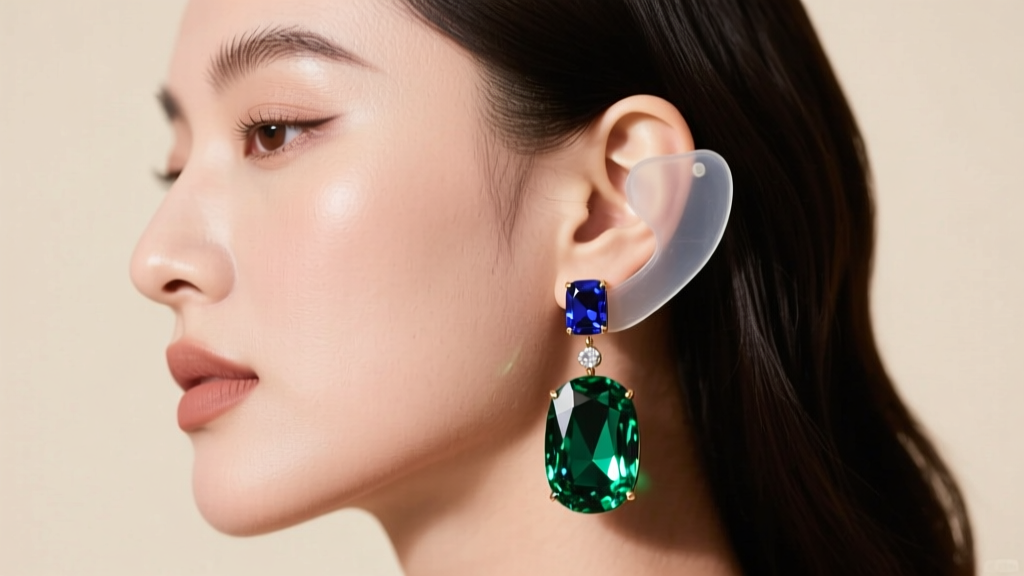
The Fix: If your unique artisan dangles exceed 10 grams, you must increase the surface area distributing the weight. Standard metal earring backs concentrate the shear force on a tiny 2mm point. Instead, use silicone support discs (like LobeWonder or generic 8mm silicone O-rings). These patches sit flush against the back of the earlobe, dispersing the downward pull across a 60mm² area and virtually eliminating fatigue.
Gauge Mismatches: When the Wire is Too Thin
A critical failure point in bespoke jewelry is the "cheese-wire effect." This occurs when a heavy earring is suspended on a wire that is too thin, causing it to slice through the tissue of the piercing. The Association of Professional Piercers (APP) strongly advises against wearing thin-gauge jewelry in stretched or heavily weighted piercings due to the high risk of migration.
The Earring Weight & Gauge Matrix
Use this troubleshooting table to ensure your unique earrings are structurally sound before wearing them:
| Earring Style | Average Weight | Minimum Wire Gauge | Required Support Mechanism |
|---|---|---|---|
| Artisan Studs / Small Hoops | 2 - 5g | 20G (0.81mm) | Standard butterfly or flat-back |
| Statement Dangles | 8 - 14g | 18G (1.02mm) | Silicone support discs |
| Heavy Chandeliers / Ear Weights | 15 - 25g+ | 16G (1.29mm) or 14G | Heavy-duty O-rings + lobe tape |
| Ear Cuffs (Helix/Conch) | 3 - 8g | 18G (1.02mm) | Tension-calibrated wrap |
The Fix: If you purchase a 20-gram unique chandelier earring on a 22-gauge (0.64mm) wire, do not wear it. Take it to a local bench jeweler to have the ear wire swapped for an 18-gauge or 16-gauge niobium or titanium hook. Titanium is highly recommended for heavy pieces due to its superior strength-to-weight ratio and biocompatibility.
Fixing Slipping Ear Cuffs and Asymmetrical Designs
Ear cuffs are a staple of unique, non-pierced ear curation. However, a cuff that constantly slides down the helix or pops off the tragus is usually suffering from an Inner Diameter (ID) mismatch or a lack of work-hardening.
Tension Calibration for Non-Pierced Cuffs
Cartilage thickness varies wildly from person to person. A cuff manufactured with a 6mm ID will slip continuously on a helix ridge that measures 8mm thick. Furthermore, soft metals like pure silver or 24k gold lack the "springback" tension required to grip the ear.
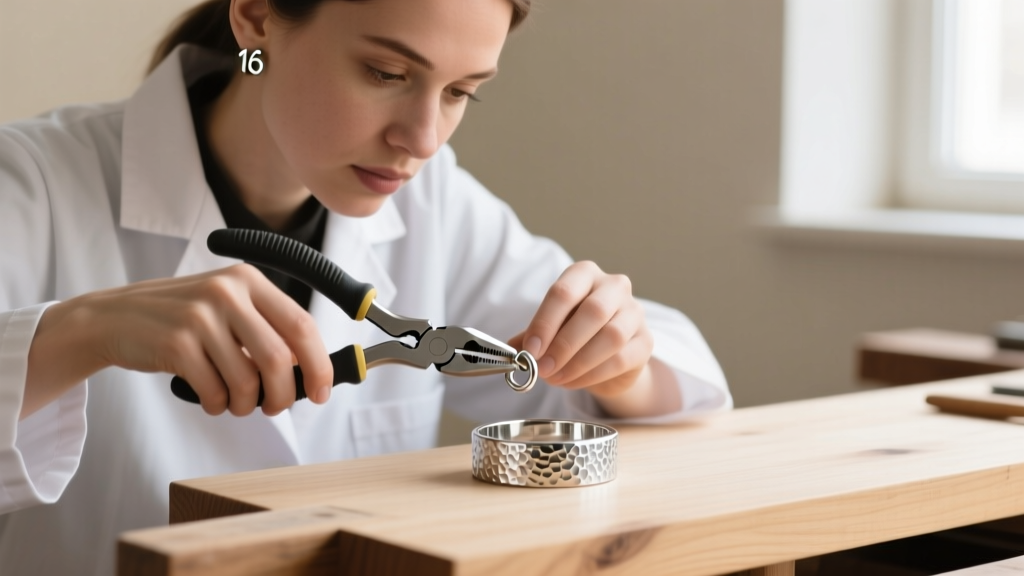
"When adjusting an ear cuff, you must consider the metal's crystalline structure. Bending it repeatedly without annealing will work-harden the metal, making it brittle. Use nylon-jaw pliers to gently compress the cuff to the exact millimeter of your cartilage ridge."
For a deep dive on metal properties, the Rio Grande Metals Guide explains how alloying elements like copper in sterling silver provide the necessary tensile strength for tension-fit jewelry.
Balancing Asymmetrical Weight
Many unique earring sets feature a dramatic, heavy piece on one ear and a minimalist stud on the other. While visually striking, wearing a 25-gram piece on the left and a 2-gram piece on the right for eight hours can cause localized neck strain and tension headaches due to uneven postural compensation.
The Fix: Counterbalance the heavy ear with a visually large but physically lightweight piece on the opposite side. Look for unique earrings crafted from anodized titanium, hollow-form resin, or aluminum. These materials allow you to achieve massive, avant-garde silhouettes while keeping the physical weight under 5 grams, maintaining neurological and muscular balance.
Expert Troubleshooting Checklist
Before debuting a new pair of unique, artisan-crafted earrings, run through this rapid diagnostic checklist:
- The Pull Test: Gently pull the earring downward. Does the ear wire dig sharply into the bottom of the fistula? If yes, the gauge is too thin or the curve of the French wire is too tight.
- The Swing Test: Dangle the earring from your finger. If the center of gravity sits too far forward, it will constantly flip upside down when worn. A jeweler can add a hidden counterweight bead to the back of the design.
- The Cuff Squeeze: Put the ear cuff on and gently tug it downward. If it slides with zero resistance, use nylon-jaw pliers to reduce the ID by 1-2mm.
- The Allergy Check: Unique pieces from indie makers often use unverified brass or nickel-silver alloys. If you experience itching within 30 minutes, coat the wire in a microscopic layer of clear jeweler's lacquer or swap the wire for implant-grade titanium.
Final Thoughts on Wearing Avant-Garde Earwear
The pursuit of earrings unique to your personal style should never come at the cost of your anatomical comfort. By understanding the physics of weight distribution, respecting the limits of your tissue, and utilizing modern support tools like silicone O-rings and titanium wire swaps, you can confidently wear even the most dramatic, heavy, and avant-garde designs. Treat your bespoke jewelry not just as art, but as wearable engineering, and your ears will thank you.


