Earrings Zara Offers in 2026: A Material & Nickel Safety Guide
Discover the truth about fast fashion metals. Our 2026 guide analyzes the materials, nickel risks, and longevity of Zara earrings.

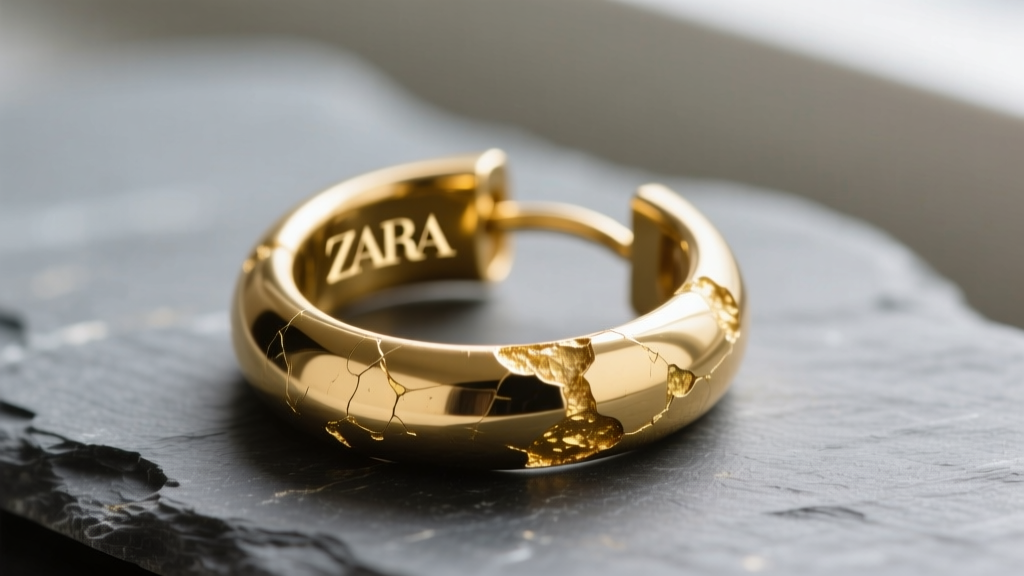
The Metallurgy of Fast Fashion: What Are Zara Earrings Actually Made Of?
When browsing the accessories aisle, the aesthetic appeal of fast-fashion jewelry is undeniable. However, for consumers with sensitive skin or those looking for longevity, understanding the exact metallurgical composition of these pieces is critical. The earrings Zara produces are predominantly crafted from base alloys that prioritize low-cost manufacturing, high fluidity for intricate casting, and lightweight wearability. But what exactly is hiding beneath the polished exterior?
Zamak and Zinc Alloys
The vast majority of Zara's cast statement earrings and textured hoops are made from Zamak, a family of alloys with a base of zinc, combined with aluminum, magnesium, and copper. Zamak #3, the most common industry standard, has a low melting point (around 385°C), making it incredibly cheap to cast into complex, heavy-looking molds without requiring expensive tooling. While Zamak itself is relatively hypoallergenic, its highly porous microscopic surface requires a barrier layer—often containing nickel or palladium—before the final aesthetic plating can be applied.
Brass and Stainless Steel
For simpler geometries like huggies, clickers, and standard stud posts, brass (an alloy of copper and zinc) is frequently utilized due to its malleability. In some 'surgical steel' collections, you will find 304 or 316L stainless steel. It is a common misconception that 'surgical steel' is entirely nickel-free. In reality, 316L stainless steel contains between 10% and 14% nickel. While the nickel is largely trapped within the metal's crystal lattice, prolonged exposure to the acidic pH of human sweat can cause ion leaching, triggering reactions in highly sensitive individuals.
The Plating Process: Microns and Longevity
The brilliant gold or silver finish on Zara earrings is achieved through electroplating. However, the thickness of this plating dictates the lifespan of the jewelry. Fine jewelry typically features heavy gold electroplating (2.5 microns or more) or solid gold vermeil over sterling silver. Fast-fashion brands, including Zara, generally utilize 'flash plating.'
Flash plating deposits a microscopic layer of gold or rhodium—usually between 0.1 and 0.3 microns thick. This provides a brilliant initial luster but lacks the structural durability to withstand daily friction, cosmetic chemicals, or sebum buildup. Once this sub-micron layer wears away, particularly at high-friction contact points like the earring post or the hinge of a hoop, the underlying base metal and barrier layers are exposed to the skin.
The Nickel Migration Factor: EU vs. US Standards
Nickel allergy is the most common contact allergy globally, affecting roughly 10% to 20% of the population. The mechanism is a Type IV delayed hypersensitivity reaction where nickel ions penetrate the stratum corneum, bind to proteins, and trigger an immune response known as haptenization. According to the American Academy of Dermatology, repeated exposure to even trace amounts of nickel can cause severe allergic contact dermatitis, characterized by erythema, vesicles, and intense pruritus.
Zara, as a Spanish multinational, must comply with the European Union's REACH regulation. The EU Nickel Directive strictly limits nickel migration from jewelry intended for direct and prolonged skin contact to less than 0.5 µg/cm²/week. However, global supply chain complexities mean that manufacturing batches destined for different regions can sometimes vary in their adherence to these strict limits, or older stock may circulate in markets with less stringent enforcement, such as the United States. The Mayo Clinic notes that fast-fashion jewelry remains a primary culprit for sudden-onset nickel allergies in adults.
How to Perform a DMG Spot Test at Home
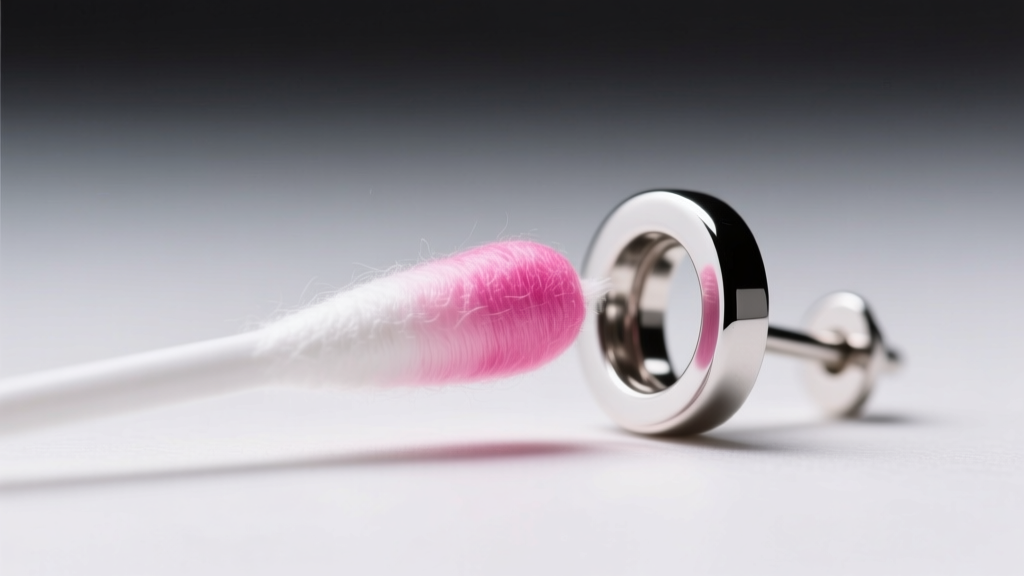
Rather than relying on guesswork, you can scientifically test your Zara earrings for free nickel using a Dimethylglyoxime (DMG) spot test kit. DMG is a chemical reagent that reacts with Ni2+ ions in the presence of ammonia to form a bright pink/red complex.
- Moisten a cotton swab with the DMG testing solution.
- Rub the swab firmly against the earring post or the back of the earring hoop for 30 seconds to simulate friction and sweat.
- Observe the swab: If it turns pink or red, the item is leaching unsafe levels of nickel. If it remains clear or turns slightly yellow (from the reagent itself), the surface is currently safe.
Material Breakdown & Longevity Chart
Below is a comparative analysis of the materials commonly found in Zara's earring collections versus standard fine jewelry benchmarks.
| Material Type | Base Composition | Plating Thickness | Nickel Risk | Expected Lifespan (Daily Wear) |
|---|---|---|---|---|
| Zara Cast Statement | Zamak (Zinc Alloy) | 0.1 - 0.2 microns | Moderate (Barrier layer) | 3 - 6 Months |
| Zara Basic Studs | Brass / 316L Steel | 0.1 - 0.3 microns | High (Post friction) | 1 - 3 Months |
| Zara 'Premium' Line | Recycled Brass | 0.5 - 1.0 microns | Low to Moderate | 6 - 12 Months |
| Fine Jewelry Vermeil | 925 Sterling Silver | 2.5+ microns (Gold) | None | 5+ Years |
| Implant-Grade | ASTM F136 Titanium | None (Solid) | None | Lifetime |
Hacks for Sensitive Ears: Extending Wearability
If you have already purchased a pair of Zara earrings and want to wear them without suffering from contact dermatitis, you must create a physical barrier between the base metal and your skin's moisture.
- Cyanoacrylate Coatings: Products like Jewelry Shield utilize medical-grade cyanoacrylate to paint a microscopic, flexible polymer shield over the earring post. This effectively encapsulates the nickel, preventing ion migration. Reapply every 3 to 4 wears.
- Clear Enamel Polish: In a pinch, a high-quality, non-toxic clear nail polish can serve as a temporary barrier. However, polish degrades rapidly when exposed to the natural oils and acidity of the earlobe, requiring daily reapplication.
- Post Swapping: For dangles and drops with friction backs, discard the provided butterfly backs immediately. Replace them with solid 14k gold or silicone friction backs to reduce the surface area of reactive metal touching your skin.
When to Abandon Fast Fashion for Cartilage Piercings
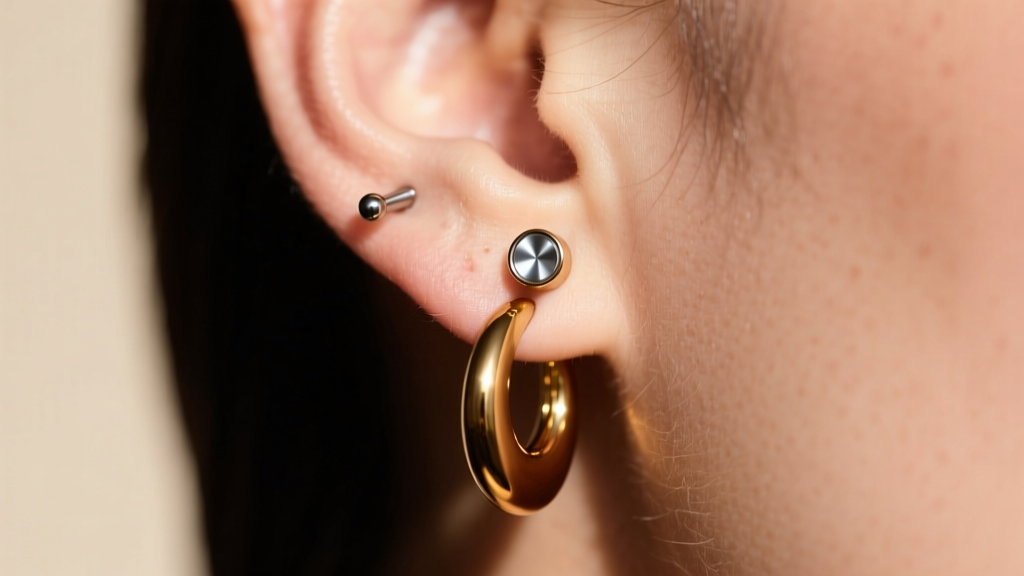
While coated fast-fashion earrings might be passable for fully healed, standard earlobe piercings (which have a robust, mature fistula), they should never be worn in cartilage piercings such as the helix, tragus, or conch. Cartilage is avascular, meaning it lacks a direct blood supply and relies on surrounding tissue for healing and immune response. Introducing porous, flash-plated metals into a cartilage piercing drastically increases the risk of granulomas, hypertrophic scarring, and severe perichondritis.
Expert Rule of Thumb: If a piercing is less than 12 months old, or if it is located in the cartilage, the only acceptable materials are ASTM F136 implant-grade titanium, niobium, or solid 14k/18k nickel-free gold. Fast-fashion alloys have no place in an unhealed fistula.
Ultimately, while Zara offers exceptional trend-driven designs, treating their earrings as temporary, seasonal accessories rather than permanent wardrobe staples is the best approach for maintaining both your skin's health and your jewelry standards.


