Estate Jewelry Care: Cleaning Tips & Using a Vintage Earring Holder
Learn expert cleaning methods for estate gems and how selecting the right vintage earring holder prevents tarnish and damage.

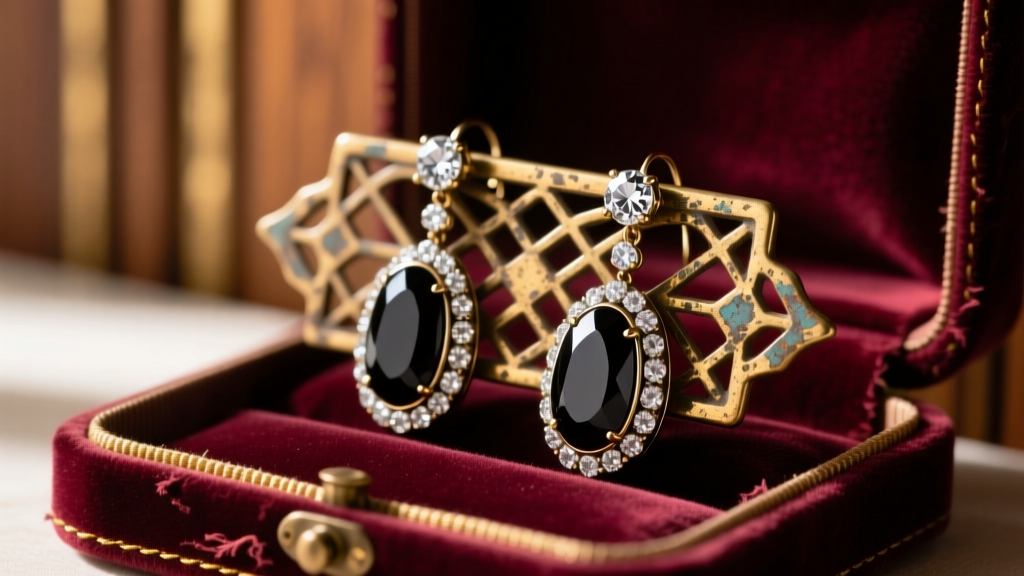
Collecting estate and vintage earrings is a rewarding pursuit, offering a tangible connection to the craftsmanship of the Victorian, Art Nouveau, Art Deco, and Retro eras. However, preserving these delicate artifacts requires far more than simply wiping them with a cloth. The metallurgy of early 18k and 22k gold alloys, the fragility of antique foiled gemstones, and the vulnerability of early screw-back mechanisms demand a meticulous approach to care and storage. Equally important is the environment in which these pieces rest; selecting an archival-grade vintage earring holder is critical to preventing irreversible chemical degradation and physical warping.
The Hidden Risks of Improper Estate Earring Storage
Many collectors mistakenly store their prized 1920s filigree drops or Victorian garnet studs in modern, mass-produced jewelry boxes. This is a critical error. Modern composite woods and MDF (medium-density fiberboard) off-gas formaldehyde and sulfur compounds. When sulfur interacts with the copper and silver alloys present in vintage gold and sterling silver, it accelerates the formation of silver sulfide—the black tarnish that can permanently pit the metal's surface if left untreated.
Furthermore, the physical architecture of vintage earrings differs vastly from modern posts. Before the invention of the modern friction post and butterfly clutch in the mid-20th century, earrings relied on screw-backs, lever-backs, and shepherd hooks. These antique posts were frequently forged in softer, higher-karat gold (such as 22k or 18k) or early platinum alloys, and were often thicker—ranging from 18-gauge to 20-gauge—or conversely, hand-filed to a fragile thinness. Forcing these into the tight, standardized slits of a modern plastic display can easily bend a 1940s screw-back post beyond repair.
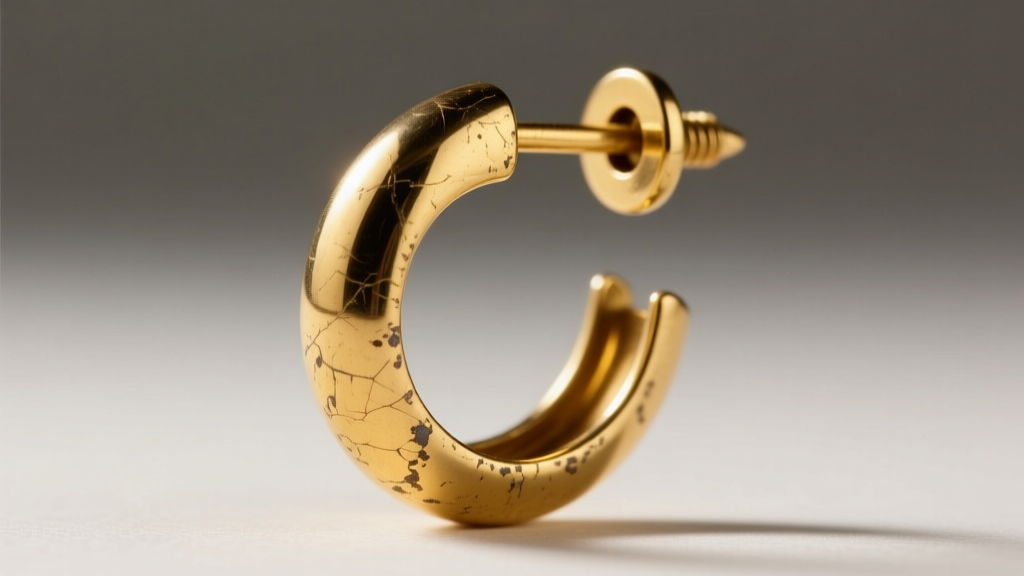
'Never force an antique screw-back or lever-back earring into a modern, rigid display slot. The torque applied to the post can snap the solder joint connecting the post to the earring head, a repair that requires specialized laser welding to avoid melting the surrounding antique patina.' — Master Jeweler Bench Notes, Lang Antiques.
Step-by-Step Cleaning Guide for Vintage Earrings
Cleaning estate jewelry requires a gentle, non-abrasive approach that respects the original patina—a highly sought-after, soft luster that develops on antique metals over decades. Commercial silver dips, which rely on harsh thiourea-based chemicals, will strip this patina instantly, leaving the metal with a harsh, unnatural white glare and significantly reducing the piece's historical and monetary value.
The Safe Cleaning Protocol
- Preparation: Mix three drops of phosphate-free, mild dish soap (such as original Dawn) into one cup of lukewarm distilled water. Tap water contains chlorine and trace minerals that can react with porous antique gems.
- Agitation: Submerge only the metal portions of the earring for no more than three minutes. Using a 0.05mm soft horsehair brush, gently sweep the crevices of the filigree or milgrain detailing. Never use a toothbrush, as the stiff nylon bristles will micro-scratch soft gold alloys.
- Rinsing: Rinse briefly under a slow stream of distilled water. Ensure the drain is securely plugged.
- Drying: Pat dry with a lint-free microfiber cloth and use a cool-air hairdryer to blow moisture out of the intricate settings. Trapped moisture behind a closed-back bezel can cause the foil backing of Victorian gems to oxidize and turn black.
Gemstone Sensitivity and Prohibitions
Not all stones can withstand even mild aqueous cleaning. The table below outlines the specific care requirements for gemstones commonly found in vintage earrings.
| Gemstone / Material | Mohs Hardness | Safe Cleaning Method | Strict Prohibitions |
|---|---|---|---|
| Diamond (Old Mine Cut) | 10 | Mild soapy water, soft brush | Ultrasonic if fractured |
| Pearl (Natural) | 2.5 - 4.5 | Damp cloth wipe only | Submersion, chemicals, ultrasonic |
| Opal (Solid or Doublet) | 5.5 - 6.5 | Dry microfiber cloth | Water (causes crazing/cracking) |
| Emerald (Oil-treated) | 7.5 - 8 | Dry, soft brush only | Soaps, ultrasonic (strips oils) |
| Jet / Bakelite | 2.5 - 4.0 | Dry polishing cloth | Water, alcohol, solvents |
For a comprehensive guide on organic gemstone preservation, the Gemological Institute of America (GIA) strongly advises against submerging natural pearls, noting that water can degrade the silk thread or early synthetic adhesives used in vintage earring assemblies.
Selecting the Right Vintage Earring Holder for Preservation
When sourcing a vintage earring holder for display or long-term storage, aesthetic appeal must take a backseat to chemical inertness. Many authentic antique wooden jewelry stands or velvet-lined brass trays look stunning but can actively harm your collection if not properly prepared.
Materials to Avoid
- PVC Plastics: Polyvinyl chloride off-gasses plasticizers that create a sticky, corrosive film on silver and copper alloys.
- Raw Oak and Cedar: These woods naturally emit tannins and acidic vapors that will etch the surface of polished silver and lead to 'bronze disease' in copper-heavy vintage gold alloys.
- Standard Felt and Wool: These textiles often contain sulfur dyes and trap ambient humidity, accelerating tarnish.
Archival-Safe Alternatives
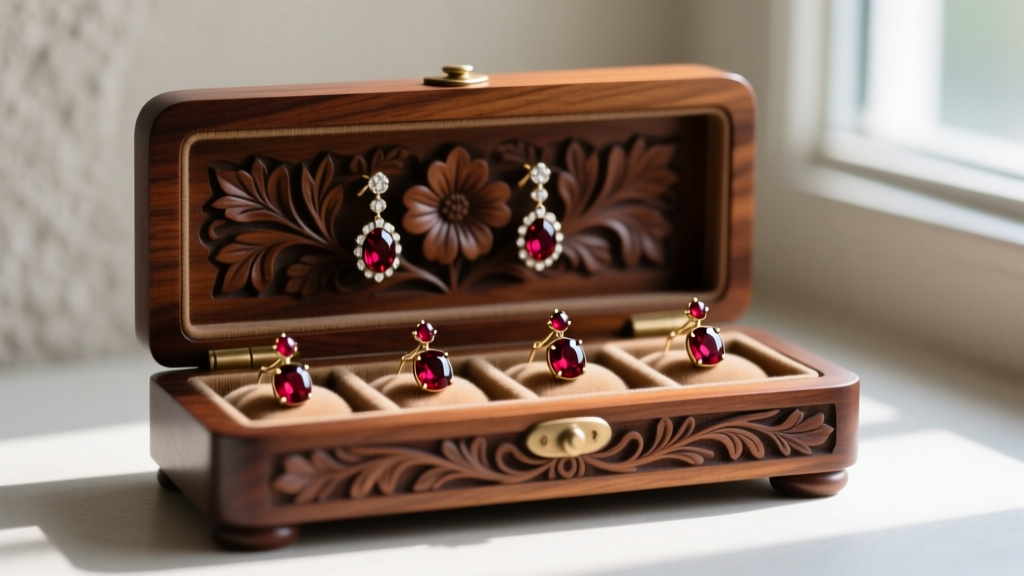
If you are utilizing an authentic antique wooden or brass vintage earring holder, you must create a barrier between the jewelry and the display. Line the contact points with Pacific Silvercloth, a 100% cotton flannel embedded with microscopic silver particles that intercept and absorb sulfur gases before they reach your earrings. For enclosed storage within a vintage vanity, use only unbuffered, acid-free archival tissue paper (pH 7.0 to 8.5) or inert polyethylene zip bags. Polyethylene is chemically stable and will not off-gas, unlike polyurethane or PVC.
Maintaining Your Vintage Earring Holder and Display
A true collector knows that maintaining the display apparatus is just as vital as maintaining the jewelry. If you have acquired a beautiful, ornate brass or mahogany vintage earring holder, cleaning it requires care so that the cleaning agents do not transfer to your earrings.
For wooden antique holders, avoid modern aerosol furniture polishes like Pledge, which contain silicones that build up and attract dust. Instead, apply a thin coat of Renaissance Wax—a microcrystalline wax developed by the British Museum specifically for preserving antique wood and metal. Apply the wax with a lint-free cloth, let it cure for ten minutes, and buff it to a hard, protective shine. This seals the wood's pores, preventing acidic off-gassing while enhancing the historical patina of the mahogany or walnut.
For brass or copper display stands, do not use aggressive brass polishes (like Brasso) which contain ammonia. Ammonia can cause stress-corrosion cracking in vintage brass alloys. Clean the stand with a mild paste of lemon juice and baking soda, rinse thoroughly, dry completely, and seal with a thin layer of carnauba wax. Always ensure the holder is 100% dry and cured before placing your freshly cleaned estate earrings back onto the display.
Final Thoughts on Estate Jewelry Stewardship
Owning vintage earrings is an act of historical stewardship. By abandoning harsh chemical dips, utilizing distilled water and horsehair brushes, and investing in a chemically inert vintage earring holder, you ensure that the intricate milgrain, the delicate foiled backs, and the soft glow of antique gold survive for the next generation of collectors. For further reading on the metallurgy and preservation of antique pieces, the Lang Antiques University offers an exceptional database on era-specific jewelry care.


