Plastic Earrings Value Assessment: Acrylic vs Bioplast
Discover the true value of plastic earrings. We compare acrylic, bioplast, and PTFE for safety, pricing, and longevity in this budget assessment.

The Plastic Misconception in Jewelry
When budget-conscious shoppers and individuals with severe metal allergies search for alternatives to traditional jewelry, they inevitably encounter the broad category of plastic earrings. However, treating all polymers as a single, uniform material is a critical mistake that can lead to contact dermatitis, ruined piercings, and wasted money. In the professional body modification and jewelry industry, the term "plastic" encompasses a vast spectrum of synthetic materials, ranging from highly porous, toxic fashion acrylics to medical-grade, implant-safe polymers.
Assessing the true value of plastic earrings requires looking beyond the initial price tag. A $3 pair of acrylic studs might seem like a bargain until you factor in the cost of treating a localized infection or replacing the jewelry after it degrades from exposure to hand sanitizer. This comprehensive value assessment breaks down the three most common polymers used in ear jewelry—Acrylic (PMMA), Bioplast, and PTFE (Teflon)—evaluating their material grades, structural integrity, gauge compatibility, and long-term financial viability.
Material Breakdown: Acrylic, Bioplast, and PTFE
To accurately assess value, we must first define the specific chemical makeup of the earrings in question. Not all plastics interact with the human body in the same way.
Acrylic (PMMA): The Budget King with Severe Caveats
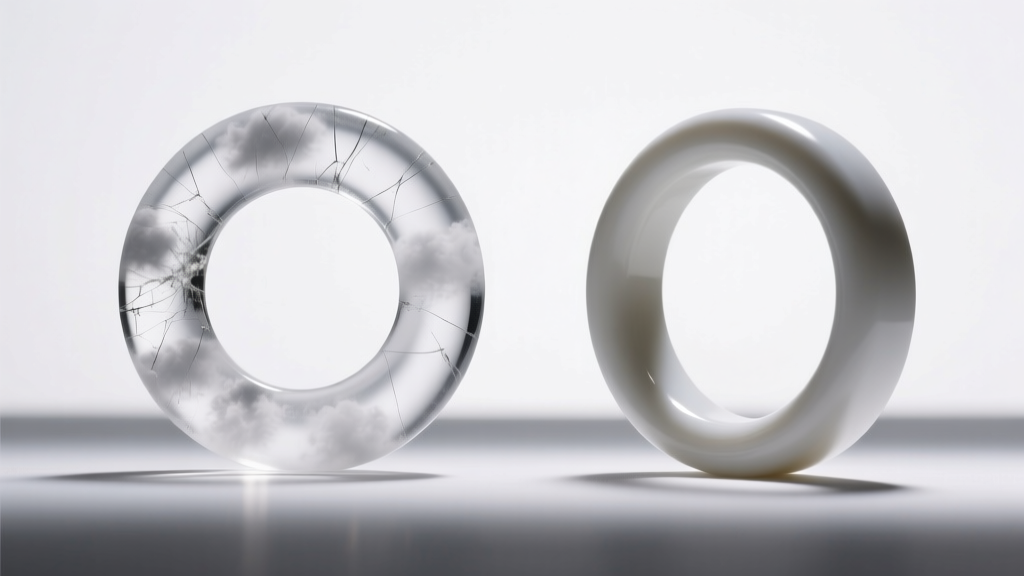
Polymethyl methacrylate (PMMA) is the most ubiquitous plastic used in mass-market fashion earrings. It is rigid, easily molded into vibrant colors, and incredibly cheap to produce. Standard acrylic earrings typically retail between $2 and $8. However, PMMA is microscopically porous. This porosity allows it to harbor bacteria and absorb bodily fluids, making it entirely unsuitable for fresh piercings or unhealed cartilage wounds. Furthermore, PMMA is highly reactive to alcohol-based cleaners and UV exposure, which causes the material to become brittle, cloudy, and prone to micro-fractures over time.
Bioplast: The Flexible Middle-Ground
Often used as a genericized trademark, Bioplast refers to a specific type of flexible, medical-grade polymer designed specifically for body jewelry. Priced between $6 and $15, Bioplast offers a significant upgrade over standard acrylic. It is highly flexible, making it an excellent choice for sleepers or retainers during medical procedures like MRIs. While it is less porous than PMMA, it is still not considered entirely inert for initial piercings by top-tier professionals. Its primary value lies in its comfort and flexibility for fully healed earlobes and cartilage that require a softer material to prevent pressure necrosis.
PTFE (Polytetrafluoroethylene): The Premium Polymer
Commonly known by the brand name Teflon, PTFE is the gold standard for plastic body jewelry. Retailing between $12 and $25 per piece, it is the most expensive plastic option, yet it offers the highest long-term value. PTFE is completely biocompatible, non-porous, autoclavable, and chemically inert. It will not degrade when exposed to alcohol, peroxide, or bodily fluids. For individuals with severe nickel or cobalt allergies who cannot tolerate even implant-grade titanium, PTFE represents the safest, most durable polymer investment available.
Budget and Value Comparison Matrix
To visualize the cost-to-benefit ratio of these materials, we have compiled a structured assessment matrix. This data reflects average market pricing and material properties as evaluated by professional piercers and material scientists.
| Material | Avg. Price Range | Porosity | Autoclave Safe | Best Use Case | Longevity |
|---|---|---|---|---|---|
| Acrylic (PMMA) | $2 - $8 | High | No (Melts/Warps) | Short-term fashion, healed lobes only | 3 - 6 Months |
| Bioplast | $6 - $15 | Low | Yes (Up to 121°C) | Retainers, MRI safety, sensitive healed ears | 1 - 2 Years |
| PTFE (Teflon) | $12 - $25 | None (Inert) | Yes (Up to 260°C) | Severe metal allergies, long-term wear | 5+ Years |
As the matrix illustrates, while Acrylic requires frequent replacement due to degradation and scratching, a single PTFE earring can last for years without harboring bacteria or losing its structural integrity, making its cost-per-wear significantly lower over a five-year period.
Hidden Costs: When Cheap Plastic Earrings Fail
The initial savings of purchasing bulk acrylic earrings are frequently negated by hidden biological and mechanical costs. Understanding these failure modes is essential for any serious jewelry buyer.
Chemical Degradation and Contact Dermatitis
Many consumers do not realize that standard acrylic earrings are often manufactured using chemical dyes and mold-release agents that are not FDA-approved for prolonged skin contact. When PMMA is exposed to the alcohol found in everyday hand sanitizers or cosmetics, the polymer chains begin to break down. This creates microscopic fissures that trap dead skin cells and bacteria. According to the American Academy of Dermatology, prolonged exposure to degrading synthetic materials and the bacteria they harbor is a leading trigger for allergic contact dermatitis and localized earlobe infections.
Thread Stripping and Mechanical Failure
Most budget plastic earrings utilize external threading, where the screw-like ridges are cut directly into the soft plastic post. Because PMMA and Bioplast are relatively soft materials, forcing an acrylic post through a slightly swollen or tight 18-gauge (1.0mm) piercing will strip the threads, rendering the earring useless and potentially causing micro-tears in the fistula (the piercing channel).
"Never force a threaded acrylic post. If you feel resistance, you are scraping the plastic threads directly into the wound bed. Always opt for push-fit or internally threaded options when dealing with polymer jewelry." — Senior APP-Certified Piercer
Sizing, Gauges, and Fit: What You Need to Know
Value is also determined by how well the jewelry fits your specific anatomy. Plastic earrings are predominantly manufactured in standard fashion gauges, which can create a mismatch for those with professionally pierced cartilage.
- 20-Gauge (0.8mm) and 18-Gauge (1.0mm): The standard for mass-market fashion earrings and traditional earlobe piercings. Acrylic and Bioplast are widely available in these sizes, but the posts are often too thin for cartilage, leading to the "cheese-cutter effect" where thin wire slowly migrates through the tissue.
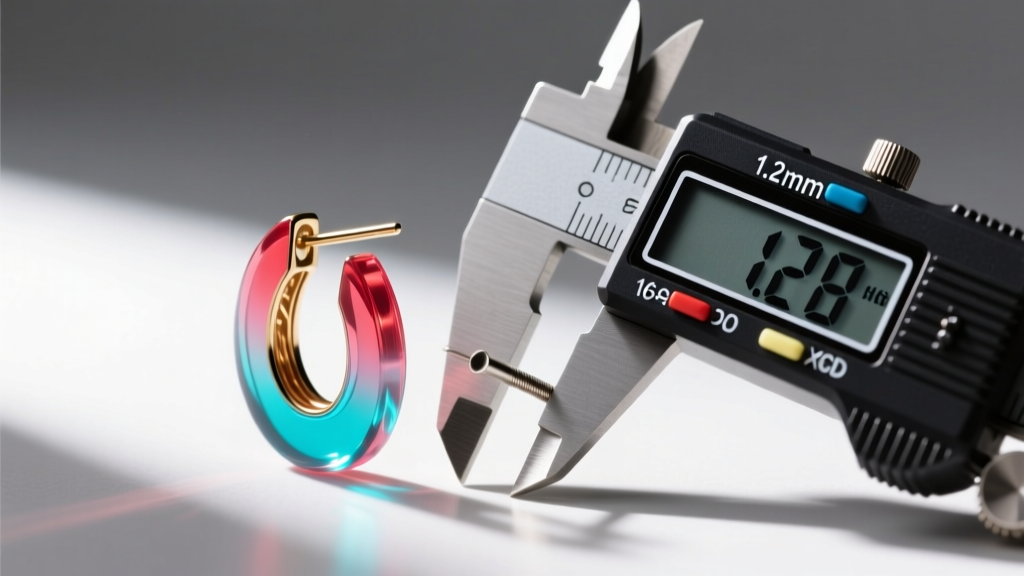
- 16-Gauge (1.2mm): The professional standard for tragus, helix, and conch piercings. Finding true 16-gauge acrylic earrings is difficult, as most fashion manufacturers do not produce them. PTFE and Bioplast, however, are readily available in 16G and 14G, making them vastly superior for cartilage value.
- 14-Gauge (1.6mm): Standard for industrial and conch piercings. Only PTFE and specialized Bioplast retainers are reliably manufactured in this thickness without becoming too rigid or heavy.
When assessing value, ensure the gauge of the plastic earring matches your piercing. Wearing an 18-gauge acrylic stud in a 16-gauge cartilage piercing will cause the fistula to shrink, making it painful to reinsert proper jewelry later.
Final Verdict: Are Plastic Earrings Worth Your Money?
The value of plastic earrings is entirely dependent on your biological needs and the specific polymer you select. If you are buying earrings for a temporary fashion statement or a fully healed, low-sensitivity earlobe, standard Acrylic (PMMA) offers acceptable short-term value, provided you replace it every few months and keep it away from alcohol-based cleaners.
However, if you are seeking a long-term solution for metal allergies, require a retainer for sports or medical imaging, or have sensitive cartilage, the budget-friendly Bioplast and the premium PTFE are vastly superior investments. As noted in the jewelry safety guidelines published by the Association of Professional Piercers, utilizing implant-grade polymers like PTFE eliminates the risk of heavy metal toxicity and allergic reactions while providing a durable, autoclavable product.
Ultimately, spending $18 on a single pair of PTFE earrings that will last five years and protect your piercing health is a significantly better financial and medical decision than spending $30 a year replacing degraded acrylic studs and treating resulting earlobe irritations. Assess your material, check your gauge, and invest in the polymer that respects your anatomy.


