Effy Tanzanite Earrings: The Ultimate Beginner Guide
Discover everything about Effy tanzanite earrings. Learn to evaluate gemstone quality, metal settings, pricing, and care in this beginner guide.

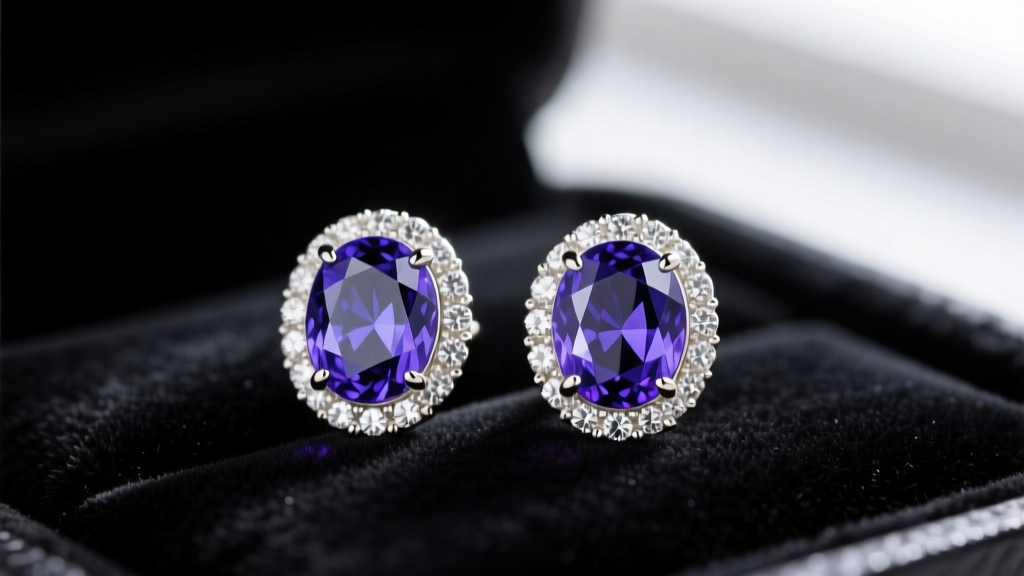
If you are stepping into the world of fine jewelry, few pieces capture the imagination quite like effy tanzanite earrings. Designed by the renowned jeweler Effy Hematian, these pieces combine intricate metalwork with one of the most captivating gemstones on earth. Tanzanite, discovered only in the 1960s, offers a velvety violet-blue hue that rivals the finest sapphires, yet it comes with its own unique set of characteristics, vulnerabilities, and grading standards.
For beginners, navigating the retail jewelry market can be overwhelming. How do you know if the tanzanite is high quality? What metal settings best protect this relatively soft gemstone? In this comprehensive, beginner-friendly explainer, we will break down everything you need to know about buying, wearing, and caring for Effy tanzanite earrings in 2026 and beyond.
The Origin and Allure of Tanzanite
Before evaluating the earrings themselves, it is crucial to understand the gemstone. According to the Gemological Institute of America (GIA), tanzanite is found in only one place on Earth: a five-square-mile mining area near the Merelani Hills of Tanzania. This extreme rarity makes it a highly sought-after stone for fine jewelry designers like Effy.
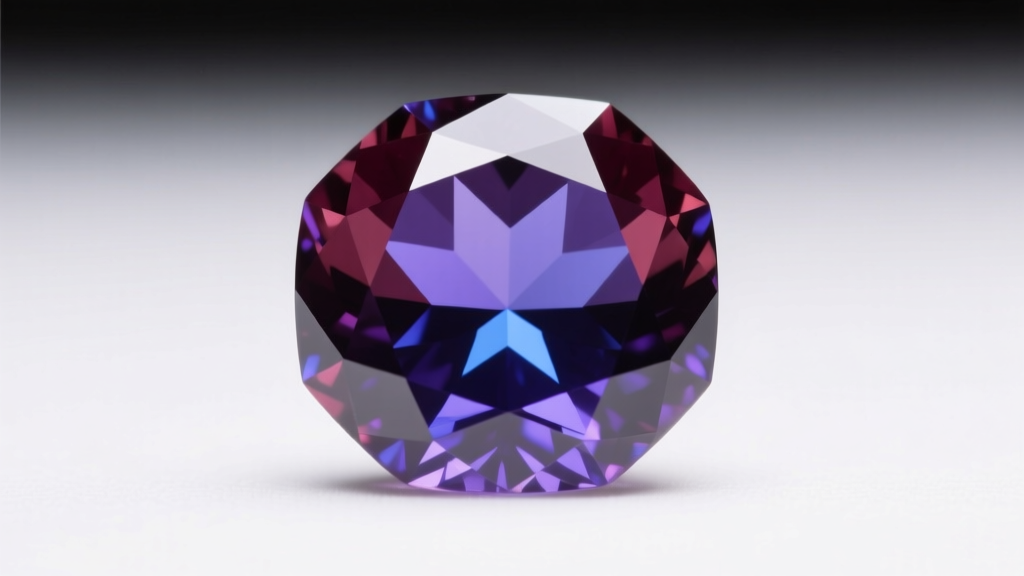
Tanzanite is famously trichroic, meaning it naturally displays three different colors—blue, violet, and burgundy—when viewed from different crystallographic axes. Expert gem cutters must orient the stone perfectly to maximize the highly prized violet-blue face-up color while minimizing the brownish-burgundy tones. Effy Jewelry is known for selecting stones that exhibit this rich, saturated violet-blue, ensuring their earrings have that signature luxurious pop of color.
Evaluating Tanzanite Quality: The Beginner's Framework
Unlike diamonds, which have a universally standardized grading system by the GIA, colored gemstones rely more on visual appeal and dealer-specific grading. When shopping for Effy tanzanite earrings, keep these three critical factors in mind:
1. Color Saturation and Tone
The most valuable tanzanite exhibits a deep, vivid violet-blue. Effy typically uses stones that fall into the premium commercial grades (often labeled as AAA in retail environments). Look for earrings where the stones appear deeply saturated but not so dark that they look black in low lighting. A medium-dark tone with strong violet undertones is the sweet spot.
2. Clarity Expectations
Tanzanite is a Type I clarity gemstone, meaning it is typically eye-clean. The American Gem Society (AGS) notes that visible inclusions in tanzanite significantly drop its value. Effy earrings should feature stones free of visible black carbon spots, heavy silk, or surface-reaching fractures. If you see prominent flaws with the naked eye, pass on the piece.
3. Cut and Proportions
Because tanzanite rough is expensive, cutters often prioritize carat weight over perfect symmetry. However, Effy's premium lines generally feature well-proportioned oval, cushion, and pear cuts. Avoid stones with a prominent "window" (a washed-out, see-through area in the center) or severe "extinction" (dark, lifeless zones).
Metal Settings: Durability Meets Design
Tanzanite ranks between 6.5 and 7 on the Mohs scale of hardness. This makes it softer than sapphire or diamond, meaning it is susceptible to scratching and chipping if knocked against hard surfaces. The metal setting chosen by Effy plays a massive role in protecting the stone.
| Metal Setting | Pros | Cons | Best Earring Style |
|---|---|---|---|
| 14k White Gold | Durable, affordable, rhodium plating enhances the blue of the tanzanite. | Rhodium plating wears off over time, requiring re-dipping. | Diamond halo studs, classic solitaires. |
| 14k Yellow Gold | Warm contrast makes the violet tones stand out; no plating required. | Softer than white gold alloys; prongs may wear faster. | Vintage-inspired drops, wire-dangle styles. |
| Sterling Silver (925) | Highly affordable, bright white luster. | Tarnishes easily, softer metal offers less prong security. | Fashion-forward hoops, lightweight huggies. |
Expert Tip: Effy frequently uses 14k white gold with a rhodium flash. Over time, the friction of putting on and taking off your earrings will wear this plating away, revealing the naturally yellowish hue of 14k gold underneath. This is a normal failure mode and can be fixed by a jeweler for $30-$50.
Face Shapes and Earring Silhouettes
Beyond the gemstone quality, the physical silhouette of the earring should complement your facial structure. Effy offers tanzanite in various silhouettes. Here is how to match them to your face shape:
- Round Faces: Opt for Effy tanzanite drop or dangle earrings. The vertical lines elongate the face, drawing the eye downward and creating a slimming effect. Avoid large, round tanzanite studs.
- Square Faces: Choose tanzanite hoops or rounded stud clusters. The curves of the metal and the rounded gemstone cuts will soften a strong, angular jawline.
- Heart-Shaped Faces: Teardrop or pear-shaped tanzanite pendants are ideal. They add visual weight to the narrower lower half of the face, balancing a wider forehead.
- Oval Faces: You have the most versatility. Effy's tanzanite huggies, climber cuffs, and classic studs will all look proportionate and elegant.
Pricing Guide: What Should You Pay?
Understanding the retail pricing landscape prevents overpaying. While prices fluctuate based on diamond accent weights and gold markets, here are the standard 2026 retail ranges for authentic Effy tanzanite earrings:
- Small Studs (0.25 - 0.50 ctw, no diamonds): $250 – $450
- Halo Studs (1.00 - 1.50 ctw with diamond accents): $600 – $1,200
- Drop/Dangle Earrings (2.00+ ctw, intricate metalwork): $1,500 – $3,500+
Note: Effy jewelry is frequently sold at major department stores (like Macy's or JCPenney) where "original" MSRP prices are artificially inflated to make discount percentages look larger. Always evaluate the piece based on its actual carat weight and metal gram weight, not the crossed-out tag price.

Verifying Authenticity and Hallmarks
The secondary market and online auction sites are flooded with counterfeit jewelry. To ensure your Effy tanzanite earrings are genuine, look for the following physical markers:
- The Hallmarks: Use a 10x jeweler's loupe to inspect the earring post or the back of the gallery. You should see a clear metal purity stamp (e.g.,
14Kor925) alongside theEffysignature stamp. - The Post Gauge: Authentic Effy studs typically use standard 18-gauge or 20-gauge solid posts. If the post feels unusually thin, bends with minimal pressure, or lacks a proper friction back or screw-back threading, be suspicious.
- Packaging: Genuine pieces come in a branded Effy box, often featuring the signature panther motif or sleek modern branding, accompanied by a certificate of authenticity or a detailed retail receipt.
Care and Maintenance: Protecting Soft Gemstones
The most common mistake beginners make with tanzanite is treating it like a diamond. Tanzanite has perfect cleavage in one direction, meaning a sharp blow can split the stone. Furthermore, it is highly sensitive to sudden temperature changes.
CRITICAL WARNING: Never place tanzanite earrings in an ultrasonic jewelry cleaner, and never use a high-pressure steam cleaner. The high-frequency vibrations and thermal shock can easily fracture the gemstone or shatter it entirely.
The Proper Cleaning Routine:
- Mix a few drops of mild, phosphate-free dish soap into a bowl of lukewarm (not hot) water.
- Soak the earrings for 5 to 10 minutes to loosen oils and lotion buildup.
- Gently brush the back of the settings and the gemstone with a baby-soft toothbrush. Do not scrub hard against the girdle (the edge) of the stone.
- Rinse under a gentle stream of lukewarm water, ensuring the drain is plugged.
- Pat dry with a lint-free microfiber cloth.
Finally, because tanzanite is soft, prongs can wear down or snag on winter sweaters. Have a professional jeweler inspect the prongs every 12 months to ensure the stone remains secure.
Final Thoughts
Investing in Effy tanzanite earrings is a brilliant way to own a piece of modern jewelry history. By understanding the trichroic nature of the gemstone, selecting the right protective metal setting, and adhering to strict, non-ultrasonic cleaning protocols, your violet-blue treasures will remain vibrant and secure for decades. Whether you are buying a pair of classic diamond-halo studs for an anniversary or a bold pair of drops for evening wear, you are now equipped to shop with absolute confidence.


