Emerald and Gold Earrings: Gold Karats and Gem Treatments Compared
Discover how to choose emerald and gold earrings. We compare 14k vs 18k gold durability and natural vs lab emerald treatments for everyday wear.

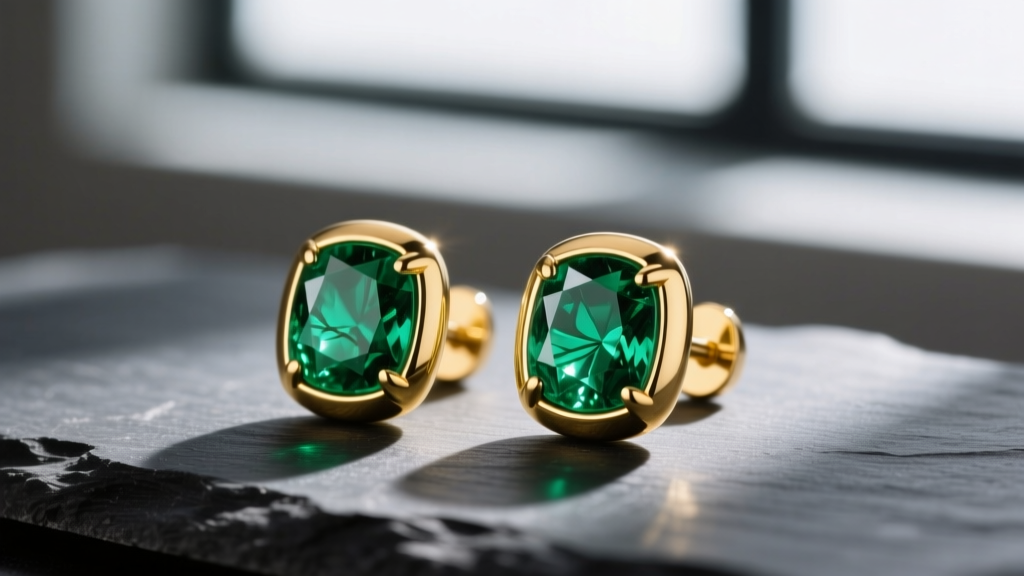
The Intersection of Gold Purity and Emerald Durability in Earrings
The pairing of lush green beryl and warm yellow metal is a timeless aesthetic, but selecting the perfect emerald and gold earrings requires navigating a minefield of material science. Unlike diamonds or sapphires, emeralds possess a unique crystalline structure that makes them notoriously brittle. When you combine a heavily included gemstone with gold—a naturally soft metal—the structural integrity of your earring settings becomes the single most critical factor in your purchase.
As of 2026, consumers have more options than ever, ranging to ultra-pure 22k gold to advanced hydrothermal lab-created emeralds. However, more options do not always equate to better durability. This guide dissects the exact material properties, alloy compositions, and gemological treatments you must understand before investing in high-end emerald ear jewelry.
Gold Karat Comparison: 14k vs. 18k vs. 22k for Earring Settings
Gold purity is measured in karats, but higher purity does not mean higher quality when it comes to securing fragile gemstones. Pure 24k gold has a Vickers hardness (HV) of roughly 25, making it as soft as a fingernail. To create durable earring posts and prongs, gold is alloyed with metals like copper, silver, and zinc. The exact ratio dictates the metal's tensile strength and its ability to grip an emerald securely over years of daily wear.
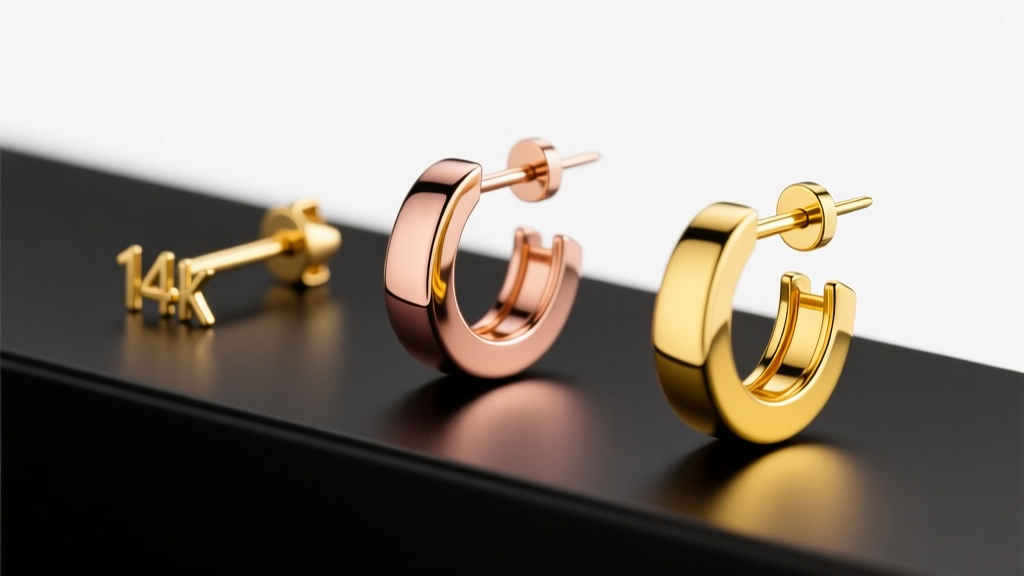
| Gold Karat | Pure Gold % | Vickers Hardness (HV) | Best Earring Application | Durability Risk |
|---|---|---|---|---|
| 14k Gold | 58.3% | 140 - 160 HV | Prong-set studs, active wear drops | Low (Highly secure) |
| 18k Gold | 75.0% | 120 - 135 HV | Bezel settings, occasional wear chandeliers | Moderate (Prongs may loosen) |
| 22k Gold | 91.6% | 60 - 75 HV | Huggies, solid hoops (No gem prongs) | High (Catastrophic prong failure) |
For emerald and gold earrings, 14k gold is the undisputed champion of security. Its higher alloy content provides the necessary spring-back tension in prongs to keep brittle beryl from slipping out. While 18k gold offers a richer, more saturated yellow hue that beautifully complements the green of an emerald, it requires bi-annual professional prong checks. According to the Gemological Institute of America (GIA), 22k gold should never be used for prong settings, as the metal will easily bend if the earring is snagged on clothing or hair, resulting in a lost stone.
Emerald Material Properties: Natural, Treated, and Lab-Created
To make an informed decision, you must separate gemstone hardness from gemstone toughness. Emerald ranks a 7.5 to 8 on the Mohs scale of hardness, meaning it resists scratching relatively well. However, its toughness—the ability to resist chipping and breaking—is notoriously poor due to 'jardin', the internal network of fissures and inclusions inherent to natural emeralds.
The Reality of Cedar Oil and Resin Fillers
Nearly 90% of natural emeralds on the market are clarity-enhanced. Traditionally, lapidaries use natural cedar oil to fill surface-reaching fissures, improving transparency. However, cedar oil is unstable; it can dry out, leak, or cloud over time, especially when exposed to the heat and chemicals of daily life. If you wear oiled emerald earrings in the shower, or if they come into contact with hairspray and perfumes, the oil will degrade rapidly. Modern alternatives like Opticon (a polymer resin) offer permanent stability, but they significantly alter the stone's resale value and require specific disclosure.
Lab-Created Emeralds: The Hydrothermal Advantage
For everyday earring wearers, lab-created emeralds offer a compelling material advantage. There are two primary synthesis methods: flux-grown and hydrothermal. Flux-grown emeralds often contain microscopic inclusions of the platinum flux used in their creation, which can act as internal fault lines. Hydrothermal emeralds, grown in high-pressure aqueous solutions, mimic natural geological conditions much more closely. They possess fewer structural weaknesses, making them vastly superior for the inevitable bumps and drops that earrings endure.
Expert Insight: If you insist on natural emeralds for daily-wear studs, demand a GIA report specifying 'Minor' or 'F1' oiling. Avoid 'Moderate' or 'Significant' oiling, as the structural integrity of the stone is heavily compromised by the volume of filler.
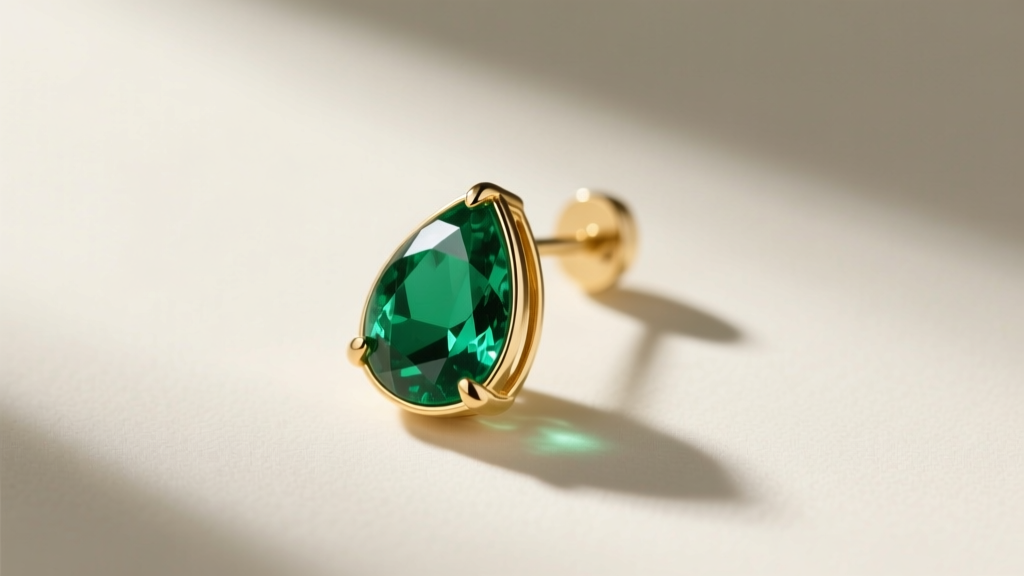
Structural Integrity: Prong vs. Bezel Settings for Emeralds
The most common failure mode for emerald earrings is corner chipping. The classic 'emerald cut' is a rectangular step cut with clipped corners, specifically designed to reduce the risk of chipping during the lapidary process. However, once set in an earring, those corners remain the most vulnerable points of impact.
- V-Prong Settings: The absolute minimum requirement for natural emeralds. V-prongs cup the vulnerable corners, distributing impact force away from the stone's edges.
- Full Bezel Settings: A rim of gold completely encircles the girdle of the emerald. This is the safest setting for active lifestyles, eliminating the risk of corner chips and preventing hair from snagging on prongs.
- Standard Round Prongs: Highly discouraged for emeralds. They leave the edges exposed and concentrate stress on tiny points of the gemstone's girdle.
Because earrings hang from the earlobe and are subject to kinetic movement, gravity and leverage place constant micro-stress on the setting. A heavy emerald drop earring set in 18k gold with standard prongs is a structural liability waiting to fail.
2026 Pricing and Investment Value Matrix
Understanding the material properties directly impacts how you should allocate your budget. The pricing landscape for emerald and gold earrings has shifted, with lab-grown stones capturing a massive share of the fashion-forward market, while untreated natural stones remain the domain of high-jewelry collectors.
| Material Combination | Estimated Price (1ct Total Weight Studs) | Investment Value | Daily Wear Suitability |
|---|---|---|---|
| 14k Gold + Hydrothermal Lab Emerald | $400 - $800 | Low (Retail value only) | Excellent (Highly durable) |
| 18k Gold + Natural Minor-Oil Emerald | $2,500 - $6,000+ | Moderate to High | Moderate (Requires careful maintenance) |
| 22k Gold + Natural Untreated Emerald | $15,000 - $50,000+ | Very High (Collector grade) | Poor (Strictly for vault or rare events) |
As noted by Encyclopedia Britannica, the rarity of completely untreated, high-clarity natural emeralds drives their astronomical auction prices. However, paying a premium for an untreated stone and then setting it in a delicate 22k gold prong setting for daily wear is a misuse of the material's inherent properties.
Final Verdict: Matching Your Lifestyle to the Right Materials
Choosing the right emerald and gold earrings is an exercise in balancing aesthetic desires with material realities. If your goal is a vibrant, worry-free pair of everyday studs or huggies, opt for 14k yellow gold paired with hydrothermal lab-created emeralds in a full or half-bezel setting. This combination guarantees maximum structural integrity, vivid color, and zero anxiety regarding oil degradation or corner chipping.
Conversely, if you are purchasing an heirloom piece or an investment-grade asset, prioritize a natural, minor-oiled emerald set in 18k gold with V-prongs. Reserve these pieces for occasional wear, store them in a humidity-controlled environment to preserve the cedar oil, and commit to professional ultrasonic-free cleanings. By respecting the geological and metallurgical truths of these materials, you ensure your earrings remain as breathtaking in a decade as they are today. For further reading on gemstone durability and care, consult the GIA's comprehensive emerald description guide.


