Coach C Earrings: Material Breakdown & Fine Jewelry Alternatives
An expert metallurgical breakdown of Coach C earrings, comparing plated brass properties, micron thickness, and allergy risks against fine jewelry.

The Metallurgy of Fashion: What Are Coach C Earrings Made Of?
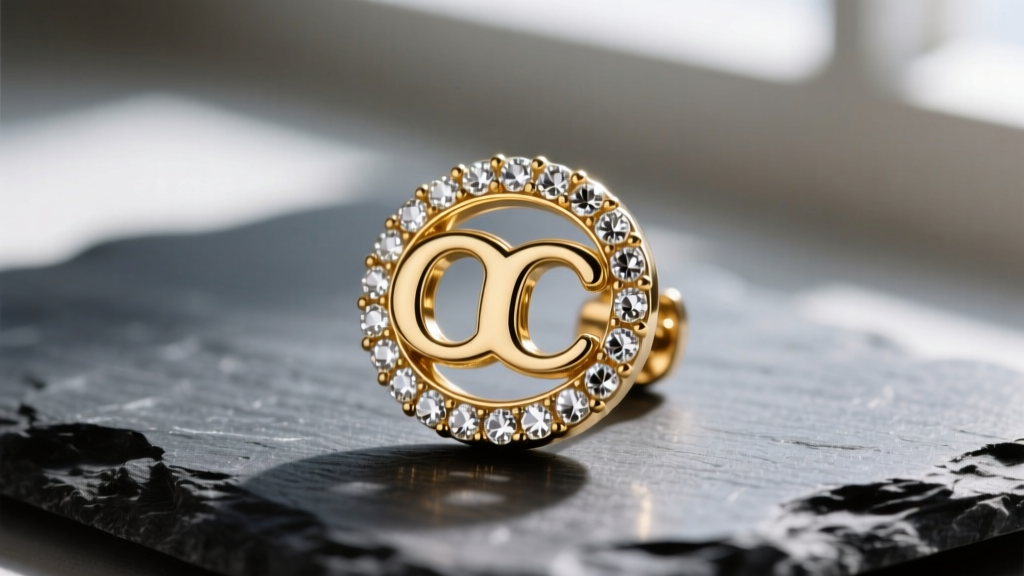
When evaluating designer fashion jewelry, understanding the underlying metallurgy is crucial for assessing longevity, skin safety, and overall value. Coach C earrings, renowned for their iconic interlocking 'C' motif and accessible luxury positioning, are primarily constructed from base metal alloys rather than solid precious metals. As of 2026, the vast majority of these pieces utilize a brass (copper-zinc) or zinc alloy (Zamak) base. Brass is favored in fashion jewelry manufacturing due to its excellent malleability, which allows for intricate die-casting and stamping of detailed logos, as well as its relatively low melting point and cost-effectiveness.
However, raw brass is highly susceptible to oxidation and possesses a distinct yellowish hue that does not mimic precious metals. To achieve the luxurious finish expected from a brand like Coach, these base metals undergo rigorous electroplating processes. The earrings are typically plated with 14k or 18k gold, rhodium (for silver-toned pieces), or sometimes finished with baked enamel. While the aesthetic result is stunning, the material properties of plated brass differ vastly from solid fine jewelry, dictating how the earrings will perform over years of wear.
Plating Thickness and FTC Standards
The durability of any plated earring hinges entirely on the thickness of the precious metal layer. According to the Federal Trade Commission (FTC) Jewelry Guides, the terminology used to describe gold plating is strictly regulated. Fashion jewelry, including standard Coach C earrings, typically features 'gold electroplate' or 'gold flashed' finishes. This means the gold layer is generally between 0.175 microns (7 millionths of an inch) and 0.5 microns thick. In contrast, 'heavy gold electroplate' must be at least 2.5 microns thick. Because fashion earrings prioritize aesthetic turnover and accessible pricing, they rarely utilize heavy electroplating, meaning the base metal will eventually be exposed through friction and environmental wear.
Material Comparison Matrix: Fashion vs. Fine
To contextualize the material properties of Coach C earrings, it is helpful to compare them directly against standard fine jewelry materials used for everyday earlobe and cartilage piercings. The table below outlines the critical differences in composition, durability, and biological safety.
| Material Type | Base Composition | Surface / Plating | Hypoallergenic Status | Expected Lifespan (Daily Wear) | Avg. Price Range |
|---|---|---|---|---|---|
| Coach C (Fashion) | Brass (CuZn) or Zamak | 0.2 - 0.5μm Gold/Rhodium | Risk of Nickel/Copper reaction | 1 - 3 Years | $75 - $150 |
| Solid 14k Gold | 58.5% Gold, Copper, Silver | None (Solid throughout) | Highly Biocompatible | Lifetime / Generational | $250 - $800+ |
| Gold Vermeil | Sterling Silver (925) | Minimum 2.5μm 10k+ Gold | Moderate (Silver allergy risk) | 3 - 5 Years | $100 - $300 |
| Implant-Grade Titanium | ASTM F136 Ti-6Al-4V ELI | Anodized (No plating) | 100% Nickel-Free / Hypoallergenic | Lifetime | $40 - $150 |
The Nickel Factor: Allergy Risks and Sensitization
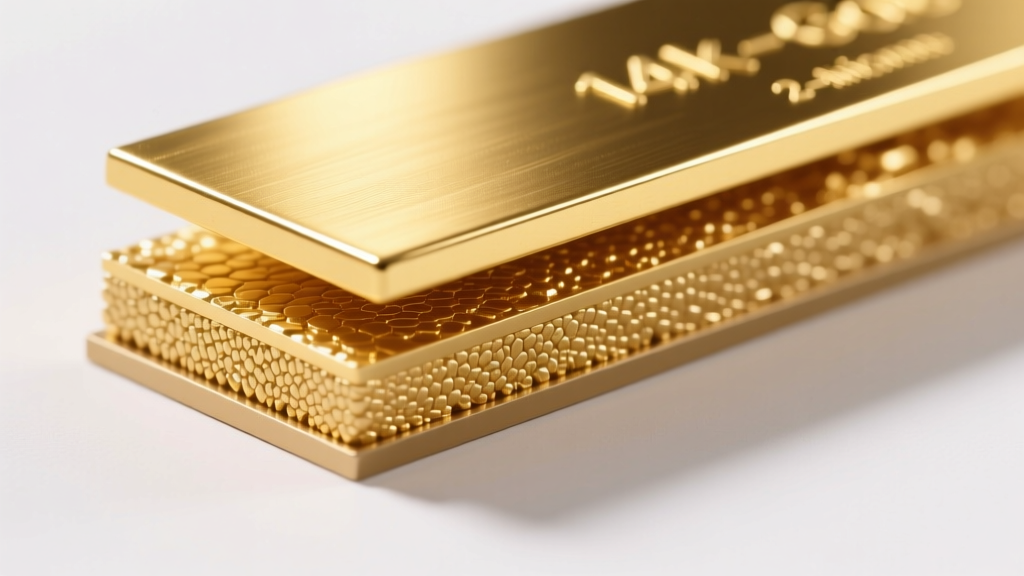
One of the most critical material properties to consider when wearing plated brass jewelry is the risk of contact dermatitis. In the electroplating process, a 'nickel strike' layer is often applied to the raw brass before the final gold or rhodium plating. This microscopic layer of nickel acts as a barrier to prevent the copper and zinc from migrating into the gold layer and causing discoloration, while also providing a smooth, highly reflective surface for the final finish.
The danger arises when the thin outer layer of gold wears away due to friction from hair, clothing, or the natural acidity of your skin. Once the nickel strike is exposed, prolonged contact with the skin can trigger severe allergic reactions in sensitized individuals. According to the Mayo Clinic, nickel allergy is one of the most common causes of allergic contact dermatitis, affecting up to 36% of women globally. If you have a known nickel sensitivity, wearing Coach C earrings in humid environments or during exercise (where sweat accelerates metal ion leaching) is highly discouraged.
Troubleshooting Green Skin and Tarnish
Even if the earrings do not contain a nickel strike, the underlying brass is an alloy of copper and zinc. When copper reacts with the chlorides and fatty acids present in human sweat, it produces copper chloride, which manifests as a green or black residue on the skin. This is not a sign of 'fake' gold, but rather a natural chemical reaction indicating that the gold plating has worn through to the brass base. To mitigate this, you can apply a microscopically thin layer of clear nail polish or a specialized jewelry barrier cream to the earring posts and backs, creating a physical shield between the reactive metal and your skin.
Stone Settings and Enamel Durability
Many variations of Coach C earrings feature pavé cubic zirconia (CZ) or guilloché enamel details. The material properties of the base metal directly impact the security of these embellishments. Because brass and zinc alloys are relatively soft compared to platinum or palladium, the prongs used to secure pavé stones are more prone to snagging and lifting. Over time, the tensile fatigue of soft brass prongs can lead to stone loss.
Furthermore, the thermal expansion coefficient of brass differs from that of cubic zirconia and glass enamel. If the earrings are exposed to rapid temperature changes—such as wearing them in a sauna or leaving them in a hot car—the base metal expands and contracts at a different rate than the stones or enamel, potentially causing micro-fractures in the enamel or loosening the adhesive used in glued stone settings.
Structural Integrity: Post Gauge and Clasp Mechanics
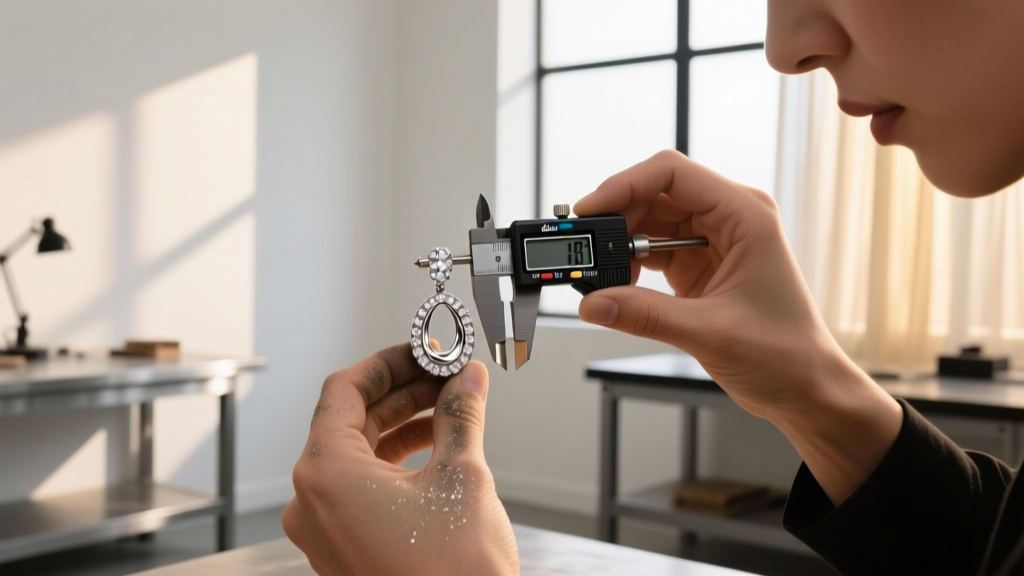
An often-overlooked aspect of earring material analysis is the structural gauge of the post. Fine jewelry and body jewelry typically utilize 18-gauge (1.02mm) or 16-gauge (1.29mm) posts to ensure the metal can support the weight of the earring without bending. Fashion earrings, including the Coach C line, frequently use thinner 20-gauge (0.81mm) or even 22-gauge (0.64mm) posts to reduce material costs and accommodate standard butterfly friction backs.
A 20-gauge brass post lacks the tensile strength of a solid 14k gold or titanium post of the same thickness. If the earring is bumped or caught on a sweater, the thin brass post will easily bend or snap. Additionally, the butterfly backs provided with fashion earrings are often made of stamped base metal with weak spring tension, leading to a higher rate of lost earrings compared to the secure, threaded, or locking clasps found on fine jewelry alternatives.
Longevity and Care Protocols for Plated Alloys
To maximize the lifespan of plated brass earrings and delay the inevitable wear-through of the precious metal layer, strict adherence to a specialized care protocol is required:
- Avoid Ultrasonic Cleaners: Never use ultrasonic jewelry cleaners or harsh chemical dips on plated fashion earrings. The high-frequency vibrations and acidic solutions will strip the micron-thin gold or rhodium layer instantly.
- Wipe After Wear: Use a clean, dry, lint-free microfiber cloth to gently wipe the earrings after every use. This removes skin oils, sweat, and environmental pollutants that accelerate galvanic corrosion.
- Moisture Isolation: Store the earrings in an airtight anti-tarnish pouch with a silica gel desiccant packet. Humidity is the primary catalyst for brass oxidation and silver sulfide tarnishing.
- Order of Application: Always apply perfumes, hairsprays, and lotions before putting on your earrings. The alcohol and volatile organic compounds (VOCs) in cosmetics can chemically degrade both the metal plating and the epoxy resins used in stone settings.
Final Verdict: When to Choose Fashion vs. Fine
Coach C earrings offer excellent aesthetic value, brand recognition, and trend-driven designs that solid fine jewelry often cannot match at the same price point. They are an ideal choice for occasional wear, seasonal trends, and individuals who prefer to rotate their jewelry frequently. However, from a strict metallurgical and material properties perspective, they are not designed for 24/7 wear, sleeping, or showering. If you require a hypoallergenic, structurally robust piece of jewelry for a fresh piercing, daily wear, or an active lifestyle, investing in solid 14k gold or implant-grade titanium remains the superior, biologically safe choice.


