Diamond Earring Settings: The Ultimate Buying Guide
Discover how to choose the perfect diamond earring settings. Compare martini, basket, and crown styles, metal types, and security features for your studs.

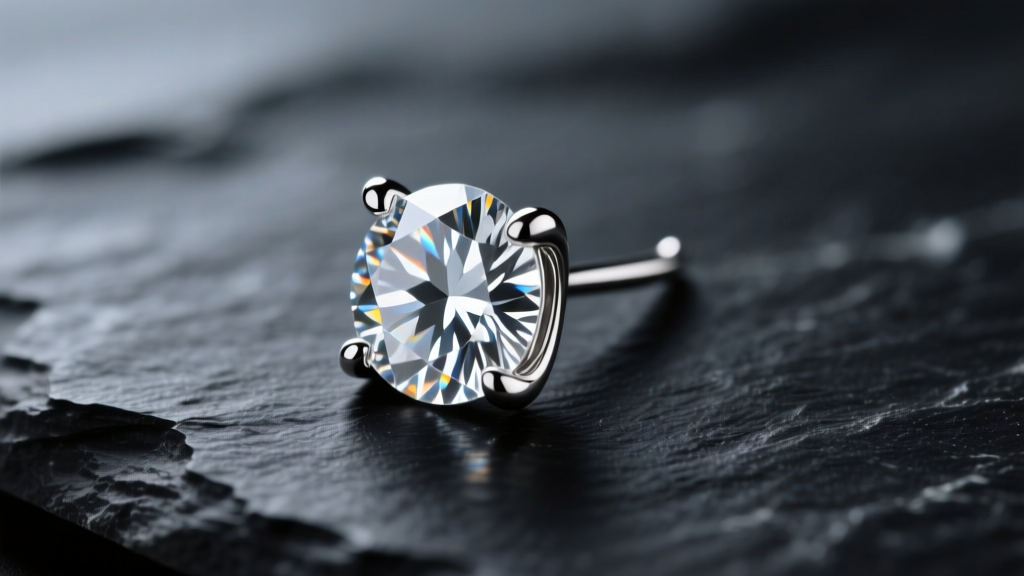
Why the Setting Matters More Than You Think
When investing in diamond studs, buyers traditionally obsess over the 4Cs—cut, color, clarity, and carat. However, the mounting itself dictates how the diamond performs on the ear. As we navigate the 2026 jewelry market, the surge in precision-cut lab-grown diamonds has shifted buyer focus toward the architectural nuances of the mount. The right diamond earring settings will maximize light return, sit flush against the earlobe, and secure your investment for decades. According to the Gemological Institute of America (GIA), a poorly proportioned setting can obstruct up to 15% of a diamond's pavilion, effectively muting its brilliance and scintillation.
This guide cuts through the marketing fluff to provide a masterclass in selecting the ideal mounting for your diamonds, covering structural integrity, metal alloys, and post mechanics.
The Big Three: Martini, Basket, and Crown Settings
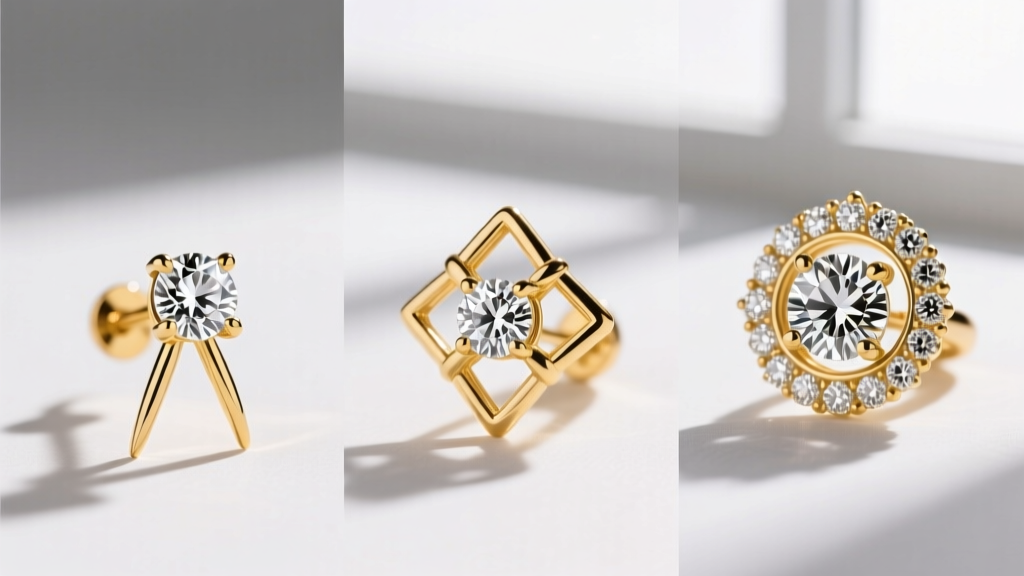
The silhouette of your stud is determined by its gallery and head style. There are three primary categories of diamond earring settings, each with distinct mechanical advantages and aesthetic profiles.
1. Martini Settings
Named for its funnel-like silhouette, the martini setting typically utilizes three prongs that taper down to a single point on the post. Because it uses less metal at the base, it allows maximum light to enter the pavilion of the diamond. However, the pinpoint weight distribution means the center of gravity is pushed outward. For diamonds exceeding 1.00 carat, martini settings are notorious for causing 'earring droop,' where the heavy stone pulls the earlobe forward.
2. Basket Settings
Basket settings feature a flat, horizontal base (the gallery) with four prongs extending upward. This design distributes the weight of the diamond evenly across a wider surface area of the earlobe, virtually eliminating droop. While highly secure and ideal for heavier stones, a poorly designed basket with a thick gallery wire can block light from entering the lower facets. Look for 'open gallery' or 'wire basket' designs to mitigate this issue.
3. Crown and Halo Settings
Crown settings elevate the diamond on a tiered, multi-level pedestal. While they offer exceptional security and a vintage aesthetic, they add visual bulk and sit further away from the earlobe. These are best reserved for smaller carat weights (0.25ct to 0.50ct) where the added metal creates an illusion of greater size.
Comparative Framework: Choosing Your Silhouette
| Setting Style | Prong Count | Best Carat Range | Light Return | Droop Risk |
|---|---|---|---|---|
| Martini | 3 | 0.25ct - 0.75ct | Excellent | High (if >1.00ct) |
| Basket | 4 | 0.50ct - 3.00ct+ | Very Good | Low |
| Crown | 4 to 6 | 0.25ct - 0.50ct | Good | Moderate |
Metal Choices: Platinum vs. Gold Alloys
The metal you choose for your diamond earring settings directly impacts prong longevity and maintenance requirements. The American Gem Society (AGS) frequently highlights the structural differences between precious metal alloys in fine jewelry mountings.
- 950 Platinum: The undisputed king of prong security. Platinum is a dense, malleable metal that work-hardens. When scratched, the metal is displaced rather than lost, meaning prongs will not wear thin over decades of use. It is naturally white and requires zero rhodium plating.
- 14k White Gold: An alloy of gold mixed with nickel or palladium and plated with rhodium to achieve a bright white finish. Over 1 to 2 years, the rhodium wears off, revealing a slightly yellowish undertone. Prongs in 14k white gold eventually lose metal mass due to friction and require re-tipping every 10-15 years.
- 18k Yellow Gold: Softer than 14k alloys, 18k gold requires thicker prongs to maintain structural integrity. It is ideal for buyers who want a warm contrast against a high-color (D-F) diamond, but it demands more frequent prong checks.
Security Features: Posts, Gauges, and Backings
A diamond is only as secure as the post it sits on. The thickness of the earring post is measured in gauges, and selecting the correct gauge is critical for both comfort and security.
Post Gauge Sizing
Standard friction posts for lightweight fashion earrings are typically 22-gauge (0.64mm) or 20-gauge (0.81mm). However, for diamond earring settings holding stones over 0.75 carats, you must insist on an 18-gauge (1.02mm) or 16-gauge (1.29mm) post. Thinner posts will bend under the weight of a heavy diamond, warping the basket and loosening the prongs.
Backing Mechanisms
- Friction Backs (Butterfly): The industry standard. They rely on tension and a small groove on the post. They are easy to lose and offer minimal security for high-value stones.
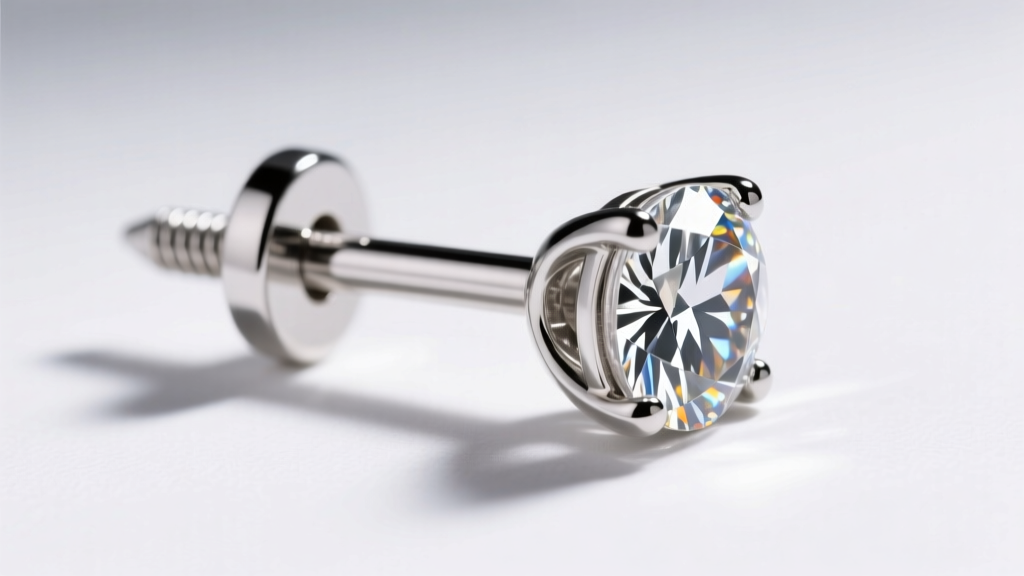
- Screw Backs: The post is threaded, and the backing screws on. While highly secure, threading a 1.0mm post blindly behind the earlobe can be frustrating and risks cross-threading, which destroys the post.
- La Pousette (Locking) Backs: The gold standard for 2026 luxury mountings. These feature a mechanical locking clutch that snaps securely into a groove and requires a simultaneous two-prong squeeze to release. They offer the security of a screw-back with the ease of a friction back.
Prong Count and Shape-Specific Protection
The number and shape of the prongs must be matched to the diamond's geometry. For round brilliant cuts, a 3-prong martini offers a modern, minimalist look, while a 4-prong basket provides a classic, symmetrical square appearance. A 6-prong setting maximizes security and makes the stone appear rounder from a distance, but it obscures more of the crown facets.
Critical Warning for Fancy Shapes: If you are setting a princess, emerald, or radiant cut diamond, you must use V-prongs at the corners. Standard rounded prongs leave the sharp 90-degree corners of these diamonds exposed. A minor bump against a granite countertop can easily chip an unprotected corner, drastically reducing the stone's value and structural integrity. For an exhaustive breakdown of how inclusions and setting pressure interact, consult the GIA Gem Encyclopedia.
Expert Sizing and Proportions Framework
When evaluating diamond earring settings, pay close attention to the 'gallery height'—the distance from the back of the earlobe to the culet (bottom point) of the diamond. If the gallery is too shallow, the culet will poke the back of your ear, causing irritation and forcing you to wear the backing loosely, which compromises security. Ideally, there should be a 1.5mm to 2.0mm clearance between the earlobe and the diamond's culet to allow for cleaning and comfortable backing placement.
Final Thoughts on Your Investment
Selecting the right diamond earring settings requires balancing aesthetic preferences with mechanical realities. Prioritize 18-gauge posts, opt for platinum or locking clutches for high-carat stones, and ensure your prong style matches your diamond's specific geometry. By focusing on these structural details, you ensure your diamonds remain secure, brilliant, and perfectly positioned for a lifetime of wear.


