Expert Tips for Wearing Heavy Earrings Without Damage
Learn expert tips for wearing heavy earrings safely. Discover lobe care, cleaning routines, and support hacks to prevent stretching and tearing.

The Biomechanics of Earlobe Stress
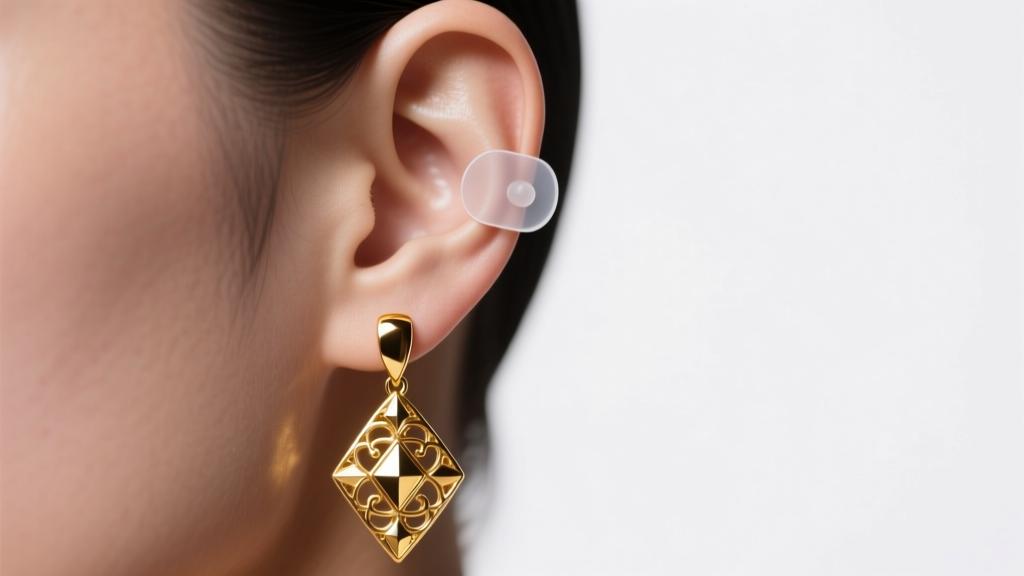
Statement jewelry is undeniably captivating, but the physical toll of wearing heavy earrings is often overlooked until damage occurs. Unlike the upper ear, which is supported by rigid cartilage, the earlobe is entirely devoid of cartilage. It is composed primarily of areolar connective tissue and adipose (fat) cells, encased in a delicate collagen matrix. When you suspend a heavy object from this soft tissue, gravity exerts a constant downward vector.
If the earring post is too thin, it creates a 'cheese-cutter effect.' Over time, this localized pressure causes micro-tears in the collagen fibers, leading to irreversible elongation, thinning of the lobe, and eventually, a complete split that requires surgical intervention. According to the American Society of Plastic Surgeons, earlobe tearing and stretching are among the most common reasons for cosmetic ear repair, heavily driven by the prolonged use of oversized, heavy fashion jewelry.
To enjoy dramatic drops and chandelier styles safely, you must adopt a proactive approach that combines structural hardware upgrades, active support systems, and meticulous post-wear care.
Pre-Wear Preparation: Choosing the Right Hardware
The first line of defense against lobe damage is the earring's post or wire. Most commercial fashion earrings are manufactured with 20-gauge (0.81mm) or 18-gauge (1.02mm) posts to save on metal costs. For heavy earrings, these gauges are entirely insufficient.
Upgrading Gauge Thickness
When wearing heavy earrings, you should seek out or retrofit your jewelry with thicker posts. A 16-gauge (1.29mm) or 14-gauge (1.63mm) post significantly increases the surface area distributing the weight across the piercing fistula (the healed skin tunnel). This wider distribution prevents the metal from slicing through the tissue.
Optimal Backing Systems
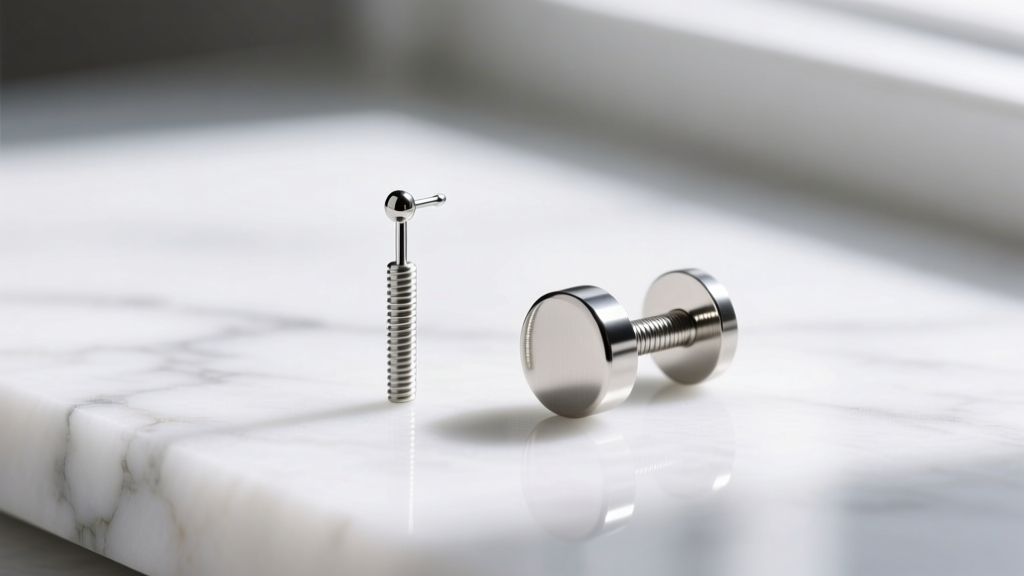
Standard 'butterfly' friction backs have a tiny surface area (approximately 4mm x 6mm). When a heavy earring pulls forward, the butterfly back digs into the posterior lobe, causing pressure necrosis and discomfort. Instead, utilize the following backing systems:
- 10mm to 12mm Silicone Disc Backs: These wide, flexible pads distribute pressure evenly across the back of the earlobe and provide high-friction grip to prevent the earring from drooping forward.
- Flat-Back Labret Posts: For extremely heavy pieces, replacing the standard post with a 14-gauge ASTM F-136 implant-grade titanium flat-back labret provides a flush, wide base against the skin that eliminates posterior digging.
- Locking Earlobe Supports: Brands like Blaux or generic silicone O-ring lock backs physically grip the post and rest flush against the skin, acting as a secondary anchor.
Active Support: Hacks While Wearing Heavy Earrings
Even with upgraded hardware, gravity will eventually win if the earring exceeds 15-20 grams per ear. Professional stylists and dermatologists recommend utilizing external support mechanisms to offload the weight from the piercing fistula entirely.
The Medical Tape Method
For a discreet, highly effective support system, use Leukotape or zinc oxide sports tape. Cut a one-inch square of the tape and use a sterilized needle to punch a tiny hole in the center. Thread the earring post through the tape before inserting it into your ear. The tape adheres to the back of your earlobe, transferring the weight of the earring to the broader skin surface rather than the piercing hole itself.
Earring Support Chains
For massive chandelier or shoulder-duster earrings, consider an earring support chain. These delicate chains attach to the backing of your earrings and drape behind your neck, functioning similarly to an eyeglass lanyard. They completely bypass the earlobe, allowing you to wear virtually any weight without tissue strain.
Post-Wear Care: Cleaning and Lobe Recovery
Heavy statement earrings often feature intricate designs, such as filigree, pavé settings, or layered resins. These crevices trap sebum, dead skin cells, environmental pollutants, and hair products. Because heavy earrings stretch the fistula slightly, the piercing is more susceptible to trapping bacteria, leading to localized infections or contact dermatitis, a common issue detailed by the American Academy of Dermatology.
Cleaning Protocols by Material
Never use a one-size-fits-all approach to cleaning heavy jewelry. Harsh chemicals can strip plating or fracture porous stones often used in large statement pieces.
| Material | Cleaning Agent | Tool | Frequency |
|---|---|---|---|
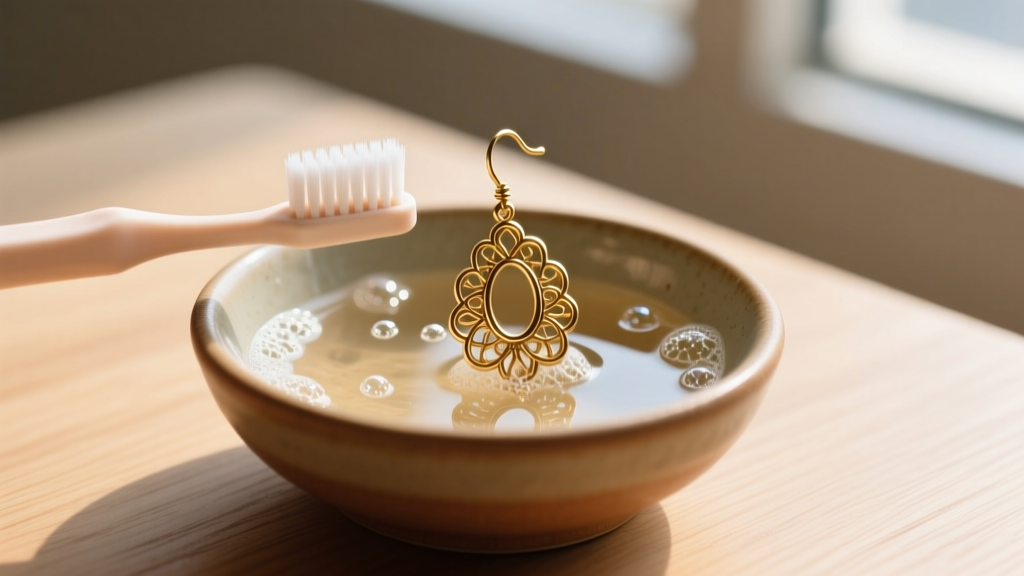
| Solid 14k/18k Gold | Mild dish soap + warm water | Soft baby toothbrush | Weekly |
| Vermeil / Gold Plated | Damp microfiber cloth | No brushes (prevents wear) | After each wear |
| Resin / Acrylic | 70% Isopropyl alcohol | Cotton swab | Bi-weekly |
| Porous Stones (Turquoise, Opal) | Dry jewelry polish cloth | No liquids or ultrasonics | As needed |
Earlobe Massage and Tissue Recovery
After removing heavy earrings, your earlobes need active recovery to promote blood flow and maintain collagen elasticity. Apply a single drop of pure jojoba oil or Vitamin E oil to your fingertips. Gently massage the earlobe in a circular motion for 30 to 60 seconds. This stimulates microcirculation, helps flush out trapped lymphatic fluid that causes swelling, and keeps the fistula supple, preventing the formation of rigid scar tissue inside the piercing.
Troubleshooting Common Heavy Earring Failures
'If you experience a sharp, localized burning sensation while wearing heavy metals, remove them immediately. This is often the first sign of a micro-tear or a nickel allergy flare-up exacerbated by the friction of a heavy post moving against compromised skin.'
The 'Green Skin' Phenomenon
Many heavy, affordable statement earrings are cast in brass or copper alloys. When these metals mix with the natural acids and salts in your sweat, they undergo oxidation, leaving a green or black residue on your earlobe. This is not inherently dangerous, but it indicates the metal is degrading. To prevent this, coat the earring post and the back of the earring with a thin layer of clear nail polish or a specialized jewelry barrier coating before wearing.
Post-Droop and Asymmetry
If you notice your heavy earrings are consistently pointing toward the floor rather than hanging straight, your piercing angle may be shifting, or the fistula has stretched. Switch to a flat-back labret post with a silicone O-ring lock to force the earring head to sit flush and perpendicular to the earlobe. If the lobe feels paper-thin to the touch, cease wearing heavy jewelry immediately and allow the tissue to rest and regenerate for a minimum of four weeks.
Conclusion
Wearing heavy earrings does not have to result in irreversible lobe damage. By understanding the biomechanics of your ear tissue, upgrading to thicker 14-gauge hardware, utilizing medical-grade support tapes, and adhering to strict, material-specific cleaning protocols, you can safely enjoy dramatic statement jewelry. Treat your earlobes with the same care you give to your most precious gemstones, and they will support your style for a lifetime.


