The Truth About Macys Ruby Earrings: A 2026 Gemological Guide
An expert gemological breakdown of Macys ruby earrings, covering treatments, lab-created vs. genuine stones, metal alloys, and pricing.

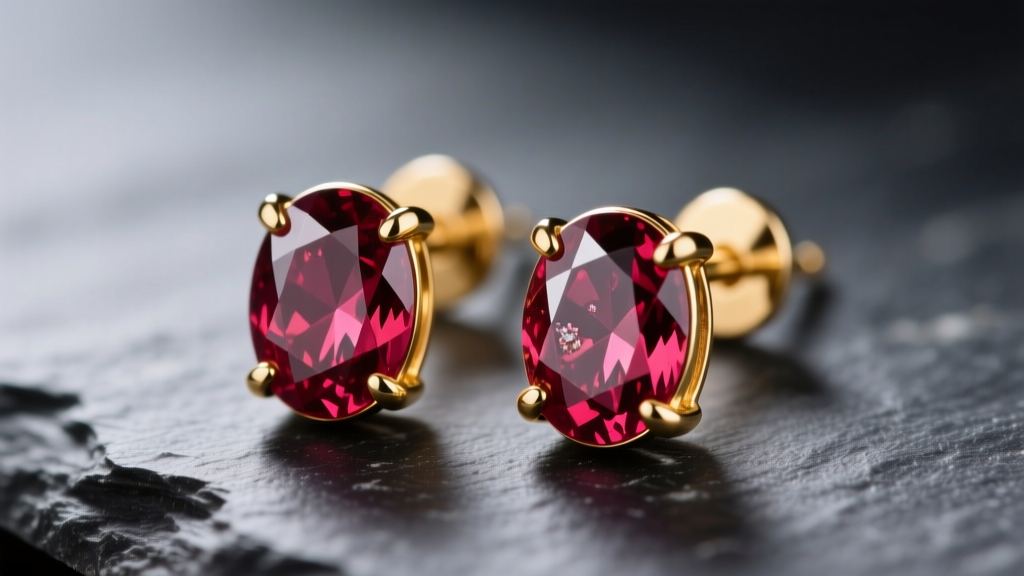
When navigating the expansive jewelry counters of major department stores, buyers are often confronted with a dizzying array of gemstone options. For those specifically searching for macys ruby earrings, the sheer volume of inventory—ranging from $29.99 fashion pieces to $15,000 fine jewelry—requires a discerning, gemological eye. In 2026, understanding the technical specifications, treatment disclosures, and metallurgical realities of department store rubies is no longer optional; it is essential for making an informed investment.
The Spectrum of Macys Ruby Earrings: Fine vs. Fashion
Macy's segments its jewelry inventory into distinct tiers, each governed by different manufacturing standards and material sourcing. Understanding where a specific pair of earrings falls on this spectrum dictates its longevity, value retention, and care requirements.
Fine Jewelry Lines (EFFY, Le Vian, Macy's Proprietary)
The fine jewelry counters feature genuine corundum (ruby). However, 'genuine' does not mean 'untreated.' The vast majority of commercial-grade rubies sold at Macy's in the $500 to $3,000 range have undergone standard heat treatment to dissolve rutile silk inclusions and enhance the chromium-driven red saturation. Premium lines may feature Mozambique or, rarely, Burmese origins, though exact origin disclosure is rarely provided on standard department store tags unless accompanied by a third-party lab report from AGS or GIA.
Fashion and Bridge Lines (Charter Club, Bar III, INC)
Lower-priced tiers frequently utilize lab-created rubies or simulants. While often marketed with ambiguous terms like 'ruby-toned' or 'gemstone,' these are not natural corundum. Lab-created stones share the exact chemical composition (Al2O3 with Cr impurities) but are grown in controlled environments, resulting in flawless clarity that rarely occurs in nature.
Gemological Treatments: What the Tags Don't Always Highlight
According to the Gemological Institute of America (GIA), virtually all commercial rubies are treated. When evaluating macys ruby earrings, you must look beyond the carat weight and scrutinize the treatment type, as it drastically affects durability and value.
- Standard Heat Treatment: Widely accepted in the gemological community. Temperatures up to 1800°C are used to improve color and clarity. This is stable and permanent.
- Lead-Glass Filling (Composite Rubies): A highly controversial treatment where low-grade, heavily fractured corundum is infused with high-lead-content glass. These stones are incredibly fragile. Exposure to common household cleaners, or even the citric acid in a lemon, can destroy the glass filler, leaving a cloudy, ruined stone. Macy's is required to disclose this if asked, but it is often buried in fine print.
- Beryllium Diffusion: A lattice-level treatment where beryllium is introduced during heating to alter the stone's color. While stable, it significantly lowers the gem's market value compared to traditionally heated stones.
Lab-Created vs. Simulated: The Growth Process Distinction
Many shoppers conflate 'lab-created' with 'simulated.' They are fundamentally different. Simulated rubies (often red cubic zirconia, glass, or synthetic spinel) merely mimic the color. Lab-created rubies are chemically identical to mined stones. However, the method of creation dictates the optical properties and cost.
The Verneuil (Flame Fusion) Process
The most common and inexpensive method for creating lab rubies found in Macy's bridge collections. Aluminum oxide powder is dropped through a high-temperature flame, melting onto a boule. Under 10x magnification, Verneuil rubies exhibit curved striae (growth lines) and occasional gas bubbles. They are optically slightly different from natural rubies but offer exceptional durability (Mohs 9) at a fraction of the cost.
Flux-Grown Synthetics
A slower, more expensive process that mimics natural geological conditions. Flux-grown rubies take months to crystallize and often contain platinum crucible inclusions. They are visually closer to natural rubies and command a higher price point, occasionally appearing in Macy's premium designer collections.
Technical Specification Matrix: Macys Ruby Earring Tiers
| Tier | Material | Typical Metal | Price Range (2026) | Durability & Care |
|---|---|---|---|---|
| Fashion | Simulant (CZ/Glass) | Sterling Silver / Base Metal | $19 - $79 | Low; prone to scratching and coating wear. |
| Bridge | Lab-Created (Verneuil) | 10k Gold / Silver | $80 - $250 | High; Mohs 9, safe for ultrasonic cleaners. |
| Fine Commercial | Genuine (Heated / Filled) | 10k or 14k Gold | $300 - $1,500 | Variable; avoid acids if glass-filled. |
| Fine Premium | Genuine (Heated, Unfilled) | 14k or 18k Gold | $2,000 - $10,000+ | Excellent; standard gemstone care applies. |
Metallurgy and Setting Architecture
The longevity of macys ruby earrings is equally dependent on the metal alloy and the setting architecture. Department stores frequently utilize 10k gold (41.7% pure gold) to hit attractive price points. While 10k is highly durable and resistant to bending, it contains higher amounts of copper and zinc, which can cause allergic contact dermatitis in sensitive wearers and may tarnish over time. For optimal hypoallergenic properties and rich color, 14k (58.3% pure) or 18k (75% pure) gold is vastly superior.
Beyond the alloy, evaluate the earring post gauge and backing mechanism. Standard department store posts are often 0.8mm (20 gauge). If you are purchasing heavy ruby drops or large cluster studs, a 0.8mm post will bend under the gemstone's weight, leading to earlobe tearing and lost jewelry. Demand 0.9mm or 1.0mm (18 gauge) posts for heavier pieces, and opt for screw-backs or la pousette (butterfly) security backs rather than standard friction backs, which easily slip off over time.
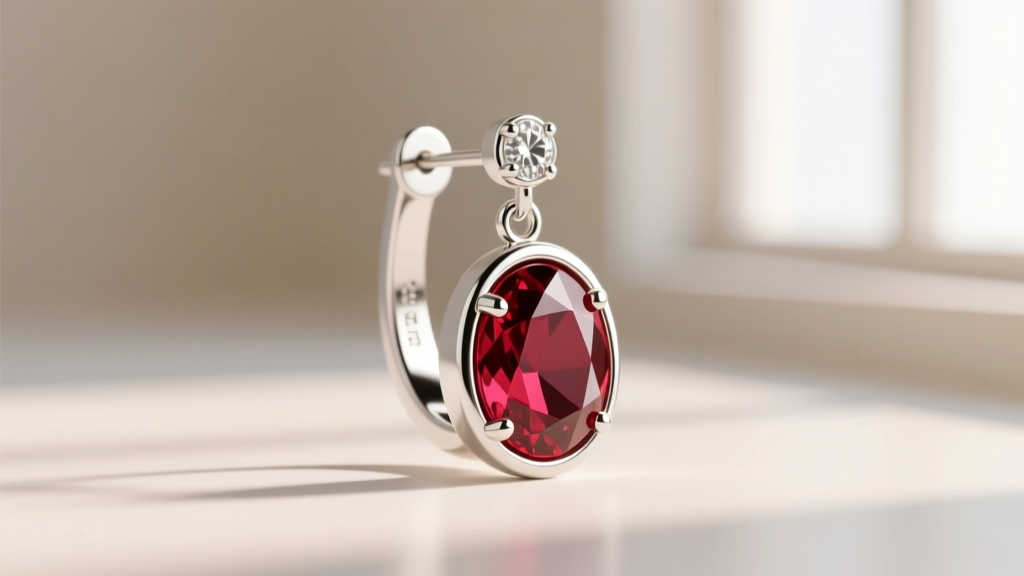
For the settings, evaluate the prong structure. Rubies are tough, but a poorly cast prong will snap. Look for V-prongs on pear or marquise cuts to protect the acute tips. Bezel settings, where a continuous metal rim wraps around the gemstone's girdle, offer superior protection for active lifestyles, preventing the ruby from catching on textiles.
Navigating FTC Disclosures and Pricing Realities
The Federal Trade Commission (FTC) Jewelry Guides mandate that sellers must disclose any treatment that significantly affects the value, durability, or requires special care of a gemstone. When purchasing at Macy's, always ask the associate for the 'gemstone disclosure card.' If the earrings feature fracture-filled rubies, the tag must explicitly state that the stone is not durable and requires special care. If this disclosure is missing, reconsider the purchase.
Furthermore, be wary of 'original price' anchoring. Department store fine jewelry is frequently marked up 300% to 500% above wholesale, with perpetual 'sales' bringing the price down to actual market value. A pair of 14k gold, 2.00 CTW genuine ruby earrings marked down from $4,500 to $1,299 is likely priced at its true retail market value. Use the 2026 wholesale metric of $150-$400 per carat for commercial-grade heated Mozambique rubies to gauge the fairness of the 'sale' price.
Final Expert Verdict
Macys ruby earrings offer accessible entry points into colored gemstone jewelry, provided the buyer approaches the counter with technical literacy. For everyday wear, lab-created Verneuil rubies set in 14k gold offer the best ratio of durability, optical beauty, and price. For heirloom investments, demand third-party lab reports verifying origin and treatment before committing to the premium fine jewelry tiers. Always inspect the setting architecture under magnification, verify the post gauge, and never assume 'genuine' equates to 'untreated.'


