Flower Earrings Men: Metal Material Comparison Guide
Discover the best metals for flower earrings men. Compare titanium, platinum, and gold properties, gauge sizes, and care tips for masculine floral styles.

The Rise of Masculine Floral Jewelry
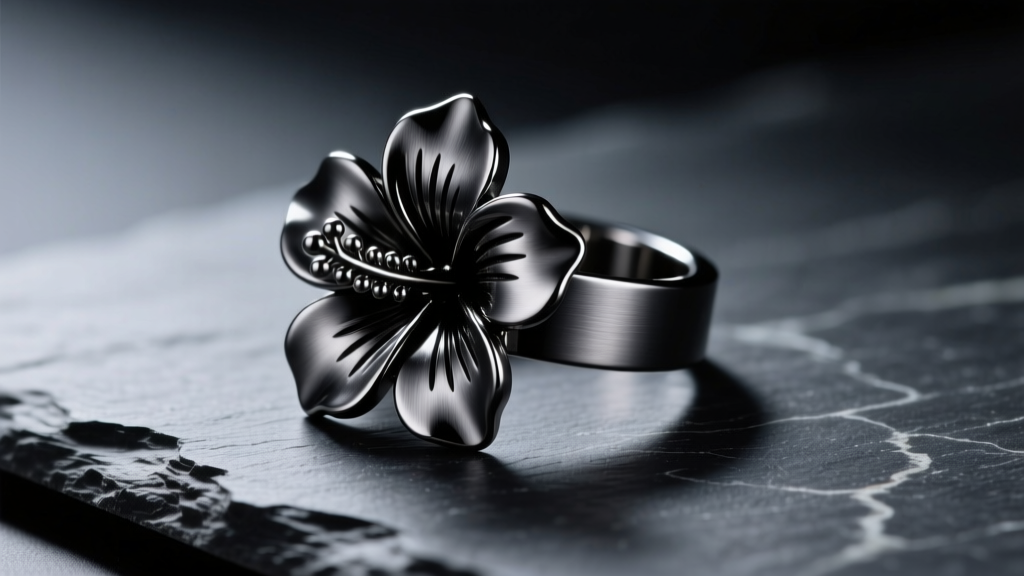
Floral motifs in men's jewelry have evolved far beyond the stereotypical delicate daisy studs. Today, flower earrings men are characterized by geometric abstraction, oxidized finishes, and structural depth. Think matte black titanium lotus cuffs, oxidized silver rose plugs, or minimalist platinum hibiscus huggies. However, the success of these pieces relies entirely on the underlying metallurgy. A poorly chosen metal will tarnish, cause contact dermatitis, or fail structurally when cast into the intricate petals and stamens required for floral designs.
This guide breaks down the exact material properties, alloy grades, and structural limitations of the top metals used in men's floral earrings, providing a data-driven framework for your next purchase or custom commission.
Comparative Analysis: Top Metals for Men's Floral Earrings
When selecting a metal for intricate botanical shapes, we must balance malleability (for casting detail), hardness (to prevent petal bending), and biocompatibility. Below is a technical comparison of the four most viable metals.
| Metal / Alloy | Vickers Hardness (HV) | Detail Resolution | Tarnish Resistance | Ideal Floral Style | Price Range (USD) |
|---|---|---|---|---|---|
| Grade 23 Titanium (Ti 6Al-4V ELI) | 300-330 | Medium | 100% | Geometric cuffs, matte plugs | $45 - $120 |
| Platinum 950 (Pt950/Ru) | 130-145 | Exceptional | 100% | Micro-pavé roses, fine dangles | $800 - $3,500+ |
| Argentium Silver 935 | 105-115 | High | 90% (Highly resistant) | Oxidized lotus, tribal vines | $85 - $250 |
| 14k White Gold (Nickel-Free) | 135-150 | High | 80% (Requires rhodium) | Classic studs, huggie hoops | $300 - $900 |
Deep Dive: Material Properties and Botanical Casting
Titanium: The Industrial Botanist
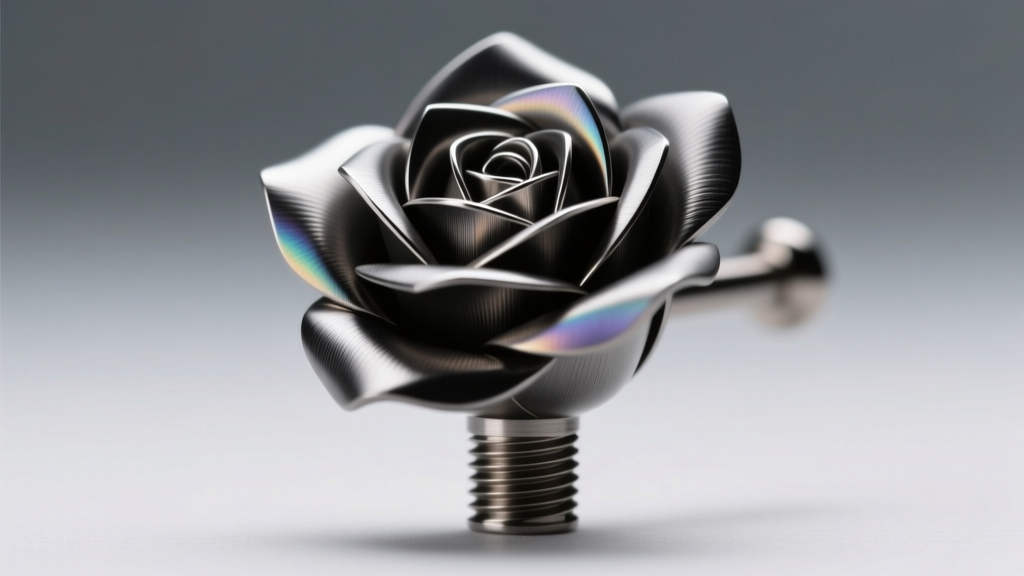
For men seeking a rugged, utilitarian aesthetic, ASTM F136 or F67 Titanium is the undisputed champion. Grade 23 (Ti 6Al-4V ELI) is aerospace-grade and entirely hypoallergenic. Because titanium cannot be cast using traditional jewelry lost-wax methods—it requires vacuum arc melting or CNC milling—titanium flower earrings tend to feature sharp, geometric, or abstract petal structures rather than soft, organic curves. Anodizing allows for gunmetal, deep blues, and rich purples without using toxic surface platings.
Argentium Silver: The Oxidation Master
Standard sterling silver (925) tarnishes rapidly due to its copper content. Argentium 935 replaces some copper with germanium, drastically reducing tarnish while maintaining the bright white luster necessary for high-contrast oxidation. Jewelers use liver of sulfur to blacken the recessed veins of a silver leaf or rose petal, then polish the high points. Argentium holds this antique finish significantly longer than standard sterling, making it ideal for grunge or gothic floral aesthetics favored in men's alternative fashion.
Platinum 950: The Heirloom Standard
Platinum is dense, heavy, and naturally white. Alloyed with 5% ruthenium (Pt950/Ru), it achieves a hardness that prevents the delicate stamens or petal edges of a floral design from bending during daily wear. Unlike white gold, platinum does not require rhodium plating, meaning the micro-texture of a sandblasted petal surface will remain intact for decades. It is the premier choice for men wanting a luxury, understated floral huggie or diamond-accented stud.
Gauge Sizing and Structural Integrity
The weight and gauge of the earring dictate how the floral design sits on the ear. Heavy metals like platinum require careful engineering to avoid lobe tearing.
- Standard Lobe (20g - 18g / 0.81mm - 1.0mm): Best for lightweight titanium or hollow-cast gold studs. Floral designs here must remain under 4 grams to prevent migration.
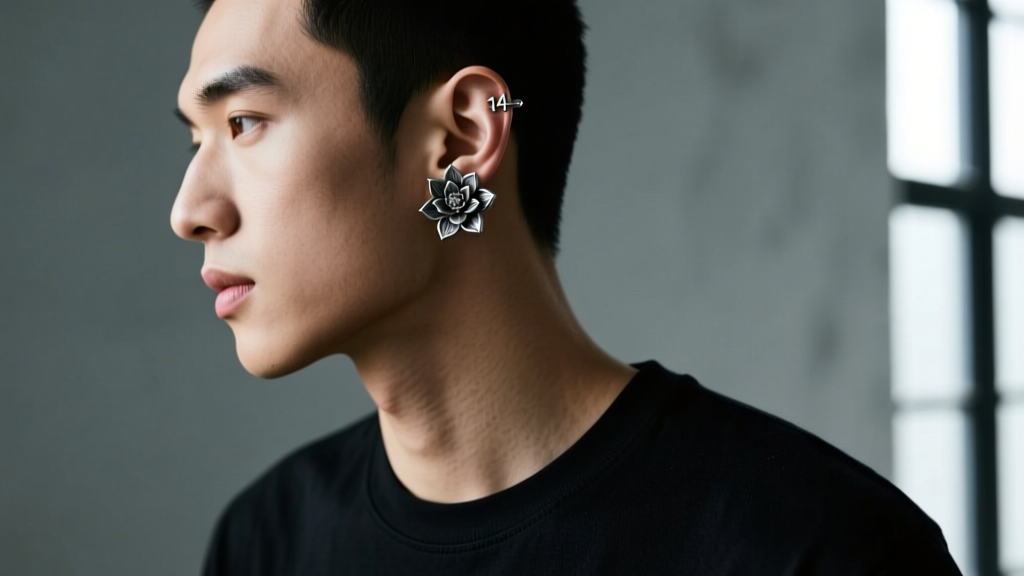
- Cartilage / Helix (16g - 14g / 1.2mm - 1.6mm): Thicker posts are required for structural support. A 14g titanium lotus cuff provides the necessary rigidity to hug the helix without warping.
- Stretched Lobes (8g - 00g / 3.2mm - 10mm): Plugs and tunnels are the primary canvas for men's floral jewelry here. Wood inlays with metal caps or solid steel/titanium carved roses are common. Ensure the O-rings are made of medical-grade silicone to prevent allergic reactions against the heavy metal weight.
Identifying Authenticity and Avoiding Base Metal Traps
The market is flooded with cheap, zinc-alloy 'floral' earrings marketed to men, often plated with a thin layer of silver or black rhodium. These will cause severe contact dermatitis and degrade within months. According to the Nickel Institute, up to 20% of men develop a nickel allergy from prolonged exposure to cheap white gold or brass alloys.
The Verification Checklist
- Hallmark Stamps: Look for '950Pt', '935' (Argentium), '750' (18k Gold), or 'Ti'. Avoid '925' unless you are prepared for maintenance, and never buy unmarked metals for fresh piercings.
- Magnetic Testing: Titanium, platinum, gold, and silver are entirely non-magnetic. If a supposed 'titanium' floral magnet clings to a fridge or neodymium magnet, it contains steel or iron and will rust.
- Weight Density: Platinum is exceptionally dense (21.45 g/cm³). A platinum floral huggie will feel noticeably heavier than an identically sized stainless steel or silver piece.
Maintenance Protocols by Metal Type
Maintaining the sharp contrast of a men's floral earring requires specific chemical care. Never use ultrasonic cleaners on oxidized Argentium silver, as the high-frequency vibrations and chemical baths will strip the intentional black patina from the petal crevices. Instead, use a polishing cloth strictly on the raised edges. For titanium and platinum, a simple soak in warm water with a few drops of Dawn dish soap and a soft-bristled baby toothbrush will remove sebum buildup trapped in the intricate floral geometries without damaging anodized surfaces or micro-pavé settings.