Ermani Bulatti Earrings: 2026 Vintage Value & Buying Guide
Discover the true market value of vintage Ermani Bulatti earrings in 2026. Learn to authenticate hallmarks, assess gold plating, and price estate pieces.

The Resurgence of 1980s Power Jewelry
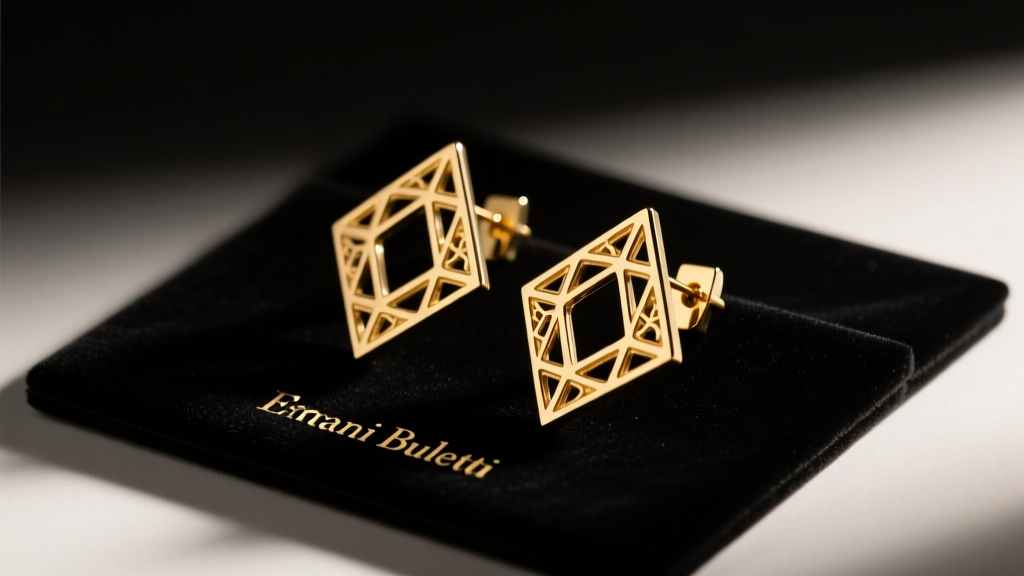
In the landscape of 2026 vintage fashion, the appetite for bold, architectural costume jewelry has reached a fever pitch. Among the most highly sought-after estate pieces are Ermani Bulatti earrings, a staple of 1980s and 1990s power dressing. Known for their sculptural silhouettes, heavy gold electroplating, and dramatic presence, these earrings offer a masterclass in vintage glamour. However, navigating the secondary market requires a sharp eye for material integrity, hallmark authentication, and fair market pricing. Whether you are a seasoned collector or a budget-conscious buyer looking for statement pieces that outshine modern fast-fashion alternatives, understanding the true value of Ermani Bulatti is essential.
Unlike contemporary demi-fine jewelry that relies on thin gold vermeil over sterling silver, vintage Ermani Bulatti pieces were engineered for structural dominance. This comprehensive value assessment breaks down the metallurgy, pricing matrices, and condition checkpoints you need to make an informed purchase in today's estate jewelry market.
Material Breakdown: What Are You Actually Buying?
To accurately assess the budget and value of Ermani Bulatti earrings, you must first understand their material composition. Ermani Bulatti did not typically work in solid gold. Instead, the brand specialized in high-end costume jewelry utilizing Heavy Gold Electroplate (HGE) or thick gold-filled layers over a brass or base-metal alloy core.
The Metallurgy of Vintage Gold Plating
Modern gold-plated jewelry often features a microscopic 'flash' plating of less than 0.5 microns, which rubs off within months. In contrast, vintage 1980s HGE standards required a minimum of 2.5 microns of 18K or 24K gold. This substantial thickness gives authentic Ermani Bulatti earrings their signature rich, buttery yellow hue and allows them to survive decades of wear without exposing the base metal, provided they were stored correctly.
- Base Metal: Primarily cast brass or bronze, chosen for its weight and ability to hold intricate, sculptural molds without bending.
- Plating: 18K to 24K gold electroplate, often finished with a high-polish or brushed satin texture.
- Accent Materials: Faux baroque pearls, poured glass cabochons, and carved resin elements designed to mimic jade, onyx, or coral.
Because the base metal is not precious, the intrinsic melt value of these earrings is negligible. The financial value is derived entirely from the brand's design heritage, the condition of the gold plating, and the rarity of the specific mold.

2026 Pricing Matrix: Fair Market Value
Pricing for Ermani Bulatti earrings fluctuates based on the complexity of the design, the presence of original packaging, and the functionality of the earring backs. Based on current data from leading estate jewelry platforms like 1stdibs vintage jewelry archives and Ruby Lane estate markets, here is the 2026 fair market value matrix.
| Earring Style | Condition Grade | Estimated Price Range (USD) | Value Drivers |
|---|---|---|---|
| Simple Geometric Clip-Ons | Good (Minor wear) | $35 - $65 | Entry-level vintage, everyday wearability |
| Sculptural Omega-Back Hoops | Excellent (No brass bleed) | $85 - $140 | High demand for secure, non-pierced options |
| Faux Pearl & Cabochon Drops | Mint (Original box included) | $150 - $225 | Rarity, completeness, high-end collector appeal |
| Asymmetrical/Avant-Garde Studs | Fair (Plating loss present) | $20 - $40 | Project pieces, value severely impacted by wear |
Appraiser's Note: Listings pricing standard Ermani Bulatti clip-ons above $150 without exceptional provenance or rare gemstone-grade glass cabochons are generally overvalued. Always cross-reference sold listings rather than asking prices.
Authentication and Hallmark Identification
The secondary market is flooded with unmarked vintage gold-tone earrings misattributed to famous designers. Authenticating Ermani Bulatti earrings requires locating and analyzing the hallmark.
Where to Look
The signature is typically stamped on the reverse side of the earring. For clip-ons, check the flat paddle of the clip mechanism. For omega-backs or post earrings, the stamp is usually located on the main body of the earring near the hinge or post base.
Hallmark Variations
- The Full Signature: 'Ermani Bulatti' in a clean, serif or sans-serif font, often accompanied by the copyright symbol (©).
- The Plating Mark: You may occasionally see '18K HGE' or '24K HGE' stamped alongside the name, confirming the heavy electroplate standard.
- Font Consistency: Counterfeit or misattributed pieces often feature sloppy, laser-etched, or modern-looking stamps. Authentic 1980s pieces feature deep, clean die-struck or cast hallmarks that feel integrated into the metal.
Condition Checklist: Spotting Value-Killing Flaws
When conducting a budget and value assessment, condition is everything. A $120 pair of earrings can quickly become a $20 liability if specific failure modes are present. Use this checklist before purchasing vintage Ermani Bulatti earrings online or at estate sales.
1. Plating Loss and 'Brass Bleed'
Inspect the high-friction areas: the edges of the clips, the hinges, and the parts of the earring that rest against the earlobe. If you see a dull, dark yellow or brownish tint, the gold plating has worn through to the brass base. This is known as 'brass bleed.' Not only does this ruin the aesthetic, but exposed brass can also cause skin discoloration and allergic reactions. Verdict: Avoid pieces with severe brass bleed unless you plan to have them professionally re-plated, which often costs more than the earrings are worth.
2. Omega-Back Spring Fatigue
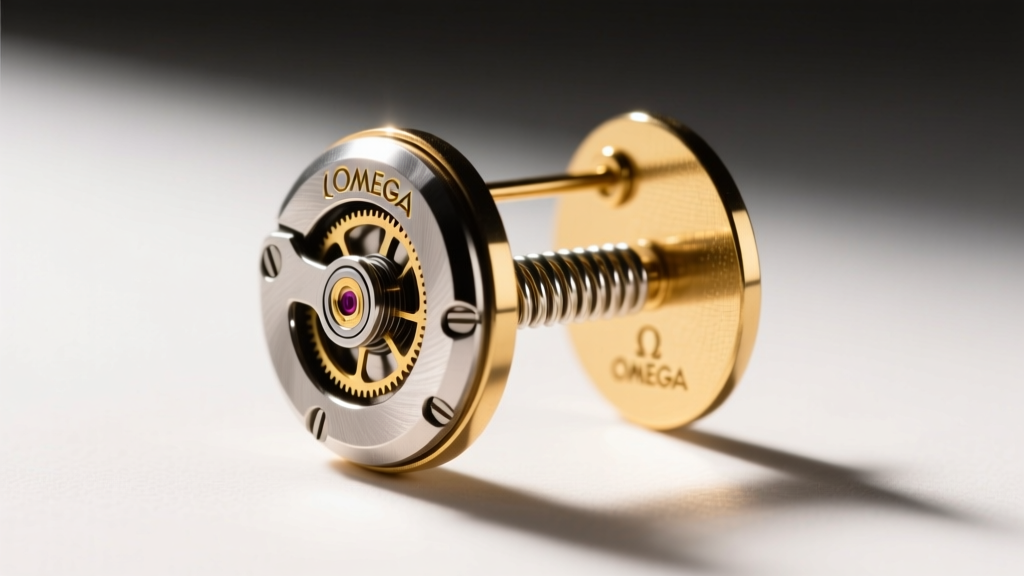
Many Ermani Bulatti earrings designed for non-pierced ears utilize an omega-back mechanism—a hinged wire that snaps into a catch, combined with a padded clip for comfort. Over 40 years, the internal tension springs can fatigue. If the omega wire does not snap shut with a firm, audible click, the earring will fall off during wear. Verdict: Negotiate the price down by at least 30% if the mechanism is loose, as repair requires a specialized vintage jewelry bench jeweler.
3. Faux Pearl Nacre Peeling
If the design incorporates faux baroque or round pearls, examine them under a bright light. Vintage faux pearls were created by dipping glass beads into a solution derived from fish scales (essence d'orient). Over time, or if exposed to perfume and humidity, this coating can crack, peel, or yellow. Verdict: Peeling pearls drastically reduce collector value. Only buy if the pearls are pristine or if you intend to replace them yourself.
Investment Verdict: Vintage Costume vs. Modern Demi-Fine
Is it a better use of your budget to buy vintage Ermani Bulatti earrings or modern demi-fine alternatives? If your goal is to acquire heavy, sculptural, statement-making jewelry, the vintage route offers superior value. A modern $85 pair of gold-vermeil hoops will likely feature a hollow, lightweight construction and thin plating over silver that tarnishes quickly when the gold wears off. Conversely, an $85 pair of pristine Ermani Bulatti HGE earrings offers substantial weight, intricate 3D casting, and a thicker gold layer that has already proven its longevity over four decades.
While Ermani Bulatti earrings will not yield a return on investment like solid gold or precious gemstones, they represent an exceptional 'cost-per-wear' value in the costume jewelry sector. By strictly adhering to hallmark authentication and avoiding pieces with compromised plating or broken mechanisms, you can secure museum-quality 1980s design for a fraction of the cost of contemporary luxury fashion jewelry.


