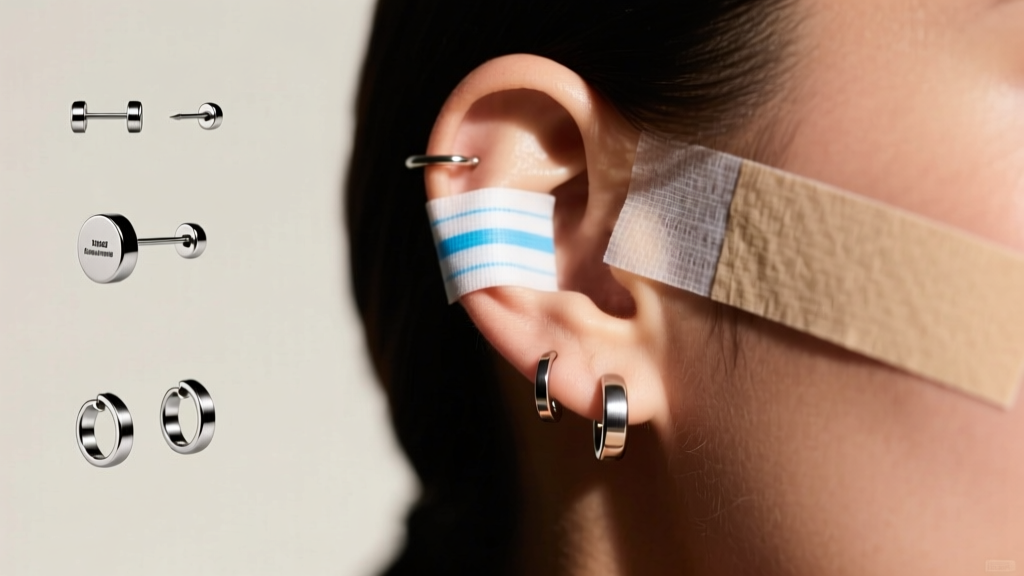
Earring Trends 2025: The Ultimate Metals & Styles Buying Guide
Discover the top earring trends 2025 brought and how they evolve in 2026. Our buying guide covers material grades, gauge sizes, and styling tips.

The Evolution of Earring Trends 2025 into 2026
When analyzing the search data, boutique releases, and runway shows that defined earring trends 2025, a clear narrative emerges: the era of the delicate, barely-there micro-stud is yielding to structural, intentional, and highly engineered ear scapes. As we navigate 2026, these aesthetic shifts have matured from fleeting fashion moments into permanent jewelry standards. Modern buyers are no longer just looking for surface-level aesthetic appeal; they are demanding biocompatibility, precise gauge sizing, and mechanical longevity. The contemporary ear is treated as a curated canvas, requiring a deep understanding of metallurgy and anatomy. This comprehensive buying guide decodes the technical specifications behind the trends, ensuring your next purchase is both stylistically relevant and anatomically sound.
Key Silhouette Shifts: What to Buy Now
The Resurgence of the Ear Cuff and Cartilage Climbers
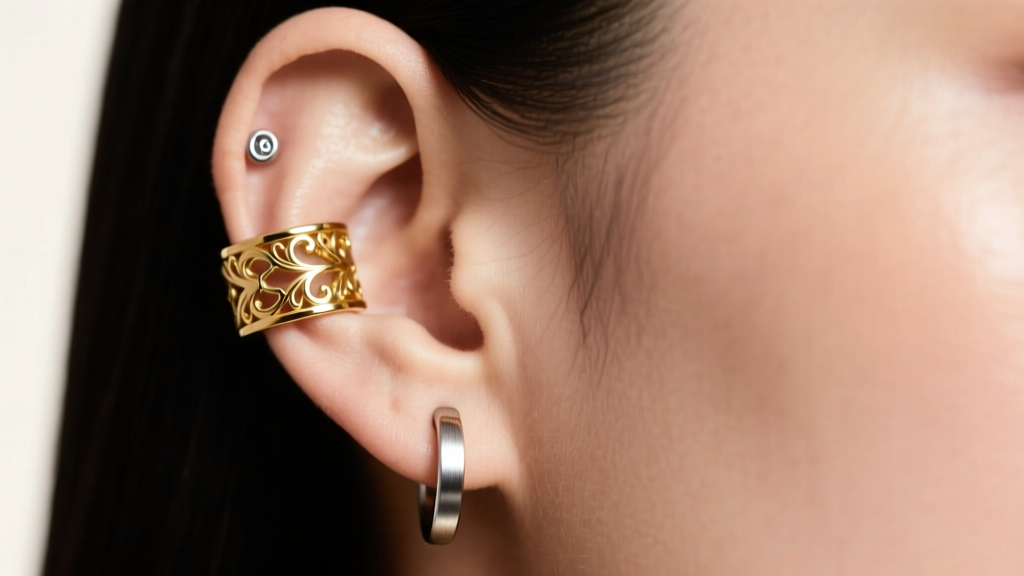
The non-pierced ear cuff dominated the earring trends 2025 cycle, but the 2026 iteration demands higher engineering. Cheap, rigid cast cuffs that snap or slip are out. The current standard is the adjustable tension cuff, typically crafted from 20-gauge (0.81mm) or 22-gauge (0.64mm) tempered wire. When shopping for cartilage climbers (which span multiple faux-piercing points along the helix), look for pieces with a flexible spine that can be gently squeezed to match the exact curvature of your ear. A well-engineered cuff should distribute pressure evenly across the cartilage ridge to prevent localized ischemia (restriction of blood flow) during extended wear.
Heavy-Gauge Huggies and Chunky Hoops
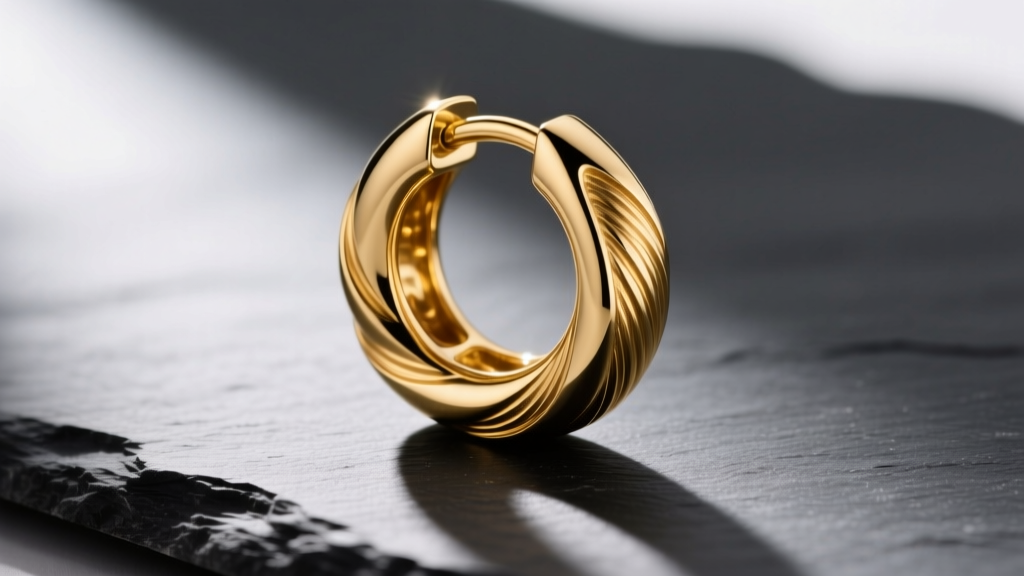
The huggie hoop has undergone a radical transformation. While 2mm widths were standard previously, the current trend heavily favors 4mm to 6mm chunky profiles. However, increased width means increased weight. To prevent lobe tearing, buyers must pay strict attention to the closure mechanism. Hinge-and-clasp huggies are acceptable for standard 20-gauge lobe piercings, but for cartilage or heavier 14k gold designs, the clicker mechanism is vastly superior. Clickers utilize a continuous 16-gauge or 14-gauge ring with a segmented snap closure, eliminating the microscopic hinge gap that harbors bacteria and sebum.
Material Grades & Hypoallergenic Standards
The most critical evolution in recent jewelry trends is the consumer rejection of 'surgical steel' in favor of verifiable implant-grade materials. According to the Association of Professional Piercers (APP), the term 'surgical steel' is largely a marketing misnomer; 316L stainless steel contains 8% to 10% nickel, a known contact allergen that causes severe dermatitis in healing or sensitive piercings.
For 2026, the gold standard for sensitive ears and fresh piercings is ASTM F136 implant-grade titanium. This specific alloy is entirely nickel-free and highly biocompatible. Furthermore, titanium can be anodized—using an electrical current to alter the oxide layer on the metal's surface—creating vibrant, permanent colors without the use of toxic dyes or plating that can flake off into the fistula. For gold lovers, the Gemological Institute of America (GIA) notes that only 14k or 18k solid gold alloyed with palladium or silver (rather than nickel) is safe for prolonged bodily contact.
| Material | Standard / Grade | Nickel Content | Best Use Case | Avg Price (Single) |
|---|---|---|---|---|
| 316L Steel | ASTM F138 | 8% - 10% | Healed, non-sensitive lobes only | $15 - $30 |
| Titanium | ASTM F136 | 0% | Fresh piercings, highly sensitive skin | $30 - $80 |
| 14k / 18k Gold | Nickel-Free Alloy | 0% | Everyday wear, curated ear projects | $60 - $200+ |
| Niobium | Commercially Pure | 0% | Anodized colors, heavy statement hoops | $25 - $60 |
Gauge Sizing and Piercing Health
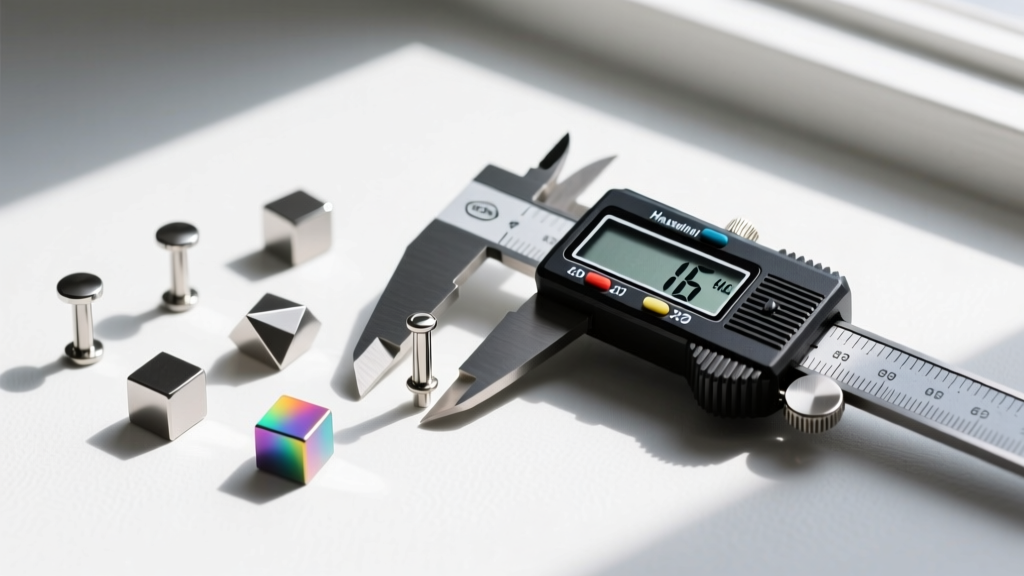
Understanding the inverse gauge system is non-negotiable for modern earring buyers. The higher the gauge number, the thinner the metal. Standard lobe piercings are typically performed at 20-gauge (0.81mm) or 18-gauge (1.02mm). However, the prevailing trend for cartilage, helix, and conch piercings is 16-gauge (1.29mm).
Why the shift to thicker metal? Thinner wires in cartilage piercings are prone to the 'cheese-cutter effect,' where the jewelry slowly migrates and slices through the tissue under the weight of the earring or accidental snags. A 16-gauge post provides the necessary surface area to distribute pressure and maintain fistula stability. Additionally, buyers must demand internally threaded or threadless (push-pin) jewelry. Externally threaded posts, where the sharp threads are on the post itself, act like a file, tearing the delicate cellular lining of the piercing channel every time they are inserted or removed.
Price vs. Longevity: A Buyer's Matrix
When investing in the structural silhouettes defining current trends, it is vital to align your budget with your expected wear frequency. The market is distinctly segmented into three tiers of longevity:
- Tier 1: Fashion & Temporary ($20 - $50) - Usually crafted from brass or steel with a PVD (Physical Vapor Deposition) gold coating. While PVD is more durable than traditional electroplating, daily friction and exposure to skin acids will eventually cause the coating to wear through to the base metal within 6 to 12 months. Best for occasional, non-pierced ear cuffs.
- Tier 2: Everyday Essentials ($60 - $150) - Solid 14k gold and basic implant-grade titanium ends. These pieces will not tarnish, flake, or cause allergic reactions. They are the workhorses of a curated ear, designed to be worn 24/7, including in the shower.
- Tier 3: Heirloom & Investment ($200 - $600+) - 18k gold, precision-set VS-clarity diamonds, and custom anodized titanium from specialized studios. These pieces feature mechanical perfection, such as secure screw-in settings that prevent gemstone loss, and are meant to last multiple lifetimes.
Final Verdict
The earring trends 2025 introduced a necessary focus on anatomical respect and material integrity, setting a high bar for 2026 and beyond. By prioritizing ASTM-certified metals, opting for 16-gauge thicknesses in cartilage, and selecting mechanically sound clicker closures, you ensure that your jewelry collection is not only visually striking but fundamentally safe for your body. Invest in the architecture of your ear, and the style will naturally follow.