Ultimate Care Guide: How to Clean a Feather Earring
Learn expert techniques to clean, store, and restore your feather earring. Discover care tips for real, synthetic, and metal feather designs.

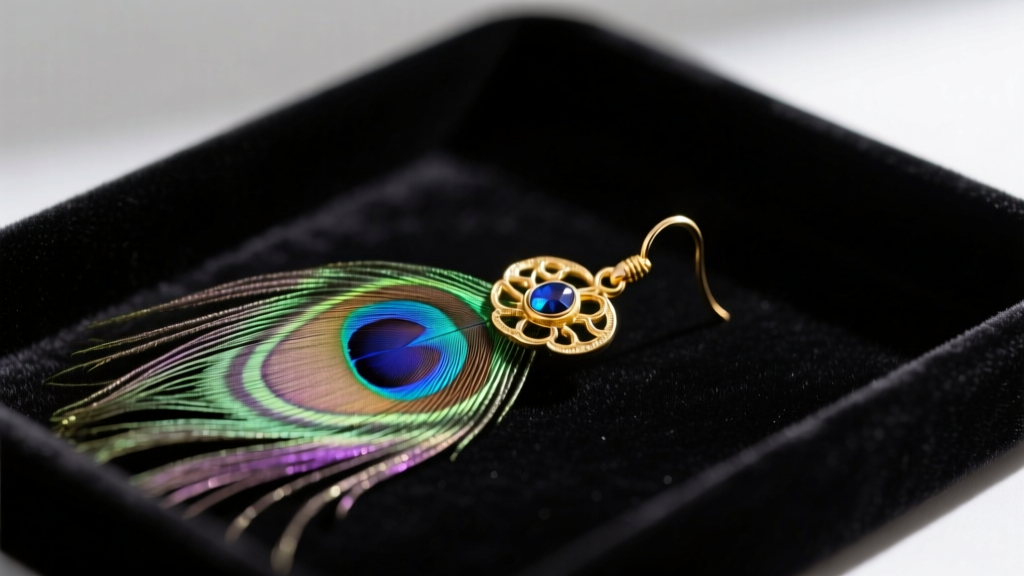
Feather earrings are a striking sartorial choice, blending organic movement with intricate jewelry craftsmanship. Whether your collection features ethically molted avian plumage, synthetic alternatives, or intricate metal feather motifs, these delicate accessories require highly specialized maintenance. A standard jewelry cleaning approach will instantly ruin genuine keratin barbs or strip intentional patinas from metalwork. In this comprehensive guide, we break down the exact conservation techniques used by museum curators and master jewelers to clean, preserve, and restore your favorite feather earring designs.
The Anatomy of Feather Earrings: Material Matters
Before applying any cleaning agent, you must identify the exact material composition of your earrings. The care protocol for a genuine macaw feather differs vastly from that of a cast brass feather motif.
- Genuine Feathers: Composed of keratin, featuring a central rachis (shaft) and interlocking barbs. They are highly susceptible to moisture damage, skin oils, and dermestid beetles.
- Metal Feather Motifs: Typically cast or stamped from 925 sterling silver, brass, or gold vermeil. They often feature intentional oxidation (blackening) in the grooves to mimic feather texture.
- Synthetic & Enamel: Made from polymer clays, acetate, or cold enamel. These are durable but prone to micro-scratches and solvent damage.
Step-by-Step Cleaning Protocols
Never use ultrasonic cleaners, steamers, or commercial silver dips on any earring featuring organic or textured elements. Follow these material-specific protocols instead.
Genuine & Ethically Molted Feathers
Water is the enemy of genuine feathers. Submerging them strips the natural structural integrity and causes the barbs to collapse. According to guidelines from the American Institute for Conservation Wiki, organic keratin should only be cleaned using dry methods.
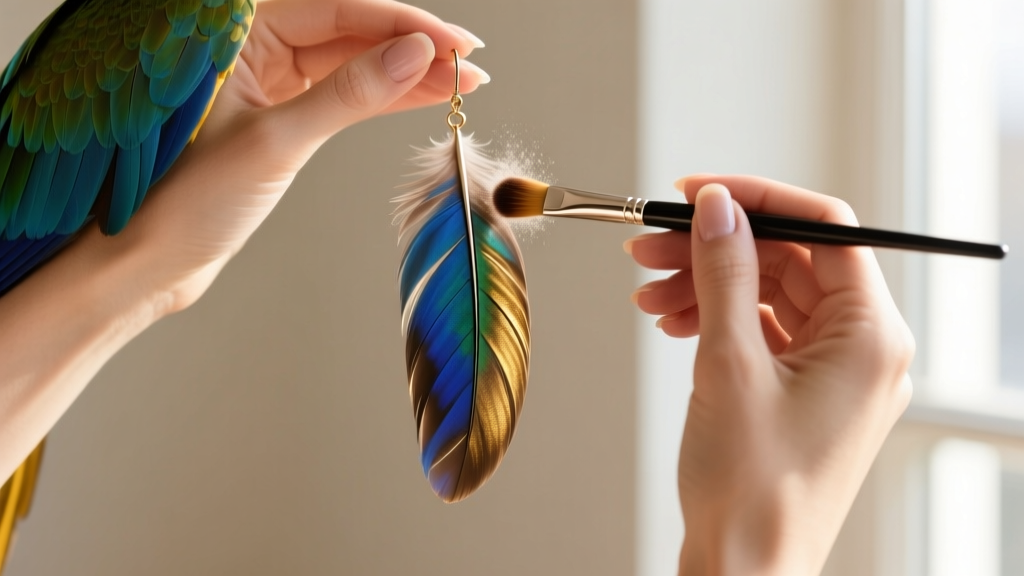
- Dust Removal: Use a clean, soft-bristled cosmetic brush (like a goat-hair blush brush). Stroke gently from the base of the rachis outward to the tip, following the natural grain of the barbs.
- Oil Absorption: If the feather has absorbed sebum from your skin or hair, place the earring in a sealed ziplock bag with two tablespoons of arrowroot powder or cosmetic-grade cornstarch. Shake gently and let it sit for 12 hours. The powder will absorb the oils. Brush the powder out thoroughly the next day.
- Hardware Wipe: Use a dry microfiber cloth to polish the 20-gauge or 22-gauge ear wire and jump ring, avoiding contact with the feather's calamus (quill base).
Metal Feather Motifs (Sterling Silver, Brass, Gold)
Metal feather earrings often feature deep grooves and intentional antiquing. The Gemological Institute of America (GIA) warns against using liquid silver dips on textured or oxidized metals, as these chemicals will strip the dark patina from the grooves, leaving the earring looking flat and lifeless.
- For Sterling Silver: Mix a few drops of phosphate-free dish soap (like Dawn) into lukewarm water. Dip a soft baby toothbrush into the suds—avoid soaking the brush—and lightly trace the grooves of the feather design. Rinse quickly under distilled water and pat dry immediately with a lint-free cloth.
- For Brass & Copper: If your brass feather earring has developed unwanted verdigris (green corrosion), create a paste of equal parts baking soda and lemon juice. Apply it strictly to the corroded areas with a cotton swab, let it sit for three minutes, and wipe away with a damp cloth. Do not use this on silver.
Synthetic & Enamel Feather Designs
Acetate and polymer feathers can be wiped down with a slightly damp microfiber cloth. Avoid any products containing alcohol, acetone, or ammonia, as these will cause cold enamel to craze (develop tiny cracks) and will cloud the finish of acetate.
The 48-Hour Deep Freeze: Pest Prevention
If you own genuine feather earrings, pest prevention is non-negotiable. Carpet beetle larvae and dermestid beetles feed on keratin and can silently destroy a prized feather earring inside your jewelry box. The Cornell Lab of Ornithology recommends freezing as the safest preservation method for found and crafted feathers.
Expert Protocol: Place your genuine feather earrings in an airtight, moisture-free plastic container. Place the container in a standard kitchen freezer set to 0°F (-18°C) for a minimum of 48 hours. This kills any microscopic eggs or larvae. Afterward, let the container return to room temperature before opening to prevent condensation from forming on the delicate barbs.
Storage Solutions to Prevent Bending and Fraying
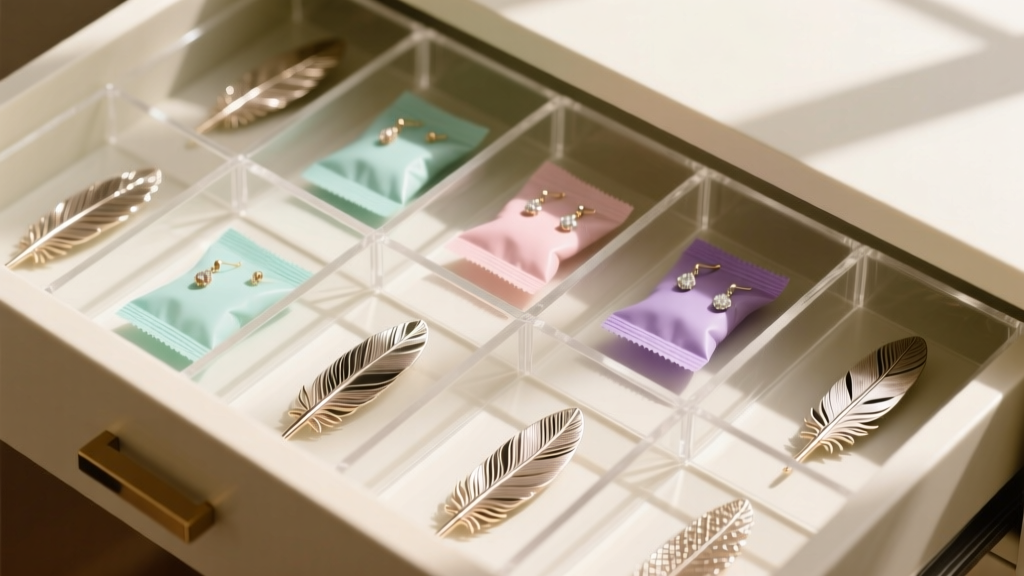
Improper storage causes the rachis to warp and the barbs to separate. Never toss feather earrings into a communal jewelry dish.
| Material Type | Ideal Storage Method | Humidity Control | Maintenance Frequency |
|---|---|---|---|
| Genuine Feather | Hanging vertically or laid flat in a rigid box | 40-50% RH (Use silica gel packets) | Freeze every 6 months |
| Metal Motif | Anti-tarnish ziplock bags with chalk | Keep dry (Under 40% RH) | Polish every 3 months |
| Enamel / Acetate | Individual soft cotton pouches | Standard room humidity | Wipe down after each wear |
Restoring Damaged Barbs and Patina
Accidents happen. If your genuine feather earring gets crushed or bent, you can often 're-zip' the barbs using a careful steaming technique. Hold the feather roughly 12 inches above a boiling kettle for 5 to 10 seconds. The gentle, ambient steam relaxes the keratin. Immediately use your fingers to gently stroke the barbs from the center shaft outward, encouraging the microscopic hooklets to interlock again. Never let the feather get wet; you only want the ambient vapor.
For metal feather earrings that have lost their dark grooved contrast, you can restore the patina using a liver of sulfur solution. Dip a cotton swab into a highly diluted liver of sulfur mix and carefully paint only the recessed grooves of the metal feather. Once dry, gently buff the high points with a polishing cloth to create a striking, high-contrast 3D effect.
Expert Troubleshooting & FAQs
Why is the jump ring on my feather earring turning black?
The jump ring is likely made of sterling silver or brass and is reacting to sulfur in the air or your skin's natural acidity. Because it sits against the neck and hair, it accumulates oils rapidly. Swap out cheap base-metal jump rings for hypoallergenic titanium or 14k gold-filled rings to prevent both tarnishing and contact dermatitis.
Can I use hairspray to keep the feather barbs in place?
Absolutely not. Hairspray contains alcohols and synthetic polymers that will make the keratin brittle, attract dust, and eventually cause the feather to snap at the base. If a feather is fraying, it requires humidity control and gentle manual realignment, not chemical adhesives.
By treating your feather earring collection with the same respect and specialized care as a museum artifact, you ensure these dynamic, eye-catching pieces remain vibrant and structurally sound for decades of wear.


