2026 Trend Forecast: Styling Fish Skeleton Earrings
Discover the 2026 trend of fish skeleton earrings. Learn how to style these edgy aquatic motifs, choose the right metals, and pick the perfect gauge.

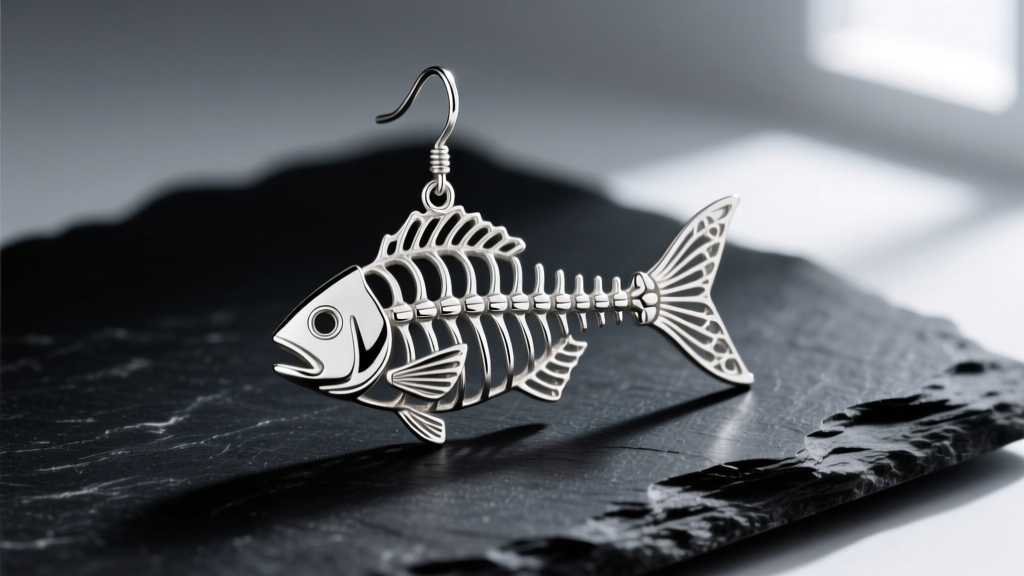
The Aquatic Resurgence: Why Fish Skeleton Earrings are Dominating 2026
The jewelry landscape of 2026 has witnessed a fascinating pivot. We have officially moved past the romantic, pearl-drenched 'mermaidcore' aesthetic of the early 2020s and entered the era of 'oceanic goth' and anatomical realism. At the absolute forefront of this movement are fish skeleton earrings. No longer relegated to novelty souvenir shops, high-end jewelers and indie artisans are reimagining the piscine skeletal structure as a masterclass in macabre maximalism and intricate metalwork.
This trend taps into the historical 'memento mori' tradition of Victorian mourning jewelry, but adapts it for a modern, ecologically conscious generation. The fish skeleton represents a connection to the deep ocean, fragility, and the stark beauty of nature's underlying architecture. Whether rendered as a delicate 20-gauge lobe dangle or a bold 14-gauge cartilage cuff, these pieces offer a striking alternative to traditional geometric or floral motifs.
'The shift from romantic aquatic themes to anatomical oceanic goth represents a broader consumer desire for jewelry that tells a darker, more grounded, and highly detailed story,' notes trend analysts at JCK Online.
Anatomy of the Trend: Material and Gauge Specifications
Because fish skeleton designs feature intricate 'ribcages' and articulated 'vertebrae', the choice of metal and wire thickness (gauge) is critical for both durability and aesthetics. A flimsy metal will bend in the delicate tail section, while an overly thick gauge will ruin the anatomical proportions of the skull and spine.
| Material | Grade / Standard | Best Placement | Price Range | Tarnish & Allergy Risk |
|---|---|---|---|---|
| 925 Sterling Silver | Rhodium-Plated | Healed Lobes (20G-18G) | $40 - $95 | Medium (if plating wears off) |
| Implant-Grade Titanium | ASTM F136 | Fresh Cartilage (16G-14G) | $65 - $130 | Zero (Hypoallergenic) |
| 14k White Gold | Palladium-Alloyed | Everyday Luxury (18G-16G) | $280 - $650 | Low (Avoid nickel alloys) |
| Surgical Steel | 316L | Healed Piercings Only | $25 - $50 | High (Contains nickel) |
For those with sensitive ears or fresh piercings, the Association of Professional Piercers strictly recommends ASTM F136 implant-grade titanium. It is lightweight, which is essential for elongated fish spine dangles that could otherwise cause lobe stretching over time, and it can be anodized to create stunning iridescent 'oil slick' colors that mimic fish scales.
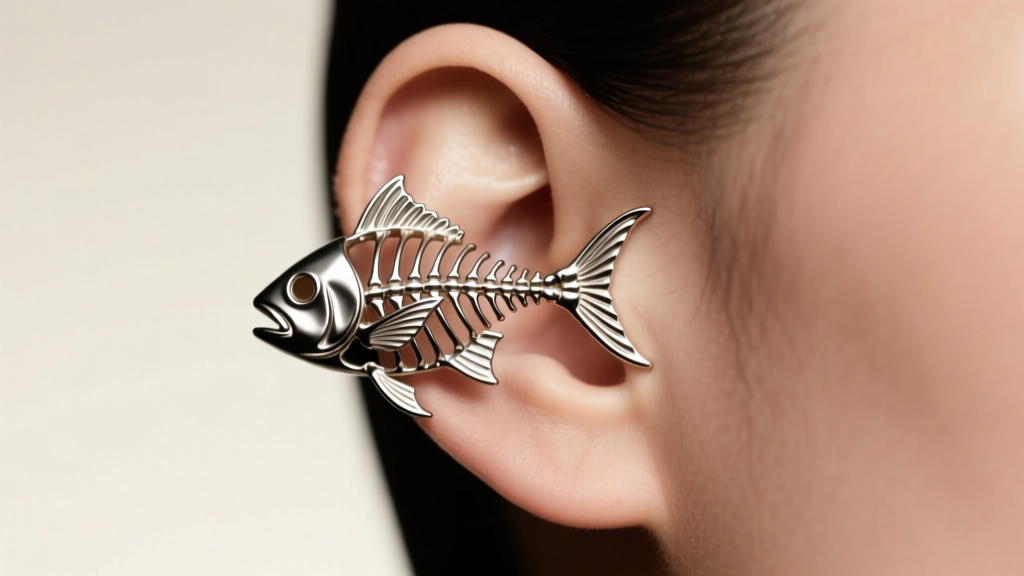
Placement Strategies: Lobe vs. Cartilage
The anatomy of the ear offers multiple canvases for the fish skeleton motif. The key to pulling off this trend is matching the earring's structural design to the specific piercing placement.
The Articulated Lobe Dangle
The standard lobe (typically pierced at 20G or 0.81mm) is the perfect home for articulated fish spine dangles. These designs feature tiny jump rings connecting each vertebra, allowing the earring to sway and mimic the swimming motion of a fish. To maintain anatomical realism, look for pieces where the ribcage is slightly wider than the tail, tapering down to a delicate caudal fin. Ensure the total drop length does not exceed 2.5 inches to prevent the lightweight silver or gold from flipping upside down when you move.
The Helix and Flat Cuff
For cartilage placements like the helix or flat, a contoured fish skeleton ear cuff is the ultimate statement piece. Since cartilage piercings are usually 16G (1.29mm) or 14G (1.63mm), the metal must be rigid enough to hold its shape. Artisans often design the fish's spine to follow the natural curvature of the ear's outer rim, with the skull resting near the top of the helix and the tail curving down toward the lobe. This creates a seamless, almost symbiotic relationship between the jewelry and the ear's anatomy.
The Tragus and Daith Studs
For smaller, more intimate piercings, the fish skull motif shines. A 16G labret stud featuring a micro-cast fish skull (often with tiny cubic zirconia or sapphire eyes) sits perfectly flush against the tragus. For the daith, a curved barbell with a small, stylized fish bone charm offers a subtle nod to the trend without overwhelming the inner ear.
Styling Framework: Face Shapes and Necklines
Fish skeleton earrings are inherently edgy, but their impact changes dramatically based on your face shape and wardrobe. Use this framework to integrate them into your daily rotation:
- Round Faces: Opt for long, articulated fish spine dangles (1.5 to 2.5 inches). The vertical lines and swinging motion of the vertebrae create an optical illusion that elongates the jawline and neck.
- Angular / Square Faces: Choose fish skull studs or huggie hoops featuring skeletal etching. The rounded curves of the skull and the circular motion of the hoop soften sharp jawlines and prominent cheekbones.
- Oval Faces: You have the versatility to wear any style. Experiment with asymmetrical pairings—perhaps a full skeleton dangle in the left lobe and a simple fish bone stud in the right.
- Neckline Pairing: Because these earrings are highly detailed and visually 'busy', they pair best with minimalist, high-neck garments like black turtlenecks, structured blazers, or simple slip dresses. Avoid busy, patterned collars that will compete with the intricate metalwork of the ribcage.
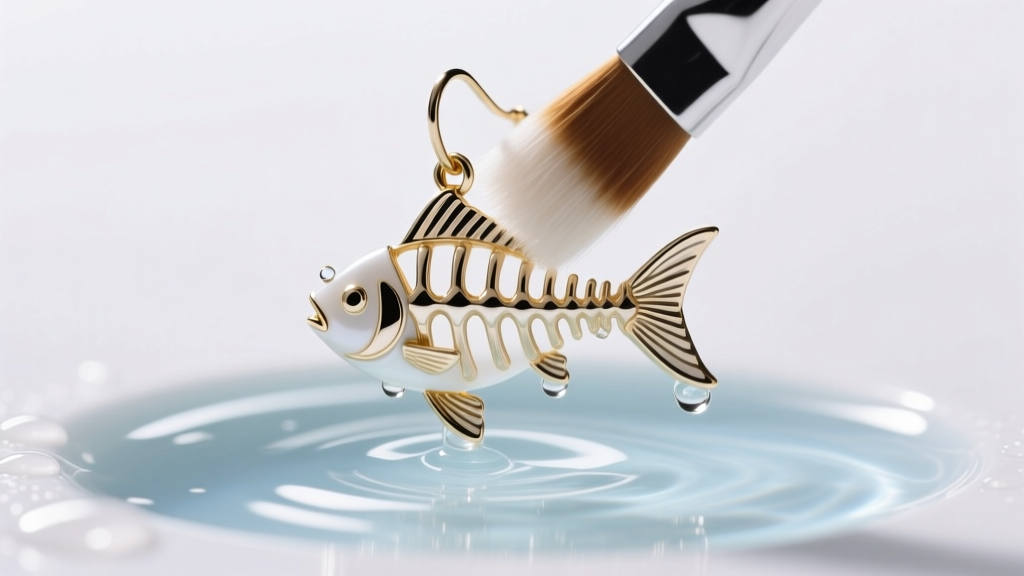
Care and Maintenance for Intricate Skeletal Crevices
The greatest challenge of owning anatomical jewelry is maintenance. The tiny gaps between the ribs and the articulated joints of the vertebrae are notorious traps for sebum, dead skin cells, and environmental dust. If left uncleaned, this buildup can lead to contact dermatitis or a dull, grayish appearance in the metal.
For routine cleaning, avoid harsh chemical dips. Instead, use a soft-bristled baby toothbrush and a few drops of unscented glycerin soap. Gently brush along the spine and inside the ribcage under lukewarm running water. Dry immediately with a microfiber cloth to prevent water spots.
A Crucial Warning on Ultrasonic Cleaners: Many high-end fish skeleton earrings feature 'oxidized' or 'blackened' patina detailing in the crevices to make the skeletal structure pop against the polished silver. Never put these pieces in an ultrasonic jewelry cleaner. The high-frequency vibrations and harsh cleaning solutions will strip the intentional antiquing, leaving your earring looking flat and overly bright. Stick to manual, gentle brushing to preserve the artisan's contrast work.
Final Verdict: Is the Trend Built to Last?
Fish skeleton earrings are not merely a fleeting micro-trend; they represent a permanent shift toward narrative-driven, anatomical jewelry. As consumers continue to seek out pieces that reflect a deeper connection to nature and a departure from traditional minimalism, the oceanic goth aesthetic will only continue to evolve. Whether you invest in a pair of artisan-cast 14k gold dangles or a sleek titanium helix cuff, mastering the styling and care of these intricate pieces ensures you will remain at the cutting edge of 2026's most compelling jewelry movement.


