Troubleshooting Amor Earrings: Tarnish, Clasps & Care
Is your favorite pair of Amor earrings tarnishing or losing its backing? Discover expert troubleshooting tips to fix clasps, polish metals, and prevent loss.

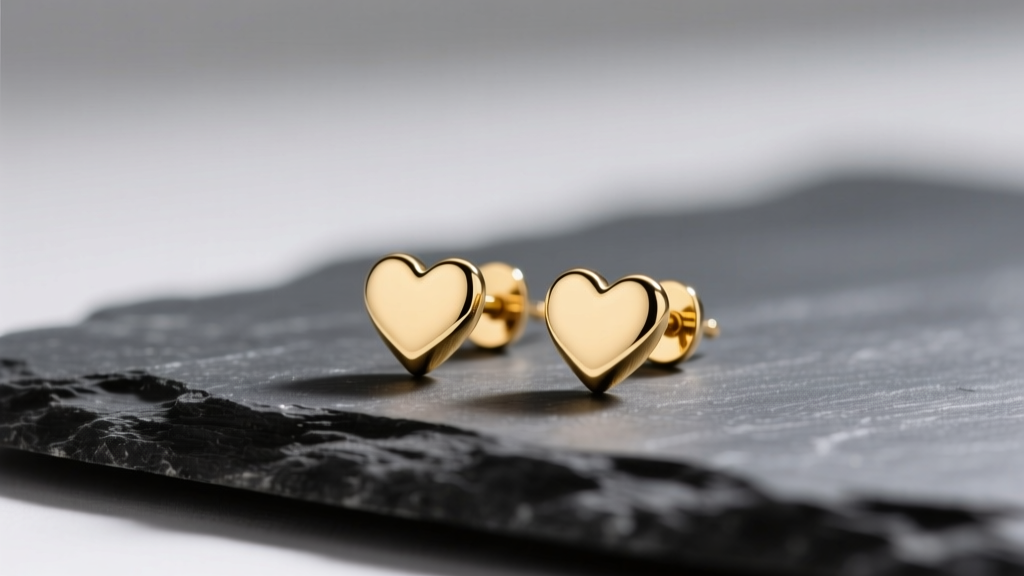
Amor earrings, characterized by their romantic motifs, delicate pavé settings, and intricate heart or infinity designs, are a staple in modern jewelry collections. However, their dainty construction often leads to a specific set of wear-and-tear issues. From bent earring posts and tarnished gold vermeil to lost butterfly backings and loose gemstones, owning these beautiful pieces requires a proactive approach to maintenance. In this comprehensive troubleshooting guide, we will break down the most common problems associated with Amor earrings and provide expert, actionable solutions to restore and protect your jewelry.
The Anatomy of Amor Earrings: Why They Need Special Care
To effectively troubleshoot issues with Amor earrings, you first need to understand their physical construction. Most authentic Amor-style earrings prioritize a delicate aesthetic, which means they typically feature 20-gauge (0.81mm) or 22-gauge (0.64mm) earring posts. While 18-gauge (1.02mm) is standard for durability, the thinner posts used in Amor designs are highly susceptible to bending when subjected to lateral pressure, such as sleeping in them or pulling on a sweater.
Furthermore, these earrings frequently utilize gold vermeil or pavé diamond settings. Gold vermeil requires a thick layer of gold over sterling silver, but when that layer is compromised, the underlying copper alloy reacts with environmental sulfur. Similarly, pavé settings rely on microscopic prongs to hold dozens of tiny stones; harsh chemicals or ultrasonic vibrations can easily loosen these prongs, leading to lost stones.
Troubleshooting Metal Tarnish and Skin Discoloration
One of the most frequent complaints from wearers of romantic-style jewelry is the sudden appearance of green skin or dark, oxidized patches on the metal. This is rarely an allergic reaction and almost always a chemical one. If your Amor earrings are crafted from 925 sterling silver or gold vermeil, the underlying alloy contains roughly 7.5% copper. When copper mixes with the salts, acids, and moisture from your skin, it creates copper chloride, which leaves a green residue.
The Brass vs. Sterling Silver Dilemma
Before attempting to polish your earrings, identify the base metal. High-quality Amor earrings should be stamped with '925' (sterling silver) or '14k/18k' over a silver base. If there is no stamp, the base may be brass, which tarnishes much faster and is harder to restore without professional re-plating. According to the Federal Trade Commission Jewelry Guides, true gold vermeil must have a sterling silver base and a gold layer of at least 2.5 microns. Anything less is considered simple gold plating and will wear through to the base metal within months of daily wear.
| Metal Type | Base Material | Tarnish Risk | Troubleshooting Fix |
|---|---|---|---|
| 925 Sterling Silver | 92.5% Silver, 7.5% Copper | High (Oxidation) | Polish with a treated silver cloth; avoid liquid dips. |
| Gold Vermeil (2.5µm) | 925 Sterling Silver | Medium (If worn through) | Mild soap wash; professional re-plating if base is exposed. |
| Gold Plated (0.5µm) | Brass or Copper | Very High | Clear nail polish barrier on the post; re-plate immediately. |
| Solid 14k Gold | Gold Alloy | Very Low | Ultrasonic cleaning safe (unless pavé is present). |
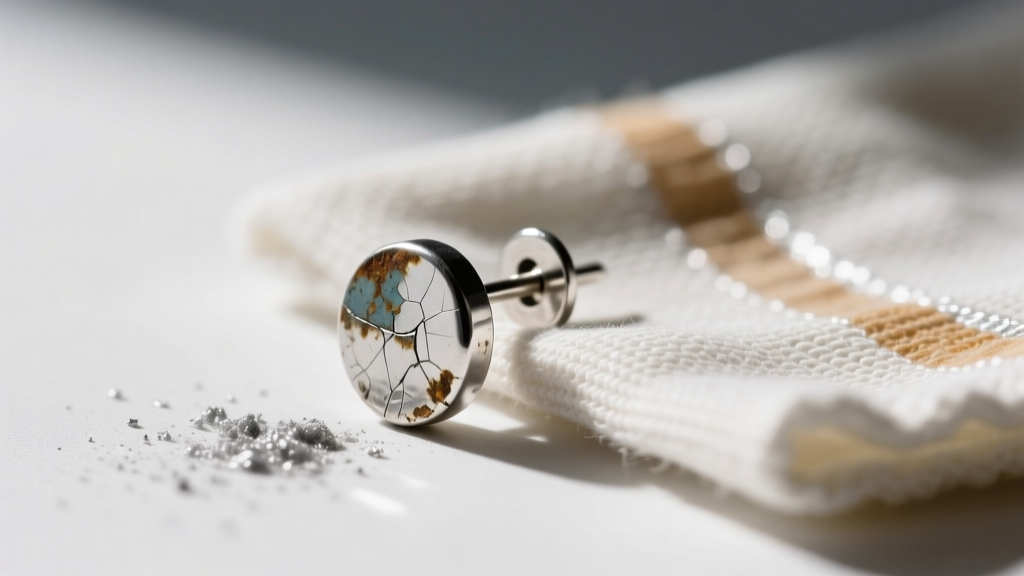
Fixing Loose, Bent, or Broken Earring Posts
Because Amor earrings often feature top-heavy designs—such as dangling hearts or oversized pavé studs—the thin 20G or 22G posts bear a disproportionate amount of weight. This leads to the post bending downward, causing the earring to droop unflatteringly on the earlobe. Worse, repeated bending back and forth will cause metal fatigue, eventually snapping the post entirely at the solder joint.
Step-by-Step Post Straightening Protocol
If your earring post is bent, do not use standard steel needle-nose pliers. Steel is harder than gold and silver and will severely scratch the metal or crush the delicate threading. Instead, follow this professional jeweler's method:
- Acquire Nylon-Jaw Pliers: These are specifically designed for jewelry making and feature soft plastic jaws that grip the metal without marring the finish.
- Secure the Base: Hold the base of the earring (where the post meets the backing plate) firmly between your thumb and forefinger to prevent stress on the solder joint.
- Apply Gradual Pressure: Grip the bent section of the post with the nylon pliers and apply very gentle, incremental pressure. Do not attempt to bend it perfectly straight in one motion.
- Check Alignment: Roll the post on a flat glass surface. If it wobbles, it is still bent. Make micro-adjustments until it rolls smoothly.
If the post has completely snapped off, this is not a DIY fix. The solder joint requires a laser welder or a micro-torch to reattach without melting the delicate pavé stones or enamel on the front of the earring. Take it to a local bench jeweler; a standard post re-soldering typically costs between $25 and $45.
Solving the Missing Backing Crisis
The standard 'butterfly' or 'friction' backing that comes with most Amor earrings is notoriously insecure. Over time, the metal loops on the butterfly back lose their tension, meaning the earring can slip off the post with a simple brush of your hair. Losing an expensive pavé earring is a devastating and entirely preventable problem.
Upgrading to Secure Locking Backs
To troubleshoot this vulnerability, discard the standard friction backs and upgrade to specialized secure backings. There are two primary options for delicate Amor studs:
- La Pousette Backs: These are mechanical, push-button backs made of solid gold or platinum. They feature a tiny internal spring mechanism that locks securely into a groove on the earring post. They require the post to have a specific notch, which a jeweler can easily add to your Amor earrings.
- Silicone O-Rings and Discs: For a budget-friendly, immediate fix, use medical-grade silicone earring stoppers. Unlike hard plastic, silicone grips the metal post via high friction and conforms to the shape of the post, making it nearly impossible for the earring to slide off accidentally. Furthermore, the wider disc shape provides extra support for top-heavy Amor studs, preventing the dreaded 'earlobe droop'.
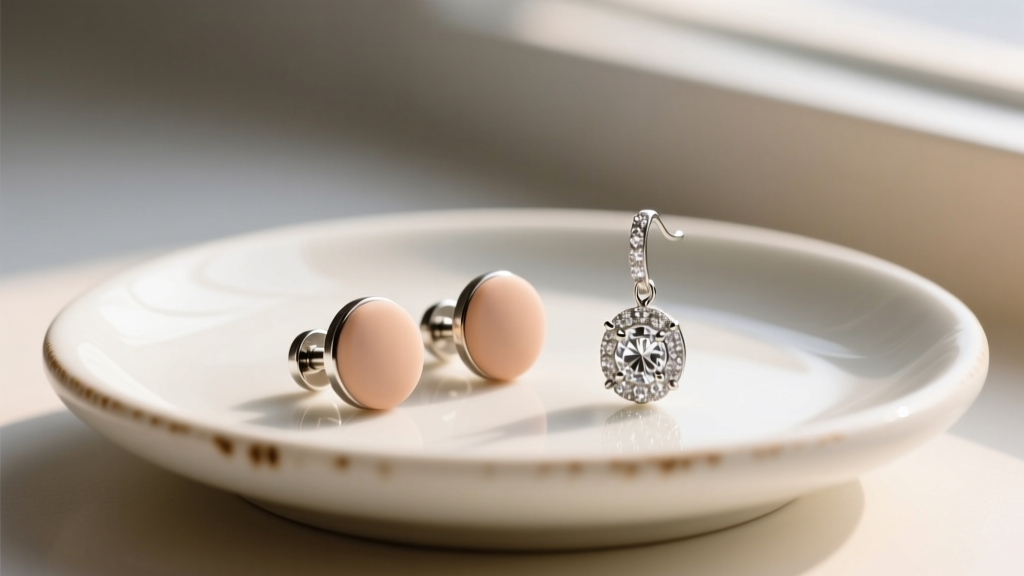
Cleaning Pavé and Gemstone Settings Without Damage
Amor earrings frequently feature intricate pavé diamonds, cubic zirconia, or delicate gemstones like opals and pearls. A common troubleshooting mistake is using ultrasonic jewelry cleaners or harsh chemical dips (like silver dip solutions) to restore the earrings' sparkle. According to gemological experts at the Gemological Institute of America (GIA), ultrasonic cleaners use high-frequency sound waves that create microscopic bubbles. When these bubbles collapse, they produce shockwaves that can easily shake tiny pavé stones loose from their microscopic prongs.
Furthermore, chemical dips will strip the rhodium plating off white gold Amor earrings and can permanently cloud porous gemstones like turquoise or opals. To safely clean your pavé Amor earrings at home, use the following method:
- Mix a few drops of mild, phosphate-free dish soap (like Dawn) into a bowl of lukewarm distilled water.
- Soak the earrings for exactly 3 to 5 minutes to loosen oils and lotions trapped under the stones.
- Use an extra-soft baby toothbrush to gently brush the underside of the pavé settings. Always brush from the back of the earring toward the front to push debris out, rather than packing it deeper into the setting.
- Rinse under a gentle stream of lukewarm water, ensuring the drain is securely plugged.
- Pat dry with a lint-free microfiber cloth. Never use paper towels, as the wood fibers can snag on the tiny prongs and bend them outward.
Summary Checklist for Amor Earring Maintenance
Preserving the delicate beauty of your Amor earrings requires shifting from reactive repairs to proactive maintenance. By understanding the limitations of thin-gauge metals and the vulnerabilities of pavé settings, you can ensure your jewelry remains pristine for years to come.
- Nightly Removal: Always remove Amor earrings before sleeping to prevent 20G/22G post bending.
- Chemical Avoidance: Apply perfumes, hairsprays, and lotions before putting on your earrings to protect the gold vermeil finish.
- Friction Back Audits: Check the tension of your butterfly backings monthly; replace them with silicone stoppers or La Pousette locks if they slide on too easily.
- Safe Storage: Store each earring individually in a soft pouch or a dedicated compartment to prevent the posts from scratching the pavé stones of other pieces.
By implementing these targeted troubleshooting techniques, you can overcome the inherent fragility of romantic, delicate jewelry designs and keep your favorite pieces sparkling securely.


