Kate Spade Hoop Earrings: Material Properties & Care Guide
An expert metallurgical breakdown of Kate Spade hoop earrings, exploring base metals, plating thickness, enamel types, and allergy safety.

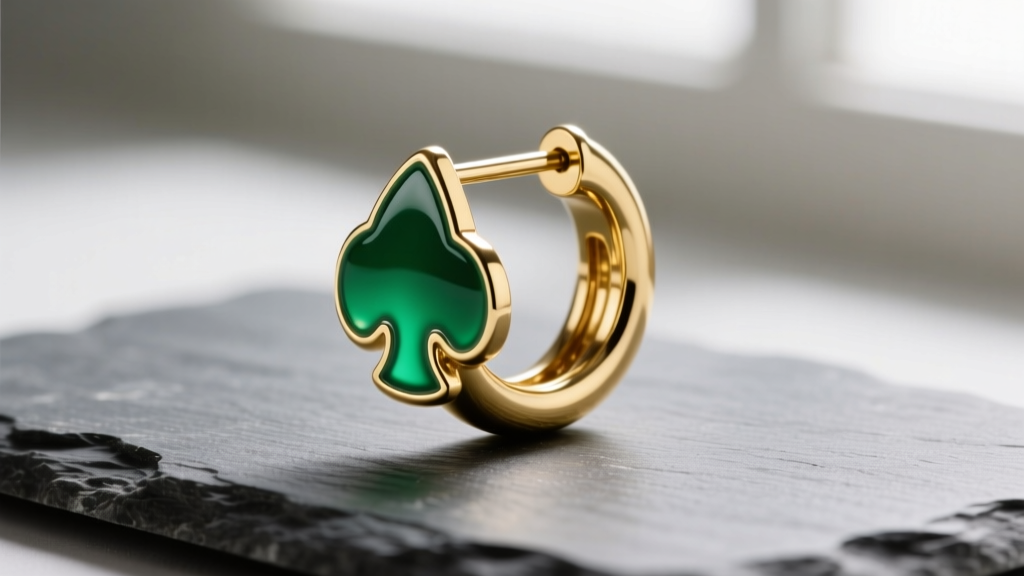
When evaluating fashion jewelry, consumers are often captivated by brand heritage, playful motifs, and trend-driven designs. Kate Spade New York has built a massive footprint in the accessories market, with their signature spade motifs and whimsical aesthetics dominating department store displays. However, from a metallurgical and material science perspective, it is crucial to separate brand prestige from physical properties. If you are investing in Kate Spade hoop earrings, understanding the exact alloys, plating thicknesses, and embellishment techniques used in their manufacturing is essential for managing expectations regarding longevity, tarnish resistance, and skin sensitivities.
This guide deconstructs the material reality of Kate Spade hoops, offering an expert-level comparison against fine jewelry alternatives and providing actionable care protocols to maximize the lifespan of fashion-plated metals.
The Core Metallurgy: Base Metals and Alloys
Unlike fine jewelry brands that cast their hoops in solid 14k gold, sterling silver, or platinum, Kate Spade operates in the fashion jewelry sector. The structural core of their hoop earrings—including classic huggies, oversized statement hoops, and wire-threaded styles—is predominantly composed of cast brass or zinc alloys (such as Zamak).
Why Brass and Zinc?
- Castability: Brass (an alloy of copper and zinc) flows exceptionally well into intricate molds, allowing for the crisp, detailed spade logos and textured finishes the brand is known for.
- Weight-to-Volume Ratio: Zinc alloys provide a satisfying, premium heft without the prohibitive material costs of dense precious metals.
- Surface Smoothness: These base metals can be polished to a mirror finish before plating, ensuring the final gold-tone or silver-tone surface is free of microscopic pitting.
While brass is an excellent structural foundation, it is highly reactive to oxygen, moisture, and the natural acids in human skin. This necessitates a robust surface treatment to prevent oxidation (tarnish) and protect the wearer.
Surface Treatments: Plating Thickness and FTC Standards
The brilliant gold and silver finishes on Kate Spade hoop earrings are achieved through electroplating. The base brass or zinc core is submerged in an electrolyte solution containing dissolved gold or rhodium ions, and an electrical current bonds the precious metal to the surface.
According to the Federal Trade Commission Jewelry Guides, the terminology used to describe these coatings is strictly regulated based on micron thickness:
Flash Plating vs. Heavy Electroplating: Most fashion jewelry, including standard Kate Spade hoops, utilizes 'flash plating' or thin gold electroplating, typically ranging from 0.1 to 0.5 microns in thickness. This provides immediate visual brilliance but lacks the deep wear-resistance of 'Gold Vermeil' (which requires a minimum of 2.5 microns of gold over a sterling silver base) or solid gold.
Because the plating is microscopically thin, friction from daily wear, exposure to cosmetics, and environmental humidity will eventually wear through the precious metal layer, exposing the brass beneath. For a deeper dive into how electroplating thickness dictates jewelry longevity, the Ganoksin Jewelry Making Network offers extensive technical documentation on industrial plating standards.
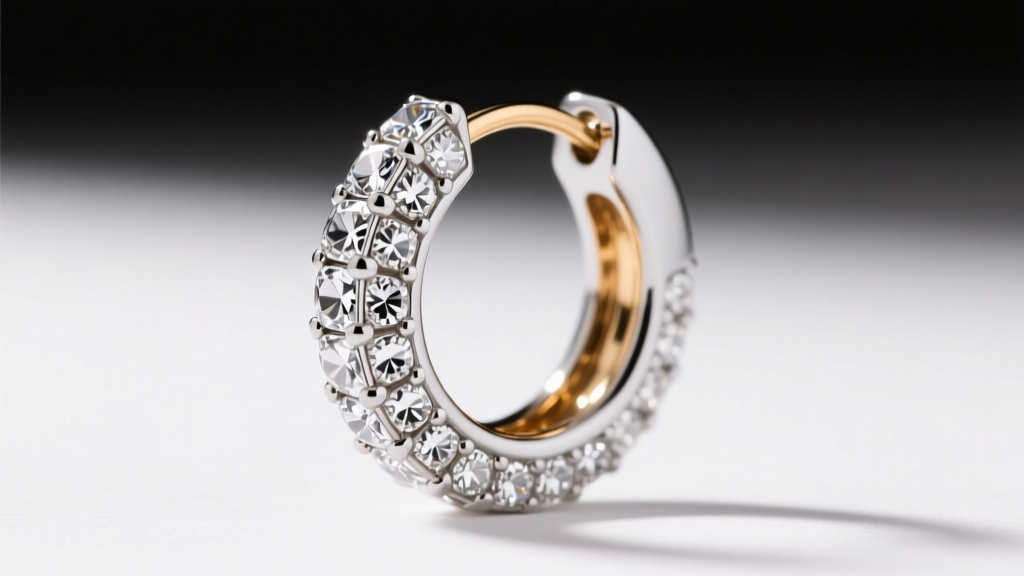
Embellishments: Cold Enamel vs. Vitreous Glass
A defining characteristic of many Kate Spade hoop earrings is the use of vibrant, opaque color blocking—often in their signature black, white, or blush pink spade charms. It is vital to distinguish between the types of enamel used in jewelry manufacturing:
- Vitreous Enamel: Finely ground glass fused to metal at extreme temperatures (1,380°F+). It is highly durable, scratch-resistant, and permanent.
- Cold Enamel (Epoxy Resin): A two-part polymer resin that cures at room temperature. It is applied like paint and hardens to a glossy finish.
Kate Spade predominantly utilizes cold enamel (epoxy resin) for their fashion pieces. While cold enamel allows for a wider, more vibrant palette and intricate detailing without the risk of thermal shock to the base metal, it is inherently softer than glass. It can be scratched by harder materials (like diamonds or sapphires) and may degrade or yellow slightly if exposed to prolonged UV radiation or harsh chemical solvents like acetone.
The Hypoallergenic Reality: Posts vs. Hoops
One of the most common points of confusion for buyers with sensitive ears is the hypoallergenic nature of fashion hoops. The American Academy of Dermatology notes that nickel and copper are primary culprits for allergic contact dermatitis. Since brass contains copper, and some base alloys contain trace nickel, direct skin contact can trigger reactions.
To mitigate this, Kate Spade engineers their earring posts (the wire that pierces the ear) from 316L surgical stainless steel or titanium. These metals are highly biocompatible and generally safe for fresh piercings or sensitive lobes. However, the hoop itself remains plated brass. If you sleep in your hoops, or if the hoop rests against your neck or lower earlobe, the friction can wear away the plating, allowing the reactive base metal to touch your skin and cause irritation.
Material Comparison Chart: Kate Spade vs. Fine Alternatives
To contextualize the material properties of Kate Spade hoop earrings, here is a direct comparison against other common hoop categories on the market:
| Material Category | Core Metal | Surface / Plating | Water Resistance | Estimated Lifespan (Daily Wear) |
|---|---|---|---|---|
| Kate Spade (Fashion) | Brass / Zinc Alloy | Flash Gold/Rhodium (0.1-0.5µm) | Low (Tarnishes quickly) | 1 - 3 Years |
| Gold Vermeil | Sterling Silver (925) | Heavy Gold (2.5µm+) | Moderate | 3 - 5 Years |
| Solid 14k Gold | Gold/Copper/Silver Alloy | None (Solid throughout) | High (Shower/Swim safe) | Lifetime / Heirloom |
| PVD Coated Steel | 316L Stainless Steel | Physical Vapor Deposition | High | 5+ Years |
Longevity Protocols: Preserving Fashion Plating
Owning fashion jewelry requires a proactive approach to maintenance. Because the precious metal layer on Kate Spade hoops is measured in fractions of a micron, preserving the finish requires strict environmental control.
Actionable Care Framework
- The 'Last On, First Off' Rule: Always apply perfumes, hairsprays, and lotions before putting on your earrings. The alcohol and volatile organic compounds (VOCs) in cosmetics can rapidly break down epoxy resins and accelerate the oxidation of thin gold plating.
- Moisture Isolation: Never wear plated brass hoops in the shower, pool, or ocean. Chlorine and saltwater are highly corrosive to both the plating and the copper content in the brass core.
- Friction Management: Store hoops individually. Tossing them into a communal jewelry box causes micro-abrasions as harder metals and gemstones scratch the softer cold enamel and thin gold layers.
Optimal Storage Conditions
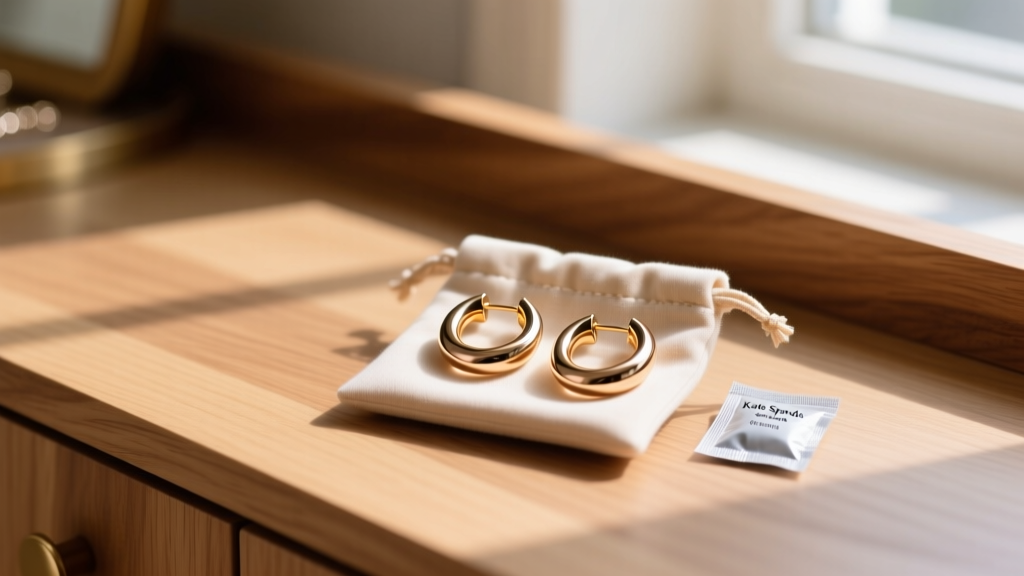
When not in use, store your Kate Spade hoop earrings in an airtight, anti-tarnish ziplock bag or a treated microfiber pouch. Including a small silica gel desiccant packet inside the storage bag will absorb ambient humidity, drastically slowing down the chemical reaction that causes the underlying brass to oxidize and bleed through the plating.
Final Verdict: Value vs. Material Reality
Kate Spade hoop earrings offer exceptional aesthetic value, brand recognition, and trend-forward styling. They are perfect for seasonal wear, gifting, and adding a playful touch to curated outfits. However, from a strict material science perspective, they are not designed for permanent, 24/7 wear. By understanding the realities of flash plating, epoxy enamels, and brass cores, you can adjust your care routines accordingly, ensuring your favorite spade-motif hoops remain vibrant and pristine for years to come.


