Expert Guide to Fixing and Cleaning Vintage 80s Earrings
Discover expert troubleshooting for vintage 80s earrings. Learn how to fix broken clips, remove tarnish, and prevent nickel allergies safely.

The Unique Challenges of 1980s Costume Jewelry
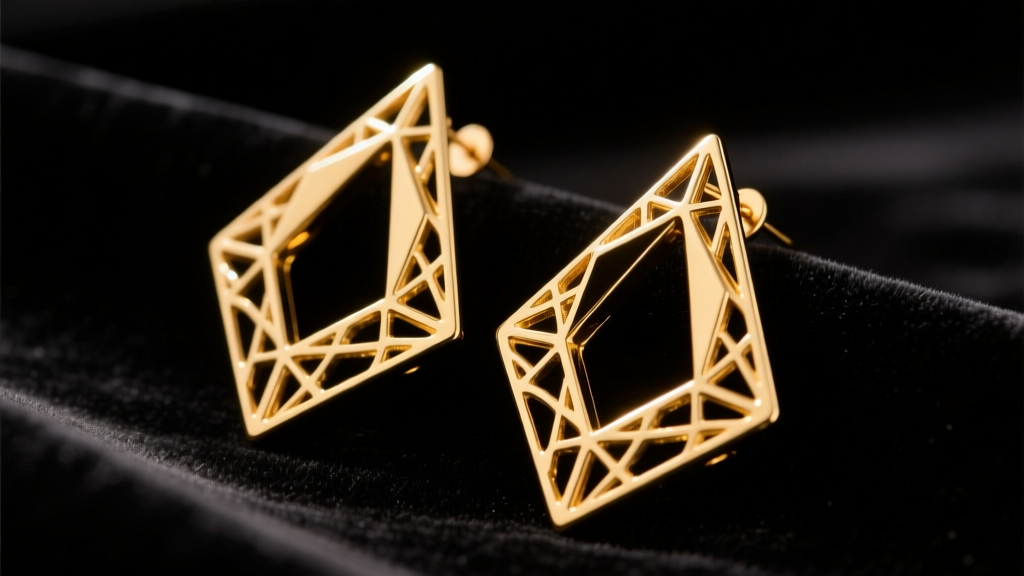
The 1980s was an era of unapologetic maximalism in fashion, and nowhere is this more evident than in the decade's costume jewelry. Brands like Monet, Napier, Trifari, and Anne Klein produced bold, oversized earrings characterized by hammered brass, geometric resin, and heavy gold electroplating. However, acquiring and wearing vintage 80s earrings today presents a unique set of metallurgical and structural challenges. Unlike fine jewelry crafted from solid 14k or 18k gold, 80s costume pieces were typically cast from base metal alloys—often brass, pewter, or white metal—and finished with a thin layer of gold or silver plating.
Over the decades, the adhesives used to set rhinestones have degraded, the mechanical tension in clip-on findings has succumbed to metal fatigue, and the barrier layers meant to protect the wearer from base metal allergies have worn away. If you have just inherited or thrifted a pair of statement vintage 80s earrings, do not simply put them on. Doing so risks severe contact dermatitis, lobe tearing from excessive weight, or irreversible damage to fragile aurora borealis (AB) glass stones. This troubleshooting guide will walk you through the exact diagnostic and repair steps required to safely restore and wear these iconic pieces.
Troubleshooting Nickel Allergies and Skin Reactions
The most common issue with vintage 80s earrings is severe skin irritation. According to the American Academy of Dermatology, nickel allergy is the most frequent cause of allergic contact dermatitis. In the 1980s, nickel was heavily used in base metal alloys to create a bright, silvery under-layer before gold plating. When the micro-pores in the gold plating wear down, your skin's natural lactic acid and sweat react with the exposed nickel, causing weeping, itchy, and swollen earlobes.
Testing for Nickel Exposure
Before attempting any fixes, confirm the presence of nickel using a dimethylglyoxime (DMG) spot test kit, widely available online for under $15. Rub a cotton swab coated in the DMG solution against the earring post or the back of the earring head. If the swab turns pink or red within 60 seconds, nickel is actively leaching from the metal. If the test is negative, the irritation might be caused by trapped bacteria in the porous plating or an allergy to other alloys like cobalt or chromium.
Permanent vs. Temporary Solutions
The internet is full of "hacks" suggesting you paint the earring posts with clear nail polish. As a domain expert, I strongly advise against this. Nail polish contains solvents that can further degrade vintage plating, and it flakes off inside the piercing fistula, potentially causing infection. Instead, use silicone earring guards (like Blomdahl's medical plastic sleeves) for a temporary, non-destructive barrier.
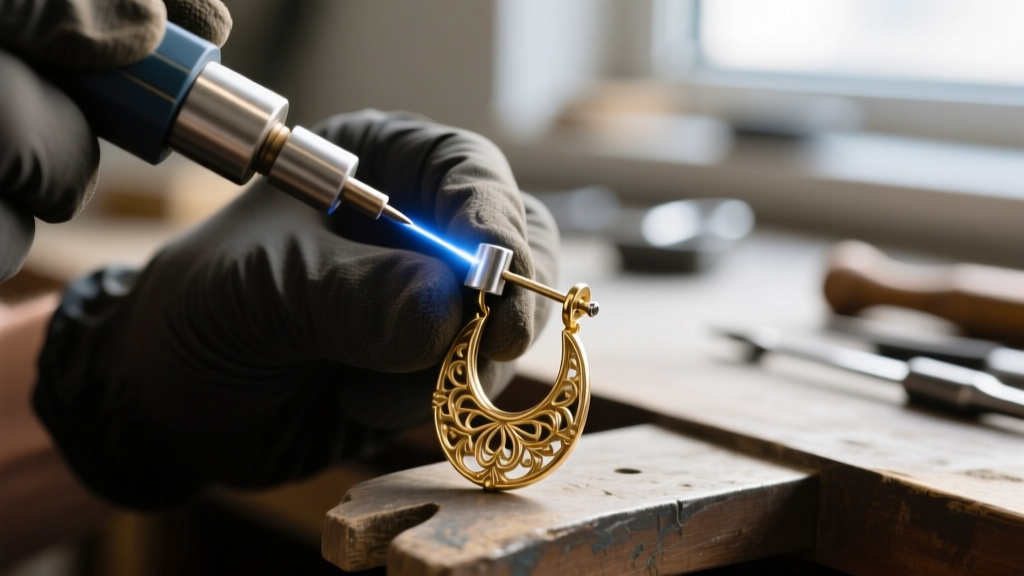
For a permanent solution, take the earrings to a professional jeweler who offers laser welding. As of 2026, desktop laser welders are highly precise and can safely snip off the original brass post and weld on a new, hypoallergenic implant-grade titanium (ASTM F136) or solid 14k nickel-free white gold post without melting the surrounding vintage plating or damaging glued-in rhinestones. Expect to pay between $45 and $85 per pair for this specialized service.
Fixing Broken Clip-Ons and Missing Screw-Backs
Many vintage 80s earrings were designed for unpierced ears, utilizing paddle-back clip-ons or adjustable screw-backs. A frequent failure mode is the loss of tension in the clip-on hinge. The instinctive reaction is to squeeze the metal clip tighter with pliers. Do not do this. The brass and pot metals used in the 80s are highly susceptible to work-hardening. Bending a 40-year-old clip-on will almost certainly cause the metal to snap cleanly off at the hinge.
- Tension Adjustment: If the clip is only slightly loose, a jeweler can use a micro-torch to gently anneal (soften) the metal hinge before adjusting the tension, preventing structural failure.
- Conversion to Pierced: If the clip-on mechanism is broken beyond repair, the best troubleshooting step is conversion. A jeweler will saw off the clip-on paddle, file the base smooth, and silver-solder a modern sterling silver leverback or fishhook finding. This preserves the vintage aesthetic while making the piece wearable for pierced ears.
- Resin and Acrylic Warning: If the earring features glued resin or acrylic elements (common in 80s geometric designs), traditional silver soldering will melt the plastic. In these cases, the clip must be removed, and a flat-pad post must be attached using a two-part jewelry epoxy, such as JB Weld Clear, allowing 24 hours for a full cure.
Restoring Tarnished Plating and Cloudy Rhinestones
Cleaning vintage 80s earrings requires a deep understanding of the materials involved. The Gemological Institute of America (GIA) emphasizes that costume jewelry requires vastly different care than fine gemstones. The most critical rule: never use ultrasonic cleaners, steam cleaners, or ammonia-based glass cleaners (like Windex) on vintage rhinestones.
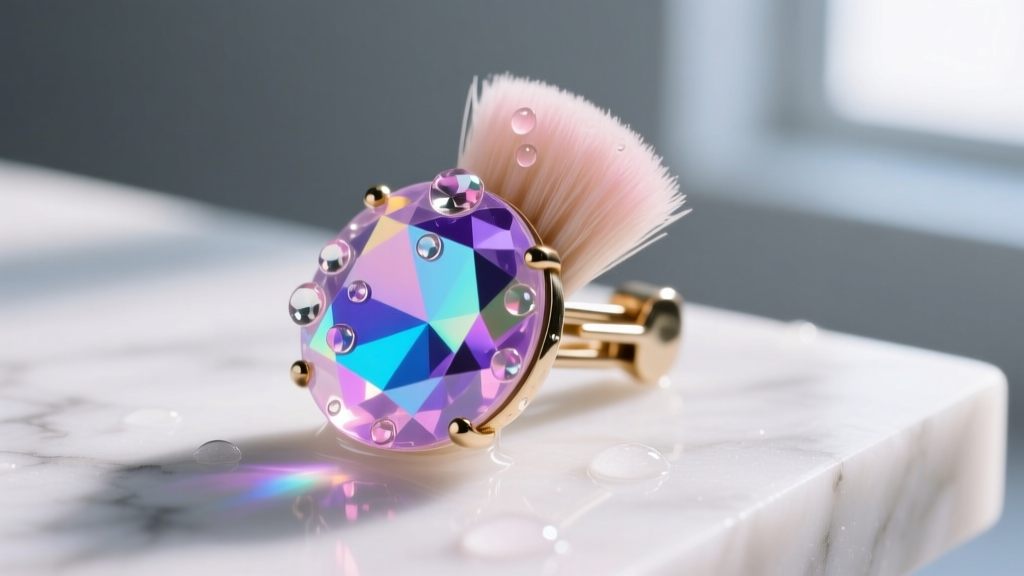
Many 80s earrings feature Aurora Borealis (AB) glass rhinestones. These stones are backed with a delicate, water-soluble metallic foil that creates the rainbow reflection. If moisture penetrates the setting, the foil oxidizes and turns black—a permanent condition known in the trade as "foil rot." Furthermore, harsh chemicals will strip the remaining gold electroplate right off the brass base.
| Material Component | Recommended Cleaning Agent | Application Method | Risk Level |
|---|---|---|---|
| Gold Electroplate (Brass Base) | Mild dish soap (e.g., Dawn) & distilled water | Damp microfiber cloth, gentle rubbing | Low |
| Foil-Backed AB Rhinestones | Dry, soft-bristled makeup brush | Light dusting; avoid all liquids | High (if wet) |
| Unfoiled Glass / Acrylic Resin | Isopropyl alcohol (70%) on a cotton swab | Targeted spot-cleaning on glue residue | Medium |
| Heavily Tarnished Base Metal | Silver polishing cloth (mild abrasive) | Light buffing on un-plated areas only | High (removes plate) |
If the gold plating has entirely worn away, revealing the dull brass or white metal underneath, you cannot simply "polish" it back to gold. The piece must be sent to a specialized electroplating service to be stripped, polished, and re-plated with a fresh layer of 14k or 18k gold. This process typically costs between $60 and $120, depending on the surface area of the earrings.
Managing Heavy Statement Pieces Without Tearing Lobes
The silhouette of 80s earrings was large, heavy, and dramatic. It is not uncommon for a single vintage 80s hammered brass or oversized resin earring to weigh between 15 and 25 grams. For context, a standard modern stud earring weighs less than 2 grams. Sustained wear of heavy vintage pieces will stretch the piercing fistula, cause micro-tears in the earlobe tissue, and eventually lead to permanent lobe drooping or splitting.
"Never rely on the earring's original friction back (butterfly clutch) to support a heavy 1980s statement piece. The narrow surface area will dig into the back of the lobe, cutting off circulation and causing necrosis or severe indentation over just a few hours of wear."
To troubleshoot the weight issue without altering the vintage piece, utilize modern ear support accessories. Polyurethane lobe patches (such as Lobe Wonder) adhere to the back of the earlobe, distributing the weight of the earring across a wider surface area and preventing the metal post from slicing through the skin. Alternatively, swap standard friction backs for wide, flat silicone O-rings or jumbo plastic ear nuts that provide a flush, supportive base against the neck.
When to Seek a Professional Jeweler
While basic dusting and swapping earring backs can be done at home, certain troubleshooting scenarios require professional intervention. If you notice green corrosion (verdigris) forming around the stone settings, this indicates that the copper in the base metal is actively oxidizing and compromising the structural integrity of the prongs. Attempting to clean verdigris with liquids will only accelerate the decay. Furthermore, if a prong holding a large rhinestone is bent or lifted, do not press it back down with your fingernail; vintage pot-metal prongs are brittle and will snap. A jeweler can carefully re-tip the prong using specialized jewelry adhesives or micro-soldering, ensuring your vintage 80s earrings remain safe, structural, and stunning for decades to come. For more on identifying metal allergies and skin reactions, you can also consult resources from the Mayo Clinic.


