Heart Earrings Pink Gemstone and Enamel Troubleshooting Guide
Learn how to troubleshoot heart earrings pink enamel chips, gemstone clouding, and silver tarnish with expert jewelry repair techniques.

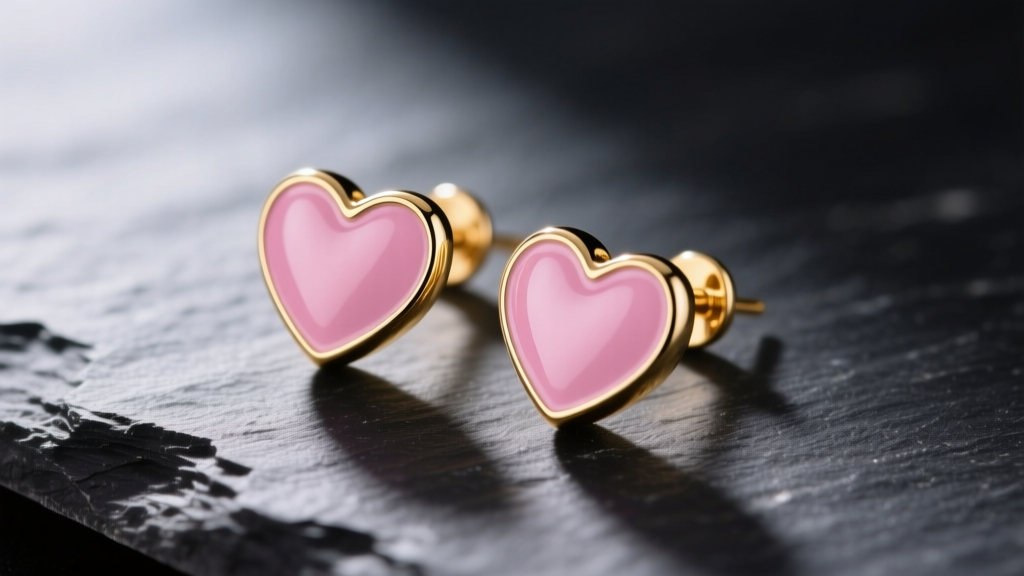
Pink heart earrings have transcended fleeting Y2K and coquette trends to become a permanent, versatile fixture in modern jewelry wardrobes. Whether you are wearing minimalist rose quartz studs, bold cold-enamel hoops, or delicate morganite drops, the romantic appeal of this silhouette is undeniable. However, the very materials that give these pieces their signature blush tones and glossy finishes are often highly susceptible to environmental damage, mechanical stress, and chemical reactions. As we navigate the 2026 jewelry market, where sustainable repair and garment care are prioritized over fast-fashion disposal, knowing how to troubleshoot and restore your favorite pieces is essential.
This comprehensive guide dives deep into the metallurgy, gemology, and material science behind your favorite accessories. We will move past generic cleaning advice and explore actionable, professional-grade troubleshooting frameworks for the most common failures associated with these specific designs.
The Anatomy of Heart Earrings Pink Variations
Before attempting any repair, you must accurately identify the materials composing your jewelry. The failure modes of a $40 brass-based enamel piece are vastly different from a $400 solid 14k gold and morganite drop earring. Misidentifying the base metal or the pink colorant can lead to catastrophic, irreversible damage during the cleaning process.
| Material / Colorant | Common Base Metal | Primary Failure Mode | Repair Difficulty |
|---|---|---|---|
| Cold Enamel (Epoxy/Resin) | Brass or Sterling Silver | Micro-chipping, UV yellowing, peeling | Moderate |
| Vitreous Enamel (Kiln-fired) | Sterling Silver or Gold | Shattering upon impact, hairline fractures | Expert (Requires kiln) |
| Rose Quartz (Cabochon) | Sterling Silver or Vermeil | Chemical etching, surface clouding, scratching | Moderate (Requires lapidary polish) |
| Morganite (Faceted) | 10k/14k Gold or Platinum | Grease accumulation, prong loosening, cleavage fracture | Easy to Moderate |
Troubleshooting Cold Enamel and Resin Failures
The vast majority of heart earrings pink enamel variations on the market utilize cold enamel, which is essentially a two-part epoxy or UV-cured resin tinted with pigments. Unlike vitreous enamel, which is glass fused to metal at 1400°F, cold enamel is essentially a hardened plastic. It is highly prone to micro-chipping along the bezel edges and can yellow over time when exposed to UV light and skin oils.
If your enamel has chipped, do not attempt to use superglue (cyanoacrylate), as it dries with a cloudy, white residue that will ruin the translucent pink effect. Instead, source a color-matched UV jewelry resin. Clean the chipped area with 99% isopropyl alcohol to remove all sebum and lotion residue. Using a fine-tip silicone applicator, carefully pool the resin into the divot, slightly overfilling it to account for shrinkage during curing. Cure the resin under a 36W UV lamp for 60 seconds. Once hardened, use a 3000-grit micro-mesh sanding pad to gently level the repair flush with the surrounding enamel, finishing with a jeweler's rouge cloth to restore the high-gloss factory shine.
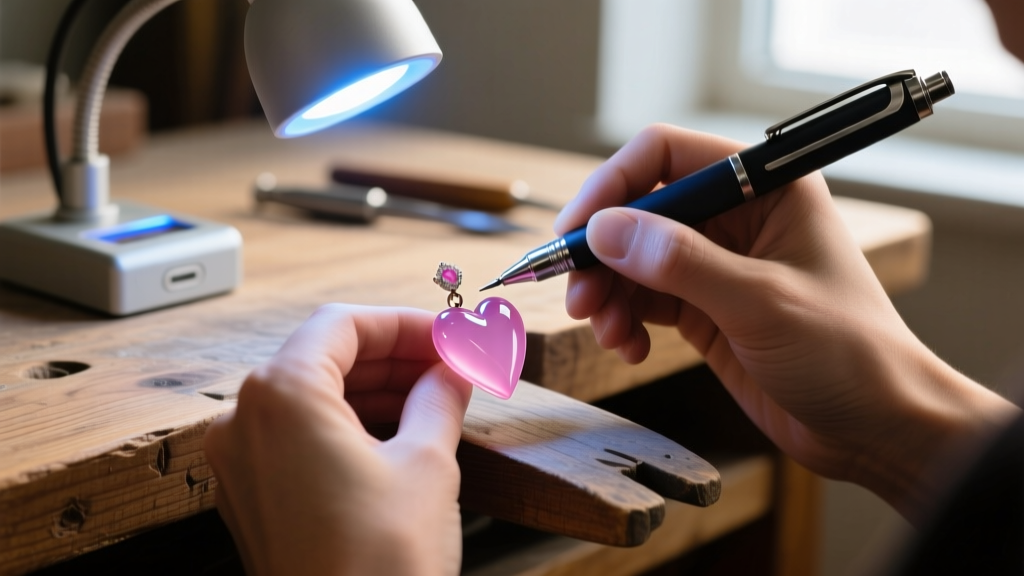
For resin yellowing—a common issue in older, lower-priced pink heart studs—the damage is usually permanent due to the breakdown of the polymer chains. However, you can sometimes mitigate the yellow cast by carefully polishing the surface with a mild abrasive plastic polish, removing the oxidized top layer of the resin.
Restoring Pink Gemstones: Morganite and Rose Quartz
When your heart earrings pink gemstones begin to look cloudy or dull, the culprit is rarely internal damage; it is almost always external contamination. Morganite, a beryl variety with a Mohs hardness of 7.5 to 8, is notoriously oleophilic, meaning it attracts and holds onto oils and lotions. A layer of hand cream on the pavilion (bottom) of the stone will completely kill its refractive brilliance, making it look like cheap pink glass.
To restore morganite, create a bath of warm distilled water and a few drops of ammonia-free dish soap. Let the earrings soak for 15 minutes, then use an ultra-soft baby toothbrush to gently agitate the pavilion beneath the setting. According to the Gemological Institute of America (GIA), you should avoid ultrasonic cleaners for morganite if the stone has significant liquid inclusions or surface-reaching fractures, as the high-frequency vibrations can cause the stone to split along its distinct cleavage planes.
Rose quartz presents a different challenge. With a Mohs hardness of 7, it is relatively durable, but it is a microcrystalline quartz that can be porous. If your rose quartz heart studs have been exposed to harsh chemicals, perfumes, or commercial silver dips containing thiourea, the surface may become permanently etched and cloudy. Surface etching cannot be cleaned; it must be professionally re-polished by a lapidary using cerium oxide on a felt wheel.
Solving the Green Ear and Tarnish Dilemma
Tarnish and skin discoloration are the most frequent complaints regarding sterling silver and gold vermeil heart earrings. The dreaded 'green ear' is not a sign of a nickel allergy; it is a chemical reaction. When copper (which makes up 7.5% of sterling silver and is the base of brass) reacts with the acids, salts, and moisture in your sweat, it creates copper chloride, a green compound that transfers to your skin.
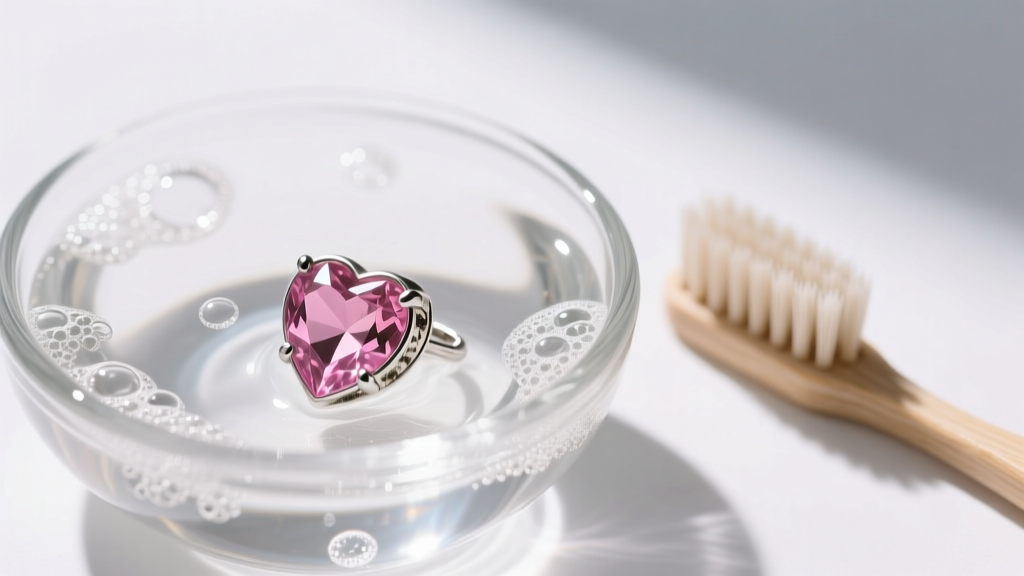
To remove heavy silver sulfide tarnish (the black coating that forms on silver when exposed to sulfur in the air), avoid abrasive pastes that will scratch the surrounding pink enamel or gemstones. Instead, use an electrochemical reduction bath. Line a glass bowl with aluminum foil (shiny side up). Place the tarnished silver earrings on the foil, ensuring they make direct contact with the metal. Pour boiling water into the bowl, then add two tablespoons of baking soda and a tablespoon of salt. The chemical reaction will transfer the sulfur from the silver to the aluminum, lifting the tarnish in minutes without removing any base metal. The GIA Silver Care Guidelines recommend this method as it preserves the integrity of the silver, unlike commercial dips that strip away microscopic layers of the metal.
If you are dealing with gold vermeil, be acutely aware of the gold layer's thickness. The Federal Trade Commission (FTC) defines vermeil as a minimum of 2.5 microns of 10k+ gold over sterling silver. If the pink heart design features high-friction areas, the vermeil may wear through to the silver beneath. Once the silver is exposed, it will tarnish independently of the gold, requiring careful spot-cleaning with a treated polishing cloth, avoiding the gold areas entirely to prevent further wear.
Mechanical Repairs: Straightening 20G and 22G Posts
The delicate nature of heart-shaped studs often means they are lightweight, leading manufacturers to use thinner earring posts to save on precious metal costs. While a standard lobe piercing accommodates a 20-gauge (0.81mm) post, many fashion earrings utilize 22-gauge (0.64mm) or even 23-gauge wire. These thinner posts are highly susceptible to bending when pushed through a tight piercing or caught on hair.
Never use standard steel jewelry pliers to bend a sterling silver or gold post back into shape. Steel is harder than silver and gold, and the teeth of the pliers will permanently mar, scratch, and weaken the post. Furthermore, repeatedly bending silver back and forth causes 'work-hardening,' a metallurgical phenomenon where the metal becomes brittle and eventually snaps. To safely straighten a bent 22G post, use nylon-jaw pliers. Grip the post at the base of the bend and apply slow, steady pressure. If the post has become work-hardened and stiff, a professional jeweler can anneal it using a micro-torch to heat the metal until it glows dull red, then quenching it in water to restore its malleability before straightening.
Preventative Maintenance Matrix
Troubleshooting is only half the battle; preventing the damage ensures your heart earrings remain vibrant for years. Implement this decision matrix for daily wear and storage:
- Chemical Exposure: Always apply perfumes, hairsprays, and lotions at least 10 minutes before putting on morganite or rose quartz earrings. The alcohol and aerosol propellants can degrade cold enamel and cloud porous quartz.
- Friction Management: If your butterfly clutch backs are slipping off thin 22G posts, replace them with silicone O-ring friction backs or secure-locking La Pousette backs, which grip the post via an internal spring mechanism rather than relying on metal tension.
- Storage Environment: Store silver and vermeil pieces in anti-tarnish cloth bags infused with activated charcoal or silver nitrate. Keep enamel pieces away from direct sunlight to prevent UV degradation of the pink pigments.
By understanding the specific material vulnerabilities of your jewelry, you can transition from frustrated consumer to capable caretaker, ensuring your favorite romantic silhouettes withstand the test of time and daily wear.


