Alexis Bittar Flower Earrings: Lucite vs Metal Material Guide
Compare the material properties of Alexis Bittar flower earrings. We analyze hand-carved Lucite versus gold-tone metal for weight, durability, and care.

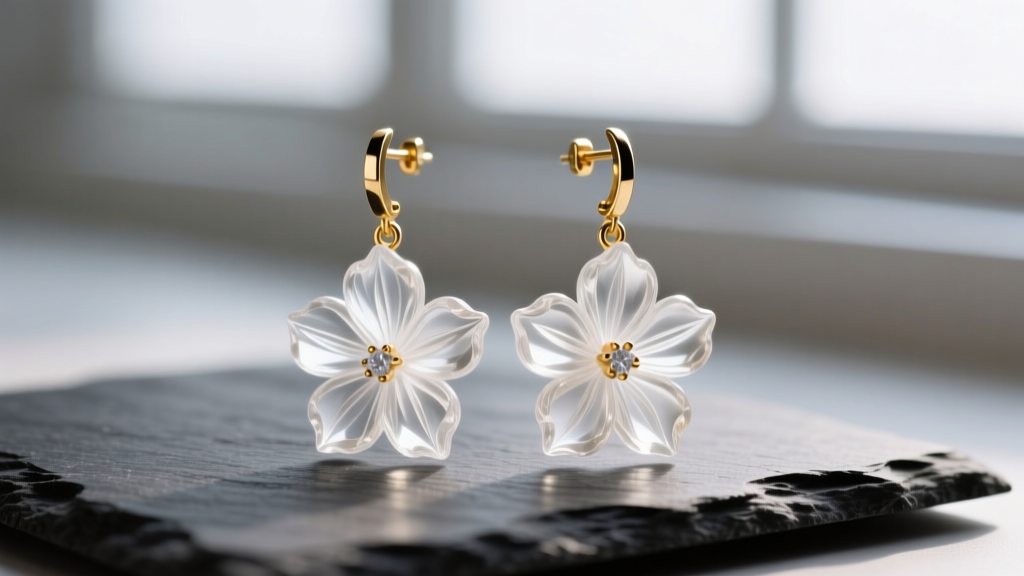
The Allure of Alexis Bittar Floral Designs
When building a curated jewelry wardrobe, the material composition of statement pieces dictates their longevity, comfort, and visual impact. For collectors and stylists evaluating Alexis Bittar flower earrings, the choice typically narrows down to two distinct mediums: the brand's signature hand-carved Lucite and its intricately cast gold-tone metals. While both offer stunning botanical silhouettes, their physical properties, structural failure modes, and biocompatibility profiles are vastly different. In this 2026 material guide, we deconstruct the polymers and alloys behind these iconic floral designs to help you make an informed investment.
Deep Dive: Polymethyl Methacrylate (Lucite) Properties
Alexis Bittar revolutionized fashion jewelry by elevating Lucite—a high-grade, optically clear acrylic glass scientifically known as Polymethyl Methacrylate (PMMA)—to luxury status. Unlike injection-molded acrylics found in fast fashion, Bittar's floral pieces are hand-carved from solid blocks of premium PMMA. This material boasts a density of approximately 1.18 g/cm³, making it exceptionally lightweight. For large-scale floral dangle earrings, this low density is a critical advantage; it prevents tensile stress on the earlobe fistula, avoiding the premature stretching of the piercing that heavier materials cause.
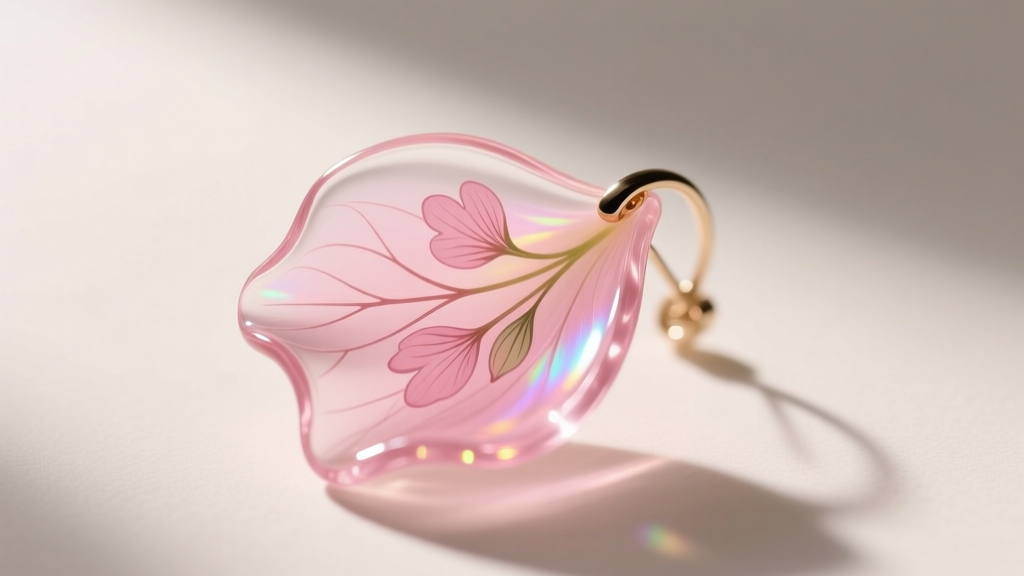
Optical Clarity and Pigment Suspension
PMMA has a refractive index of 1.49, which allows for brilliant light transmission. Bittar leverages this by suspending metallic foils, hand-painted details, and iridescent pigments deep within the acrylic matrix. According to polymer data from the British Plastics Federation, high-grade PMMA resists UV degradation far better than standard polycarbonates, meaning the vibrant hues of these floral earrings will not yellow or become brittle when exposed to ambient sunlight over time.
Structural Integrity and Failure Modes
While Lucite is highly impact-resistant, it is susceptible to specific mechanical failures. The primary vulnerability lies in the hinge mechanisms. Because acrylic cannot be soldered, metal jump rings and hinges must be mechanically pinned or drilled into the Lucite. If a floral drop earring is dropped on a hard surface, the stress concentrates at the drill hole, potentially causing a micro-fracture or a complete snap. To mitigate this, high-end manufacturing often incorporates tiny brass grommets or reinforced resin collars inside the drill holes to distribute mechanical stress. Furthermore, PMMA ranks around 3 on the Mohs hardness scale, meaning it can accumulate micro-scratches if stored loosely with harder gemstones or metal jewelry.
Gold-Tone Metal and Enamel Alternatives
For those who prefer the weight and tradition of metal, Alexis Bittar's floral metal earrings typically utilize a brass (copper-zinc alloy) or zinc alloy base. These bases are electroplated with 14k or 18k gold. In the realm of fashion jewelry, plating thickness is measured in mils (thousandths of an inch). High-quality pieces feature a plating thickness of 0.5 to 1.0 mils, often sealed with an e-coating (electrophoretic lacquer) to delay oxidation and tarnishing. While traditional electroplating remains the standard, some 2026 collections are beginning to explore PVD (Physical Vapor Deposition) coatings for enhanced molecular bonding and scratch resistance.
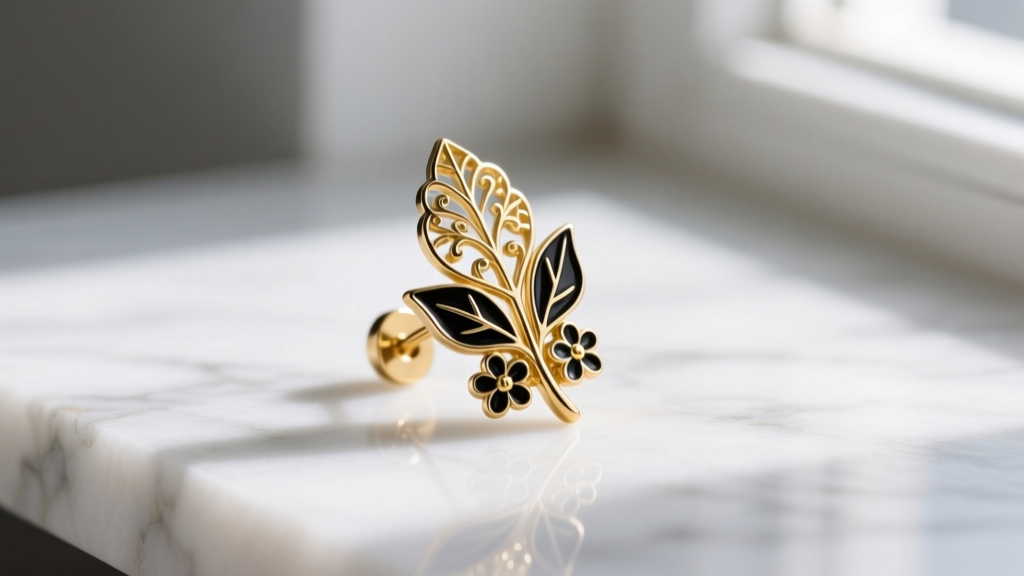
The Role of Vitreous and Epoxy Enamels
Many of the metal floral designs incorporate enamel to mimic the vibrant petals of Lucite. True vitreous enamel requires firing at temperatures exceeding 1,400°F, fusing powdered glass to the metal base. This creates a scratch-resistant, glass-like finish. However, due to the heat sensitivity of certain base alloys and gemstone accents, some contemporary floral designs utilize cold epoxy enamels. While epoxy offers a broader, more vibrant color palette, it is softer and more prone to chipping upon impact compared to its vitreous counterpart.
Material Comparison Matrix
To visualize the practical differences between these two mediums, refer to the comparison table below:
| Property | Hand-Carved Lucite (PMMA) | Gold-Tone Brass / Enamel |
|---|---|---|
| Density / Weight | ~1.18 g/cm³ (Extremely Lightweight) | ~8.4 g/cm³ (Substantial, Heavy) |
| Mohs Hardness | 3.0 (Prone to micro-scratches) | 3.5 - 4.0 (Brass base, harder enamel) |
| Water Resistance | Impervious to water damage | Vulnerable; moisture degrades e-coating |
| Primary Failure Mode | Snapping at drill-hole hinges | Plating wear, enamel chipping, tarnish |
| Ideal Earring Style | Oversized dangles, statement drops | Structured studs, medium-sized hoops |
Hypoallergenic Considerations and Post Materials
Material biocompatibility is paramount for ear health. While the decorative faces of Alexis Bittar flower earrings are crafted from Lucite or plated brass, the post and butterfly backs that penetrate the skin require strict hypoallergenic standards. Most authentic designs utilize 316L surgical stainless steel or sterling silver posts. 316L steel contains molybdenum, which drastically increases corrosion resistance and minimizes nickel leaching. According to the American Academy of Dermatology, minimizing nickel exposure is critical, as contact dermatitis can develop even after years of wearing previously tolerated alloys. Always verify that the earring post is stamped or certified as nickel-free, especially if you have newly pierced lobes or sensitive cartilage.
Care and Maintenance Protocols
The chemical properties of these materials dictate vastly different care routines. Treating a Lucite earring like a metal one will result in irreversible damage.
- For Lucite Earrings: Never use isopropyl alcohol, ammonia, or commercial jewelry dips. These solvents cause "crazing"—a network of microscopic internal cracks that cloud the acrylic and compromise its structural integrity. Clean only with a microfiber cloth dampened with warm water and a mild, pH-neutral dish soap.
- For Metal and Enamel Earrings: Avoid prolonged exposure to humidity, perfumes, and lotions, which will break down the protective e-coating and accelerate the oxidation of the underlying brass. Use a dry, untreated polishing cloth to gently buff the gold-tone surfaces after each wear.
- Storage: Store Lucite and metal pieces in separate soft pouches. The harder metal components will easily gouge the softer PMMA surfaces if they rub together in a shared jewelry box.
Final Verdict: Choosing Your Material
When selecting between the two, consider your lifestyle and the specific earring silhouette you desire. If you are drawn to dramatic, oversized botanical dangles that graze the collarbone, the hand-carved Lucite Alexis Bittar flower earrings are the superior choice; their featherlight nature ensures all-day comfort without stretching your piercings. Conversely, if you prefer structured, intricate floral studs or medium huggies that offer a traditional, luxurious weight and a high-shine metallic finish, the gold-tone and enamel options provide a more classic, heirloom-adjacent aesthetic. By understanding the underlying polymers and alloys, you can curate a floral earring collection that remains pristine for decades.
For more insights on preserving your fine and fashion jewelry, consult the comprehensive care guidelines provided by the Gemological Institute of America (GIA).


