Why Do My Ears Itch When I Wear Earrings? Step-by-Step Fix
Discover exactly why your ears itch when wearing earrings and follow our step-by-step guide to diagnose allergies, biofilm, and find relief.

The Real Reasons Behind the Itch
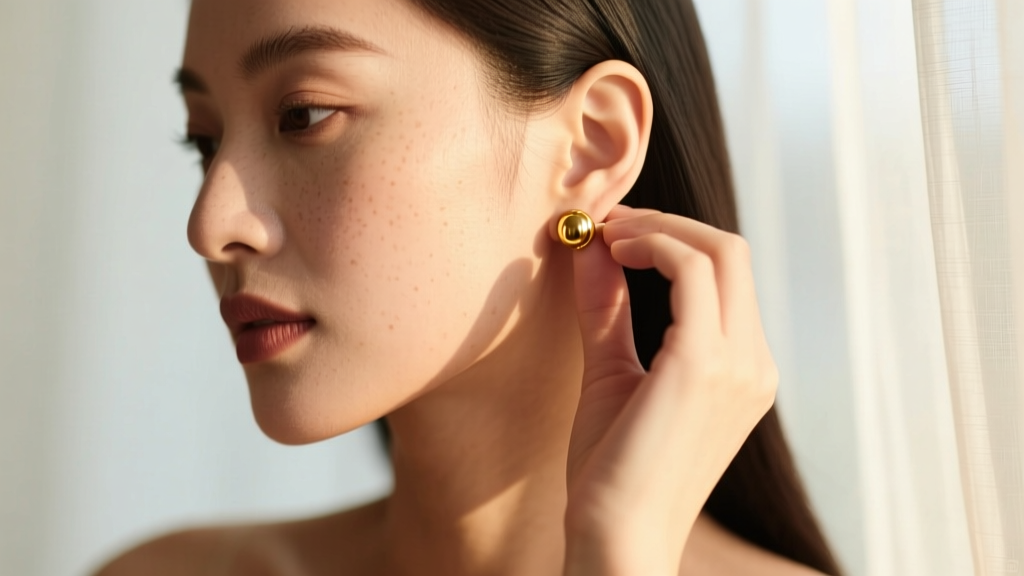
If you have ever found yourself asking, 'why do my ears itch when I wear earrings?', you are experiencing one of the most common dermatological complaints in jewelry wearers. Itching, redness, flaking, and that unmistakable 'cheese' odor are not just annoyances; they are your body's way of signaling that something in your jewelry routine is failing. To fix the problem, we must first accurately diagnose the root cause. The itching almost always stems from one of three specific culprits: allergic contact dermatitis, bacterial biofilm buildup, or mechanical micro-trauma.
Allergic Contact Dermatitis (The Nickel Culprit)
The vast majority of earring itching is caused by a nickel allergy. According to the American Academy of Dermatology, nickel allergy is the most common cause of allergic contact dermatitis, affecting roughly 36% of women. The confusion arises from the unregulated marketing term 'hypoallergenic.' Many brands label 316L Surgical Stainless Steel as hypoallergenic, but this alloy contains between 8% and 10% nickel. When your skin's natural acidity breaks down the metal surface, nickel ions leach into the epidermis, triggering an immune response that manifests as intense itching and weeping skin.
Biofilm and Trapped Moisture
If your ears itch and emit a faint, sour odor, you are dealing with biofilm. The standard 'butterfly' friction back on stud earrings creates a dark, unventilated pocket against the back of the earlobe. Dead skin cells, sebum, sweat, and soap scum accumulate in this space, creating a breeding ground for bacteria and yeast. This biological film degrades the skin barrier, leading to localized itching and irritation that mimics an allergy.
Mechanical Micro-Trauma
Your piercing is a fistula—a tube of healed skin. Standard lobe piercings are typically done at 20-gauge (0.81mm) or 18-gauge (1.02mm). If you attempt to force a thicker 16-gauge (1.29mm) earring post into an 18-gauge hole, or if you wear heavy dangle earrings that pull on the tissue, you create microscopic tears in the fistula. The body responds to this mechanical trauma with histamine release, resulting in an itchy, swollen sensation.
Step-by-Step Guide to Curing and Preventing Earring Itch
Now that we understand the mechanics of the irritation, it is time to implement a clinical approach to healing your earlobes and upgrading your jewelry habits. Follow this protocol to restore your skin barrier and eliminate the itch permanently.
Step 1: The 48-Hour Reset Protocol
The moment itching begins, remove the earrings. Do not attempt to 'push through' the irritation, as this can lead to secondary bacterial infections or permanent keloid scarring. For the next 48 hours, leave the jewelry out. Twice a day, spray the front and back of the earlobe with a sterile 0.9% sodium chloride wound wash (saline). Avoid rubbing alcohol or hydrogen peroxide; these harsh astringents strip the skin's natural lipid barrier, causing micro-cracks that worsen the itching and delay healing.
Step 2: Audit Your Jewelry Materials
Once the skin has calmed, you must reintroduce only biocompatible metals. The Mayo Clinic strongly recommends avoiding nickel-containing alloys for sensitive skin. Use the chart below to audit your current jewelry box and discard or gift the problematic pieces.
| Material Grade | Nickel Content | Itch Risk | Best Use Case |
|---|---|---|---|
| ASTM F136 Titanium | 0% | None | Sensitive ears, fresh piercings, 24/7 wear |
| Niobium | 0% | None | Highly reactive skin, cartilage piercings |
| 14k/18k Solid Yellow Gold | 0% (Alloyed with Ag/Cu) | Low | Everyday luxury wear |
| 14k White Gold | Varies (Often contains Ni) | High | Avoid if prone to contact dermatitis |
| 316L Surgical Steel | 8% - 10% | High | Non-allergic wearers only |
| Sterling Silver (925) | 0% (Usually) | Medium | Occasional wear (tarnish causes irritation) |
Step 3: Ditch the Butterfly Backs
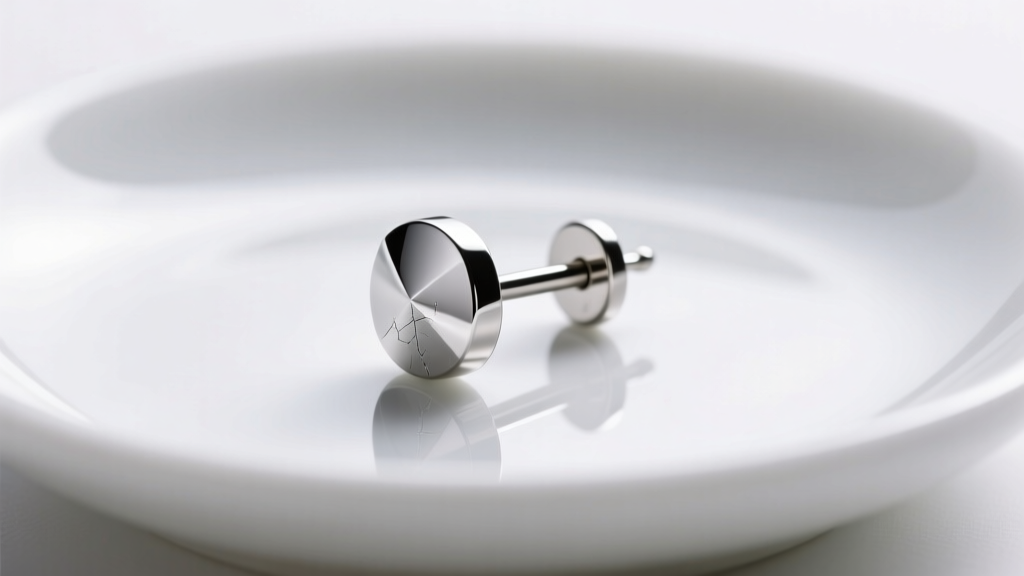
To eliminate biofilm and mechanical pressure, transition your everyday studs to flat-back labrets. Butterfly backs dig into the soft tissue of the earlobe, especially when sleeping, causing pressure necrosis and trapping moisture. A flat-back labret, ideally in an internally threaded or threadless (push-pin) design in ASTM F136 titanium, sits flush against the skin. This allows for proper airflow, prevents the post from poking your neck, and completely eliminates the dark, damp environment where itch-causing bacteria thrive.
Step 4: Optimize Your Sanitization Routine
Even hypoallergenic metals will cause itching if they are coated in degraded skin cells and environmental pollutants. You must clean your earrings regularly, but the method matters.
- The Wrong Way: Soaking jewelry in rubbing alcohol. This can degrade certain gemstone treatments and dry out the metal's microscopic pores.
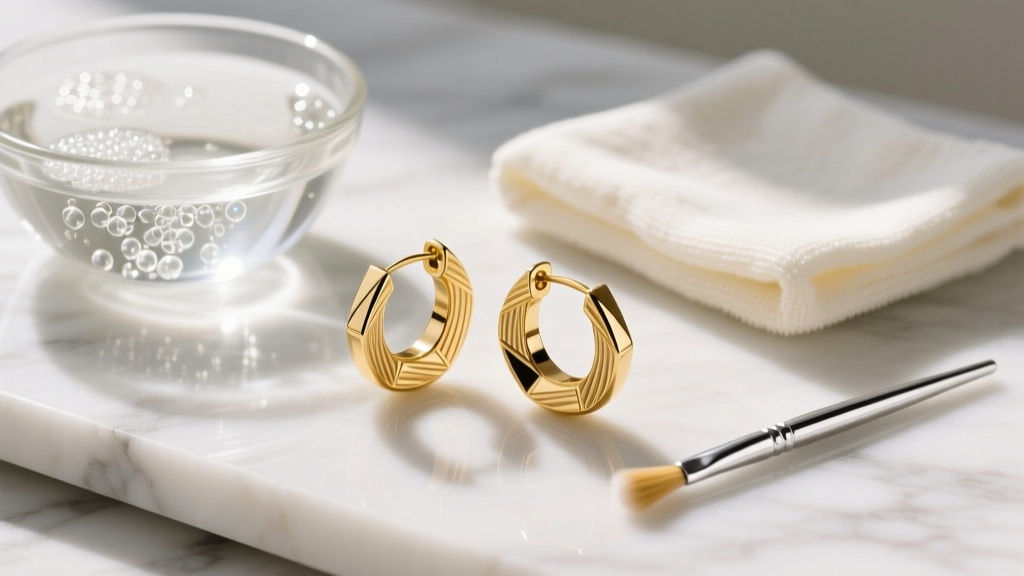
- The Right Way: Create a cleaning solution using warm distilled water and a few drops of pH-balanced, fragrance-free liquid castile soap. Let the earrings soak for 5 minutes.
- The Detailing: Use an ultra-soft baby toothbrush to gently sweep the crevices of the earring post and backing, removing invisible biofilm.
- The Drying: Pat completely dry with a lint-free microfiber cloth before reinserting. Moisture trapped on the post will immediately irritate the fistula.
When to See a Dermatologist
While most earring itching is a localized contact issue, you must monitor for signs of deeper infection or structural damage. If the itching is accompanied by radiating heat, throbbing pain, or a yellowish-green discharge, you may have developed perichondritis (if in the cartilage) or a localized staph infection in the lobe. Furthermore, if you notice the earring hole stretching, migrating, or rejecting the metal entirely, consult a board-certified dermatologist or a professional piercer certified by the Association of Professional Piercers (APP). They can perform patch testing to identify specific metal allergies beyond nickel, such as cobalt or chromium, ensuring your future jewelry selections are perfectly matched to your unique biology.
Expert Tip: If you absolutely must wear a pair of sentimental or vintage earrings that contain nickel, coat the earring posts in a thin layer of clear, medical-grade silicone barrier cream or paint them with clear nail polish. This creates a temporary physical shield between the allergen and your skin, though it must be reapplied every few wears as the coating wears off from friction.


