Troubleshooting Sapphire Diamond Cluster Earrings: Expert Fixes
Learn how to clean, repair, and troubleshoot sapphire diamond cluster earrings. Expert fixes for loose stones, cloudy gems, and drooping posts.

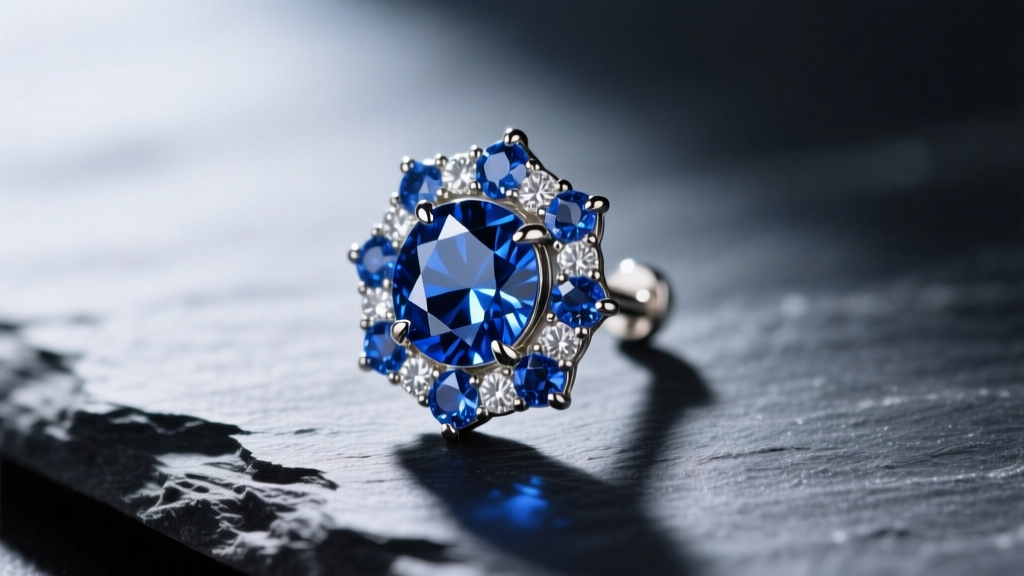
The Hidden Vulnerabilities of Cluster Settings
Sapphire diamond cluster earrings represent a masterclass in fine jewelry design, typically featuring a central corundum gemstone (Mohs 9) surrounded by a geometric halo or pavé cluster of melee diamonds (Mohs 10). While visually breathtaking, the high density of stones and the complex shared-prong architecture create unique structural and maintenance challenges. Unlike solitaire studs, cluster settings trap microscopic debris, experience uneven weight distribution, and suffer from accelerated metal fatigue at the gallery wire. This comprehensive troubleshooting guide provides actionable, metallurgical, and gemological solutions to the most common failures encountered with these intricate pieces.
The Cloudy Gemstone Dilemma: Deep Cleaning Safely
Both sapphires and diamonds are highly oleophilic, meaning they naturally attract and hold onto skin oils, lotions, and sebum. In a cluster setting, the tight proximity of the melee diamonds to the center sapphire creates microscopic crevices where dead skin cells and soap scum accumulate, completely blocking light return and making the gems look milky or gray.
The Ultrasonic Cleaner Risk
Many jewelers and consumers default to ultrasonic cleaners, which operate at 40-45 kHz to cavitate dirt away. However, this is highly dangerous for many commercial sapphires. Sapphires in the $300 to $800 price range are frequently fracture-filled with lead glass or silica to improve apparent clarity. The high-frequency vibrations of an ultrasonic cleaner will shatter fracture-filled stones or cause the filler to cloud permanently. Furthermore, if the cluster diamonds are held in place by worn micro-prongs, the vibrations can shake them loose entirely.
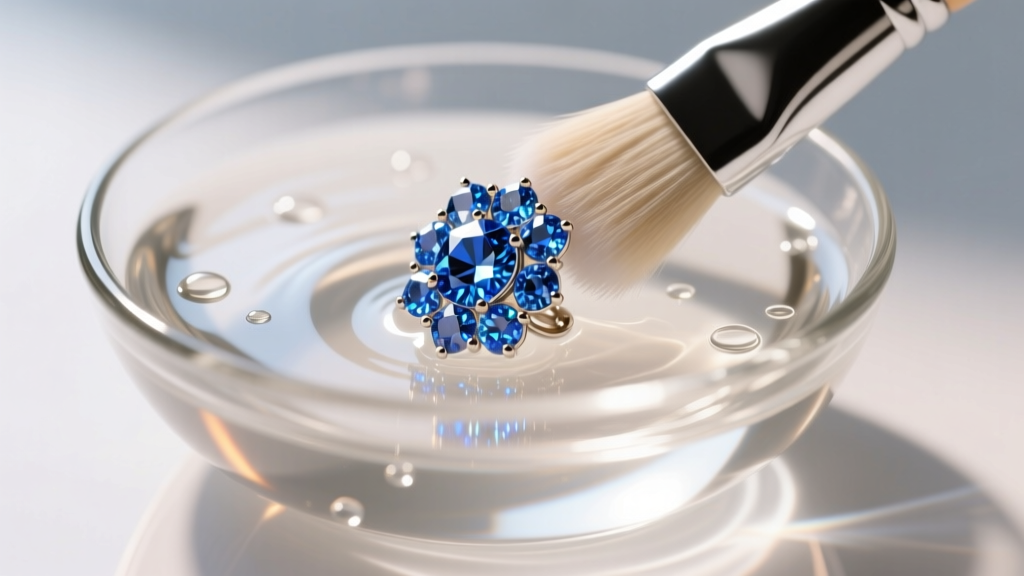
The Expert Degreasing Protocol
To safely restore brilliance without risking thermal or vibrational shock, use a targeted degreasing method:
- The Solution: Mix 1 part ammonia-free, phosphate-free dish detergent (such as Dawn) with 6 parts lukewarm distilled water. Avoid hot water, which can expand metal settings and loosen adhesive if any stones are semi-mounted.
- The Soak: Submerge the earrings for exactly 15 to 20 minutes. This allows the surfactants to break down the lipid bonds on the pavilion facets.
- The Agitation: Use an extra-soft baby toothbrush or a specialized jewelry brush with tapered bristles. Brush strictly from the back (pavilion) to the front (crown), pushing debris out through the gallery gaps rather than packing it tighter against the culet.
- The Rinse: Rinse under a gentle stream of lukewarm distilled water and dry immediately with a lint-free microfiber cloth to prevent water spots.
Diagnosing Loose Stones and Worn Prongs
Cluster settings frequently utilize 'shared prongs' or 'micro-pavé beads' where a single tiny bead of metal secures two or more adjacent melee diamonds. Because these beads are exceptionally small (often less than 0.8mm in diameter), they are highly susceptible to wear, snagging on textiles, and gradual erosion from hand sanitizers.
The 10x Loupe Diagnostic Test
Do not rely on the naked eye to check for loose stones. Use a 10x triplet loupe and examine the earring under direct, focused LED light. Look for the following failure modes:
- Lifting Beads: If a metal bead appears flat or lifted away from the diamond's table edge, the stone is compromised.
- Gallery Wire Cracking: Inspect the underside of the cluster. The gallery wire (the metal ring connecting the prongs) can develop micro-fractures if the earring is dropped on a hard surface like porcelain or tile.
- Sapphire Wobble: Gently tap the center sapphire with a wooden toothpick. Any audible clicking or visible movement indicates that the primary four or six prongs have pulled away from the girdle.
Laser Welding vs. Traditional Soldering
If a stone is loose, it requires 're-tipping' (adding fresh metal to the worn prong). For sapphire diamond cluster earrings, insist that your jeweler uses a laser welder rather than a traditional torch. While natural, unheated sapphires can withstand torch heat, many modern sapphires undergo beryllium diffusion or lattice diffusion treatments to enhance color. Localized, uncontrolled torch heat without proper fluxing can alter the sapphire's color zoning or cause surface pitting. Laser welding targets a microscopic 0.2mm area, adding 14k or 18k white gold wire to the prong without raising the ambient temperature of the gemstone. Expect to pay between $35 and $85 per stone for laser re-tipping.
Structural Sag: Fixing Drooping Heavy Clusters
A common complaint with sapphire diamond cluster earrings is 'drooping' or 'sagging,' where the earring faces forward or downward rather than sitting flush against the earlobe. This is rarely a defect in the ear piercing itself, but rather a failure of the earring's structural engineering.
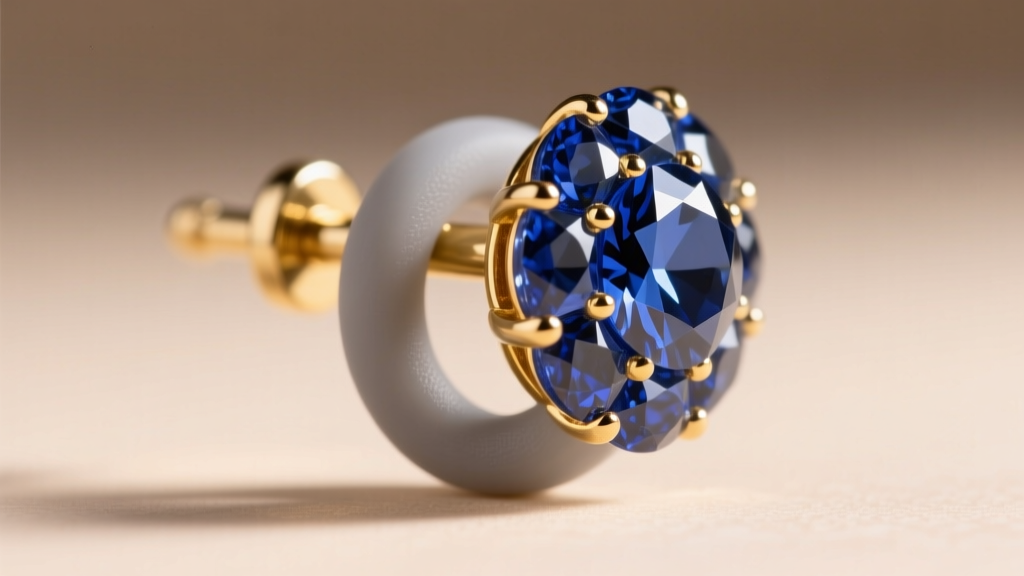
Post Gauge and Metallurgy
Standard lightweight stud earrings use 20-gauge (0.81mm) posts. However, a sapphire diamond cluster weighing over 3.5 grams per earring requires an 18-gauge (1.02mm) or even 16-gauge (1.29mm) post to resist bending under the leverage of gravity. Furthermore, the metal alloy matters. 14k yellow gold is relatively soft and will bend over time. Upgrading the post to Platinum or 18k white gold alloyed with nickel or palladium provides the necessary tensile strength and rigidity to hold a heavy cluster perfectly horizontal.
Upgrading the Friction Back
Standard 'butterfly' friction backs rely on a small metal scroll that wears out and loses tension within months. To solve the sagging issue, upgrade to mechanical locking backs:
- La Pousette Backs: These feature a spring-loaded locking mechanism that clicks securely onto a notched post, completely eliminating the risk of loss and providing a wider surface area to distribute weight against the back of the earlobe.
- Silicone O-Rings with Metal Cores: A highly affordable alternative ($10-$20 for a pack) that grips the post via high-friction silicone while the internal metal core prevents the silicone from tearing.
- Ear Nuts / Support Patches: Adhesive silicone patches (like BlingWraps) placed behind the earlobe act as a structural shim, preventing the heavy cluster from pulling the piercing channel downward.
Troubleshooting Matrix: Quick Reference Guide
| Symptom | Root Cause | DIY Fix | When to See a Jeweler |
|---|---|---|---|
| Center sapphire looks milky or gray | Lipid and soap buildup on pavilion facets | Ammonia-free degreasing soak and soft brush | If cloudiness persists (may be internal fracture filling degradation) |
| Earring droops or points downward | Post gauge too thin; worn butterfly back | Switch to silicone O-rings or adhesive ear shims | To have a jeweler solder a thicker 18-gauge platinum post |
| Audible clicking when tapping stones | Shared prongs or micro-beads worn flat | None (Stop wearing immediately to prevent stone loss) | Requires laser re-tipping ($35-$85 per stone) |
| White gold settings turning yellow | Rhodium plating wearing off the 14k/18k alloy | Polishing cloth for light surface cleaning | Requires professional ultrasonic cleaning and electroplating |
Preventative Maintenance Schedule
To maximize the lifespan of your sapphire diamond cluster earrings, implement a strict maintenance schedule. According to the Gemological Institute of America (GIA), regular professional inspections are critical for multi-stone settings. Every six months, have a jeweler perform a 'prong pull test' under magnification to ensure the metal beads are exerting adequate downward pressure on the diamond girdles.
Expert Tip: Never apply hairspray, perfume, or dry shampoo while wearing cluster earrings. The aerosolized polymers in these products create a microscopic, hardened film over the cluster that is nearly impossible to remove with standard home cleaning methods, often requiring professional steam cleaning to dissolve.
By understanding the specific metallurgical and gemological vulnerabilities of cluster settings, you can transition from reactive repairs to proactive preservation, ensuring your earrings remain as brilliant and structurally sound as the day they were crafted. For further reading on long-term gemstone preservation, the American Gem Society (AGS) provides excellent baseline guidelines for fine jewelry maintenance.


