Troubleshooting Soot Sprite Earrings: Fixing Chips, Tarnish & Droop
Are your favorite soot sprite earrings chipping, tarnishing, or stretching your lobes? Learn expert troubleshooting tips to restore and upgrade them.

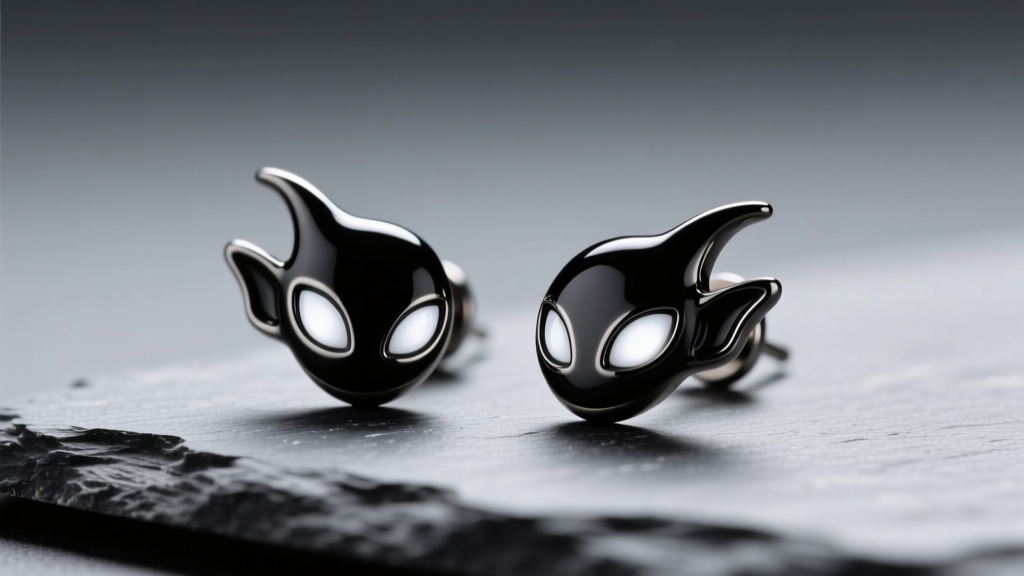
The Anatomy of Soot Sprite Earrings & Common Failure Points
Soot sprite (susuwatari) earrings are a staple for Studio Ghibli enthusiasts, but the novelty jewelry market is rife with manufacturing shortcuts. Whether your sprites are crafted from black enamel, cast resin, or carved onyx, they face unique structural and aesthetic vulnerabilities. This guide provides expert-level troubleshooting to rescue your favorite pair from chipping, tarnishing, and lobe fatigue.
Identifying Authentic vs. Mass-Market Materials
Before troubleshooting, you must accurately identify what your soot sprite earrings are actually made of. Mass-market pairs often use zinc alloy castings coated in "cold enamel"—a two-part epoxy resin tinted black. You can identify cold enamel by its slightly plastic-like warmth to the touch and its susceptibility to denting under a fingernail if pressed hard.
Conversely, high-end artisan pairs use vitreous enamel (glass fused to metal at 1400°F) or carved black spinel. Vitreous enamel feels cold like glass and will not dent. If you are troubleshooting a chip on vitreous enamel, model paint will look visibly different due to the depth and refractive index of real glass. In these cases, professional refiring is the only invisible repair.
Troubleshooting Material Degradation
Repairing Chipped Black Enamel
If your enamel soot sprite has suffered a chip on the edge or the white eye detail, standard nail polish will dry with a purple undertone and peel within weeks. Instead, use hobby-grade model paints. Tamiya X-18 Semi-Gloss Black or X-2 White provides a self-leveling, durable finish.
- Clean the chipped area with 99% isopropyl alcohol to remove skin oils.
- Apply the model paint using a 000-spotter brush, filling the chip slightly above the surface level.
- Once cured (24 hours), seal the repair with a micro-drop of UV-curing jewelry resin to match the gloss of the original cold enamel and prevent moisture ingress.
Addressing Cloudy or Yellowing Resin
Unfortunately, once epoxy or polyurethane resin has yellowed due to UV exposure, the chemical degradation is irreversible. However, if the issue is surface cloudiness caused by micro-scratches and sebum buildup, you can restore the optical clarity. Use a plastic polish like Novus 2 (Fine Scratch Remover) applied with a microfiber cloth, buffing in tight circles until the soot sprite’s surface regains its glass-like finish.
Solving Hardware & Comfort Issues
Jump Ring Fatigue & Hardware Upgrades
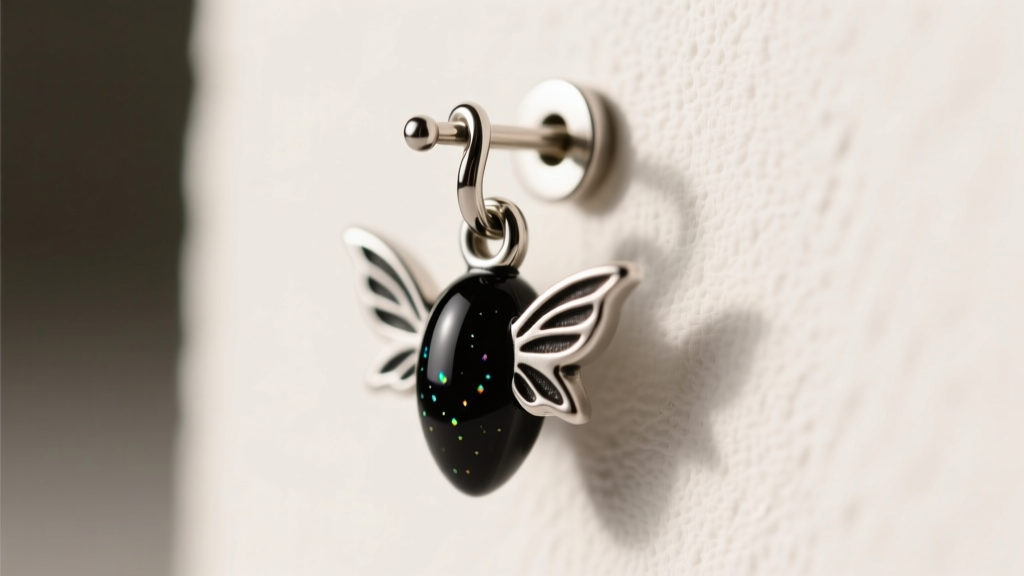
The tiny open jump rings connecting the sprite charm to the ear wire are typically 22-gauge (0.6mm) or thinner. When worn as dangle earrings, the pendulum motion creates metal fatigue at the split of the open ring, eventually causing it to snap and drop your soot sprite into the abyss.
To fix this, discard the factory open jump rings. Purchase 20-gauge (0.8mm) or 18-gauge (1.0mm) closed (soldered) jump rings made from 316L surgical steel or niobium. You will need to open the ear wire's loop, thread it through the closed jump ring, and close the ear wire loop using two pairs of chain-nose pliers to ensure a flush, gapless seal. This single hardware upgrade increases the tensile strength of the connection by over 300%.
Earlobe Droop & Stretching
Soot sprite earrings, particularly those carved from solid onyx or cast in dense brass, can easily exceed 8 to 12 grams per earring. This concentrated weight pulls the earlobe downward, causing the piercing hole to stretch and the earring to face the floor rather than sitting flush against the ear.
To solve this without abandoning your favorite pair, utilize silicone earlobe support patches (such as LobeWonder). These adhesive pads distribute the weight across a wider surface area of the earlobe's posterior. For a permanent jewelry modification, take the earrings to a bench jeweler to have the heavy base metal charm hollowed out slightly using a high-speed burr, reducing the overall mass without altering the frontal silhouette.
Allergic Reactions to Base Metal Posts
Many novelty earrings use nickel-silver or surgical steel posts that contain trace nickel, leading to contact dermatitis. If your earlobes are itching or weeping, the post must be replaced. According to the Association of Professional Piercers, the gold standard for sensitive ears is ASTM F136 implant-grade titanium. You can purchase titanium earring post blanks with attached pads and use a two-part epoxy to bond your soot sprite charm to the new hypoallergenic post, completely bypassing the toxic base metal.
Troubleshooting Matrix: Quick Fixes vs. Professional Repairs
| Issue | Root Cause | At-Home DIY Fix | Professional Bench Jeweler Fix |
|---|---|---|---|
| Chipped Black Enamel | Impact or epoxy shrinkage | Tamiya model paint + UV resin topcoat | Kiln-fired vitreous enamel refiring |
| Broken Jump Ring | 22G wire fatigue from swinging | Replace with 20G closed jump ring | Laser-weld the charm to a solid loop |
| Forward-Facing Droop | Charm weight exceeds 10g | Silicone lobe support patches | Hollow out the charm back; add top counterweight |
| Green/Black Skin Staining | Copper/brass oxidation via sweat | Paint the back with clear nail polish (temporary) | Electroplate with rhodium or fine silver |
Preventative Maintenance & Storage
The porous nature of carved stone soot sprites, such as those made from black onyx or obsidian, makes them susceptible to absorbing lotions, perfumes, and sweat. The Gemological Institute of America (GIA) notes that while onyx is relatively durable (Mohs hardness of 7), it can be dulled by harsh chemicals. Always wipe stone sprites with a damp, lint-free cloth after wearing.
Jeweler's Warning: Never place soot sprite earrings in an ultrasonic jewelry cleaner. The high-frequency cavitation bubbles can easily shatter the bond between cold enamel and the base metal, causing the black coating to peel off entirely. Similarly, ultrasonic waves can fracture natural black onyx if the stone has internal liquid inclusions or micro-fissures.
Furthermore, never store soot sprite earrings loose in a jewelry box. The white painted or enamel eyes are highly susceptible to abrasion. Store them in individual anti-tarnish velvet pouches or a compartmentalized box where the charms cannot knock against each other.
Sourcing High-Quality Replacements in 2026
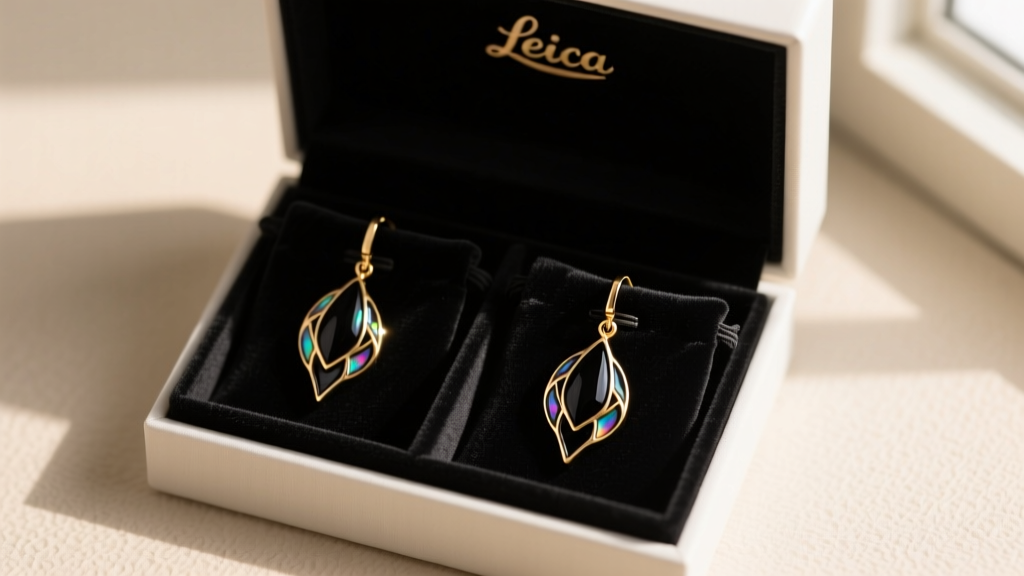
If your current pair is beyond repair, look for artisans who specialize in lost-wax casting using solid 925 sterling silver or 14k gold, finished with kiln-fired vitreous enamel rather than cold epoxy. As of 2026, the artisan market has shifted heavily toward sustainable, nickel-free casting practices, making it easier than ever to find high-quality Ghibli-inspired jewelry.
When evaluating artisan shops, scrutinize the macro photography. Look for the telltale signs of lost-wax casting: a smooth, continuous shank and a sprue mark that has been cleanly filed and polished flush. Avoid sellers who use 3D-printed resin masters without proper sanding, as the layer lines will show through the black enamel, creating a ribbed texture that catches on hair and sweaters. Expect to pay between $65 and $140 for sterling silver and vitreous enamel pieces, a justifiable premium for heirloom-grade susuwatari companions that won't turn your lobes green or chip away into dust.


