How to Safely Clean and Maintain Cluster Flower Earrings
Learn how to safely clean, maintain, and store your cluster flower earrings. Expert tips on prong care, stone-safe solutions, and avoiding damage.

The Unique Maintenance Challenges of Cluster Flower Earrings
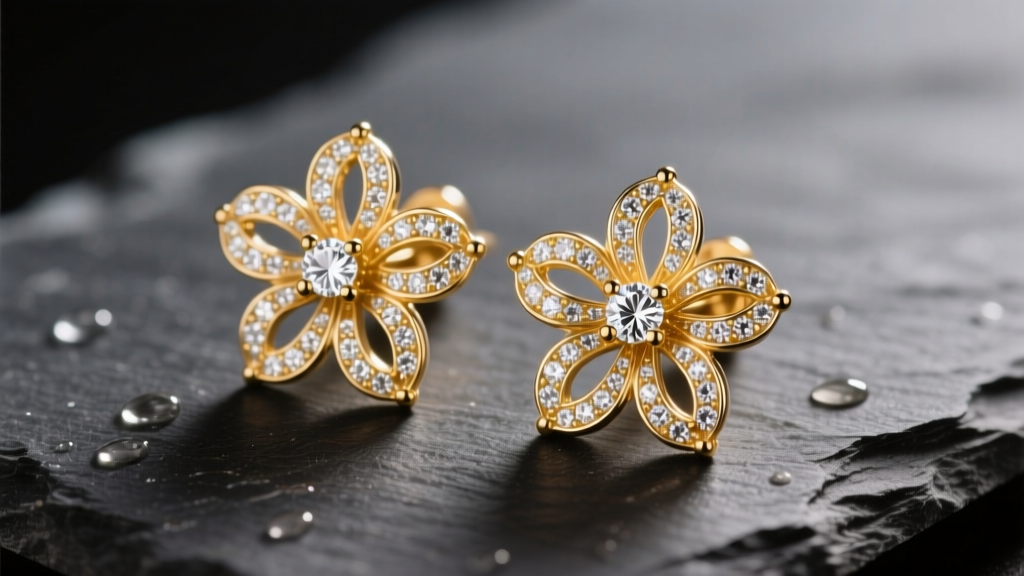
Cluster flower earrings are a breathtaking jewelry staple, utilizing multiple small gemstones arranged to mimic the intricate petals of a blooming flower. While their multi-stone design offers maximum sparkle and a larger visual footprint, it also creates a complex topography of tiny prongs, shared galleries, and microscopic crevices. As of 2026, these designs remain incredibly popular, but they require a highly specific maintenance routine. The gallery—the hollow space beneath the stone cluster—is a notorious trap for sebum, dead skin cells, cosmetic residues, and environmental dust. When left uncleaned, this buildup not only dulls the brilliance of the gemstones by blocking light refraction but can also accelerate metal tarnishing and harbor bacteria that lead to earlobe irritation.
Furthermore, the structural integrity of cluster settings relies on micro-prongs or delicate bead settings. Unlike solitaire studs with four or six robust prongs, a cluster flower earring might feature thirty or more microscopic metal beads holding the 'petals' in place. Snagging these on knit sweaters, hairbrushes, or even over-ear headphones can bend a micro-prong, risking the loss of a stone. Understanding the anatomy of your earrings is the first step in preserving their beauty and structural longevity.
Step-by-Step Cleaning Routine for Diamond and CZ Clusters
For cluster flower earrings set with durable stones like diamonds, sapphires, or high-quality cubic zirconia (CZ) in solid gold or platinum, a gentle at-home degreasing bath is the most effective cleaning method. Avoid commercial jewelry dips, which often contain harsh chemicals that can degrade the rhodium plating on white gold or damage porous accent stones.
The Safe Soak and Brush Method
- Prepare the Solution: Fill a small glass bowl with lukewarm water. Avoid hot water, as extreme temperature changes can cause thermal shock, potentially fracturing treated stones. Add three to four drops of a mild, degreasing dish soap (such as original blue Dawn).
- Soak: Submerge the earrings for 15 to 20 minutes. This softens the hardened sebum and lotion trapped in the under-gallery.
- Agitate Gently: Using an extra-soft baby toothbrush or a specialized jewelry brush with ultra-fine bristles, gently brush the top of the cluster. Use small, circular motions, paying special attention to the spaces between the 'petals'.
- Clear the Gallery: Flip the earring over. Use a wooden cuticle stick or a soft interdental brush to gently dislodge debris from the undercarriage. Never use metal needles or safety pins, as these will scratch the gold or silver and loosen the prongs.
- Rinse and Dry: Rinse thoroughly under a gentle stream of lukewarm water (ensure the drain is plugged!). Pat dry with a lint-free microfiber cloth, and use a hairdryer on the 'cool' setting to blow moisture out of the tiny crevices.
According to the Gemological Institute of America (GIA), regular degreasing is essential for maintaining a diamond's light return, as even a microscopic film of oil can drastically reduce its brilliance and fire.
The Danger of Ultrasonic Cleaners for Cluster Settings
Many jewelry owners assume that ultrasonic cleaners are the ultimate solution for intricate designs. However, using an ultrasonic machine on cluster flower earrings carries significant risks. Ultrasonic cleaners work through cavitation—creating microscopic bubbles that implode and generate intense localized heat and shockwaves. While this blasts away dirt, it can easily shake loose the tiny micro-pave stones used in the petals of a cluster design. Furthermore, if your cluster features fracture-filled diamonds or clarity-enhanced stones, the ultrasonic vibrations can shatter them or strip the glass-like fillers, leaving the stones cloudy and damaged.
Material-Specific Warnings: Opals, Pearls, and Emeralds
Not all cluster flower earrings are made with diamonds or CZ. Designers frequently use organic or porous gemstones to create colorful, botanical-inspired pieces. These materials require a completely different, strictly 'dry' approach to maintenance. Submerging porous stones in water can dissolve the adhesives used in the setting, cause opals to craze (crack), or strip the natural oils from emeralds.
| Stone Material | Safe Cleaning Method | Strictly Avoid |
|---|---|---|
| Diamond / Sapphire | Warm soapy soak, soft brush | Chlorine bleach |
| Cubic Zirconia | Warm soapy soak, soft brush | Harsh abrasives, toothpaste |
| Pearl / Mother of Pearl | Damp microfiber wipe only | Soaking, ultrasonics, ammonia |
| Opal | Dry, soft polishing cloth | Water immersion, heat, chemicals |
| Emerald | Dry, soft brush; professional oiling | Ultrasonics, hot water, soap |
For organic cluster flower earrings, such as those featuring mother-of-pearl petals, the GIA Pearl Care Guide strongly advises against any liquid immersion. Simply wipe the surface gently with a slightly damp, lint-free cloth after each wear to remove acidic skin oils that can etch the nacre over time.
Inspecting Prongs and Metal Integrity
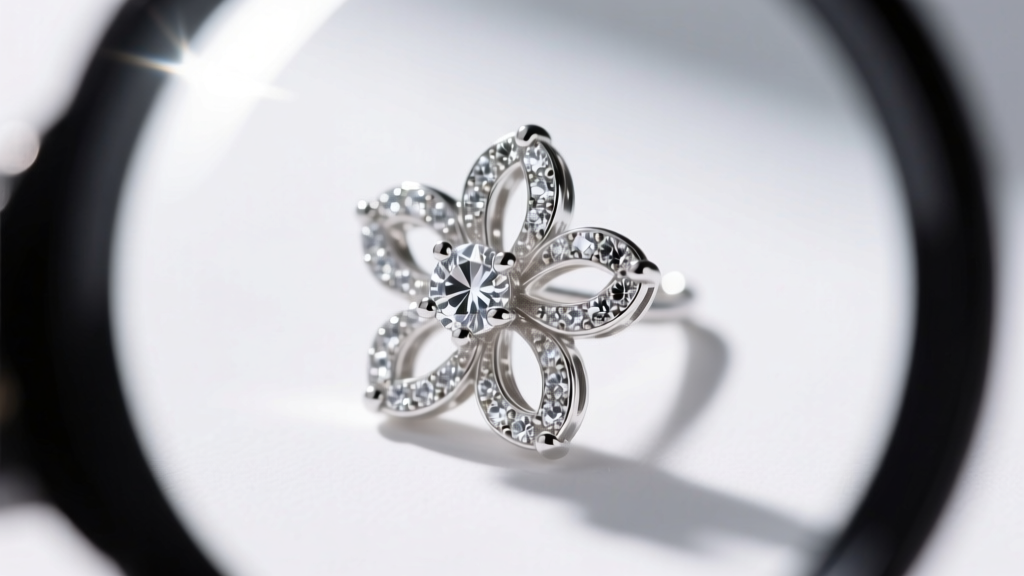
Because cluster settings utilize an abundance of small stones, the prongs holding them are exceptionally delicate. You should inspect your cluster flower earrings every three to six months using a 10x triplet jeweler's loupe. When examining the piece, look for 'light gaps' between the girdle of the stone and the metal prong. If you can see a shadow or gap, or if the metal bead appears flattened rather than perfectly rounded, the stone is at risk of falling out. Additionally, check the solder joint where the earring post meets the base of the flower cluster. This is a high-stress point that can develop micro-fractures from the daily torque of putting on and taking off the earring backs.
Upgrading Earring Backs for Heavy Clusters
Cluster flower earrings often carry more weight than standard solitaire studs due to the dense concentration of gemstones and metal. Standard friction backs (butterfly backs) can struggle to support this weight, causing the earring to droop forward on the earlobe or, worse, slide off entirely. To maintain the structural health of the earring post and prevent loss, upgrade to silicone disc backs or specialized locking lever-backs. These distribute the weight more evenly across the back of the earlobe and reduce the bending stress on the metal post. If your earrings feature threaded screw-backs, use a soft brush to clean the threads of the post, as trapped debris can strip the internal threading of the nut over time.
Proper Storage to Prevent Tarnish and Scratches
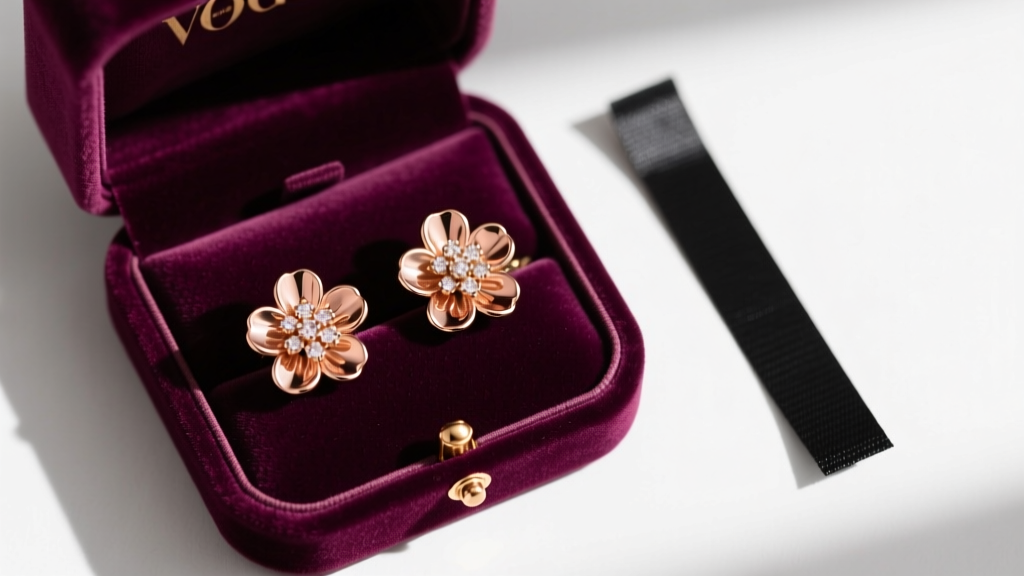
How you store your cluster flower earrings is just as critical as how you clean them. The intricate, multi-level surface of a cluster design makes it highly susceptible to scratching if tossed loosely into a jewelry box. Always store them individually in soft, anti-tarnish flannel pouches or dedicated compartments lined with untreated felt. For sterling silver cluster earrings, oxidation is a constant threat, especially in humid environments. Place a 3M anti-tarnish strip or a piece of Pacific Silvercloth inside the storage pouch. These materials absorb sulfur compounds from the air, significantly delaying the oxidation process. Never store your earrings in the bathroom, as the fluctuating humidity and aerosolized cosmetics will rapidly degrade the metal finish and dull the stones.
When to See a Professional Jeweler
While diligent at-home care is essential, it cannot replace professional maintenance. The Jewelers of America recommends an annual professional inspection for all fine jewelry. A jeweler can use professional-grade steam cleaners to safely blast away stubborn debris from the under-gallery without risking the stones. More importantly, they can perform a 'prong tightening' service, using specialized micro-burrs and setting tools to re-seat any loose stones and reinforce worn metal beads. If your cluster flower earrings are crafted in white gold, you will also need to budget for rhodium re-plating every 12 to 24 months to maintain the bright, silvery-white luster that contrasts so beautifully with the diamond clusters.


