Fixing Tarnished Flower Earrings Pearl Settings: A Repair Guide
Learn how to troubleshoot, clean, and repair tarnished flower earrings pearl settings. Expert tips on metal care, pearl luster, and lobe support.

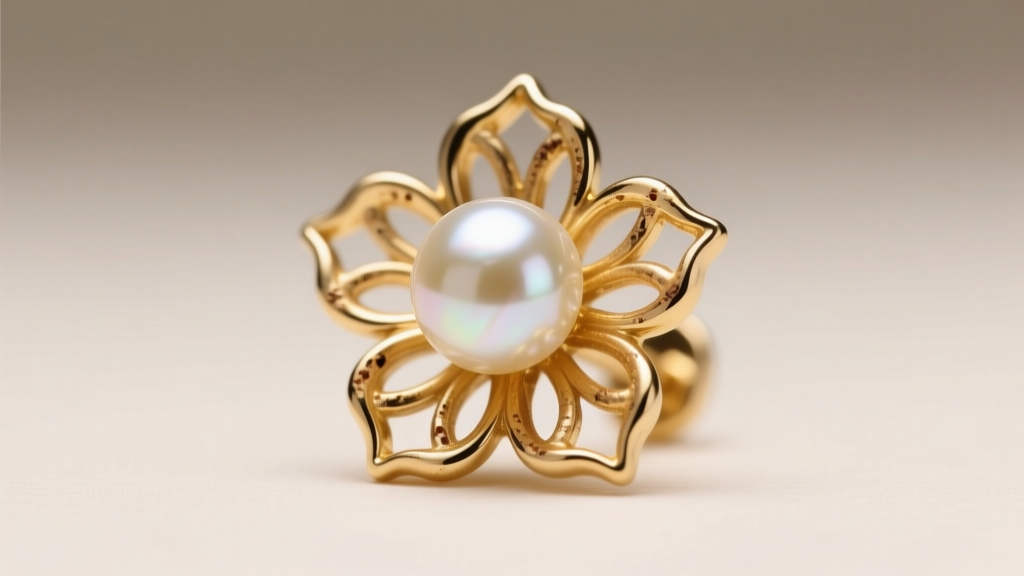
Floral jewelry designs are a timeless staple, but combining intricate metalwork with delicate organic gemstones creates unique maintenance challenges. If you own a pair of vintage or everyday flower earrings pearl styles, you have likely encountered the holy trinity of jewelry frustration: tarnished metal petals, loose center stones, and earlobe droop. As of 2026, while manufacturing techniques have improved, the fundamental chemistry of silver oxidation and the physics of top-heavy floral designs remain unchanged.
This comprehensive troubleshooting guide dives deep into the exact material grades, adhesive chemistries, and structural fixes required to restore your floral pearl earrings to their original brilliance. Whether you are dealing with a 4mm freshwater pearl daisy or a heavy 9mm South Sea pearl lotus, the solutions below will help you salvage your favorite pieces.
The Anatomy of Pearl Flower Earring Failures
To effectively troubleshoot, you must first understand how floral pearl earrings are constructed. Unlike simple bezel-set solitaires, flower earrings feature multiple metal components (petals, leaves, stems) that are either cast as a single piece or soldered together. The pearl is typically mounted in the center using one of three methods:
- Prong Settings: Usually 4 to 6 delicate prongs (often 0.6mm to 0.8mm wire gauge) wrapping over the pearl's equator.
- Bezel Settings: A thin metal rim pushed over the pearl, common in modern, minimalist daisy designs.
- Cup-and-Post (Glue):strong> The most common method for studs, where a metal floral "cup" is filled with adhesive, and a half-drilled pearl is mounted on a center pin.
Failures usually occur at the connection points. Skin oils, cosmetics, and environmental humidity seep into the crevices of the floral metalwork, accelerating tarnish and degrading the adhesives used in cup-and-post settings. According to the Gemological Institute of America (GIA), the porous nature of pearl nacre makes it highly susceptible to chemical damage from the very cleaners people use to fix the surrounding metal.
Troubleshooting Tarnish and Discoloration
Tarnish on the metal petals of your flower earrings is primarily caused by hydrogen sulfide in the air reacting with silver or copper alloys. If your floral earrings are sterling silver or low-karat gold (like 10k or 14k), the copper content will oxidize, creating a dark, dull film that ruins the contrast against the pearl's luster.
The Wrong Way to Clean
Never use commercial silver dip polishes, ultrasonic cleaners, or ammonia-based solutions on any earring featuring a pearl. Pearls are composed of calcium carbonate and conchiolin (an organic protein). Acids and harsh alkalines will literally dissolve the nacre, leaving the pearl with a chalky, etched, and permanently ruined surface.
The Expert Cleaning Protocol
To safely remove tarnish from the metal petals without harming the pearl, follow this precise workflow:
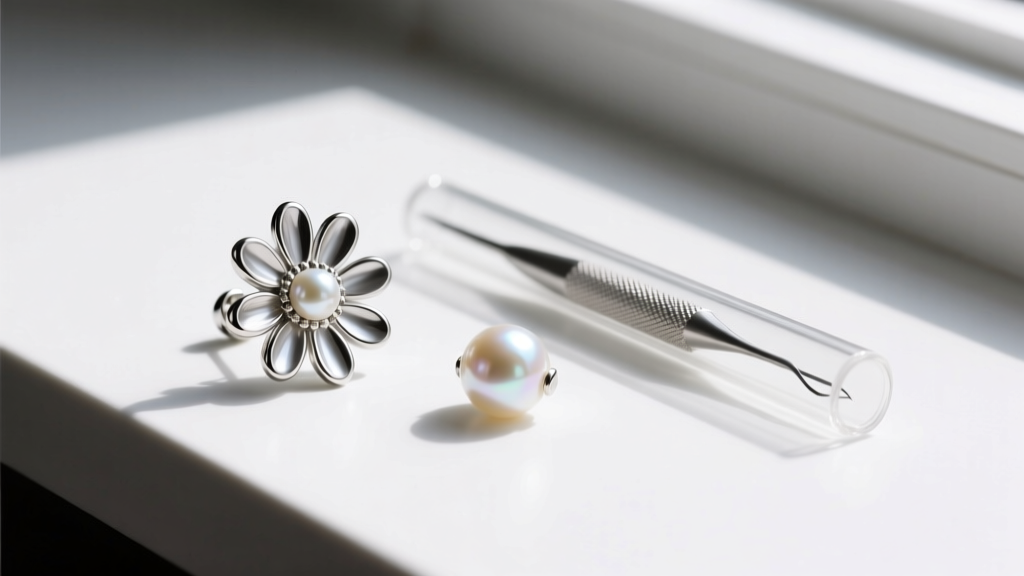
- Isolate the Pearl: Apply a tiny amount of petroleum jelly (Vaseline) directly to the pearl's surface using a cotton swab. This creates a temporary, waterproof barrier against accidental chemical exposure.
- Targeted Polishing: Use a treated silver polishing cloth (such as a Sunshine cloth) folded into a tight point. Carefully rub the tarnished metal petals, avoiding the pearl.
- Detailing Crevices: For deep grooves in the floral casting, use a wooden toothpick or a soft-bristled baby toothbrush lightly dampened with a mild, phosphate-free castile soap and distilled water.
- Pearl Refresh: Wipe the pearl itself with a separate, damp microfiber cloth to remove body oils, then dry immediately. The American Gem Society (AGS) strongly recommends this gentle wiping method after every wear to maintain the pearl's orient and luster.
Fixing Loose Pearls in Floral Settings
If the center pearl of your flower earring is spinning, rattling, or completely detached, the adhesive bond has failed. This is incredibly common with cup-and-post floral studs, as cyanoacrylate (super glue) becomes brittle over time and shatters upon impact.
Choosing the Right Adhesive
Do not use standard super glue. It dries hard, brittle, and can leave a white, frosty residue on the pearl's nacre. Instead, select your adhesive based on the pearl's size and weight:
- For Small Pearls (4mm - 6mm Freshwater): Use G-S Hypo Cement. This is a flexible, precision-tipped jeweler's glue that allows for slight movement without snapping the bond.
- For Large Pearls (7mm+ Akoya or South Sea): Use a two-part jeweler's epoxy, such as Devcon 5-Minute Epoxy or HXTAL NYL-1 (for archival, museum-grade repairs). Epoxy fills the gaps in the floral cup and provides a structural, shock-absorbing bond.
The Re-Gluing Process
First, you must remove all old adhesive. Dip a wooden toothpick in 91% isopropyl alcohol and gently scrape the inside of the floral metal cup and the metal post. Never use acetone, as it can damage certain metal finishes and pearl coatings. Once completely clean and dry, apply a microscopic drop of your chosen epoxy to the base of the cup and a tiny dot on the post. Slide the half-drilled pearl onto the post, giving it a slight 180-degree twist to spread the epoxy evenly. Wipe away any squeeze-out immediately with an alcohol-dampened swab, and let it cure undisturbed for 24 hours.
Solving Earlobe Droop with Heavy Floral Designs
Flower earrings inherently suffer from a top-heavy center of gravity. When you add a large, dense pearl (like a 9mm South Sea, which can weigh over 1.5 grams on its own) to a wide metal floral casting, the total weight easily exceeds 4 to 6 grams per ear. This causes the earring to nod forward, hiding the beautiful floral design and stretching the earlobe piercing over time.
Structural Support Framework
To fix the "drooping daisy" effect, you must address the post gauge, the backing mechanism, and the lobe support. Review the troubleshooting table below to diagnose your specific earring weight class:
| Earring Weight | Post Gauge | Recommended Backing | Lobe Support Needed? |
|---|---|---|---|
| Under 3g | 20g (0.8mm) | Standard Friction / Butterfly | No |
| 3g - 6g | 18g (1.0mm) | La Pousette / Screw Backs | Optional |
| Over 6g | 16g (1.2mm) or 18g | Locking Clutch / Jumbo Discs | Yes (Silicone Patches) |
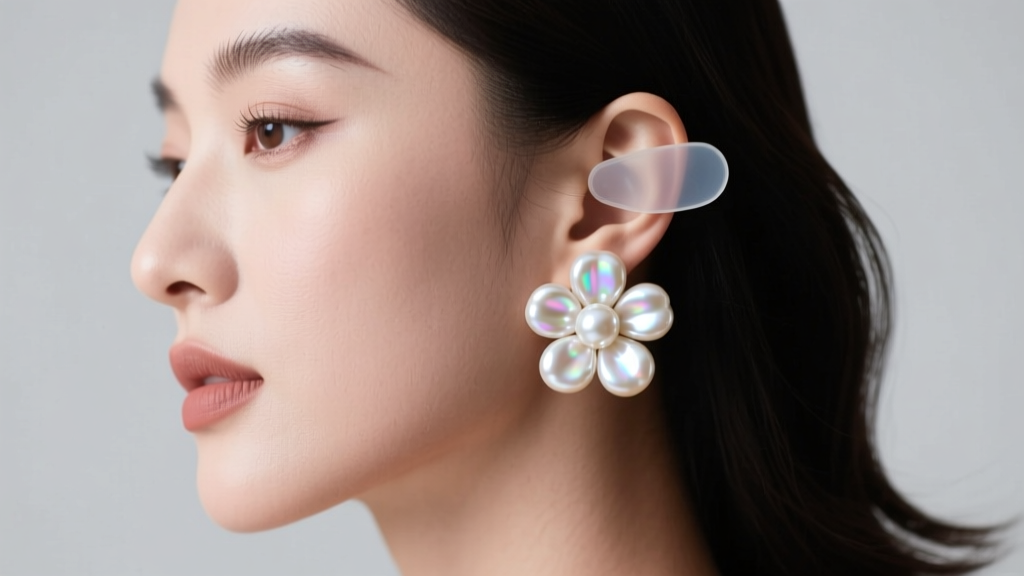
If your floral earrings feature standard 20g friction backs but weigh over 4 grams, the thin post will act as a lever, pivoting in the piercing hole. Upgrading to La Pousette backs (which feature a mechanical locking mechanism that grips the post's groove) or using wide, 10mm silicone jumbo discs will distribute the pressure across a wider surface area of the earlobe. For extreme cases, applying a clear, medical-grade silicone earlobe support patch behind the ear before inserting the earring will completely eliminate the forward tilt, allowing the flower and pearl to sit perfectly flush against the ear.
Preventative Maintenance Checklist
Troubleshooting is only half the battle; preventing the degradation of your flower earrings pearl settings ensures they remain heirloom-quality pieces. Implement these three rules into your jewelry routine:
- The "Last On, First Off" Rule: Always put your pearl floral earrings on after applying perfume, hairspray, and lotions. The alcohol and chemicals in cosmetics will rapidly degrade both the epoxy holding the pearl and the rhodium plating often found on white gold floral petals.
- Micro-Climate Storage: Store your earrings in an airtight polyethylene bag with a 3M anti-tarnish strip. Do not store them in the original cardboard or velvet boxes, as the glues and dyes in commercial packaging often emit volatile organic compounds (VOCs) that accelerate silver sulfide formation.
- Annual Prong Checks: If your flower earrings use prongs rather than glue, take them to a jeweler once a year. The delicate 0.6mm prongs can easily catch on sweaters and lift away from the pearl's surface, leaving the stone vulnerable to falling out.
By understanding the specific material interactions and structural physics of floral jewelry, you can confidently restore and maintain your favorite pieces, ensuring the delicate metalwork and luminous pearls remain perfectly balanced and brilliant for decades to come.


