Troubleshooting Warped Seed Bead Patterns Earrings: Expert Fixes
Learn how to fix warped seed bead patterns earrings. Expert troubleshooting for tension issues, thread breakage, and secure earring attachments.

Why Seed Bead Patterns Earrings Warp and Fail
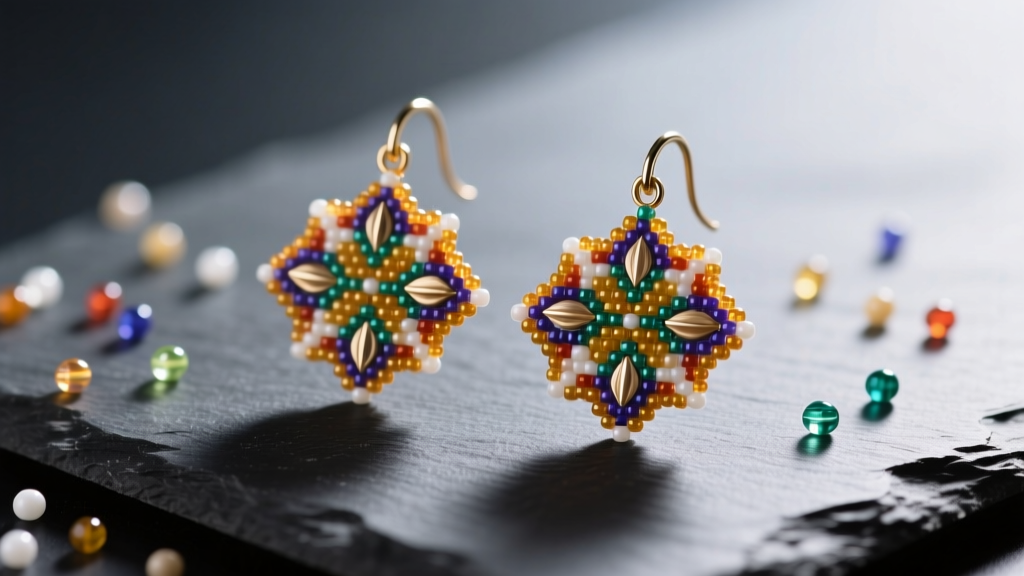
Creating intricate seed bead patterns earrings is a labor of love that requires precision, patience, and a deep understanding of material mechanics. Whether you are weaving a complex herringbone drop or a flat even-count peyote stud, structural failures like warping, cupping, and thread breakage can turn a beautiful design into a frustrating mess. As we navigate the beading landscape in 2026, the availability of advanced synthetic threads and precision-milled Japanese cylinder beads has reduced some historical challenges, but fundamental physics still apply. If your seed bead patterns earrings are curling at the edges, snapping at the jump ring, or losing their tension over time, the issue almost always traces back to three culprits: thread tension mismatch, improper bead geometry, or flawed finding attachments.
This comprehensive troubleshooting guide will help you diagnose and resolve the most common structural failures in seed bead earring weaving, ensuring your jewelry remains flat, durable, and ready for everyday wear.
The Tension Matrix: Diagnosing Thread and Bead Issues
The foundation of any successful seed bead weaving project is the relationship between your bead size, needle gauge, and thread composition. Using a thread that is too stiff for a delicate weave will cause the beadwork to buckle, while a thread that is too soft will result in a flimsy, ruffled earring that loses its shape. According to the Fire Mountain Gems Beading Encyclopedia, matching your thread to the specific stitch and bead size is the most critical step in preventing structural warping.
Bead Size and Thread Compatibility Chart
| Bead Type & Size | Recommended Thread | Needle Size | Common Failure Mode | Troubleshooting Fix |
|---|---|---|---|---|
| Miyuki Delica 11/0 | Fireline 6lb (Gel-spun) | Size 11 or 12 | Stiffness / Edge curling | Switch to Nymo D or pre-stretch Fireline |
| Toho Treasure 15/0 | KO Beading Thread | Size 12 or 13 | Thread shredding / Breakage | Use a finer needle; avoid sharp bead edges |
| Czech Glass 11/0 (Round) | Nymo B (Conditioned) | Size 10 | Ruffling / Uneven tension | Cull inconsistent beads; increase pull tension |
| Charlotte Cut 13/0 | Silamide (Waxed) | Size 12 | Facets cutting the thread | Double thread or use wire for fringe elements |
Solving the "Ruffle" and "Cupping" Effect in Peyote Stitch
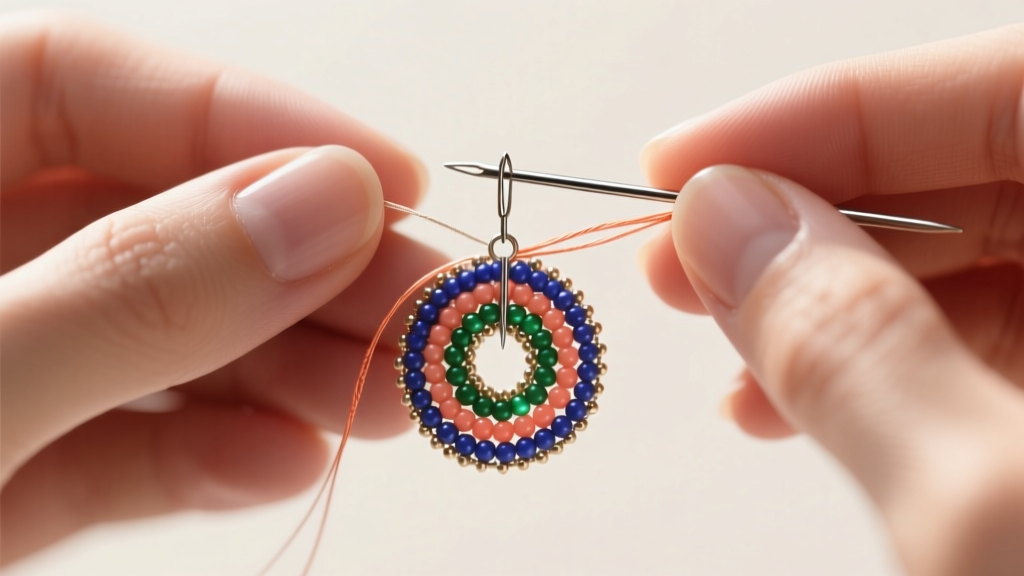
Flat peyote stitch is a staple for geometric seed bead patterns earrings, but it is notoriously prone to two distinct deformations: ruffling (where the edges wave like a potato chip) and cupping (where the beadwork curls inward into a bowl shape).
Fixing Edge Cupping
Cupping occurs when the turn-around beads on the outer edges of your peyote stitch are pulled too tightly. Because the thread travels through the edge bead and immediately changes direction, excessive tension forces the beadwork to curve inward. To fix this, you must consciously relax your tension on the final stitch of every row. Alternatively, if you are using a stiff braided thread like Fireline, try switching to a softer, conditioned nylon thread like Nymo or KO. Softer threads allow the beads to sit flat against one another without the memory-induced curling that stiffer threads impart. For a comprehensive breakdown of stitch mechanics, Interweave Beading offers excellent visual guides on managing edge tension in flat weaves.
Eliminating the Ruffle Effect
Ruffling is the exact opposite problem, usually caused by loose tension or the use of irregularly shaped beads. If you are using cheap, mass-produced round seed beads, their inconsistent diameters will force the beadwork to pucker. The 2026 standard for flat geometric earrings demands the use of precision cylinder beads (like Miyuki Delica or Toho Treasure). If you must use round beads for a specific aesthetic, you must aggressively cull your bead stash, discarding any beads that are visibly misshapen or undersized, and pull your working thread significantly tighter after every three or four stitches.
Earring Finding Attachment Failures (and How to Fix Them)
You can weave the most flawless, perfectly tensioned seed bead patterns earrings in the world, but if your attachment to the earring wire is weak, the piece will eventually tear apart. Seed bead thread is incredibly vulnerable to shear stress against metal.
The Danger of the Single-Bead Jump Ring
A common beginner mistake is weaving a single top bead and threading a metal jump ring directly through it. The weight of the earring, combined with the friction of the metal ring rubbing against the thread inside the bead hole, will eventually slice through the thread. Furthermore, standard split jump rings can easily pull open under the dynamic weight of a dangling earring.
The Picot Edge and Wire-Wrapped Solution
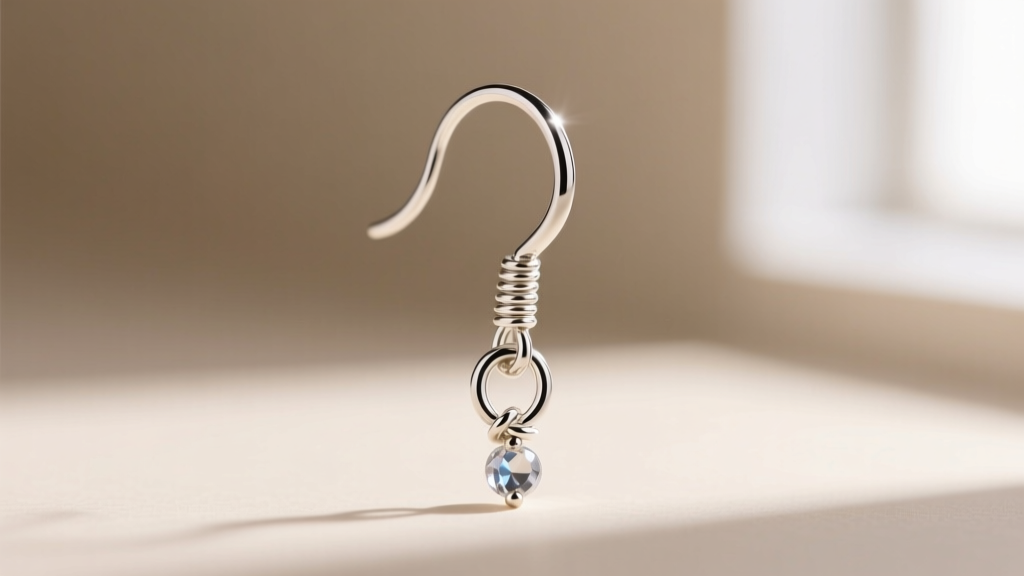
To ensure your earrings last a lifetime, integrate a structural picot edge at the top of your beadwork. A picot edge adds a decorative loop of 3 to 5 beads that distributes the weight across multiple threads rather than a single choke point. Even better, use a 24-gauge or 26-gauge sterling silver or gold-filled wire to create a wrapped loop that weaves through the top two rows of your beadwork. This wire loop then connects to a soldered closed jump ring (or a heavy 18-gauge seamless ring), which finally attaches to your ear wire. This completely removes the shear stress from your beading thread.
Thread Conditioning and Breakage Prevention
Thread breakage mid-project or during wear is often a symptom of poor thread management. In 2026, while we have access to incredible ultra-high-molecular-weight polyethylene (UHMWPE) threads, traditional waxed and conditioned threads still dominate certain structural applications.
- Pre-stretching Nylon Threads: If you are using Nymo or Silamide, you must pre-stretch the thread before waxing it. Hold the thread taut between both hands and pull firmly until you feel it give slightly. This removes the manufacturing "memory" and prevents your seed bead patterns earrings from sagging after a few weeks of wear.
- Conditioning for Abrasion: When working with sharp-edged beads like Charlotte cuts or metallic-lined glass, run your thread through a beeswax or synthetic thread conditioner (like Thread Heaven). This creates a microscopic protective barrier that prevents the glass facets from sawing through the fibers.
- Needle Eye Friction: If your thread keeps snapping right at the needle eye, you are likely forcing a thick thread through a needle that is too small, or you are using a needle with a rough, poorly finished eye. Upgrade to premium English beading needles (like John James) and ensure you are passing the thread through the eye smoothly without yanking.
Final Diagnostic Checklist for Flawless Earrings
Before you finalize your next pair of seed bead patterns earrings, run through this quick structural audit to ensure they meet professional jewelry standards:
- Lay it flat: Place the finished beadwork on a hard, level surface. If the edges curl up, your tension is too tight. If the center bubbles, your tension is too loose.
- The Flex Test: Gently bend the beadwork. It should have a supple, fabric-like drape (for fringes or soft weaves) or a firm, unified snap-back (for tight brick stitch). It should not crackle or show gaps between beads.
- The Finding Stress Test: Hold the earring wire and let the beadwork hang. Tug gently on the beadwork. If you see the jump ring gaping open or the thread stretching visibly through the top beads, reinforce the connection with a wire-wrapped loop.
- UV and Colorfast Check: If using dyed or AB-finish beads, ensure they are rated for UV exposure. Earrings sit in direct sunlight; cheap finishes will fade or peel within a single summer season.
By treating your seed bead weaving not just as an art form, but as a structural engineering challenge, you will elevate your jewelry from fragile crafts to heirloom-quality accessories. For more advanced weaving techniques and material science updates, regularly consult the Miyuki Beads official resource library to stay ahead of the curve.


