Best Sites for Free Earring Patterns Beads & Supply Sourcing
Discover how to source high-quality beads, wire, and findings to execute free earring patterns. Expert tips on gauges, materials, and avoiding fakes.

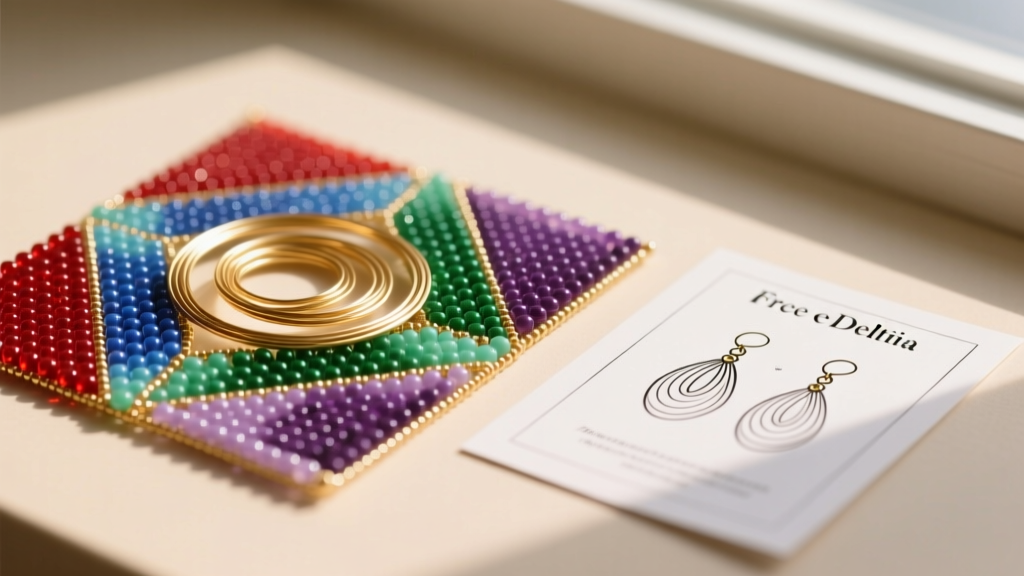
The Reality of Sourcing for Free Earring Patterns
The internet is overflowing with incredible jewelry tutorials, but when you begin searching for free earring patterns beads and supply lists, you quickly realize that the pattern itself is only half the battle. The true cost—and the ultimate success of your finished jewelry—lies in sourcing the correct beads, findings, and threads. As we navigate the 2026 beading supply chain, distinguishing between high-grade materials and subpar substitutes is more critical than ever. Cheap glass beads with sharp, unpolished holes will slice through your nylon thread, while base-metal ear wires can trigger severe contact dermatitis, ruining the wearer's experience.
This comprehensive buyer’s guide will teach you exactly what to look for when purchasing supplies to execute woven, wire-wrapped, and assembled earring patterns. We will cover specific bead sizing, wire gauges, material grades, and trusted sourcing platforms to ensure your handmade earrings rival fine jewelry standards.
Decoding Seed Beads for Woven Earring Styles
Many of the most popular free earring patterns focus on off-loom weaving techniques like peyote stitch, herringbone, and right-angle weave. These designs rely heavily on seed beads, but not all seed beads are created equal. Understanding the geometry of your beads is the first step in successful pattern execution.
Cylinder vs. Round Seed Beads
If your chosen pattern features flat peyote stitch or brick stitch (commonly used for geometric dangle earrings and statement studs), you must purchase cylinder beads. Fire Mountain Gems and other major suppliers stock Miyuki Delicas and Toho Treasures. These beads have uniform diameters and large holes (typically 0.8mm for size 11/0), allowing the thread to pass through multiple times without fraying.
Conversely, if your pattern involves herringbone stitch, tubular peyote, or fringe work, round seed beads (like Miyuki Rocailles or Toho Rounds) are superior. Their slightly rounded edges allow the beadwork to drape fluidly, which is essential for flexible earring tassels and teardrop fringes.
Size Matters: 11/0 vs. 15/0
- Size 8/0 (approx. 3.0mm): Best for bold, chunky statement hoops and rapid-loom work. Not ideal for intricate facial features or detailed floral motifs.
- Size 11/0 (approx. 1.3mm): The industry standard. 90% of free earring patterns beads lists will call for 11/0. They offer the perfect balance of detail and structural integrity.
- Size 15/0 (approx. 0.8mm): Used for micro-macrame accents, edging, and filling tiny gaps in complex geometric patterns. Requires a fine beading needle (size 12 or 13) and ultra-thin thread.
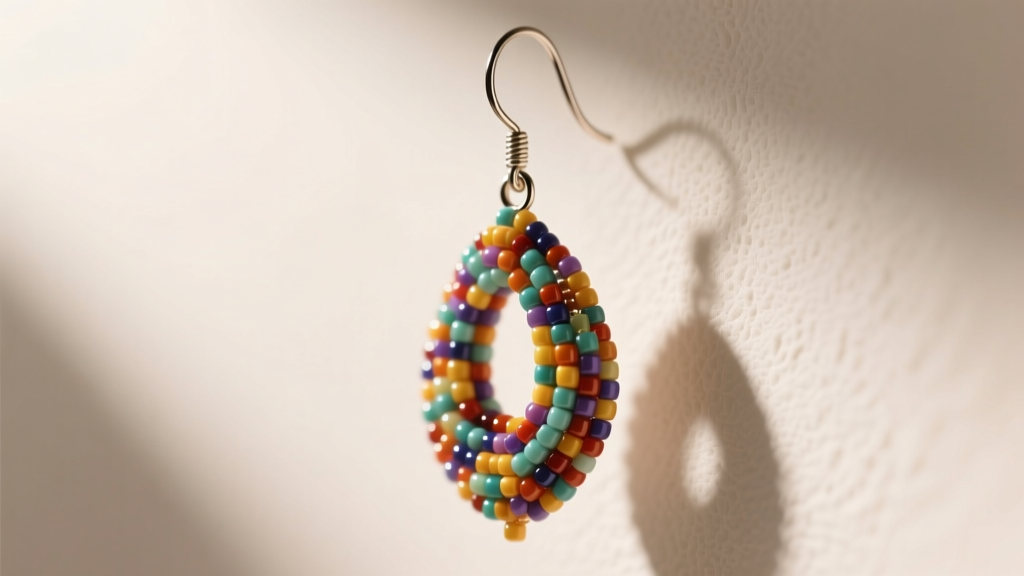
Gemstone and Crystal Beads for Wire-Wrapping
When moving away from seed beads and exploring wire-wrapped dangle or chandelier earring patterns, you will encounter gemstone and crystal beads. The primary buying criterion here is the Mohs Hardness Scale and the quality of the drill hole.
Hardness and Daily Wear
Earrings are subject to accidental bumps, hair-snagging, and being dropped on hard surfaces. When sourcing gemstone beads for patterns intended for daily wear, avoid stones with a Mohs hardness below 6.5.
- Avoid for daily wear: Apatite (5), Fluorite (4), and Selenite (2). These will scratch, chip, or crack easily when worn as dangling earrings.
- Ideal for daily wear: Quartz (7), Tourmaline (7-7.5), Sapphire (9), and high-quality cubic zirconia (8-8.5).
Drill Hole Quality and Briolettes
Many free wire-wrapping patterns utilize top-drilled briolettes (teardrop-shaped beads). When buying these, inspect the drill holes. Mass-produced, low-grade briolettes often have jagged, asymmetric holes that will eventually saw through 24-gauge wire or silk thread. Always source from reputable lapidaries or verified suppliers like The Beadsmith distributors, who guarantee polished, center-aligned drill holes.
Wire and Findings: The Structural Backbone
A beautiful bead pattern will fail instantly if the underlying wire and findings are incorrectly gauged or made from allergenic metals. Below is a critical reference chart for buying wire based on standard earring pattern requirements.
| Wire Gauge | Diameter (mm) | Temper / Hardness | Best Application in Earring Patterns |
|---|---|---|---|
| 20-Gauge | 0.81mm | Half-Hard | French ear wires, leverbacks, structural hoops |
| 22-Gauge | 0.64mm | Half-Hard | Standard headpins, linking heavy gemstone drops |
| 24-Gauge | 0.51mm | Dead Soft | Wire-wrapping briolettes, securing faceted beads |
| 26-Gauge | 0.40mm | Dead Soft | Coiling, weaving wire through seed bead loom work |
| 28-Gauge | 0.32mm | Dead Soft | Intricate wire weaving, attaching tiny 15/0 seed beads |
Navigating Metal Allergies in 2026
Contact dermatitis from nickel is the number one complaint regarding handmade earrings. When buying ear wires and headpins to complete your patterns, strictly avoid "surgical steel" or "Tibetan silver" unless explicitly certified nickel-free. Instead, invest in Niobium (hypoallergenic and anodizable), Titanium (grade 23 implant-grade), or 14k Gold-Filled (which contains 100x more gold than gold-plated alternatives and will not flake off into the piercing).
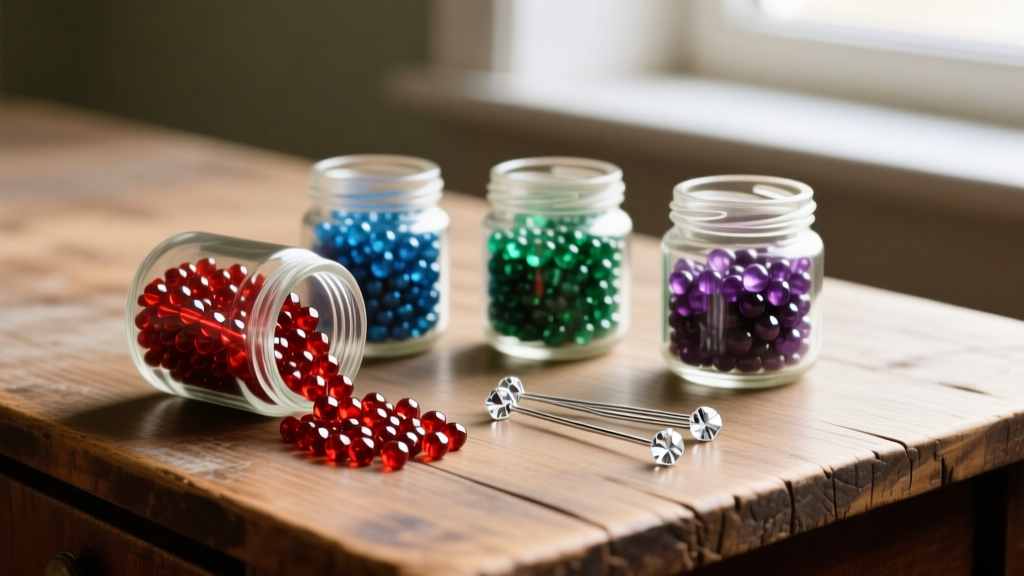
Thread Selection: Preventing Tension Failures
When executing woven patterns, the thread you buy is just as vital as the beads. The two industry leaders are Fireline (a braided polyethylene gel-spun thread) and Wildfire (a thermally fused coated braided thread).
- Fireline (6lb test): The gold standard for off-loom weaving. It is incredibly thin, does not stretch, and resists fraying against sharp crystal edges (like Swarovski or Preciosa bicones). However, it can be stiff, making it less ideal for soft, fabric-like draping.
- Wildfire (0.006in): Features a smooth, waterproof coating that makes threading a needle effortless without a thread conditioner. It offers slightly more drape than Fireline, making it the superior choice for earring fringe and tassel patterns.
Trusted Sourcing Platforms and Avoiding Counterfeits
The rise of direct-to-consumer marketplaces has flooded the internet with counterfeit seed beads and dyed gemstones masquerading as natural stones. When buying supplies for your free earring patterns, beads should be sourced from authorized distributors.
For authentic Japanese seed beads and Preciosa crystals, platforms like Interweave Beading affiliates, Artbeads, and local, established bead shops are your safest bets. Beware of bulk listings offering "Miyuki Delicas" at 80% below market value; these are typically irregular, off-brand cylinder beads that will cause your peyote stitch to warp and pucker.
Final Sourcing Checklist Before You Checkout
Before finalizing your cart, run through this expert checklist to ensure your materials align with your chosen pattern:
- Hole Size Check: Do the gemstone beads have holes large enough to accommodate your 24-gauge wire or double-passes of 6lb Fireline?
- Weight Distribution: If making large chandelier earrings, are you using lightweight acrylic or hollow glass beads instead of solid quartz to prevent earlobe tearing?
- Metal Consistency: Are all your findings (jump rings, ear wires, headpins) the exact same metal alloy to prevent galvanic corrosion and uneven tarnishing?
- Thread Compatibility: If using sharp-edged crystals, have you selected a gel-spun thread rather than standard nylon or silk?
By treating the sourcing process with the same meticulous attention to detail as the pattern execution itself, you elevate your handmade earrings from amateur crafts to professional-grade, wearable art.


