Finding Seed Bead Earring Patterns Free: A Beginner's Guide
Discover the best seed bead earring patterns free online. Learn essential bead sizes, thread types, and beginner stitches to craft earrings.

Why Seed Bead Earrings Are the Perfect Beginner Project
Jewelry making can feel intimidating, but seed bead earrings offer an accessible, low-cost entry point into the craft. Unlike metalworking or resin casting, beading requires minimal workspace and no hazardous chemicals. As we move through 2026, the beading community has seen a massive resurgence, driven by sustainable fashion and the desire for hyper-personalized accessories. A single 8-gram tube of high-quality Japanese seed beads costs between $4 and $7, and a basic toolkit can be assembled for under $40. This means you can experiment with dozens of designs before making a significant financial investment.
When searching for seed bead earring patterns free to download, beginners are often overwhelmed by the sheer volume of options. The key to success lies not just in finding a beautiful design, but in understanding the foundational materials and techniques that bring those patterns to life. This guide will decode the essentials, ensuring your first pair of handmade earrings is structurally sound and visually stunning.
Decoding Seed Bead Sizes and Materials
Seed beads are categorized by an aught system (e.g., 11/0, pronounced "eleven-aught"). Counterintuitively, the larger the number, the smaller the bead. Understanding these sizes is critical because substituting a 15/0 bead into a pattern designed for 11/0 beads will drastically alter the final dimensions and drape of your earring.
| Bead Size | Approx. Diameter | Best Use in Earrings | Recommended Needle Size |
|---|---|---|---|
| 8/0 | 3.0mm | Chunky statement pieces, quick projects, structural bases | Size 10 or 12 |
| 11/0 | 2.1mm | Standard patterns, intricate geometric shapes, fringe | Size 10 or 12 |
| 15/0 | 1.3mm | Micro-details, edging, filling gaps in complex motifs | Size 12 or 13 |
Miyuki vs. Toho vs. Preciosa
Not all seed beads are created equal. According to Miyuki Beads, their Delica line features cylindrical beads with large holes and uniform shapes, making them ideal for flat stitches like peyote or herringbone. Toho Treasures are similar but have a slightly larger hole, which is beneficial when your pattern requires multiple thread passes through a single bead. Preciosa Czech beads are more rounded and slightly irregular, offering an organic, vintage look that is perfect for fringe or right-angle weave.
Essential Tools for Your First Beading Kit
To execute the best seed bead earring patterns free of charge, you need the right tools. Skimping on thread or needles is the most common reason beginners abandon projects due to frustration.
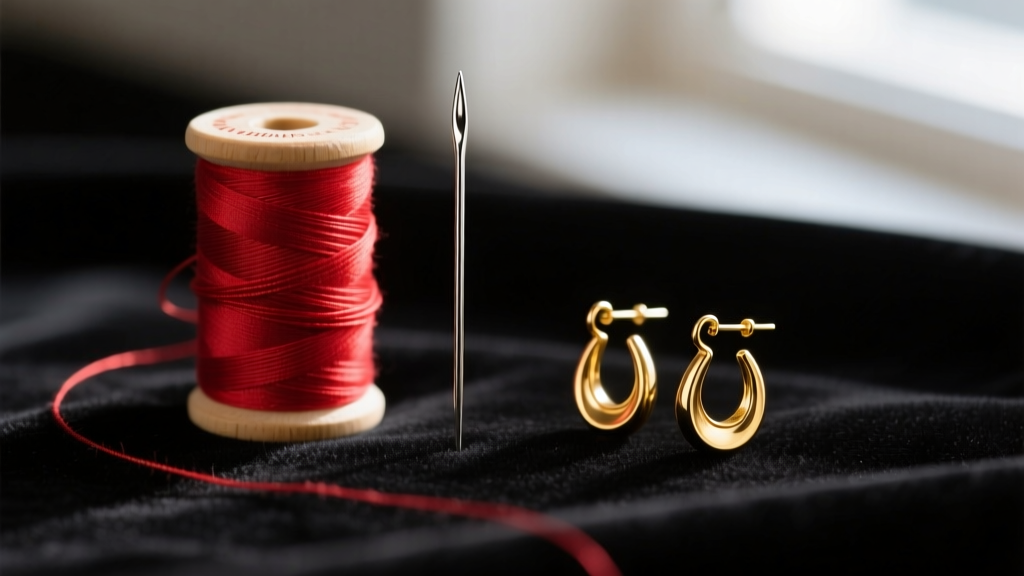
- Needles: English beading needles are long, thin, and flexible. Size 10 is the most versatile, fitting through 11/0 and 8/0 beads. Brands like Tulip or John James are industry standards.
- Thread: Avoid standard cotton or silk. Use a gel-spun polyethylene thread like FireLine (6lb test, 0.008" diameter) or a thermally bonded thread like WildFire. These resist fraying and provide the structural stiffness needed for earrings to hold their shape.
- Findings: For ear wires, opt for 20-gauge or 21-gauge leverbacks. If you or your customers have sensitive ears, invest in titanium or niobium findings, which are hypoallergenic and highly durable.
- Scissors: Thread nippers or specialized embroidery scissors are required to cut braided threads cleanly without crushing the fibers.
Where to Find High-Quality Free Patterns
The internet is flooded with beading tutorials, but a true "pattern" should include a materials list with exact gram weights, step-by-step diagrams, and tension notes. Retailers like Fire Mountain Gems and Beadaholique frequently offer free, high-quality PDF patterns designed to showcase their products. These are excellent starting points because the materials are verified to work together.
When browsing Pinterest or independent beading blogs, look for patterns that specify the exact stitch (e.g., "odd-count tubular peyote") rather than vague terms like "beaded dangles." A high-quality free pattern will also note how many times you can safely pass your needle through the bead matrix before risking a split thread.
The Top 3 Beginner Stitches for Earrings
Most free earring patterns rely on one of three foundational off-loom stitches. Mastering these will unlock thousands of designs.
1. Brick Stitch
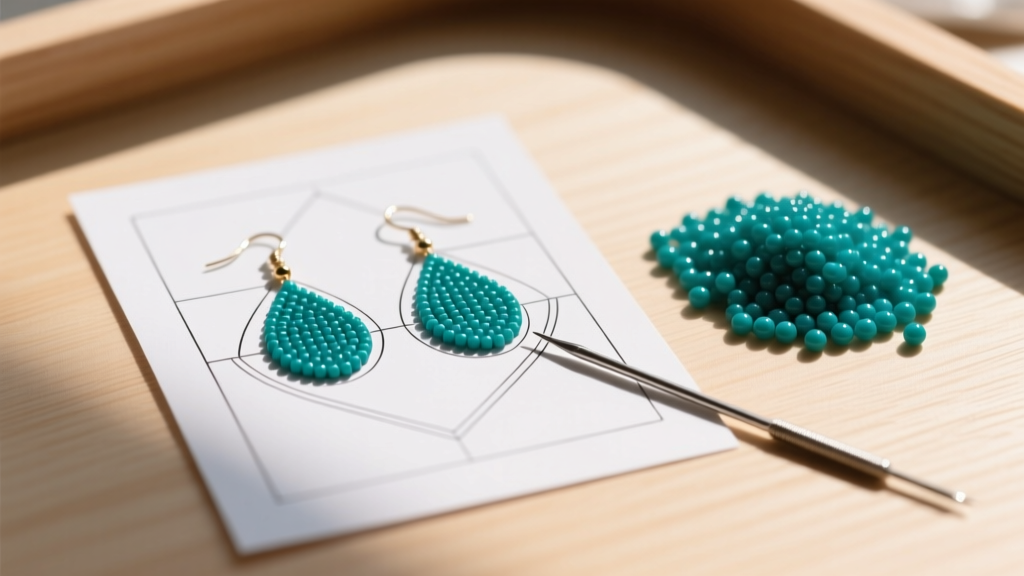
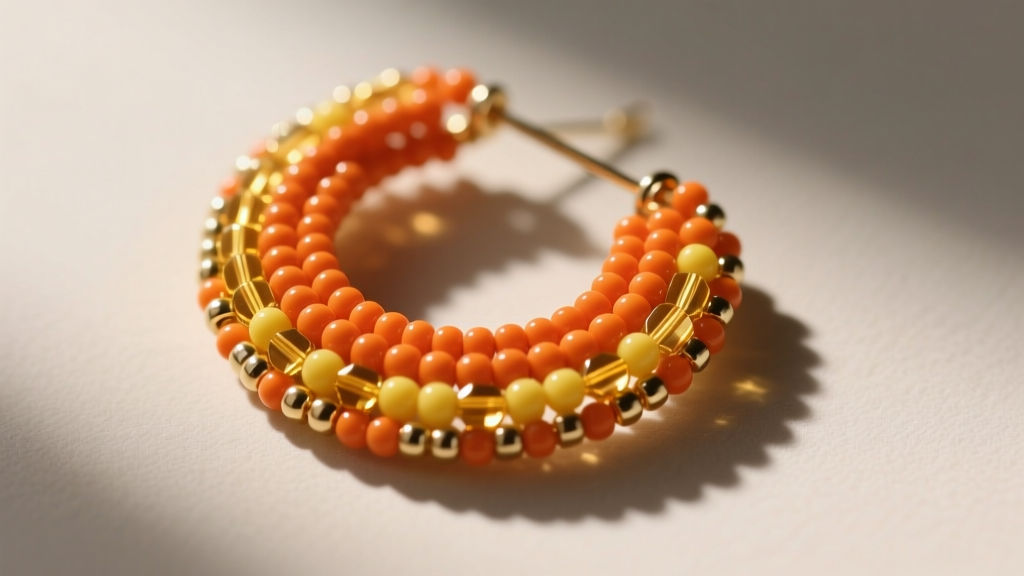
Brick stitch is the undisputed king of earring patterns. It creates a stiff, tapestry-like fabric that hangs perfectly from a single point, making it ideal for teardrop and diamond shapes. The beads are stacked horizontally and locked around a visible thread bridge. Pro Tip: Always start brick stitch on a sturdy foundation thread, and use a ladder stitch base for the first row to ensure your edges remain perfectly straight.
2. Peyote Stitch (Flat Even-Count)
Peyote stitch creates a flexible, interlocking grid. It is heavily used for beaded bezels around gemstone cabochons or for creating long, tubular ropes. For earrings, flat even-count peyote is often used to create lightweight, geometric dangles.
3. Herringbone Stitch
Also known as Ndebele stitch, this creates a V-shaped pattern that mimics the bones of a herring fish. It has a beautiful drape and is frequently used for fringe earrings. It requires a slightly looser tension than brick stitch to allow the beads to sit flat against one another.
Troubleshooting Common Beginner Mistakes
"The most common failure mode in beginner beadwork isn't the pattern itself, but the tension. Pulling too tightly warps the beadwork into a bowl shape, while pulling too loosely leaves visible, fragile thread gaps."
If your earring is warping, you are likely pulling your thread too tight, especially at the end of each row. Relax your grip and let the beads dictate the shape. If your thread keeps splitting, check your needle size. A size 10 needle might be too thick for multiple passes through an 11/0 bead; switch to a size 12. Finally, always condition your thread if you are using nylon (like Nymo) by running it through a small block of beeswax or microcrystalline wax to prevent tangling and fraying.
Final Thoughts on Your Beading Journey
Utilizing seed bead earring patterns free online is a fantastic way to build your skills without financial risk. Start with simple brick stitch triangles using 11/0 Miyuki Delicas and 6lb FireLine thread. As your tension improves and your understanding of bead geometry deepens, you can graduate to complex tubular structures and mixed-media fringe designs. Patience and proper materials are your best tools in the beading world.


