Care and Cleaning Tips for Statement Pieces Earrings
Discover expert care, cleaning, and storage tips for statement pieces earrings. Learn how to protect gemstones, metals, and intricate settings.

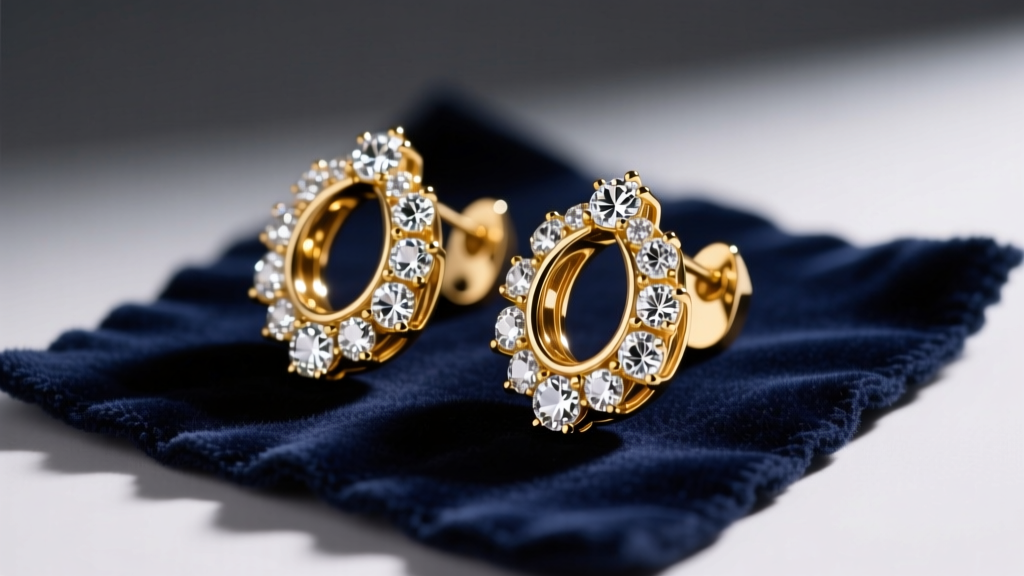
Statement pieces earrings are the undisputed focal point of any curated ensemble. Whether you are wearing architectural brass drops, chandelier designs laden with lab-grown diamonds, or intricate vintage filigree, these bold accessories demand more than a casual wipe-down. As we navigate the 2026 jewelry landscape—where mixed-metal constructions and sustainable, fracture-free gemstones dominate the market—understanding the specific metallurgical and gemological needs of your jewelry is critical. Improper maintenance doesn't just dull the sparkle; it can lead to irreversible structural failures, stripped plating, and lost stones.
The Biomechanics and Anatomy of Heavy Earrings
Before diving into cleaning solutions, we must address the physical stress that statement pieces earrings place on both the jewelry and your earlobes. Heavy designs inherently possess a high center of gravity. When suspended from a standard 20-gauge or 18-gauge post, the constant pendulum effect of walking can slowly elongate the piercing hole and bend the earring post. Furthermore, the friction backs (butterfly clutches) commonly used on these pieces accumulate a microscopic layer of dead skin cells, sebum, and cosmetic residue in their crevices. This biological buildup not only harbors bacteria but also creates a corrosive micro-environment that can degrade the metal post over time. Always inspect the post for micro-bends and ensure the clutch grips tightly before beginning any cleaning regimen.
Material-Specific Cleaning Protocols
The most common mistake jewelry owners make is applying a universal cleaning method to diverse materials. Statement pieces earrings often combine multiple metals and gemstones, requiring a nuanced approach based on material hardness and chemical reactivity.
Gold Vermeil and Plated Metals
True gold vermeil requires a minimum of 2.5 microns of gold plated over a sterling silver base. Many aggressive commercial jewelry dips contain thiourea or harsh acids that will strip this micron layer in seconds, exposing the silver beneath and causing rapid, uneven tarnishing. For vermeil statement pieces earrings, use only a phosphate-free, mild dish soap diluted in lukewarm water. Avoid any polishing cloths infused with rouge or chemical abrasives, as the friction will physically wear away the gold layer.
Porous and Organic Gemstones
If your statement pieces earrings feature pearls, turquoise, opals, or malachite, you must abandon liquid soaking entirely. These stones rank low on the Mohs scale of hardness and possess a porous crystalline structure. Opals, for instance, contain up to 20% water; submerging them in chemical solutions or exposing them to ultrasonic heat can cause 'crazing' (a network of fine internal cracks). Clean these stones by gently wiping them with a barely damp, lint-free microfiber cloth, and immediately dry them to prevent water spotting.
Pavé and Micro-Prong Settings
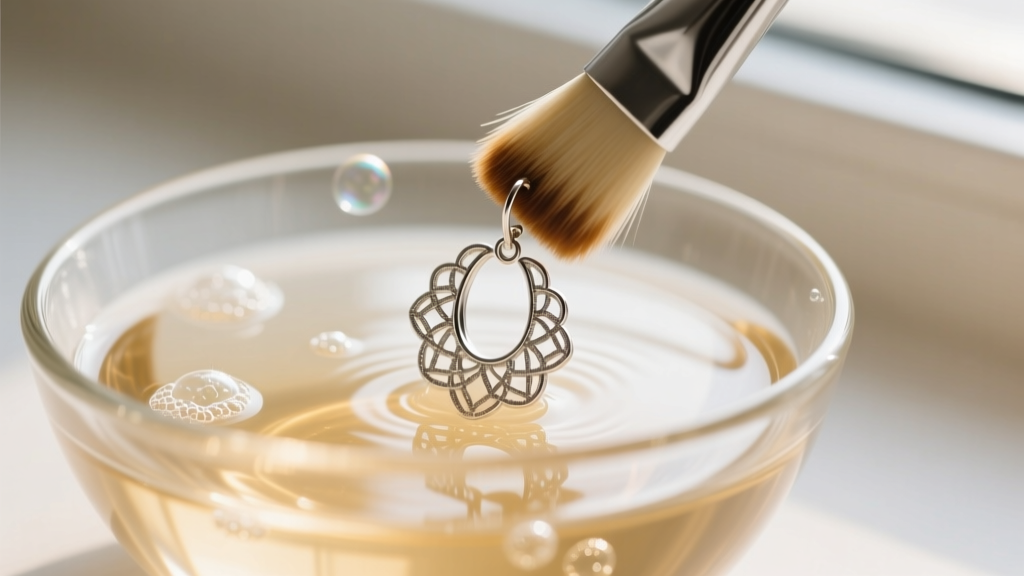
Modern statement pieces earrings heavily utilize pavé settings to maximize brilliance. In pavé, tiny beads of metal are pushed over the girdle of the stone to hold it in place. Using stiff-bristled brushes can catch and lift these microscopic beads, leading to stone loss. Always use a specialized, ultra-soft baby toothbrush or a makeup brush dedicated solely to jewelry cleaning.
The Daily Chemical Battlefield
Preventative care is vastly superior to reactive deep cleaning. The environment your earrings endure daily is highly corrosive. Hairsprays contain polymers that create an invisible, dulling film over gemstones. Perfumes and essential oils contain alcohol and organic compounds that can dissolve the epoxy resins used in some glued jewelry settings. Lotions and sunscreens leave a lipid barrier that traps dirt against the metal. The golden rule of jewelry wear remains unchanged: your statement pieces earrings should be the very last thing you put on when dressing, and the very first thing you take off when undressing.
Step-by-Step Deep Cleaning Routine
For standard, non-porous statement pieces earrings (such as solid 14k gold, platinum, or sterling silver set with diamonds, sapphires, or rubies), follow this professional-grade cleaning protocol:
- Preparation: Line a small glass bowl with a soft cloth to prevent accidental chipping if you drop the earring. Fill it with warm (not hot) water and two drops of mild, ammonia-free dish soap.
- Soaking: Submerge the earrings for exactly 5 to 10 minutes. This loosens sebum and cosmetic buildup without risking prolonged water exposure to any secondary adhesive elements.
- Agitation: Using an ultra-soft brush, gently sweep the bristles across the back of the settings (the pavilion of the stones) where light-blocking grease accumulates. Never scrub the top of the stones aggressively.
- Rinsing: Rinse under a gentle stream of lukewarm water. Crucial: Always place a mesh strainer over the drain before rinsing jewelry.
- Drying: Pat dry with a lint-free microfiber cloth. Use a can of compressed air (held at least 6 inches away) to blow out trapped moisture from intricate filigree work or under the gallery wire.
Ultrasonic Cleaners: A Warning for Complex Pieces
Ultrasonic cleaners use high-frequency sound waves to create microscopic bubbles in a liquid solution. When these bubbles implode—a process known as cavitation—they generate intense localized shockwaves that blast dirt away. While miraculous for solid diamond and platinum wedding bands, cavitation is incredibly destructive to many components found in statement pieces earrings.
| Material / Gemstone | Ultrasonic Safety | Primary Risk Factor |
|---|---|---|
| Diamond (Untreated) | Safe | None, unless heavily included |
| Emerald | Highly Unsafe | Strips fracture-filling oils, causing visible cracks |
| Opal / Pearl | Highly Unsafe | Shatters due to internal water content and low hardness |
| Glued Settings | Unsafe | Vibrations dissolve epoxy, causing stones to fall out |
| Rhodium-Plated Silver | Caution | Prolonged exposure can peel the rhodium flash |
According to the Gemological Institute of America (GIA), the vibrations from ultrasonic machines can easily shake loose stones that are already sitting in slightly worn prongs, a common scenario in heavily worn statement pieces earrings.
Advanced Storage Solutions to Prevent Tarnish
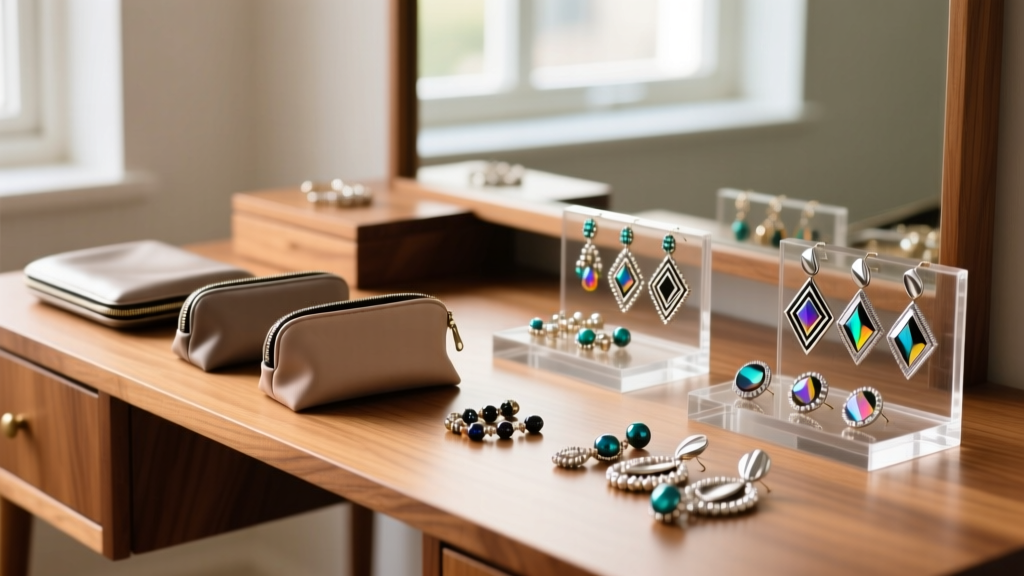
Sterling silver and brass components in your collection will naturally react with sulfur and moisture in the air, forming silver sulfide (tarnish). Tossing statement pieces earrings into a communal jewelry box guarantees tangled chains, scratched gold, and accelerated oxidation. To preserve your collection, invest in individual anti-tarnish cloth pouches treated with silver nitrate or zinc, which act as sacrificial metals to absorb sulfur gases. For acrylic organizers, ensure each compartment is lined with acid-free tissue paper. Never store jewelry in PVC plastics or cheap vinyl rolls; these materials off-gas chemical plasticizers that will permanently etch and discolor soft metals and porous stones. Include a few silica gel packets in your storage drawers to maintain a relative humidity level below 40%, drastically slowing the tarnishing process.
Earring Back Maintenance and Upgrades
The maintenance of statement pieces earrings extends to the hardware that keeps them secure. Standard butterfly friction backs are notorious for harboring grime and failing under the weight of heavy drops. Clean the threaded posts or grooved wires with a cotton swab dipped in isopropyl alcohol to dissolve stubborn buildup. If your statement pieces earrings are particularly heavy, consider upgrading to silicone O-ring clutches or specialized earlobe support patches (like LobeWonder). These distribute the weight across a wider surface area of the earlobe, preventing the earring from drooping forward and reducing the mechanical stress on the post, which in turn prevents the metal from fatiguing and snapping.
When to Seek Professional Intervention
While diligent at-home care is essential, it cannot replace professional maintenance. The American Gem Society recommends having fine jewelry professionally inspected at least once a year. If you notice any scratching on the metal, a loss of brilliance that deep cleaning cannot restore, or if the earring post feels loose or wobbly, take your statement pieces earrings to a certified bench jeweler. They can re-tip worn prongs, re-plate depleted vermeil or rhodium layers, and use professional steam cleaners to safely restore the factory-level brilliance of your most cherished accessories.


