Expert Care and Cleaning Tips for French Wire Earrings
Learn expert cleaning and maintenance tips for french wire earrings. Prevent bending, secure hooks, and safely clean sterling silver and gold wires.

The Unique Anatomy of French Wire Earrings
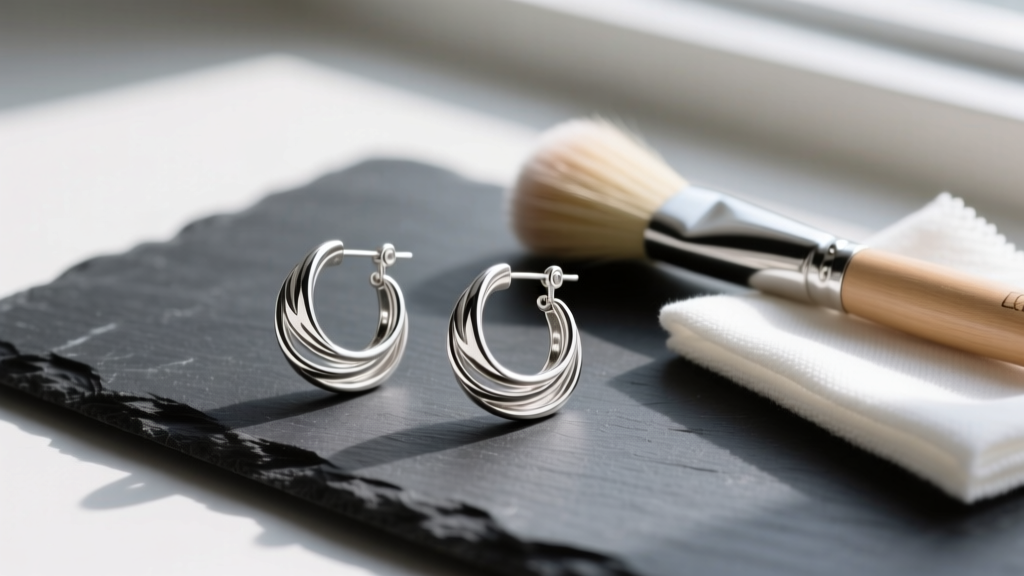
French wire earrings, commonly known as fishhook earrings, are a staple in fine and fashion jewelry. Their elegant, minimalist silhouette allows the dangling element to take center stage. However, the very design that makes them beautiful also makes them uniquely vulnerable to damage, loss, and tarnish. Unlike leverback or stud earrings, the french wire relies on a simple curved hook that passes through the ear piercing, leaving the tension and security entirely up to the wire's shape and external stoppers.
To properly care for these earrings, you must first understand their standard specifications. According to jewelry manufacturing standards outlined by suppliers like Rio Grande, most commercial french wires are crafted from 20-gauge (0.81mm) or 22-gauge (0.64mm) wire. While 20-gauge provides excellent durability for heavier drops, 22-gauge is preferred for delicate, lightweight designs. Anything thinner than 22-gauge (such as 24-gauge) is highly susceptible to bending and metal fatigue.
Common Failure Points and How to Fix Them
The Bent Hook
The most frequent issue with french wire earrings is the hook warping out of its signature 'J' or 'fishhook' shape. This happens when the earring is pulled through a sweater, caught in hair, or simply squeezed in a jewelry box. A warped hook not only looks unsightly but can also irritate the ear canal or cause the earring to fall out.
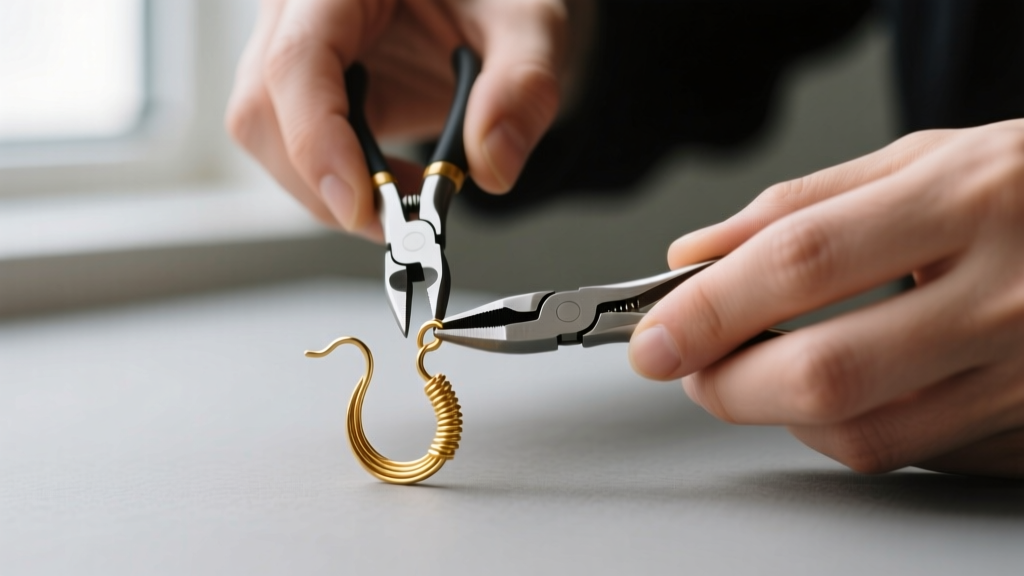
The Fix: Never use standard metal pliers to reshape your earrings, as the steel teeth will permanently scratch and mar the soft metal of the wire. Instead, invest in a pair of nylon-jaw pliers. Gently grip the base of the curve and apply light, incremental pressure to restore the 45-degree downward angle of the hook.
The Missing Earring Syndrome
Because french wires lack a built-in locking mechanism, they are notorious for slipping out of the earlobe, especially while sleeping or removing clothing. Relying solely on the friction of the ear piercing is a recipe for losing your favorite jewelry.
The Fix: Always use earring stoppers. While standard metal butterfly clutches can work, they often slide off the smooth, un-notched wire of a french hook. The optimal solution is a high-quality silicone friction stopper or a specialized rubber 'O-ring' back. These grip the bare wire securely and are virtually invisible when worn.
Material-Specific Cleaning Protocols
Cleaning french wire earrings is complicated by the fact that the wire material often differs from the dangling element. You might have a sterling silver hook attached to a porous turquoise drop, or a gold-filled wire holding a delicate freshwater pearl. Submerging the entire earring in a harsh chemical dip can destroy the drop while cleaning the wire.
Below is a comprehensive guide to cleaning the wire based on its specific metal composition, keeping the safety of the attached gemstone in mind.
| Wire Material | Best Cleaning Agent | Method | Warning |
|---|---|---|---|
| Sterling Silver (925) | Silver polishing cloth or mild dish soap | Rub the wire gently with a treated cloth. Use a soapy Q-tip for crevices. | Never use liquid silver dip if the drop is porous (opal, pearl, turquoise). |
| Gold-Filled / Gold Vermeil | Warm water and phosphate-free dish soap | Soak only the wire using a targeted dip tool, then wipe with microfiber. | Avoid abrasive brushes that can wear through the thin gold outer layer. |
| Surgical Stainless Steel | Isopropyl alcohol (70%) or soap and water | Wipe down with an alcohol pad to remove skin oils and sebum. | Alcohol is safe for the steel but may dry out or crack organic gem drops. |
| Niobium / Titanium | Mild soap and warm water | Wash gently and dry completely to prevent water spots. | Highly reactive to anodizing chemicals; keep away from harsh acids. |
The 'Dip and Wipe' Technique for Mixed Materials
When dealing with mixed-material french wire earrings—where the wire needs a deep clean but the drop is highly sensitive (like a pearl or emerald)—you must use the 'Dip and Wipe' technique. The Gemological Institute of America (GIA) strongly advises against submerging porous or fracture-filled gems in ultrasonic cleaners or chemical solutions.
- Isolate the Drop: Hold the earring by the dangling element, ensuring your fingers act as a barrier between the drop and the wire hook.
- Targeted Application: Dip a cotton swab (Q-tip) into your chosen cleaning solution (e.g., warm water with a drop of Dawn dish soap).
- Scrub the Wire Only: Carefully run the saturated swab along the french wire hook, paying special attention to the loop where the wire meets the jump ring, as this area traps dead skin cells and sebum.
- Rinse the Swab: Rinse the swab with clean water and run it over the wire to remove any soapy residue.
- Dry Immediately: Use a lint-free microfiber cloth to thoroughly dry the wire. Moisture left in the loop can cause accelerated tarnishing or rust, depending on the metal.
Storage Solutions to Prevent Tangling and Warping
How you store your french wire earrings is just as critical as how you clean them. Tossing them loosely into a drawer or a communal jewelry box guarantees that the hooks will interlock, tangle, and eventually bend. Furthermore, exposure to ambient humidity and sulfur in the air accelerates tarnishing, particularly for sterling silver wires.
The Slotted Card Method
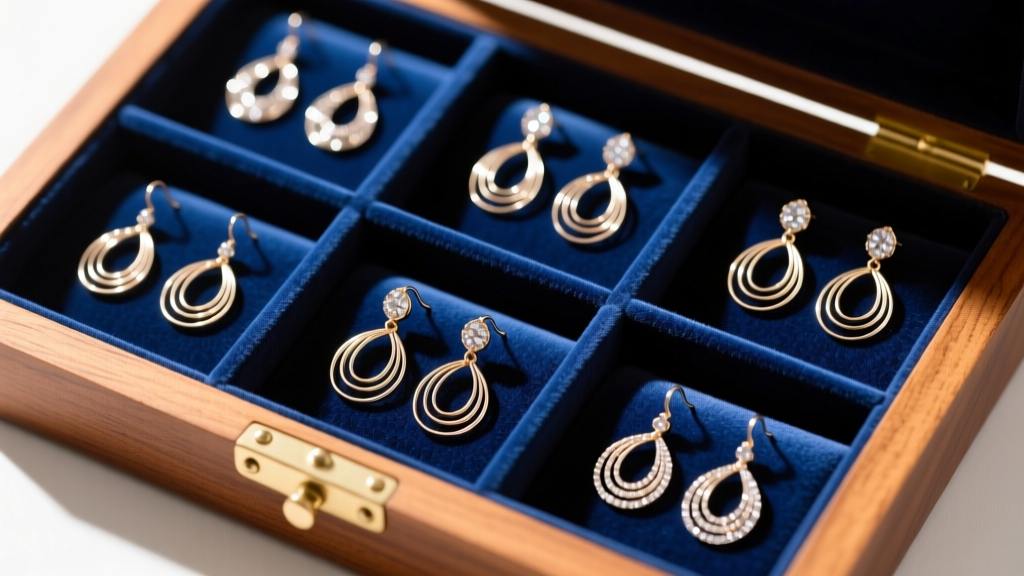
The absolute best way to store french wire earrings is by using slotted jewelry cards or a specialized organizer with individual velvet compartments. By threading the hook through the slot and securing the back with a silicone stopper, the wire is suspended in mid-air. This prevents the hook from bearing the weight of the earring, preserving its structural integrity and preventing the dangling elements from getting crushed.
Anti-Tarnish Strips
If you live in a high-humidity environment, place 3M anti-tarnish strips inside your jewelry box or ziplock bags. These strips absorb sulfur compounds and hydrogen sulfide from the air, significantly extending the time between required polishing sessions for your silver and copper-based wires.
Knowing When to Retire a French Wire
Despite your best maintenance efforts, french wires are subject to metal fatigue. The small loop at the bottom of the hook, which connects to the jump ring or dangle, undergoes micro-stresses every time the earring swings. If you notice the wire thinning at the base of the loop, or if the metal develops a permanent dark stain that polishing cannot remove, it is time to retire the wire.
Fortunately, because french wires are standardized, you can easily purchase replacement hooks. A skilled jeweler (or a hobbyist with a pair of chain-nose and flush-cut pliers) can open the jump ring, remove the old hook, and attach the dangle to a brand new, pristine wire, extending the life of your favorite earrings for years to come. For more insights on jewelry maintenance and metal care, resources like Blue Nile's Jewelry Education offer excellent baseline guidelines for preserving fine jewelry.


