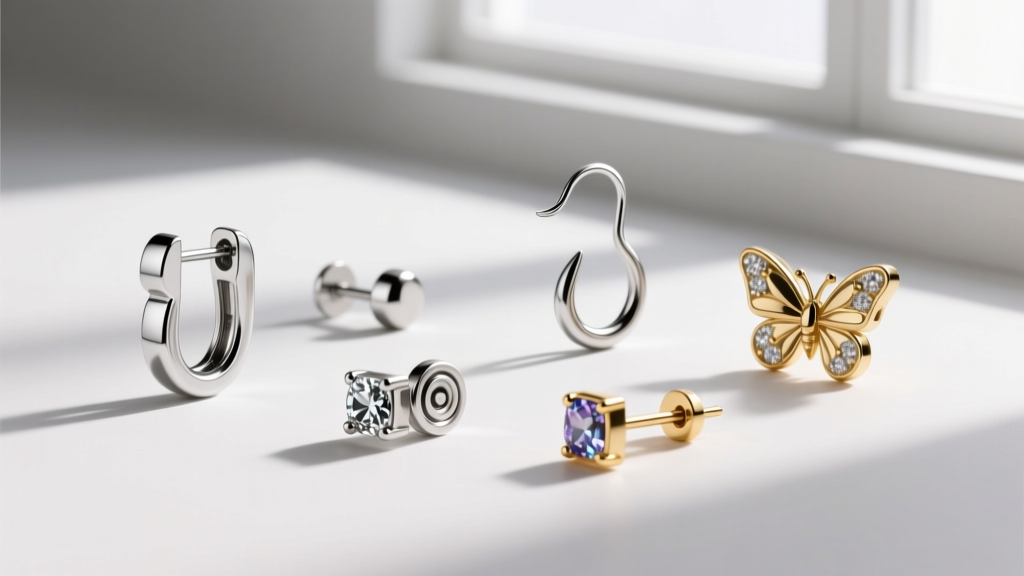
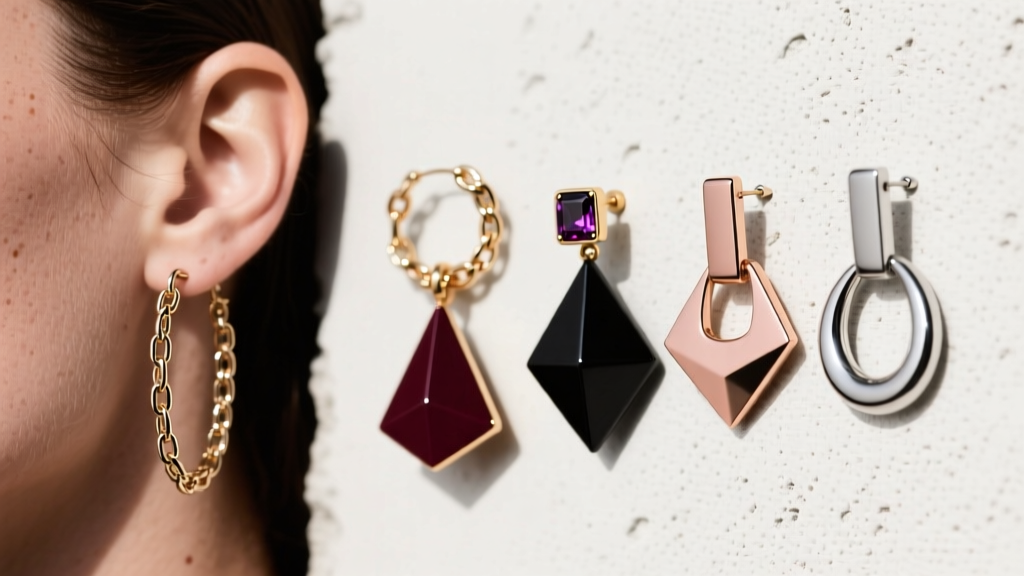
Ultimate Care Guide for Gauges Earrings & Stretched Lobes
Learn expert cleaning and maintenance tips for gauges earrings. Discover material-specific care for stretched lobes and thick wire posts.
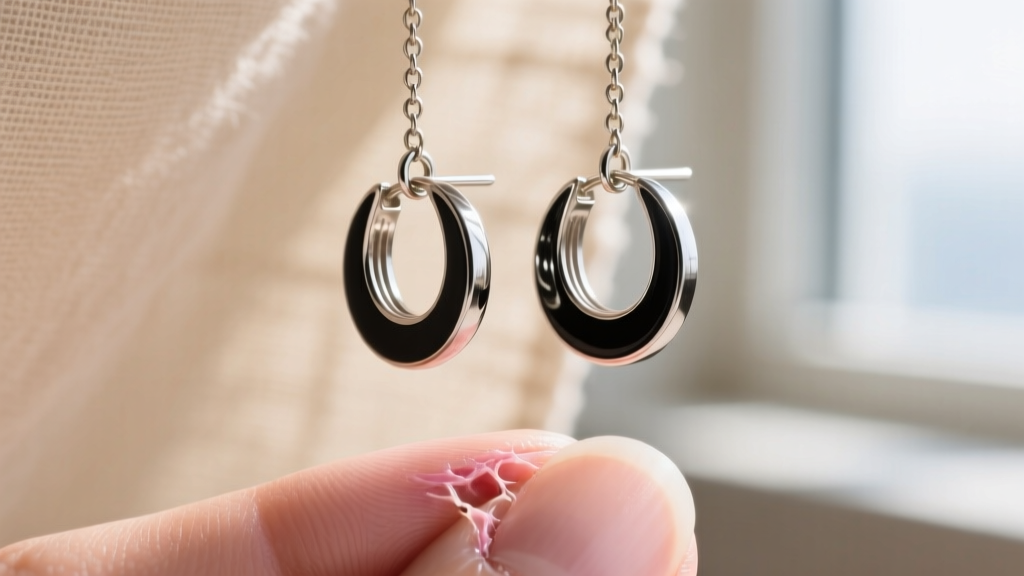

When enthusiasts and collectors search for gauges earrings, they are usually referring to one of two distinct categories: jewelry designed for stretched earlobes (plugs, tunnels, and tapers) or standard earrings crafted with thicker-than-average wire posts (like 14G or 12G). Regardless of which definition applies to your collection, proper care, maintenance, and cleaning are non-negotiable. Neglecting your ear jewelry can lead to severe contact dermatitis, lobe thinning, bacterial infections, and the degradation of expensive organic materials.
This comprehensive guide dives deep into the exact protocols required to maintain both stretched ear jewelry and thick-wire standard earrings, ensuring your lobes remain healthy and your jewelry retains its structural integrity.
Understanding the Terminology: Stretched Lobes vs. Wire Thickness
Before establishing a cleaning routine, it is vital to clarify what we mean by "gauges." In the body modification community, the term is colloquially used as a noun to describe the jewelry worn in stretched piercings (e.g., "I'm wearing my 0g gauges today"). Technically, however, gauge is a unit of measurement denoting the thickness of the jewelry post.
- Standard Wire Gauges: Typical lobe earrings are 20G (0.81mm) or 18G (1.02mm). Cartilage piercings usually sit at 16G (1.29mm) or 14G (1.63mm).
- Stretched Ear Gauges: Stretched lobes begin around 8G (3.26mm) and scale up through 0G (9.27mm), 00G (10mm), and into fractional inch measurements (e.g., 1/2", 1").
Because the maintenance requirements for a 14G titanium cartilage stud differ vastly from a 00G carved wood tunnel, we will address the care protocols for both categories, starting with the more complex stretched lobe jewelry.
The Daily Maintenance Routine for Stretched Ear Gauges
The most common complaint among individuals with stretched lobes is the accumulation of sebum, dead skin cells, and environmental debris inside the fistula (the piercing channel). This buildup, colloquially known as "ear cheese," causes a distinct, unpleasant odor and can lead to localized bacterial infections if left unmanaged.
The "Dry Sweep" and Wash Protocol
According to the Association of Professional Piercers (APP), maintaining a healthy stretched lobe requires a balance of hygiene and moisture retention. Over-washing with harsh chemicals strips the skin of its natural lipid barrier, leading to micro-tears and irritation.
- The Dry Sweep: Once daily, remove your plugs or tunnels. Take a clean, dry, lint-free microfiber cloth or a cotton swab and gently swab the inside of your fistula to remove dried sebum. Do this before introducing water, as water turns dry sebum into a stubborn paste.
- The Wash: In the shower, use a mild, unscented, liquid antibacterial soap (such as Dial Gold). Lather the soap in your hands and gently massage the outside and inside of the lobe for 30 seconds. Rinse thoroughly with warm water.
- The Dry: Pat the ear completely dry with a disposable paper towel. Cloth towels harbor bacteria and can snag on the jewelry's O-rings or threading.

Deep Cleaning Protocols by Material
Not all gauges earrings are created equal. The material of your jewelry dictates its cleaning protocol. Using the wrong chemical agent can permanently ruin organic materials or cause severe allergic reactions in porous metals. Below is a definitive matrix for deep cleaning and maintaining the most common gauge materials.
| Material | Safe Cleaning Agents | Agents to Avoid | Maintenance & Failure Modes |
|---|---|---|---|
| Implant-Grade Titanium (ASTM F-136) | Mild soap, sterile saline (0.9%), ultrasonic cleaners. | Harsh bleach, iodine. | Highly biocompatible. Will not tarnish. Check internal threading for cross-threading. |
| Borosilicate Glass | Warm soapy water, autoclave safe, boiling water. | Sudden extreme temperature changes (thermal shock). | Non-porous and ideal for healing. Inspect for micro-chips along the edges that can tear the fistula. |
| Organic Woods (Ebony, Maple, Teak) | Dry cloth only. Condition with pure jojoba oil or vitamin E oil. | Water, alcohol, soap, hydrogen peroxide, ultrasonic cleaners. | Water causes wood grain to swell and splinter. Splinters in the fistula cause severe granulomas. |
| Silicone (Medical Grade) | Warm soapy water, boiling for 5 minutes. | Alcohol, essential oils, petroleum-based lubricants. | Porous over time. Can harbor bacteria if the surface degrades. Discard if the surface becomes tacky. |
| 316L Surgical Steel | Mild soap, warm water. | Prolonged soaking in saline (can cause pitting). | Contains trace nickel. Can cause contact dermatitis in sensitive individuals over prolonged wear. |
Caring for Organic Wood and Bone Gauges
Organic gauges earrings require the most meticulous care. Because wood and bone are porous, they absorb moisture and bacteria. You must condition wood plugs at least once a week. Apply a single drop of pure, unrefined jojoba oil to a soft cloth and buff the entire surface of the plug, including the O-ring grooves. Jojoba oil closely mimics human sebum, making it the safest conditioner for both the jewelry and the surrounding skin. Never wear wood gauges in the shower, pool, or ocean.
Troubleshooting Common Gauge Earring Issues
Even with a strict cleaning regimen, mechanical and biological issues can arise. Recognizing the early warning signs of lobe distress is critical to avoiding permanent damage.
1. Lobe Thinning and Blowouts
If the bottom edge of your stretched lobe begins to look translucent or feels exceptionally thin, you are experiencing tissue atrophy. This is often caused by wearing heavy stone or steel gauges earrings for extended periods. The Fix: Immediately downsize your jewelry by one or two sizes (e.g., drop from 0G to 2G) and switch to ultra-lightweight materials like PET plastic or hollow silicone tunnels. Massage the lobe daily with vitamin E oil to promote blood flow and collagen production.
2. Contact Dermatitis and Flaking
Redness, itching, and flaky skin around the piercing site are hallmark signs of contact dermatitis. According to the Mayo Clinic, nickel is the most frequent culprit in jewelry-related allergic reactions. The Fix: Remove 316L surgical steel or mystery-metal jewelry immediately. Replace it with ASTM F-136 implant-grade titanium or solid 14k/18k gold. Cleanse the area with sterile 0.9% saline spray twice daily until the skin barrier repairs itself.

3. Stubborn Odor
If the "dry sweep" and soap routine fails to eliminate odors, the bacteria may be trapped in the microscopic pores of your jewelry or the dead skin is impacted. The Fix: Remove the jewelry and soak non-porous pieces (titanium, glass) in a dedicated jewelry cleaning solution or a 50/50 mix of white vinegar and water for 10 minutes. For the ear, use a gentle chemical exfoliant like a 2% salicylic acid toner on a cotton pad to wipe the inside of the fistula once a week, dissolving trapped keratin and sebum.
Expert Insight: Never sleep in rigid, heavy gauges earrings, especially during the first year of stretching. The pressure of your head against the pillow restricts blood circulation to the lobe, accelerating tissue thinning and increasing the risk of necrosis in extreme cases. Opt for soft, flexible silicone retainers for sleeping.
Standard Wire Gauge Earrings: Care for Thick-Post Studs and Hoops
If your interest in gauges earrings relates to standard wire thicknesses—such as 14G (1.6mm) or 12G (2.0mm) posts commonly used for daith, rook, conch, or industrial piercings—the maintenance focus shifts from lobe elasticity to cartilage health and threading integrity.
Thread Care and Insertion
Thicker wire gauges often utilize internal or external threading. Forcing a threaded post through a cartilage piercing can cause micro-tears in the fistula, leading to irritation bumps (hypertrophic scarring).
- Lubrication: Always apply a microscopic drop of sterile saline or jojoba oil to the threads before insertion.
- Alignment: If you feel resistance, do not push. Back the post out, realign the angle, and try again. Cross-threading can permanently strip the jewelry.
Cartilage Cleaning Constraints
Cartilage lacks its own direct blood supply, making it notoriously slow to heal and highly susceptible to infection. For thick-gauge cartilage jewelry, avoid rotating the jewelry during cleaning. The old advice of "twisting the earring" is outdated and introduces surface bacteria deep into the piercing channel. Instead, spray the front and back with sterile saline, let it sit for 60 seconds to soften crusties, and gently wipe away debris with a non-woven gauze pad.
What to Avoid: The Biggest Mistakes in Gauge Care
To summarize your maintenance protocol, strictly avoid the following common errors that ruin both jewelry and tissue:
- Using Rubbing Alcohol on Organics: Alcohol dries out wood, bone, and horn, causing them to crack and splinter inside your ear.
- Ignoring O-Ring Degradation: Silicone and rubber O-rings degrade from skin oils and UV exposure. Replace them every 3 to 6 months to prevent your plugs from slipping out unexpectedly.
- Over-Moisturizing: Applying heavy lotions or petroleum jelly inside the fistula traps bacteria and creates an anaerobic environment, leading to foul-smelling infections.
- Using Tapers as Daily Jewelry: Acrylic and steel tapers are stretching tools, not daily wear gauges earrings. Their uneven weight distribution causes severe lobe thinning and blowouts.
By treating your gauges earrings with the specific, material-aware care they require, you ensure that your piercings remain a healthy, comfortable, and beautiful canvas for self-expression. Whether you are maintaining a pair of delicate 14G titanium clickers or conditioning a set of hand-carved 0G mahogany tunnels, consistency and the right cleaning agents are your best tools for long-term success.