George Michael Earrings: 2026 Vintage Value & Budget Guide
Assess the 2026 market value of vintage George Michael earrings. Learn authentication tips, gauge specs, and budget alternatives for 80s cross styles.

The Pop-Memorabilia Jewelry Market: Decoding the 80s Statement Cross
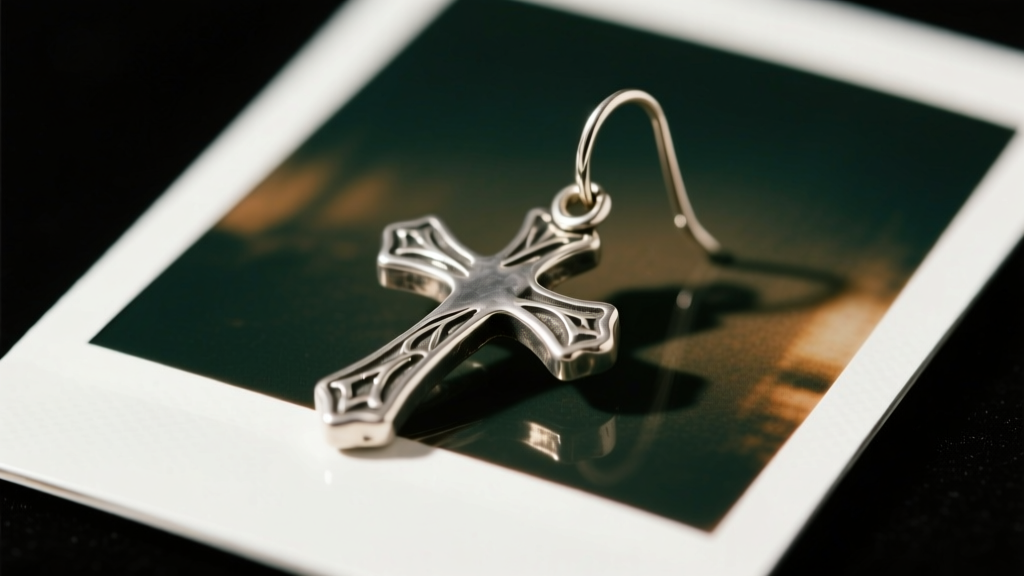
When collectors and style enthusiasts search for George Michael earrings, they are rarely looking for a simple, mass-produced accessory. They are hunting for a specific cultural artifact: the heavy, unisex, statement cross and geometric drop earrings that defined the Faith tour era and the transition into the Listen Without Prejudice period. In 2026, the intersection of pop-culture memorabilia and vintage jewelry has created a highly volatile secondary market. Auction houses like Sotheby's Memorabilia regularly see 1980s stage-worn pieces fetch astronomical sums, but what about the era-correct vintage pieces that merely mimic the style?
As a domain expert in vintage jewelry valuation, I see buyers routinely overpay for poorly cast replicas or undervalue genuine 1980s European sterling silver. This guide provides a rigorous budget and value assessment of the George Michael-inspired ear aesthetic, breaking down metallurgy, gauge specifications, and actionable authentication protocols.
The Anatomy of the Iconic 80s Earring: Materials and Gauge Specs
To accurately assess value, you must understand the manufacturing standards of the 1980s. Unlike the flimsy, hollow-cast jewelry of the 1970s, the pop-star statement pieces of the late 80s were characterized by their sheer weight and structural integrity.
1. Metal Purity and Casting Methods
Authentic vintage crosses from this era were typically die-struck or investment-cast in .925 sterling silver or 14-karat/18-karat white gold. The heavy oxidation (intentional tarnishing in the crevices) was a hallmark of the gritty, rock-and-roll aesthetic. If a piece is labeled 'vintage' but is made of brass with a rhodium flash plating, its value drops from the hundreds to mere single digits.
2. The Gauge Factor: Why Thickness Matters
Standard modern earrings use a 20-gauge (0.81mm) or 18-gauge (1.02mm) post. However, a solid silver cross earring from 1987 could easily weigh between 12 and 18 grams. To prevent the earring from tearing through the lobe or drooping awkwardly, original high-end pieces utilized 16-gauge (1.29mm) or even 14-gauge (1.63mm) posts. When evaluating a piece, use digital calipers to measure the post thickness. A thick post is a primary indicator of a genuine, high-quality vintage heavy earring.
Value Assessment Table: From Budget Replicas to Auction-Grade Vintage
Understanding the pricing tiers is critical for both investors and budget-conscious style enthusiasts. The table below outlines the 2026 market realities for George Michael-style earrings.
| Category | Material / Specification | Estimated 2026 Value | Provenance Requirement |
|---|---|---|---|
| Fast Fashion Replica | Brass / 18g Silver-Plated | $15 - $35 | None |
| Era-Correct Vintage | .925 Sterling Silver / 16g Post | $120 - $450 | 1980s Hallmark / Patina |
| Designer Vintage | 14k/18k Gold / 14g Post | $800 - $2,200 | Maker's Mark / Receipt |
| Verified Memorabilia | Mixed Metals / Stage-Worn | $5,000 - $25,000+ | Auction House COA |
Expert Insight: The 'sweet spot' for value retention is the Era-Correct Vintage tier. You are paying for the metallurgical quality and the authentic 80s silhouette without paying the 'celebrity tax' attached to verified stage-worn memorabilia.
Authentication Protocols: Spotting Fakes in the Secondary Market
The secondary market is flooded with modern pieces artificially aged to look like 1980s vintage. To protect your budget, employ these three testing methods before purchasing vintage silver or gold earrings.
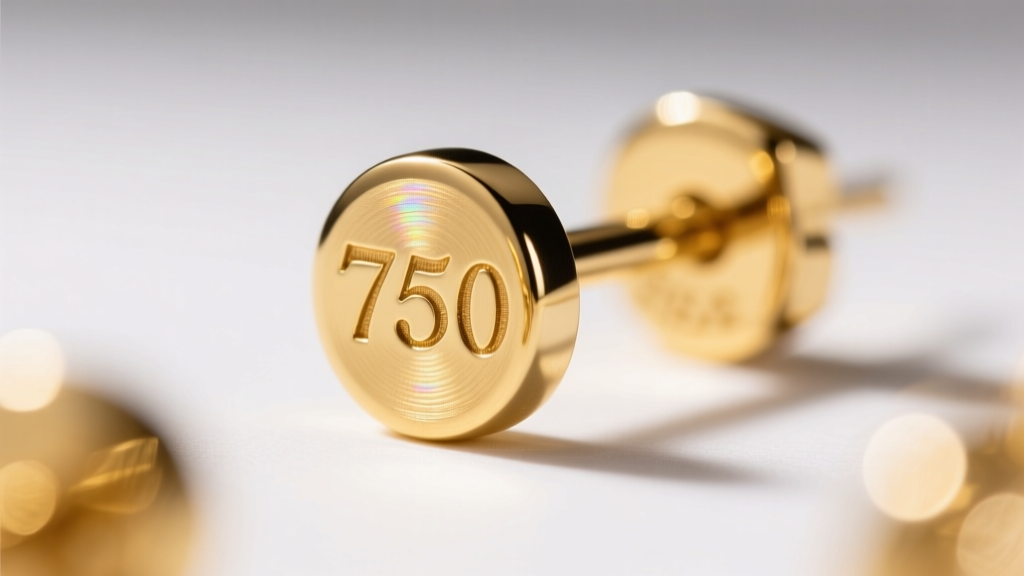
- The Hallmark Inspection: Use a 10x jeweler's loupe. Genuine 80s European silver will often feature an '800' or '925' stamp alongside a maker's mark. According to the GIA Gem Encyclopedia, hallmarks should be crisp and deeply struck, not laser-etched or blurry.
- The Magnetic Slide Test: Sterling silver and gold are paramagnetic (non-magnetic). If a heavy cross earring sticks to a neodymium magnet, it has a steel or iron core and is a modern counterfeit.
- The Ice Cube Test: Silver has the highest thermal conductivity of any common metal. Place an ice cube on the earring; if it begins to melt almost instantaneously compared to a control surface, you are likely holding genuine high-grade silver.
Budget Hacks: Recreating the 'Faith' Era Ear Stack Under $150
If your goal is aesthetic rather than investment, you do not need to spend $400 on vintage silver. You can build a highly accurate, era-appropriate ear stack on a strict budget by leveraging modern metallurgy and DIY aging techniques.
Step 1: Source Heavy-Gauge Modern Blanks
Search for modern, unbranded 14-gauge or 16-gauge sterling silver cross studs. Because they are unbranded, you avoid the 'boutique markup.' Expect to pay $30 to $50 for a high-quality, solid pair with the correct structural thickness.
Step 2: DIY Oxidation (The 80s Patina)
Modern silver is often too bright and polished to capture the George Michael aesthetic. Purchase a small jar of Liver of Sulfur (approx. $12). Dissolve a pea-sized amount in warm water and dip the earring heads for 30 seconds. This will turn the silver a deep, gunmetal black. Use a polishing cloth to buff only the raised edges, leaving the crevices dark. This perfectly mimics 40 years of natural oxidation.
Step 3: Lobe Support Engineering
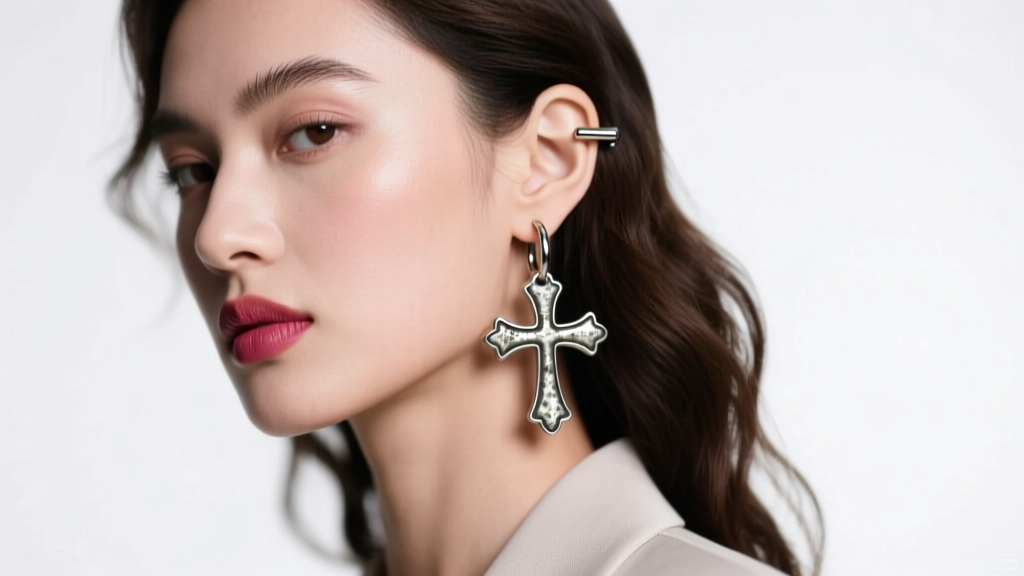
Heavy 16-gauge crosses will stretch modern, unprepared earlobes. Instead of relying on standard butterfly backs, invest in polyurethane adhesive earring support patches ($8 for a pack of 50). These stick directly to the back of the earlobe, distributing the 15-gram weight of the earring across a wider surface area and keeping the cross perfectly perpendicular to the floor.
Care and Maintenance for Heavy Vintage Earrings
Owning heavy vintage earrings requires a specific maintenance routine to preserve both the jewelry and your anatomy.
- Rotate Your Wear: Never wear 16-gauge heavy crosses for more than 8 hours consecutively. The constant downward drag can cause micro-tears in the fistula (the piercing channel).
- Thread Maintenance: Vintage earrings often suffer from stripped threading on the post. If the butterfly back won't tighten, do not use pliers to crush the back. Instead, replace the friction back with a silicone O-ring clutch, which grips the smooth metal post far more securely than degraded vintage metal.
- Chemical Avoidance: The 80s aesthetic relies on oxidation, but modern chlorine (in pools or tap water) will cause irreversible 'fire scale' on vintage sterling silver. Always remove them before swimming or showering.
Final Verdict: Investment vs. Aesthetic
The search for George Michael earrings represents a desire for a very specific era of unapologetic, heavy, gender-fluid statement jewelry. If you are an investor, the only pieces worth your capital are those with ironclad Certificates of Authenticity from recognized auction houses. However, for the style enthusiast, the true value lies in understanding the anatomy of the 80s piece. By prioritizing 16-gauge thickness, solid .925 silver, and proper lobe support, you can capture the iconic silhouette and structural integrity of the era without falling victim to the inflated memorabilia tax.


