2026 God of Destruction Earring Trends & Style Guide
Explore the 2026 god of destruction earring trend. Discover styling tips, material grades, and gauge sizes for anime-inspired Hakaishin jewelry.

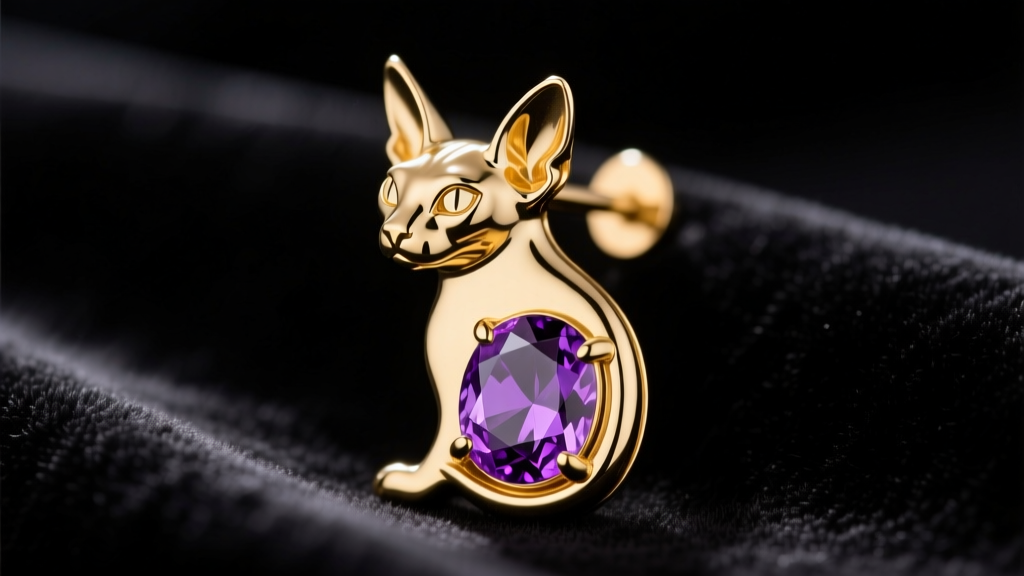
The intersection of anime culture and fine jewelry has reached a sophisticated zenith in 2026. No longer confined to cheap plastic cosplay props, the god of destruction earring trend has evolved into a highly sought-after aesthetic within the alternative and geek-chic jewelry markets. Inspired primarily by the Hakaishin deities from Dragon Ball Super—most notably Beerus, whose design draws heavily from Egyptian Sphynx cats and ancient pharaonic motifs—these earrings blend dark fantasy, anime lore, and high-end metallurgy.
Whether you are looking for a subtle Hakaishin kanji stud for daily wear or a heavy, enameled statement dangle for convention season, understanding the material grades, gauge requirements, and styling frameworks is essential. This guide breaks down everything you need to know about rocking deity-inspired ear aesthetics without compromising your lobe health or jewelry longevity.
The Anatomy of a God of Destruction Aesthetic
What exactly defines a god of destruction earring? The design language relies on three core pillars that merge ancient Egyptian motifs with anime-specific lore:
- The Hakaishin Kanji: The Japanese character for "Destruction" (破壊) is frequently laser-engraved or cast into the metalwork, serving as a subtle nod for fans.
- Sphynx & Feline Silhouettes: Pointed ears, sleek collars, and elongated feline profiles are common in dangle and ear cuff designs, mimicking the character Beerus.
- Royal Purple & Gold Colorways: The signature palette relies on deep amethyst gemstones or purple vitreous enamel set against warm 18k gold vermeil or solid yellow gold.
In 2026, designers are moving away from overt, cartoonish character faces, favoring abstract, high-fashion interpretations of these motifs that can be worn in professional or formal settings.
Material Breakdown: Cosplay Props vs. Fine Jewelry
When shopping for anime-inspired jewelry, the market is heavily saturated with low-grade alloys that cause contact dermatitis. To ensure your god of destruction earring lasts beyond a single convention weekend, you must scrutinize the material composition. According to the Gemological Institute of America (GIA), understanding gold purity and plating thickness is critical for avoiding premature tarnishing.
| Material Grade | Composition Details | Best Use Case | Expected Price Range |
|---|---|---|---|
| Zinc Alloy / Tibetan Silver | Base metal with flash plating; contains nickel. | Short-term cosplay; high risk of green skin. | $5 - $20 |
| Gold Plated Brass | Brass core with 0.5-micron gold layer. | Occasional wear; requires careful moisture avoidance. | $25 - $60 |
| 18k Gold Vermeil | 925 Sterling Silver core with ≥2.5 microns of 18k gold. | Daily wear; hypoallergenic and highly durable. | $85 - $250 |
| Solid 14k/18k Gold | Pure gold alloy; no plating to wear off. | Lifetime heirloom pieces; sensitive ear lobes. | $400 - $1,200+ |
Expert Tip: Always look for the "Vermeil" stamp. If a seller simply claims "gold plated silver," the gold layer is likely under 1.0 microns and will wear through to the silver within months of friction against your neck and hair.
Gauge Sizing and Lobe Health for Heavy Dangles
God of destruction dangle earrings often feature substantial metalwork, large amethyst cabochons, and intricate enamel inlays. This added weight introduces a significant risk of the "cheese-cutter effect," where a thin earring wire slowly slices through the bottom of the earlobe piercing.
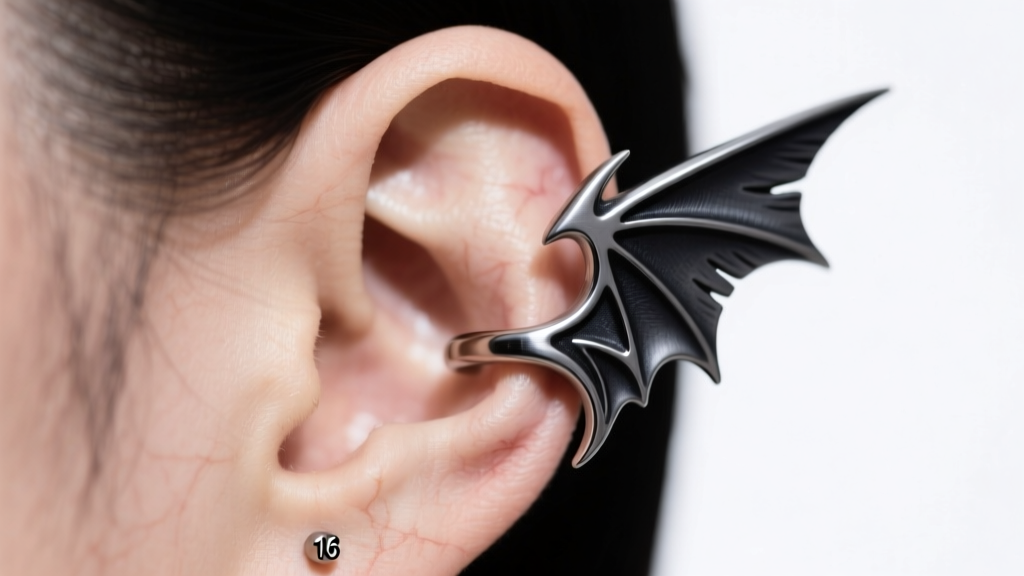
The Gauge Framework for Statement Earrings
- 20-Gauge (0.81mm): The standard for most commercial earrings. Only safe for god of destruction studs or lightweight huggies weighing under 8 grams.
- 18-Gauge (1.02mm): The minimum acceptable thickness for medium-weight dangles (8–15 grams). Provides enough surface area to distribute pressure across the lobe.
- 16-Gauge (1.29mm): Mandatory for heavy, oversized statement pieces exceeding 15 grams. If your piercing is currently 20g, you can safely stretch it to 16g using a taper over a few weeks to accommodate heavier anime-inspired drops.
For those who want the deity aesthetic without stressing their lobe piercings, cartilage ear cuffs are the ideal alternative. A 16-gauge titanium or solid gold cuff wrapping around the upper helix can support massive, wing-like Hakaishin designs without requiring any piercing at all.
Face Shape Pairing and Styling Framework
Because these earrings command attention, balancing their visual weight with your facial geometry is crucial for a cohesive look.
Round Faces
Avoid large, circular hoops with Hakaishin engravings, as they will exaggerate facial roundness. Instead, opt for elongated drop earrings featuring a vertical line of purple amethysts ending in a sharp, geometric Sphynx-cat silhouette. This creates a lengthening illusion.
Square Faces
Angular jawlines pair beautifully with the sharp, aggressive lines of deity-inspired jewelry. Look for curved huggies or medium-sized dangles with rounded enamel domes to soften the lower half of the face while maintaining the edgy anime aesthetic.
Heart-Shaped Faces
Since the chin is narrow and the forehead is broad, you want to add visual weight to the bottom of the face. Chandelier-style god of destruction earrings that flare outward at the jawline will beautifully balance your natural proportions.
Pricing Tiers and Market Landscape
The 2026 market for anime-inspired fine jewelry has segmented into three distinct tiers, catering to different budgets and material expectations:
- The Convention Tier ($15 - $50): Dominated by independent creators on platforms like Etsy and TikTok Shop. Expect gold-plated brass, epoxy resin "enamel," and glass stones mimicking amethyst. Great for weekend wear, but expect tarnishing within six months.
- The Artisan Tier ($80 - $250): Specialty geek-jewelry brands utilizing 925 sterling silver, thick gold vermeil, and genuine natural amethyst. These pieces use vitreous (fired glass) enamel rather than painted resin, ensuring the purple hues never yellow or chip.
- The Fine Jewelry Tier ($500+): Bespoke jewelers creating custom 14k or 18k solid gold pieces with ethically sourced amethysts and conflict-free diamonds. These are heirloom-quality investments designed for lifelong daily wear.
Maintenance: Protecting Enamel and Amethyst
The god of destruction aesthetic relies heavily on the contrast between warm gold and deep purple. Maintaining this contrast requires specific care protocols, particularly regarding the gemstones and enamel work.
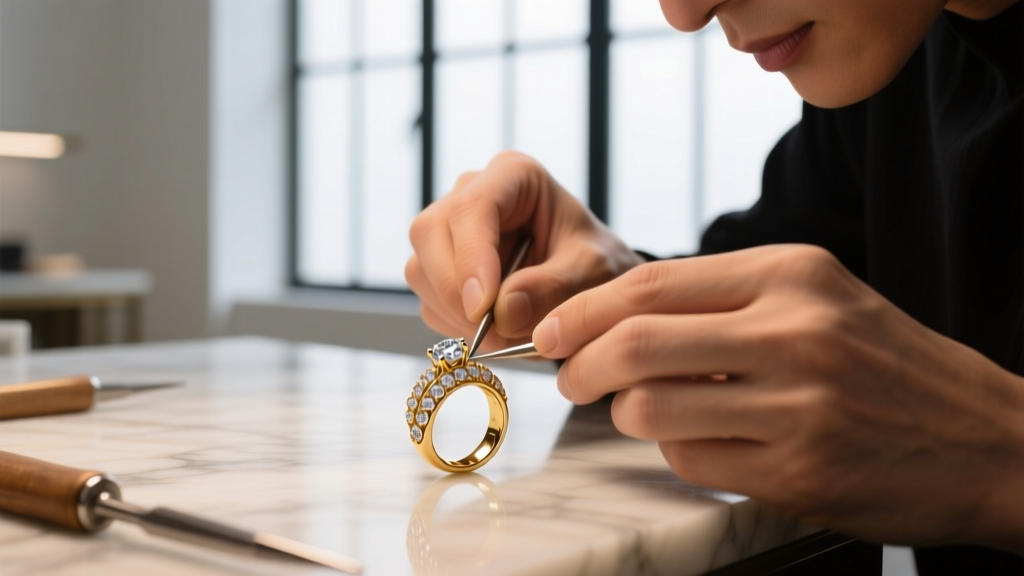
Amethyst ranks at a 7 on the Mohs scale of hardness. While reasonably durable, it is susceptible to thermal shock and prolonged UV exposure, which can cause the vibrant purple color to fade into a dull gray-brown. Never leave your amethyst earrings on a sunny windowsill.
Furthermore, if your earrings feature purple enamel, you must identify whether it is epoxy or vitreous. Epoxy enamel is essentially painted resin; it will melt or warp if exposed to hot water or harsh chemicals. Vitreous enamel is fired glass; it is highly durable but can shatter if dropped on a tile floor. For both types, avoid ultrasonic jewelry cleaners. The high-frequency vibrations can fracture the enamel or loosen the adhesive holding the amethyst cabochons in their bezels. Instead, clean your pieces using a soft baby toothbrush, lukewarm water, and a drop of mild, phosphate-free dish soap.
Final Thoughts on the Hakaishin Trend
The god of destruction earring trend represents a maturation of anime-inspired fashion. By prioritizing 18k gold vermeil, respecting lobe health with proper 18-gauge or 16-gauge sizing, and selecting genuine amethyst over dyed glass, fans can elevate their fandom into a sophisticated, everyday style statement. Whether you are channeling the effortless arrogance of a deity or simply appreciating the fusion of Egyptian and Japanese design motifs, these pieces are a testament to the lasting power of geek-chic jewelry in 2026 and beyond.


