Gold Earrings Spiral Designs: Budget & Value Guide 2026
Evaluate the true cost of gold earrings spiral designs in 2026. We compare solid, filled, and plated options to help you avoid cheap metal fatigue.

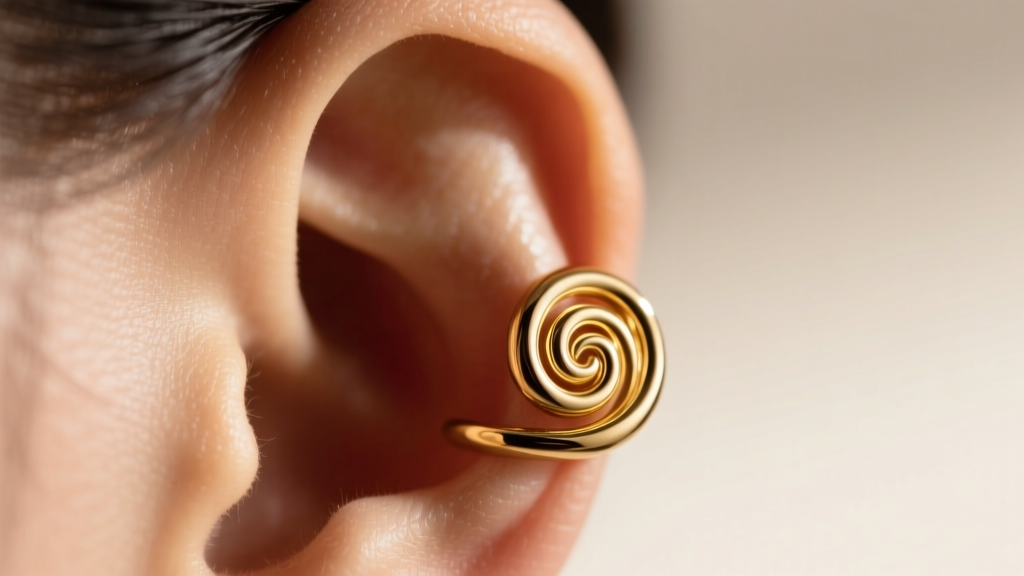
The Engineering of the Spiral: Why Construction Dictates Price
The search for the perfect gold earrings spiral design often leads consumers down a rabbit hole of wildly varying prices. In 2026, the jewelry market is saturated with spiral cuffs, helix wraps, and lobe spirals ranging from $12 to over $500. But when a design relies entirely on structural tension to stay on your ear, the margin for error in manufacturing is razor-thin. Unlike a standard post earring secured by a friction back, a spiral earring must utilize 'metal memory'—the ability of an alloy to return to its original shape after being flexed. Understanding the metallurgy and engineering behind these pieces is the only way to accurately assess their true value.
When evaluating gold earrings spiral options, buyers must look beyond the superficial karat stamp and examine the wire gauge, the base metal, and the plating thickness. A poorly engineered spiral will suffer from metal fatigue, permanently stretching out and losing its grip on your cartilage within weeks. This comprehensive value assessment breaks down exactly what you should pay based on material grades, gauge sizes, and long-term wearability.
Material Breakdown: Solid Gold vs. Plated vs. Filled
The core of any spiral earring's value lies in its material composition. Because spirals require frequent bending to adjust to the unique curvature of the wearer's ear, the molecular structure of the metal is subjected to immense stress.
Solid 14k and 18k Gold
Solid gold is the benchmark for fine jewelry, but not all karats are created equal when it comes to tension-based designs. According to the Gemological Institute of America (GIA), 14k gold contains 58.3% pure gold, alloyed with metals like copper, silver, and zinc. This alloying process increases the Vickers hardness of the metal, making 14k gold exceptionally resilient for spiral cuffs that need to maintain a tight grip on the helix. Conversely, 18k gold (75% pure) is significantly softer. While more valuable intrinsically, an 18k gold spiral is prone to gradual stretching and tension loss over months of daily wear. For spiral designs, 14k gold offers the superior balance of intrinsic value and structural integrity.
Gold Vermeil and Gold Filled
Gold vermeil requires a sterling silver base plated with at least 2.5 microns of gold. While vermeil is an excellent budget-friendly alternative for static jewelry, it poses a distinct risk for spirals. Every time you bend a vermeil spiral to adjust the fit, you risk creating micro-fractures in the gold layer, eventually exposing the silver underneath to oxidize. Gold-filled wire, which consists of a brass core with a thick outer layer of 14k gold comprising at least 5% of the total weight, offers better bending tolerance than vermeil but can still delaminate if subjected to aggressive, repeated adjustments.
Flash-Plated Brass and Copper
Sitting at the bottom of the value spectrum are flash-plated earrings. These feature a base metal like brass or copper coated with a microscopic layer of gold (usually 0.1 to 0.3 microns). Bending a flash-plated spiral will almost immediately crack the gold layer. Furthermore, cheap base metals often contain nickel, a common allergen that causes severe contact dermatitis, a reaction well-documented by the American Academy of Dermatology.
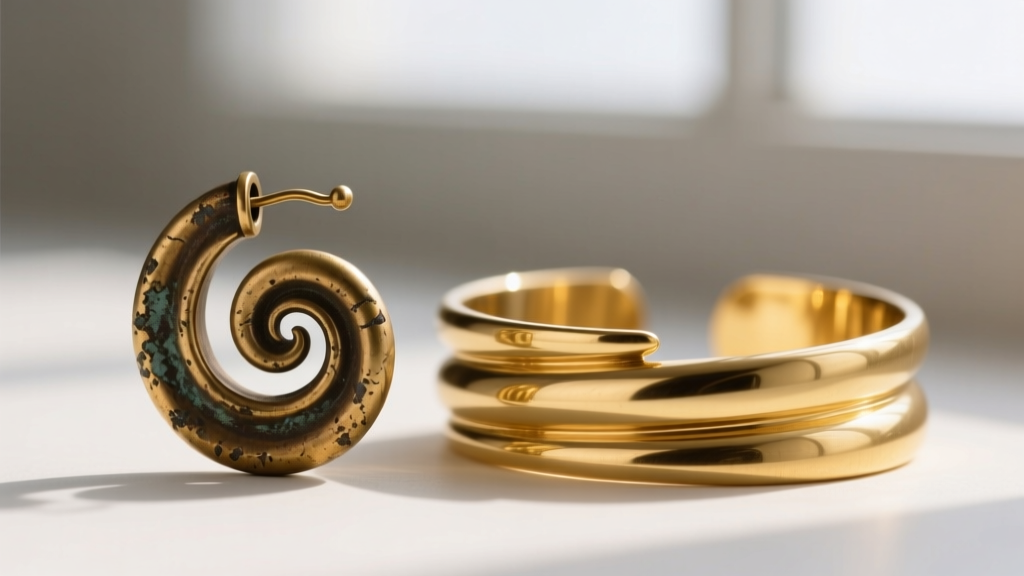
The Hidden Costs of Cheap Spirals: Metal Fatigue and Skin Reactions
Budget jewelry often carries a hidden tax in the form of premature failure. When you purchase a $20 gold-plated spiral, you are essentially renting the gold color for a few weeks. The mechanical action of securing a spiral cuff to the ear requires pulling the wire apart slightly and releasing it to clamp down on the cartilage.
In cheap, mass-produced spirals, the wire is often too thin—typically 20-gauge (0.81mm) or 18-gauge (1.02mm). While 18-gauge is standard for lobe piercings, it lacks the cross-sectional mass required to exert lasting tension on the thicker helix cartilage. Over time, the thin wire undergoes work hardening, becoming brittle and eventually snapping at the stress point where the curve meets the straight post. Additionally, once the microscopic plating wears off due to friction against the skin and hair, the underlying copper or brass reacts with your skin's natural acids, leaving a stubborn green or black stain and triggering allergic flare-ups.
Gauge Thickness and Structural Integrity
To ensure a spiral earring maintains its tension without permanent deformation, the wire gauge must be substantial. For non-piercing ear cuffs and helix wraps, 16-gauge (1.29mm) or even 14-gauge (1.63mm) wire is the professional standard. This thickness provides the necessary rigidity to grip the ear securely while possessing enough metallurgical flexibility to withstand minor adjustments without snapping.
2026 Pricing Matrix: What You Should Actually Pay
To help you navigate the market, we have compiled a value assessment matrix based on current 2026 pricing for standard single-wrap spiral designs. Use this table to determine if a retailer is overcharging for plated metals or offering a genuine deal on solid gold.
| Material Type | Base Metal | Gold Layer | Avg Price Range | Bending Tolerance | Estimated Lifespan |
|---|---|---|---|---|---|
| Flash Plated | Brass / Copper | < 0.5 microns | $12 - $35 | Very Poor (Cracks instantly) | 1 - 3 Months |
| Gold Vermeil | Sterling Silver | 2.5+ microns | $45 - $95 | Fair (Risk of flaking) | 1 - 2 Years |
| Gold Filled | Jeweler's Brass | 5% by weight | $60 - $120 | Good (Withstands minor bends) | 3 - 5 Years |
| Solid 14k Gold | None (Alloyed) | 100% Solid | $160 - $350 | Excellent (High metal memory) | Lifetime |
| Solid 18k Gold | None (Alloyed) | 100% Solid | $250 - $550+ | Good (Prone to stretching) | Lifetime |
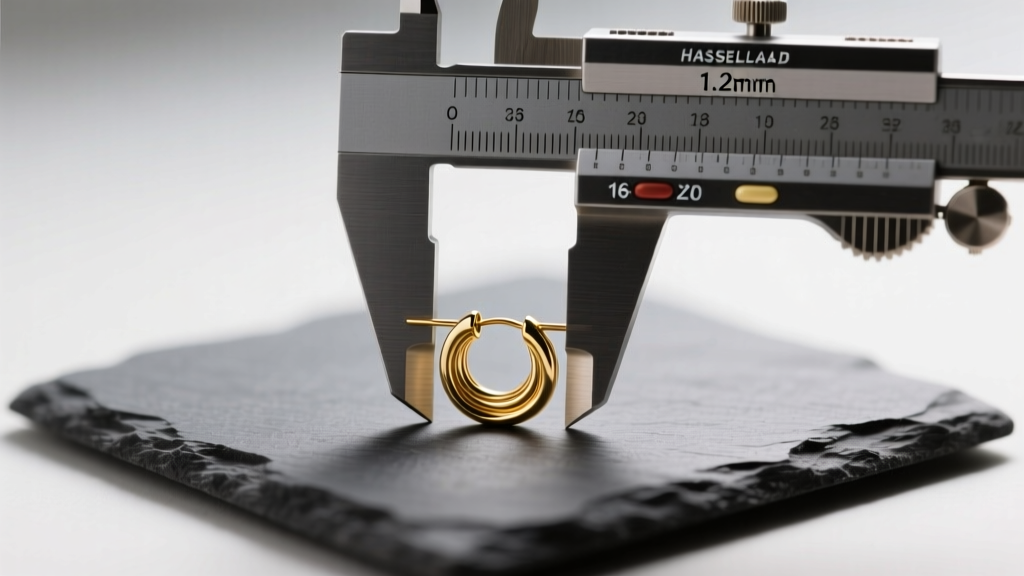
How to Assess Value When Shopping Online
When shopping for gold earrings spiral styles online, high-resolution photos and marketing buzzwords can easily mask inferior construction. To protect your investment, adopt this strict vetting checklist before adding an item to your cart:
- Demand the Gauge Size: If the product description does not list the wire thickness in millimeters or gauge, assume it is a flimsy 20-gauge or 18-gauge wire. For cartilage spirals, look specifically for 16-gauge (1.2mm) or thicker.
- Verify the Plating Metrics: 'Gold dipped' or 'gold toned' are unregulated terms that indicate flash plating. Look for the specific term 'Gold Vermeil' or a stated micron count (e.g., 3-micron plating).
- Check the Tension Mechanism: High-end solid gold spirals often feature a slightly flattened or hammered section at the apex of the curve. This is an intentional engineering choice that increases structural rigidity at the primary stress point.
- Scrutinize the Return Policy: Because spiral cuffs must be adjusted to fit individual ear anatomy, a flexible return policy is crucial. Reputable brands selling solid gold will allow returns if the tension fails to hold your specific cartilage shape.
Final Verdict: Where to Invest and Where to Save
The value of a spiral earring is inextricably linked to its mechanical function. If you are purchasing a spiral for a one-time event or a seasonal trend, a $50 gold vermeil or high-quality gold-filled piece offers acceptable value, provided you handle it with extreme care and avoid excessive bending. However, if you intend to wear a helix wrap or ear cuff daily, investing in a solid 14k gold spiral is the only financially sound decision. The upfront cost of $200+ is quickly offset by the elimination of replacement costs, skin irritation treatments, and the frustration of a ruined garment from flaking brass. In the realm of tension-based jewelry, structural integrity is the ultimate luxury.


