Decoding the Golden Earring Cut Album Trend in 2026
Explore the 2026 golden earring cut album trend. Discover styling tips, laser-cut metallurgy, gauge specs, and care guides for layered gold designs.

The Rise of the Nostalgic Silhouette
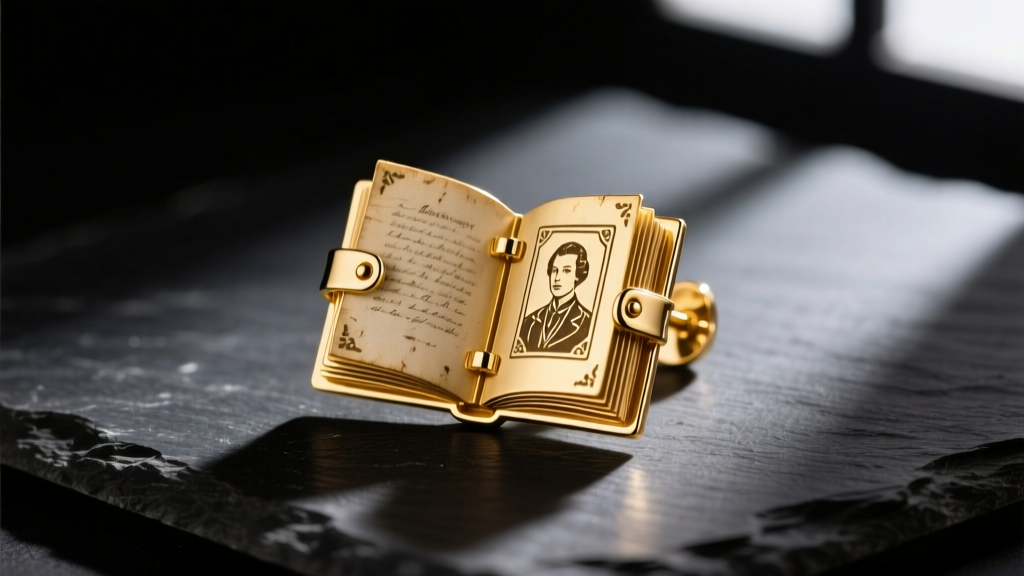
In the ever-evolving landscape of fine jewelry, 2026 has introduced a highly specific, deeply nostalgic aesthetic that is dominating artisanal showcases and high-end boutiques alike. When industry insiders and trend forecasters refer to the golden earring cut album aesthetic, they are describing a masterful intersection of vintage sentiment and modern precision engineering. This trend features multi-layered, laser-cut, and die-cast gold designs that mimic the overlapping pages of a vintage scrapbook, the intricate filigree of antique photo albums, or the grooved sleeves of classic vinyl records.
Unlike traditional solid gold drops or simple geometric hoops, the cut album style relies heavily on negative space, micro-hinged joints, and kinetic movement. The earrings are designed to fan out, shift, and catch the light dynamically as the wearer moves, creating a visual depth that flat jewelry simply cannot achieve. According to recent market analyses highlighted by JCK Industry Reports, consumer demand for kinetic, multi-layered gold jewelry has surged by 34% over the last twelve months, driven by a desire for tactile, story-driven accessories that feel both deeply personal and technically impressive.
Anatomy of the Cut Album Design
What exactly separates a standard layered drop earring from a true 'cut album' piece? The distinction lies in the manufacturing technique and the structural articulation. True cut album earrings are not merely stacked charms; they are precision-engineered wearable sculptures.
Multi-Axis Laser Cutting
To achieve the paper-thin, overlapping 'pages' characteristic of this trend, jewelers utilize multi-axis fiber lasers capable of cutting 14k and 18k gold sheets with a tolerance of 0.05 millimeters. This allows for the creation of intricate, lace-like patterns that would be impossible to cast using traditional lost-wax methods. The edges are then meticulously polished to ensure the micro-thin gold layers do not snag on hair or clothing.
Micro-Hinge Articulation
The defining feature of the golden earring cut album trend is movement. The 'pages' of the earring are connected via microscopic gold rivets or hidden spring hinges. This allows the earring to collapse flat against the neck when at rest, and fan out into a three-dimensional display when the wearer turns their head. This kinetic element requires an extraordinary level of bench-jeweler expertise, as the tension on these hinges must be perfectly calibrated—too loose, and the earring loses its shape; too tight, and the gold will fatigue and snap.
Metallurgy and Material Grades: Why Hardness Matters
When dealing with articulated, multi-layered designs, the choice of gold karat is not merely an aesthetic decision; it is a structural necessity. The Gemological Institute of America (GIA) notes that the alloy composition of gold drastically affects its tensile strength and Vickers Hardness (HV), which is critical for jewelry with moving parts.
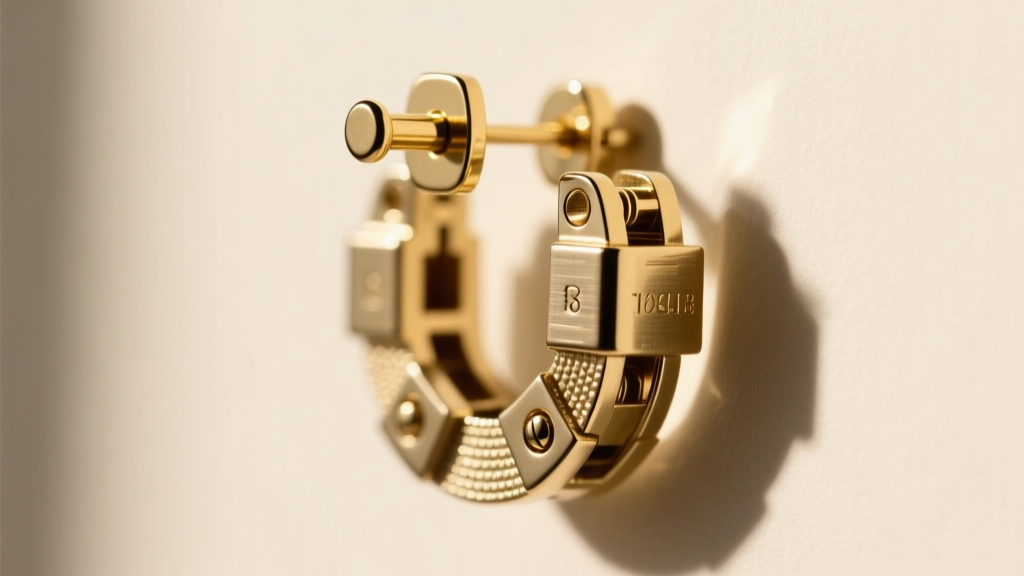
- 14k Gold (58.5% Purity): With a Vickers Hardness of approximately 135 HV, 14k gold is the undisputed champion for the structural hinges and load-bearing posts of cut album earrings. The higher copper and silver content provides the necessary rigidity to prevent the micro-rivets from warping under the weight of multiple gold layers.
- 18k Gold (75.0% Purity): Softer and richer in color, 18k gold sits around 115 HV. While it offers a more luxurious, buttery yellow hue, it is generally reserved for the decorative 'pages' of the earring rather than the structural hinges. If an 18k cut album earring exceeds 10 grams, the hinges are at a high risk of stretching over time.
- 22k and 24k Gold: Almost never used in this specific trend. The extreme softness of high-karat gold makes it entirely unsuitable for laser-cut filigree and micro-hinges, as the delicate edges would dent and deform upon the first wear.
Technical Specifications & Sizing Guide
Because the golden earring cut album style involves stacking multiple sheets of gold, weight distribution becomes a primary concern for ear lobe health. Wearing heavy, poorly balanced kinetic earrings can lead to lobe stretching or the dreaded 'cheese-cutter effect,' where a thin post slowly slices through the ear tissue.
| Specification | Standard Lobe (20g/18g) | Thick/Stretched Lobe (16g/14g) |
|---|---|---|
| Recommended Post Gauge | 18g (1.0mm) minimum | 16g (1.2mm) or 14g (1.6mm) |
| Max Safe Earring Weight | 8 - 10 grams per ear | 14 - 18 grams per ear |
| Optimal Drop Length | 1.5 to 2.5 inches | 2.5 to 4.0 inches |
| Required Backing Type | Wide-disk friction back or La Pousette | Screw-back or locking leverback |
Expert Tip: If you are purchasing a 14k cut album dangle that weighs over 12 grams, insist on a La Pousette (butterfly clutch with a locking push-piece) or a custom wide-disk backing. Standard friction backs will inevitably fail under the kinetic swinging weight of layered gold pages, leading to lost jewelry.
Styling the Multi-Layered Drop
The intricate nature of these earrings demands a thoughtful approach to styling. Because the cut album aesthetic is inherently maximalist in its detailing, it requires a strategic balance with the rest of your look and facial geometry.
Face Shape Matrix
- Round Faces: Opt for elongated, vertically oriented cut album drops that feature narrow, cascading 'pages.' The vertical lines and kinetic movement will draw the eye downward, creating the illusion of a longer, more angular jawline. Avoid wide, fan-shaped album cuts that add horizontal volume.
- Square Faces: Look for cut album designs that incorporate curved, scalloped edges or circular vinyl-record motifs. The soft, rounded layers will beautifully offset strong, angular jawlines and prominent cheekbones.
- Heart-Shaped Faces: Chandelier-style cut album earrings that are narrower at the top and fan out wider at the bottom are ideal. The added visual weight at the bottom of the earring helps balance a narrower chin.
- Oval Faces: You have the versatility to pull off almost any iteration of the trend, from tight, geometric scrapbook-style studs to dramatic, shoulder-grazing kinetic dangles.
Wardrobe Pairing
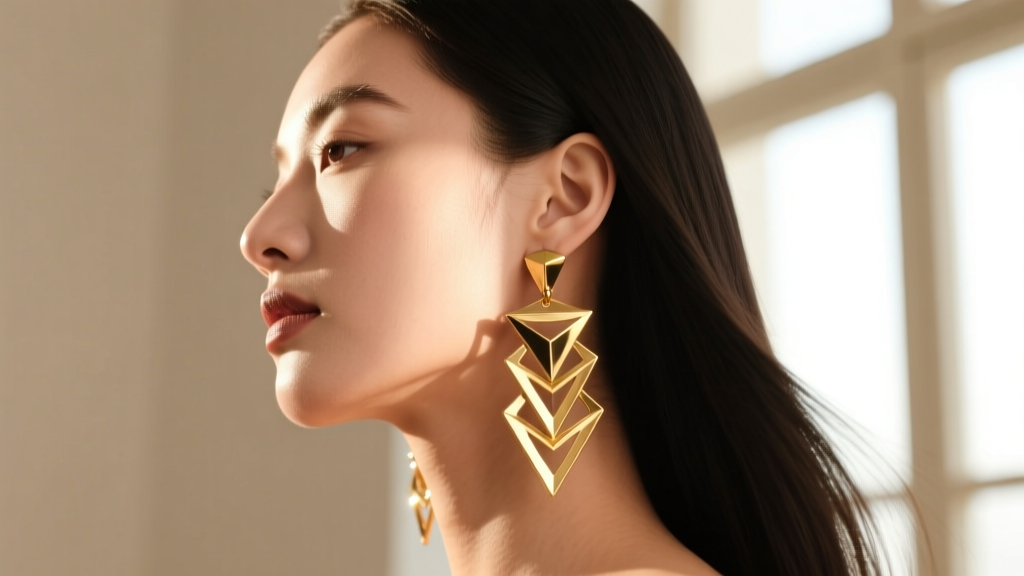
Let the earrings be the focal point. The golden earring cut album pieces pair exceptionally well with structured, minimalist clothing. A crisp, high-necked white button-down, a sleek turtleneck, or an off-the-shoulder architectural blazer provides the perfect blank canvas. Avoid busy patterns, heavy ruffles, or high-collared garments that might physically catch on the micro-hinges and delicate laser-cut filigree of the earrings.
Care and Maintenance for Laser-Cut Hinges
The very features that make these earrings stunning—the overlapping layers and micro-hinges—also make them magnets for debris, skin oils, and cosmetic buildup. Proper maintenance is non-negotiable to preserve the kinetic movement of the piece.
What to Avoid
Never use ultrasonic cleaners on articulated cut album earrings. The high-frequency vibrations can easily shake loose the microscopic gold rivets or warp the delicate tension springs hidden within the hinges. Similarly, avoid steam cleaners, as the intense heat can alter the temper of the gold alloy, softening the structural posts.
The Correct Cleaning Protocol
- Dry Brushing: Use a brand-new, ultra-soft makeup brush or a specialized jewelry detailing brush to gently sweep away dust and powder from between the overlapping gold pages. Do this weekly.
- Mild Surfactant Bath: Once a month, submerge the earrings in a bowl of lukewarm water mixed with a few drops of mild, phosphate-free dish soap. Let them sit for exactly three minutes.
- Agitation: Gently swish the water. Do not scrub the hinges with a toothbrush, as the bristles can bend the micro-thin gold layers.
- Drying: Rinse under a gentle stream of distilled water and pat dry with a lint-free microfiber cloth. Use a hair dryer on the 'cool' setting to blow out any trapped moisture from the hinge joints, preventing water spots and potential alloy oxidation.
- Hinge Lubrication: If the pages begin to feel stiff, apply a microscopic drop of synthetic watchmaker's oil to the rivet joints using a needle-tip oiler. Wipe away any excess immediately.
Final Verdict on the 2026 Trend
The golden earring cut album trend is far more than a fleeting seasonal fad; it represents a broader shift in consumer appetite toward technical mastery and emotional resonance in fine jewelry. By blending the nostalgic warmth of vintage scrapbooks with the cutting-edge precision of modern laser metallurgy, these pieces offer a unique narrative that mass-produced jewelry simply cannot replicate. Whether you opt for a robust 14k pair for daily kinetic movement or a delicate 18k showpiece for evening wear, understanding the structural nuances, gauge requirements, and care protocols will ensure your investment remains a captivating, moving masterpiece for decades to come.


