Material Guide to Good Mens Earrings: Titanium, Gold & Steel
Discover what makes good mens earrings by comparing titanium, surgical steel, and gold. Learn metal grades, gauge sizes, and hypoallergenic properties.

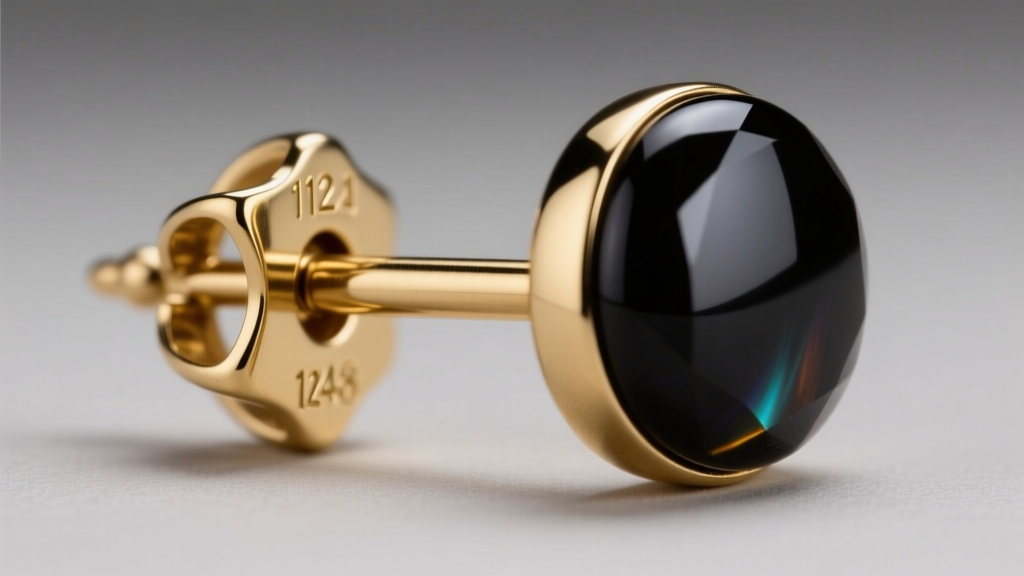
The market for men's jewelry has matured significantly, moving far beyond the cheap, mass-produced options of the past. Today, finding truly good mens earrings requires a foundational understanding of metallurgy, biocompatibility, and structural engineering. Whether you are curating a subtle lobe stack or stretching your lobes to accommodate heavier gauges, the metal you choose dictates the longevity, comfort, and safety of your piercings.
Many men experience unexplained irritation, blowouts, or allergic reactions simply because they are wearing the wrong alloy. In this comprehensive material guide, we break down the exact metal grades, threading standards, and gauge specifications you need to know to make an informed purchase.
The Big Three: Comparing Metals for Men's Earrings
Before diving into the metallurgical specifics, here is a high-level comparison of the three most common metals used in high-quality men's earrings. This table highlights the practical differences you will encounter when shopping.
| Metal | Industry Standard / Grade | Nickel Content | Price Range (Per Pair) | Best Use Case |
|---|---|---|---|---|
| Titanium | ASTM F136 (Ti6Al4V ELI) | 0% (Nickel-Free) | $40 - $120+ | Fresh piercings, sensitive ears, heavy gauges |
| Surgical Steel | 316L / 316LVM | 8% - 12% (Bound) | $15 - $50 | Fully healed lobes, budget-friendly everyday wear |
| Solid Gold | 14k or 18k Alloy | Varies by alloy mix | $150 - $600+ | Healed piercings, luxury pieces, long-term wear |
Implant-Grade Titanium (ASTM F136): The Undisputed Champion
When professional piercers and metallurgists discuss the gold standard for body jewelry, they are referring to ASTM F136 compliant titanium, specifically the Ti6Al4V ELI (Extra Low Interstitial) alloy. This is the exact same grade of titanium used in medical implants, joint replacements, and surgical hardware.
Why Titanium Outperforms Other Metals
Titanium is entirely nickel-free, making it the ultimate choice for men with contact dermatitis or metal allergies. Furthermore, it boasts an exceptional strength-to-weight ratio. For men wearing larger gauge earrings (such as 8g or 6g), titanium provides the structural integrity needed to prevent bending or warping without adding excessive weight that could drag down the earlobe and cause tissue thinning.
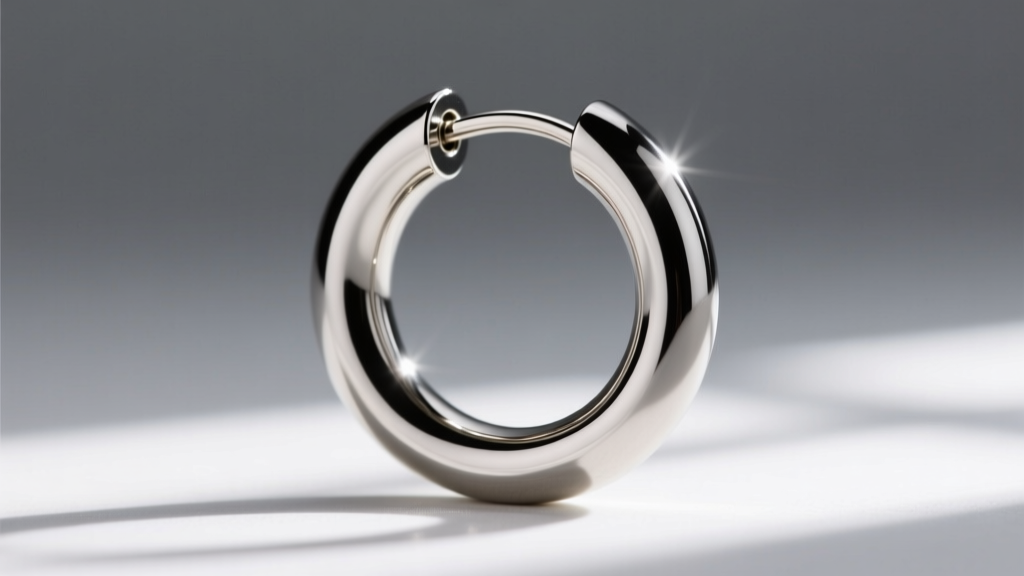
Another unique property of titanium is its ability to be anodized. Unlike gold plating, which can chip or flake off over time, anodizing uses an electrical current to alter the oxide layer on the metal's surface, creating vibrant, permanent colors like gunmetal, bronze, or deep blue without introducing any foreign chemicals or dyes.
316L Surgical Steel: The Budget Workhorse (And Its Hidden Flaws)
316L surgical steel is the most ubiquitous metal in men's jewelry, largely due to its affordability and classic silver aesthetic. The "L" stands for low carbon, which improves corrosion resistance. However, it is crucial to understand that surgical steel is an alloy that inherently contains between 8% and 12% nickel.
The Nickel Directive and Skin Reactions
In high-quality 316LVM (Vacuum Melted) steel, the nickel is tightly bound within the crystalline structure of the metal. According to the Association of Professional Piercers (APP), high-quality steel is generally safe for healed piercings. However, if the jewelry is subjected to heavy sweat, friction, or acidic skin chemistry, microscopic amounts of nickel can leach out, triggering allergic contact dermatitis.
Actionable Advice: If you have fully healed, non-sensitive lobes and want a classic silver look on a budget, 316L is perfectly acceptable. If you are stretching your ears, getting a fresh piercing, or know you have a nickel allergy, skip steel entirely and invest in titanium.
Solid Gold vs. Gold Plated: Avoiding the "Green Ear" Trap
Gold remains a staple in men's fashion, but the terminology used by jewelry brands can be highly deceptive. To find genuinely good mens earrings in gold, you must understand the difference between solid karat gold and surface treatments.
14k vs. 18k: Finding the Right Balance
Pure 24k gold is far too soft for everyday earring wear; it will easily scratch, dent, and lose its shape. Therefore, gold is alloyed with other metals for durability.
- 14k Gold (58.5% pure gold): The ideal balance for men's active lifestyles. It is highly durable, resistant to scratching, and maintains a rich color. It is the standard for high-end threadless earrings and clickers.
- 18k Gold (75% pure gold): Offers a deeper, more saturated yellow hue and is generally hypoallergenic, provided it is alloyed with silver or palladium rather than nickel or copper. It is slightly softer than 14k and commands a premium price.
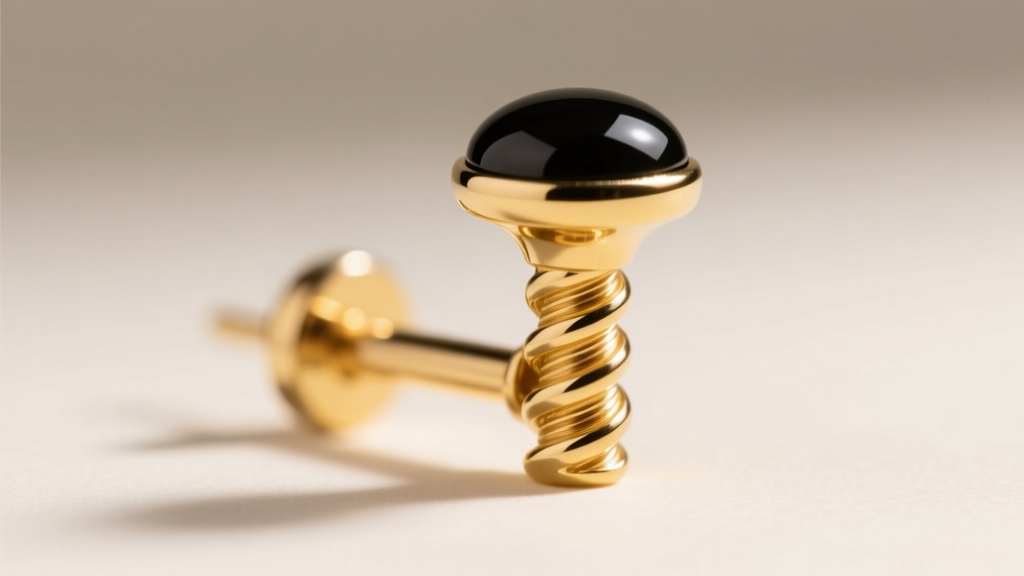
Beware of "gold-plated" or "gold vermeil" earrings, especially in heavy gauges. Plating involves a microscopic layer of gold over a base metal like brass or copper. As the earring slides through the piercing channel, the friction will inevitably wear away the plating, exposing the reactive base metal to your tissue and causing severe irritation.
Threading and Hardware: The Engineering of Comfort
The material of the earring post is only half the battle; how the jewelry locks together is equally critical for tissue health. When shopping for good mens earrings, pay strict attention to the threading style.
Externally vs. Internally Threaded
Externally threaded earrings have the screw pattern on the post itself. Every time you insert or remove the earring, those sharp metal threads scrape through the delicate fistula (piercing channel), causing micro-tears and scar tissue buildup. Internally threaded earrings reverse this: the post is smooth, and the threads are hidden inside the decorative end. This allows the jewelry to glide through the piercing without causing trauma.
The Threadless (Push-Pin) Revolution
For men wearing larger gauges (12g, 10g, 8g, and thicker), threadless jewelry is the superior choice. Threadless posts rely on the tension of a slightly bent pin that fits snugly inside a hollow receiving tube. This creates a secure, rattle-free lock that will not unscrew itself during sleep or physical activity, while offering a perfectly smooth insertion.
Gauge Sizes: Proportion and Sizing for Men
Standard women's earrings typically sit at 20g (0.8mm) or 18g (1.0mm). However, men's anatomy and style preferences often require thicker posts for visual proportion and structural support. Here is a quick reference for men's earring gauges:
- 16g (1.2mm) & 14g (1.6mm): The standard for most men's standard lobe piercings, helixes, and cartilage work. 14g is highly recommended for men to prevent the "cheese-cutter effect," where a thin wire slowly migrates through the earlobe over time.
- 12g (2.0mm) & 10g (2.5mm): Common for men who have slightly stretched their lobes or prefer a bold, heavy-duty aesthetic without committing to full plugs.
- 8g (3.2mm) and thicker: The entry point for traditional ear stretching. At this size, threadless titanium or solid steel seamless rings are mandatory for safe wear.
Quick Decision Framework: Which Metal Should You Buy?
Use this checklist to finalize your purchasing decision based on your specific needs:
- Choose ASTM F136 Titanium if: You are getting a fresh piercing, have a known nickel allergy, are stretching your ears, or want lightweight jewelry for heavy gauges.
- Choose 316L Surgical Steel if: You are on a strict budget, your piercings have been fully healed for over a year, and you have no history of metal sensitivities.
- Choose Solid 14k Gold if: You want a luxury, heirloom-quality piece for a healed piercing and are willing to invest in premium, long-lasting jewelry.
Ultimately, investing in high-quality, properly engineered metals ensures your piercings remain healthy, comfortable, and sharp for decades. For further reading on safe jewelry standards and biocompatible materials, consult the guidelines provided by the Association of Professional Piercers and the metallurgical standards outlined by the World Gold Council.


