Turquoise and Pearl Earrings: Material Properties and Care Guide
Compare turquoise and pearl earrings by hardness, porosity, and grading. Learn how to choose, clean, and protect these delicate gems.

The Allure of Organic and Mineral Gems
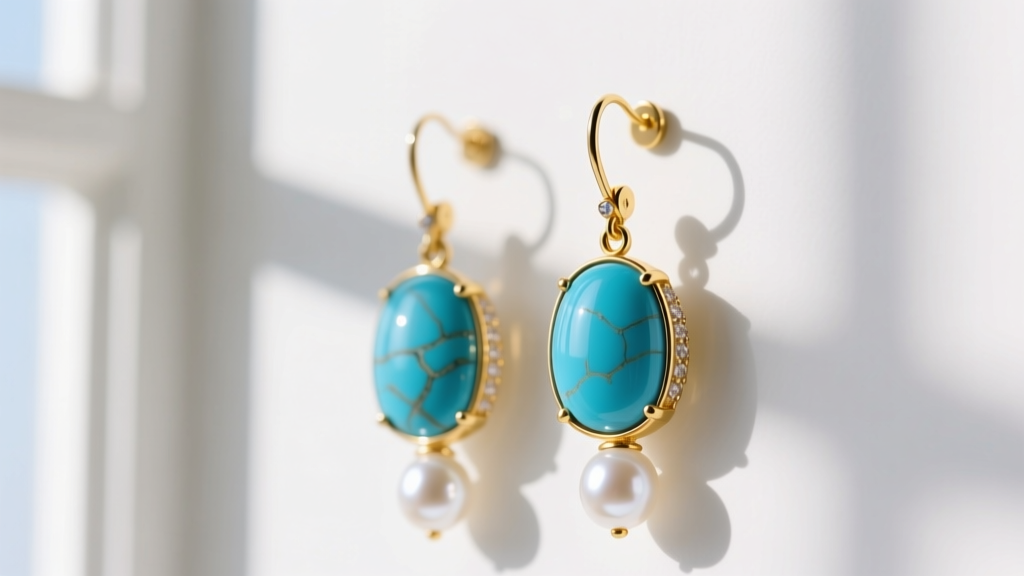
Turquoise and pearl earrings represent a fascinating intersection of mineralogy and organic biology. While both materials have been prized for millennia in fine jewelry, their physical properties, structural vulnerabilities, and care requirements are vastly different. Turquoise is a hydrous phosphate of copper and aluminum, formed in arid climates, while pearls are organic gems created by mollusks, composed primarily of calcium carbonate and conchiolin. Understanding these fundamental material differences is critical for anyone looking to invest in, wear, or design high-quality earrings.
Unlike diamond or sapphire, neither turquoise nor pearl is suited for reckless daily wear. Earrings, in particular, face unique environmental hazards. They sit in the 'splash zone' of hairsprays, perfumes, and facial moisturizers, and are frequently handled during insertion and removal. This guide provides a deep-dive gemological comparison of turquoise and pearl earrings, equipping you with the technical knowledge to evaluate grades, select appropriate hardware, and prevent irreversible material degradation.
Mohs Hardness & Durability: A Gemological Breakdown
When evaluating gemstone earrings, the Mohs scale of mineral hardness is the first metric to consider. However, hardness (scratch resistance) is only one part of the durability equation. Toughness (resistance to chipping and breaking) and stability (resistance to chemical or environmental changes) are equally vital for earrings that may be dropped on hard bathroom tiles or exposed to skin acids.
| Property | Turquoise (Natural) | Pearl (Saltwater/Freshwater) |
|---|---|---|
| Mohs Hardness | 5.0 - 6.0 | 2.5 - 4.5 |
| Toughness | Moderate to Poor (Brittle) | Good (due to overlapping aragonite platelets) |
| Cleavage | None (but fractures conchoidally) | None |
| Porosity | High (absorbs oils and liquids) | Low (but highly sensitive to surface acids) |
| Specific Gravity | 2.60 - 2.90 | 2.60 - 2.85 |
As noted by the GIA Gem Encyclopedia, pearls are exceptionally soft and can be easily scratched by dust (which contains quartz, Mohs 7). Turquoise, while slightly harder, is highly porous. Unstabilized turquoise will readily absorb sebum and cosmetics, leading to a permanent darkening or 'greening' effect over time due to copper oxidation and oil saturation.
Grading Systems: What to Look for When Buying
The value and longevity of your earrings depend heavily on the specific grade and origin of the materials used. Generic labels like 'genuine turquoise' or 'real pearl' are insufficient for making informed purchasing decisions.
Turquoise Grades: Natural vs. Stabilized
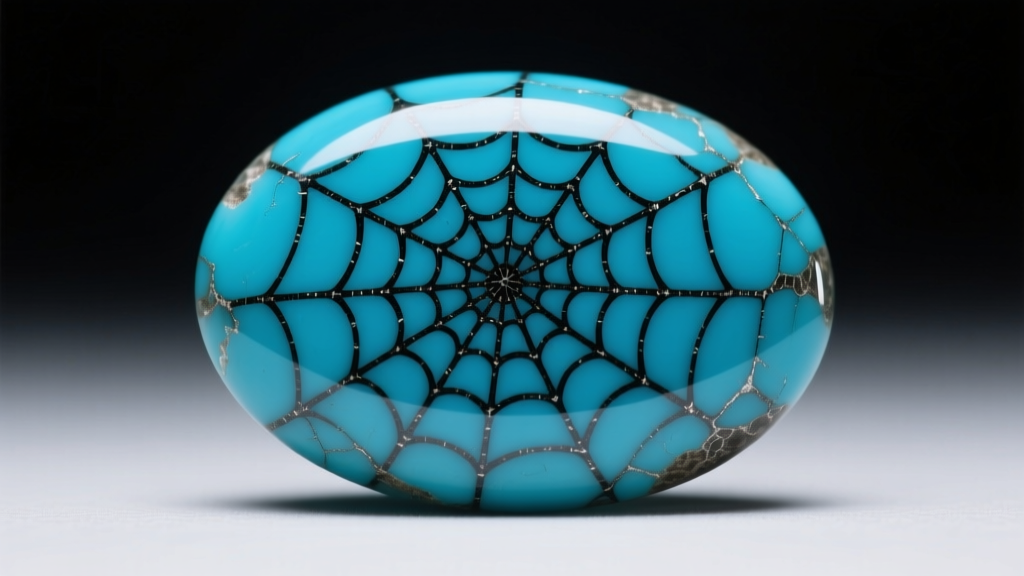
High-grade natural turquoise, such as the coveted 'Sleeping Beauty' (known for its pure, matrix-free robin's egg blue) or 'Kingman' (famous for its striking black spiderweb matrix), is dense and takes a brilliant polish. According to Mindat.org mineral data, the hardness of turquoise varies depending on its silica content; higher silica yields a harder, more durable stone. However, up to 90% of the turquoise on the market is 'stabilized'—a process where softer, chalky turquoise is infused with a clear epoxy or polymer resin under pressure to harden it and enhance its color.
For earrings, stabilized turquoise is often a practical choice. It resists the absorption of skin oils and hairspray far better than natural, untreated chalk turquoise. However, buyers should expect to pay a premium (often $15 to $50+ per carat) for untreated, gem-grade natural stones, whereas stabilized stones are significantly more affordable and durable for everyday stud earrings.
Pearl Grading: Nacre Thickness and Luster
Pearls are graded primarily on luster, surface cleanliness, shape, and nacre thickness. For earrings, matching is also a critical value factor. Akoya pearls are renowned for their mirror-like luster and perfect roundness, making them ideal for classic studs. Freshwater pearls, composed of solid nacre (unlike the bead-nucleated saltwater varieties), offer superior toughness and resistance to chipping, making them excellent for intricate dangle designs.
When purchasing pearl jewelry, always inquire about nacre thickness. A thin-nacre pearl (less than 0.5mm) risks peeling or flaking over time, especially if the earring post rubs against the drill hole. Look for 'gem-grade' or 'AAA' designations from reputable dealers, ensuring the nacre is thick enough to withstand decades of wear.
Setting Styles and Hardware Specifications
The physical weight and fragility of these materials dictate the necessary earring hardware. A standard 20-gauge (0.81mm) sterling silver or gold post is sufficient for lightweight 6mm pearl studs. However, turquoise cabochons, particularly in drop or dangle styles, are significantly heavier.
- Bezel Settings: The safest choice for both materials. A full metal rim protects the girdle (edge) of the pearl and the fragile perimeter of the turquoise from chipping if the earring is dropped.
- Prong Settings: Risky for turquoise, as prong pressure can crack the stone, and it leaves the edges exposed to impact. For pearls, peg-settings with a drop of jeweler's epoxy are standard, but three-prong crowns are sometimes used for large South Sea pearls.
- Post Gauge and Backs: For turquoise drops exceeding 10 grams, upgrade to an 18-gauge (1.02mm) post to prevent bending. Always use silicone ear nuts or locking screw-backs; heavy turquoise will pull standard butterfly friction backs right off the earlobe.
Chemical Sensitivities & Daily Wear Failure Modes
Both materials are highly reactive, but in different ways. Pearls are composed of calcium carbonate, which reacts violently with acids. Even the mild lactic acid in human sweat can etch a pearl's surface over time, dulling its luster and creating microscopic pits. Perfumes and hairsprays contain alcohols and aerosolized chemicals that can strip the moisture from a pearl's conchiolin matrix, leading to cracking.
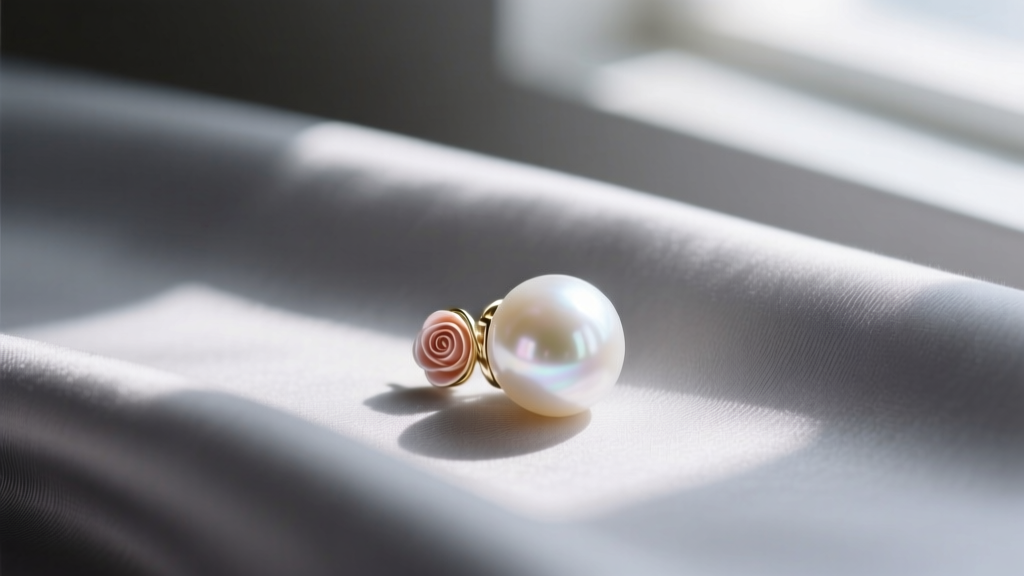
Expert Rule of Thumb: Pearls and turquoise should always be the 'last on, first off.' Apply all cosmetics, perfumes, and hairsprays at least 15 minutes before putting on your earrings to allow the solvents to evaporate.
Turquoise failure modes are largely related to its porosity. Exposure to chlorine (in pools or tap water) can alter the stone's chemical structure, sometimes causing it to turn a sickly green. Furthermore, ultrasonic jewelry cleaners—which are sometimes mistakenly used on earrings—will shatter turquoise due to high-frequency vibrations and destroy the epoxy in stabilized stones.
Cleaning Protocols and Storage
Maintaining the pristine condition of turquoise and pearl earrings requires gentle, non-invasive cleaning methods. Never use commercial jewelry dips, ammonia, or steam cleaners. Instead, use a soft, lint-free microfiber cloth dampened with distilled water to gently wipe away skin oils and environmental dust immediately after wearing them.
Storage is equally critical. Because pearls and turquoise are easily scratched by harder gems, they must be stored individually in soft cotton pouches or lined jewelry boxes. Keep them away from extreme heat and dry environments; prolonged exposure to low humidity can cause pearls to dehydrate and crack, while extreme temperature shifts can cause the resin in stabilized turquoise to expand and contract, potentially fracturing the stone from the inside out. By respecting their unique material properties, your turquoise and pearl earrings will remain vibrant and structurally sound for generations.


