Sloth Earrings Guide: How to Choose, Style, and Wear Them
Discover everything about sloth earrings, from hypoallergenic metals and gauge sizes to styling quirky dangles and studs for everyday wear.

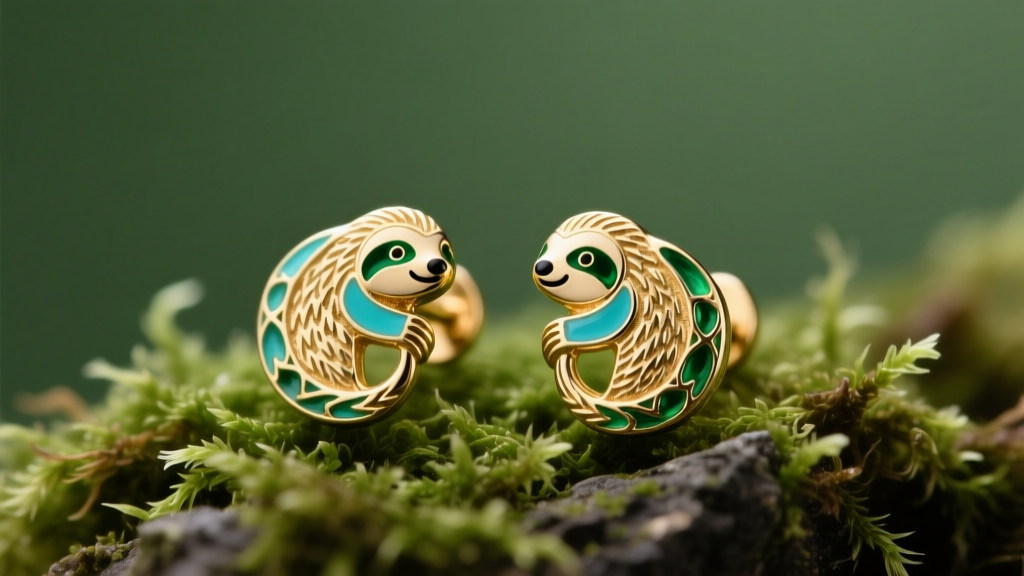
The Rise of the Sloth: More Than Just Novelty
Sloths have transcended their status as a fleeting internet meme to become an enduring symbol of mindfulness, relaxation, and self-care. In the jewelry world, sloth earrings offer a unique way to carry this laid-back philosophy with you. However, as any seasoned jewelry collector knows, the novelty market is notoriously saturated with low-quality, mass-produced pieces that can cause severe skin irritation. This beginner-friendly guide will teach you how to navigate the world of sloth earrings, ensuring you invest in pieces that are as kind to your skin as they are charming to the eye.
Decoding Materials: Avoiding the Green Ear Effect
The most common pitfall when buying animal-themed jewelry is falling for deceptive marketing terms. Words like "Tibetan Silver" or "Alpaca" do not contain actual silver; they are often zinc or copper alloys heavily laced with nickel, a known allergen. According to the American Academy of Dermatology, nickel allergy is the most common cause of allergic contact dermatitis, affecting nearly 20% of the population. When your earlobe turns green or becomes itchy, it is a direct chemical reaction between your skin's acids and the copper or nickel in the alloy.
The Hypoallergenic Hierarchy
To ensure your sloth earrings are safe for daily wear, look for these specific material grades:
| Material | Standard/Grade | Pros | Cons | Price Range |
|---|---|---|---|---|
| Implant-Grade Titanium | ASTM F136 | 100% nickel-free, lightweight, ideal for sensitive ears | Harder to cast into intricate novelty shapes | $35 - $80 |
| Sterling Silver | 925 Stamp | Accessible, holds fine detail well, naturally antimicrobial | Can tarnish if exposed to sulfur or high humidity | $25 - $60 |
| Gold Vermeil | 2.5µm over 925 | Luxurious look without solid gold pricing, hypoallergenic base | Plating will eventually wear off with friction | $45 - $120 |
| Surgical Steel | 316L | Durable, affordable, highly polished | Contains trace nickel (unsafe for severe allergies) | $15 - $30 |
For a comprehensive breakdown of body-safe metals, the Association of Professional Piercers (APP) provides an excellent, science-backed resource on jewelry materials and their biocompatibility.
Enamel Quality: Cold Resin vs. Fired Glass
Because sloths are often depicted hanging from vibrant green leaves or featuring colorful tropical backgrounds, enamel work is a staple in these designs. However, not all color is created equal. Mass-market sloth earrings typically use "cold enamel," which is actually a two-part epoxy resin. While cheap and brightly colored, resin scratches easily, yellows under UV light, and can peel off the metal base within months.
High-end artisan jewelers use vitreous enamel—a finely ground glass powder fired in a kiln at over 1,400°F. Vitreous enamel fuses permanently to the metal, offering a brilliant, scratch-resistant finish that will outlast the metal itself. When shopping, check the product description: if it says "epoxy" or "resin," expect to replace the piece annually. If it mentions "kiln-fired" or "vitreous," you are looking at an heirloom-quality novelty piece.
Silhouettes and Weight: Protecting Your Lobes
The silhouette of your earring dictates both its style and its physical impact on your piercing. Sloth designs can be surprisingly chunky, and weight distribution is a critical, often overlooked factor.
- Stud Earrings (0.5g - 2g): The safest option for everyday wear. A small, 8mm sloth silhouette hugging the lobe puts zero stress on the fistula (the piercing hole).
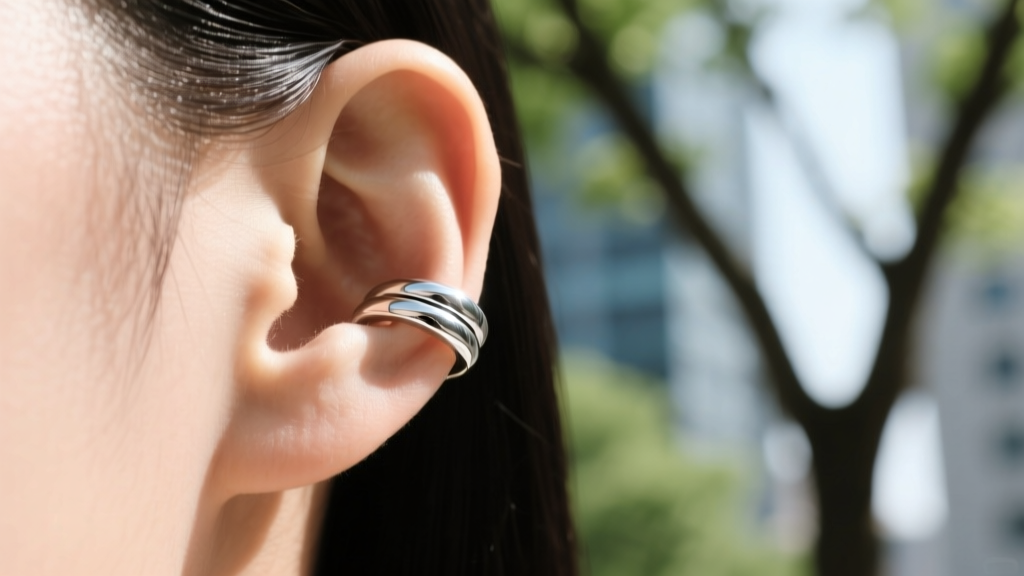
- Huggies and Ear Cuffs (2g - 4g): Sloth-shaped ear cuffs that wrap around the upper cartilage are incredibly popular. Ensure the cuff has an adjustable tension wire so it doesn't slip or pinch the delicate cartilage tissue.
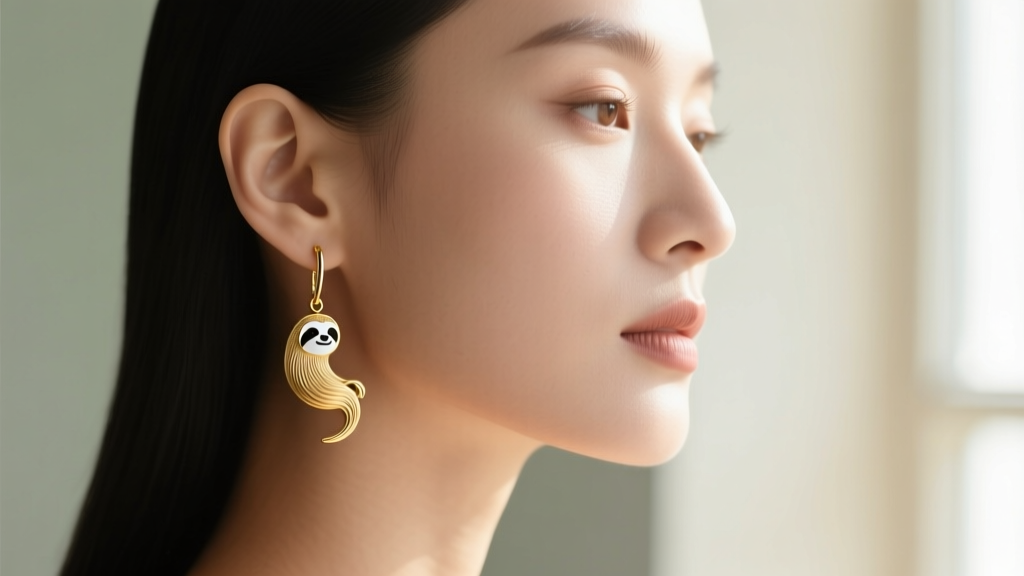
- Dangle and Drop Earrings (5g - 15g+): Here is where you must be careful. A heavy, solid brass sloth dangle can weigh upwards of 15 grams. Wearing heavy dangles for more than a few hours can cause micro-tears in the lobe, leading to permanent stretching—a phenomenon piercers call the "cheese-cutter effect." If you want sloth dangles, opt for hollow-core construction, lightweight acrylic, or laser-cut wood to keep the weight under 4 grams.
Gauge Sizes: The Technical Fit
Gauge refers to the thickness of the earring post. Standard commercial lobe earrings are usually 20-gauge (0.81mm) or 18-gauge (1.0mm). When buying from independent artisans or specialized novelty shops, always verify the gauge. A post that is too thick (like a 16-gauge or 1.2mm wire) will force its way through a standard 20-gauge piercing, causing blunt-force trauma, swelling, and potential blowouts. Conversely, a post that is too thin can move around excessively, delaying healing and inviting bacterial buildup. Always look for 20G or 18G posts for standard healed lobe piercings.
Face Shape Matching: Framing Your Features
While novelty jewelry is ultimately about personal expression, understanding basic facial geometry can elevate your styling. If you have a round face, opt for elongated sloth dangles that hang vertically from the branch; this creates an illusion of length and draws the eye downward. Conversely, if you have a long or oval face, wider, horizontal designs—such as a sloth stretching across a broad leaf or a sloth-shaped huggie that hugs the ear closely—will add flattering width and balance your proportions. Square faces benefit from curved, organic shapes, making a sloth wrapped in a circular vine an excellent choice to soften strong jawlines.
Styling Framework: Balancing Quirk and Elegance
Wearing novelty jewelry as an adult requires a strategic approach to styling. The goal is to let the earrings serve as a conversation starter without overwhelming your overall aesthetic. We recommend the "Rule of One": let your sloth earrings be the sole focal point of your jewelry wardrobe for the day.
Pair intricate, gold-toned sloth studs with a crisp, minimalist blazer or a structured turtleneck. The contrast between the playful jewelry and the serious, tailored clothing creates a sophisticated, eclectic look. If you are wearing large, colorful enamel sloth dangles, pull your hair back into a sleek chignon or a high ponytail. This not only prevents your hair from snagging on the intricate metal claws and branches but also frames your face, allowing the craftsmanship of the earrings to shine.
Care and Maintenance for Novelty Pieces
Because sloth earrings often feature deep crevices—like the curve of a branch or the texture of fur—they are magnets for lotion, perfume, and dead skin cells. To maintain their brilliance, avoid spraying hairspray or perfume directly onto the jewelry. Once a week, gently scrub the earrings with a soft-bristled baby toothbrush dipped in a solution of warm water and a single drop of mild, phosphate-free dish soap. Rinse thoroughly and dry completely with a microfiber cloth before storing them in an anti-tarnish pouch. By treating your novelty pieces with the same respect as fine jewelry, your favorite sloth companions will hang happily from your ears for years to come.


